https://sputnikglobe.com/20251109/nature-vs-radiation-scientists-develop-natural-eco-friendly-radiation-shield-1123082698.html
Nature vs Radiation: Scientists Develop 'Natural' Eco-Friendly Radiation Shield
Nature vs Radiation: Scientists Develop 'Natural' Eco-Friendly Radiation Shield
Sputnik International
Researchers from Ural Federal University (UrFU), together with an international team, have developed new environmentally friendly materials that effectively protect against radioactive radiation. The materials are made from mineral clays and glass industry waste, according to a study published in Journal of Science: Advanced Materials and Devices.
2025-11-09T15:55+0000
2025-11-09T15:55+0000
2025-11-09T15:55+0000
russia
ural federal university
radiation
space radiation
uv radiation
scientists
scientific study
scientific research
beyond politics
https://cdn.imgsputnikglobe.com/img/07e9/0b/09/1123082312_0:113:1200:788_1920x0_80_0_0_e0fdd406da064d0af7408bdcae7416fd.jpg
The materials are made from mineral clays and glass industry waste, the study published in Journal of Science: Advanced Materials and Devices explained.Nuclear radiation takes three main forms:But tungsten is costly and lead is toxic, UrFU scientists explained.With a growing number of nuclear reactors and the increasing use of radioactive materials in medicine, the demand for new, safer shielding materials continues to rise, said Professor Oleg Tashlykov of UrFU’s Department of Nuclear Power Plants and Renewable Energy Sources.UrFU researchers — in collaboration with scientists from Iraq — created ceramic materials capable of shielding radiation of varying intensities.The composition was based on a large-scale experimental methodology previously tested with natural minerals from Egypt, Jordan, Vietnam and other countries.“Adding glass improves the tile’s strength," he added. "This approach also recycles glass waste by integrating it into construction materials for radiation-prone facilities or X-ray rooms — without using lead.”The materials — clay, glass waste, and boric acid — are widely available, and the production process of grinding and pressing at around114 MPa and firing at 550°C is simple.Although their shielding efficiency is lower than that of heavy oxide concrete, the ceramics are ideal where lead-free, moderately shielding, mechanically strong, and eco-friendly materials are preferred, Tashlykov explained.The next stage involves optimizing the ceramic for specific uses — achieving effective shielding with minimal weight and cost — and testing the materials under various conditions, including moisture, temperature cycles and radiation exposure.The research is being carried out with support from the Russian Ministry of Science and Higher Education as part of the Decade of Science and Technology initiative.
https://sputnikglobe.com/20240910/elements-to-control-terahertz-laser-radiation-created-in-russia-1120097480.html
russia
Sputnik International
feedback@sputniknews.com
+74956456601
MIA „Rossiya Segodnya“
2025
Sputnik International
feedback@sputniknews.com
+74956456601
MIA „Rossiya Segodnya“
News
en_EN
Sputnik International
feedback@sputniknews.com
+74956456601
MIA „Rossiya Segodnya“
Sputnik International
feedback@sputniknews.com
+74956456601
MIA „Rossiya Segodnya“
russian scientists, new environmentally friendly materials, glass industry waste
russian scientists, new environmentally friendly materials, glass industry waste
Nature vs Radiation: Scientists Develop 'Natural' Eco-Friendly Radiation Shield
Researchers from Ural Federal University (UrFU), working with an international team, have developed new environmentally friendly-materials to protect against nuclear radiation.
The materials are made from mineral clays and glass industry waste, the study
published in Journal of Science: Advanced Materials and Devices explained.
Nuclear
radiation takes three main forms:
Alpha particles, which can be stopped by a sheet of paper
Beta radiation which requires light metals or plexiglass to block
Gamma radiation, which needs high-density materials like lead or tungsten for protection
But tungsten is costly and lead is toxic, UrFU scientists explained.
With a growing number of nuclear reactors and the increasing use of radioactive materials in medicine, the demand for new, safer shielding materials continues to rise, said Professor Oleg Tashlykov of UrFU’s Department of Nuclear Power Plants and Renewable Energy Sources.
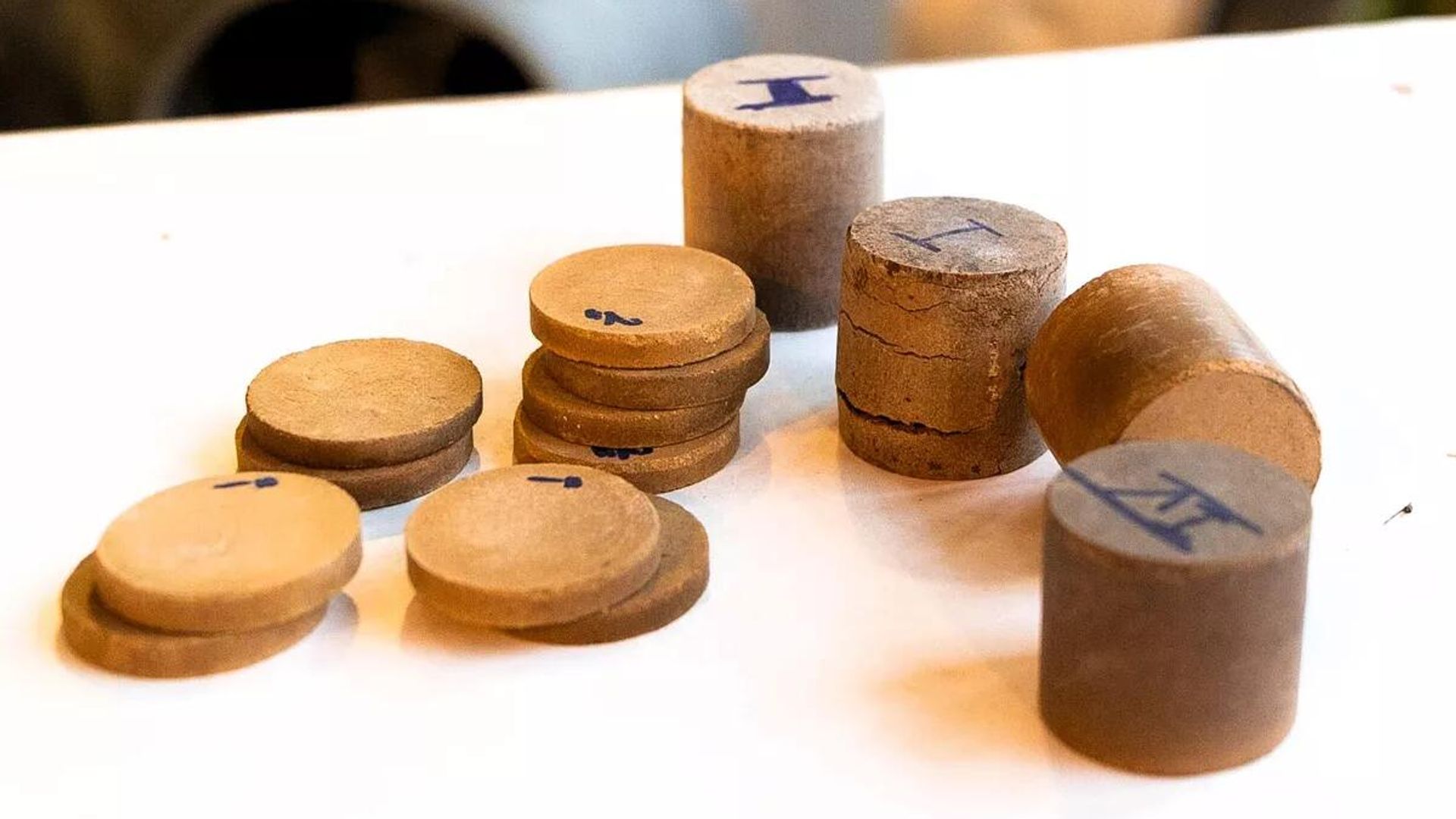
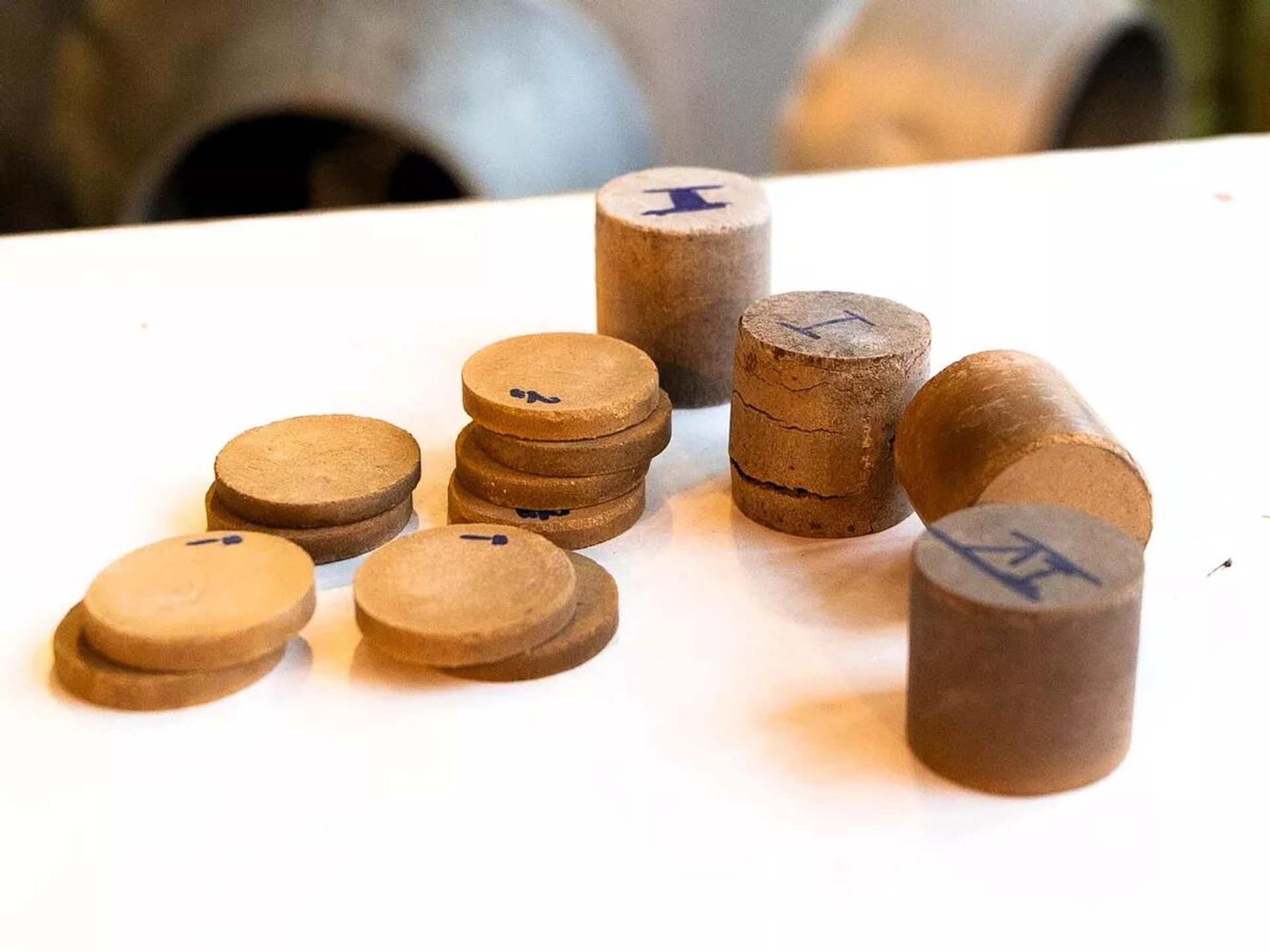
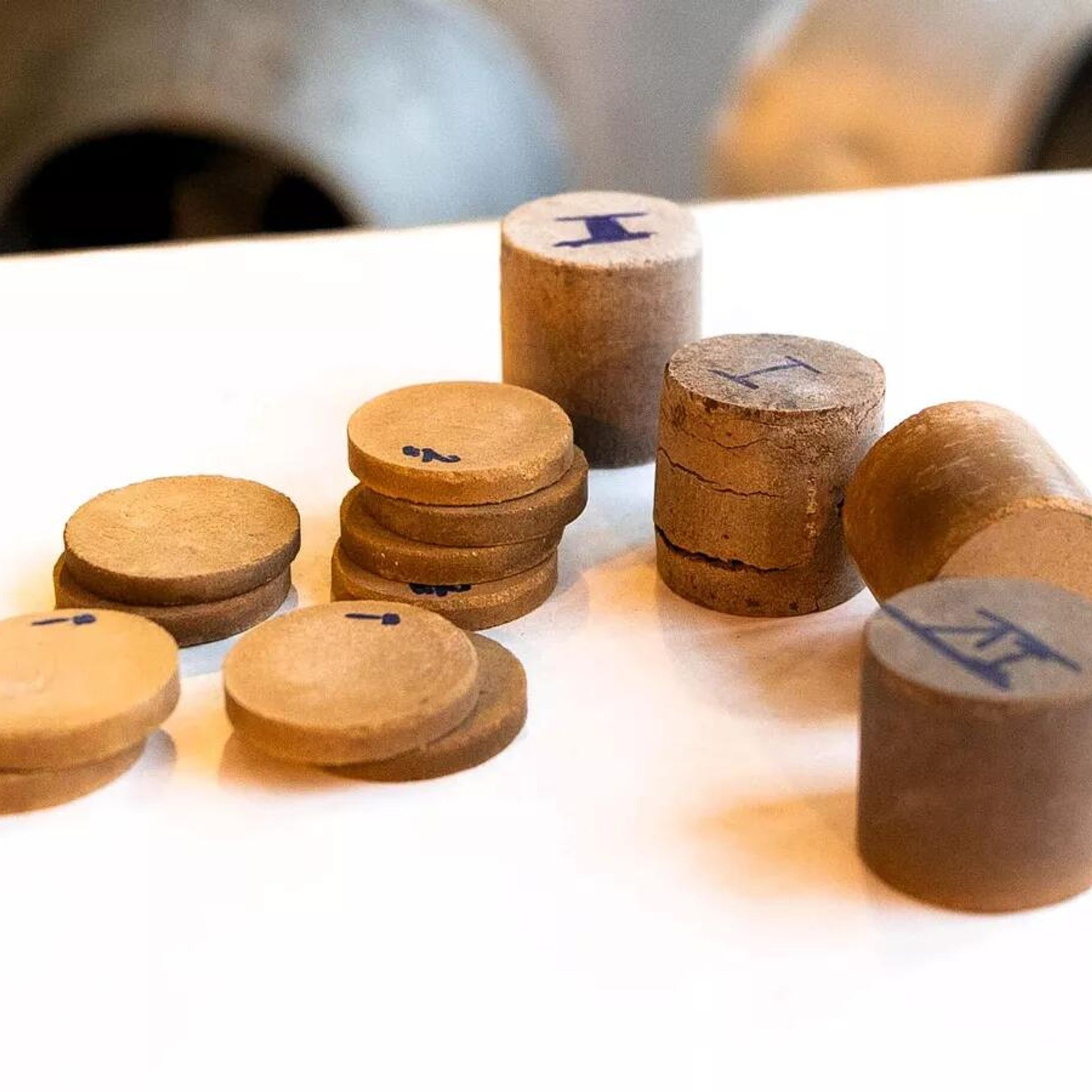
UrFU researchers — in collaboration with scientists from Iraq — created ceramic materials capable of shielding radiation of varying intensities.
The composition was based on a large-scale experimental methodology previously tested with natural minerals from Egypt, Jordan, Vietnam and other countries.
“We mixed Iraqi clay with glass industry waste and a small amount of boric acid to create durable, inexpensive ceramics that can effectively block gamma radiation,” said Karem Mahmoud, senior researcher at UrFU.
“Adding glass improves the tile’s strength," he added. "This approach also recycles glass waste by integrating it into construction materials for radiation-prone facilities or X-ray rooms — without using lead.”
The materials — clay, glass waste, and boric acid — are widely available, and the production process of grinding and pressing at around114 MPa and firing at 550°C is simple.
Although their shielding efficiency is lower than that of heavy oxide concrete, the ceramics are ideal where lead-free, moderately shielding, mechanically strong, and eco-friendly materials are preferred, Tashlykov explained.
The next stage involves optimizing the ceramic for specific uses — achieving effective shielding with minimal weight and cost — and testing the materials under various conditions, including moisture, temperature cycles and radiation exposure.
The research is being carried out with support from the Russian Ministry of Science and Higher Education as part of the Decade of Science and Technology initiative.
10 September 2024, 13:54 GMT