https://sputnikglobe.com/20251125/china-launches-uncrewed-spacecraft-to-tiangong-space-station-1123168487.html
China Launches Uncrewed Spacecraft to Tiangong Space Station
China Launches Uncrewed Spacecraft to Tiangong Space Station
Sputnik International
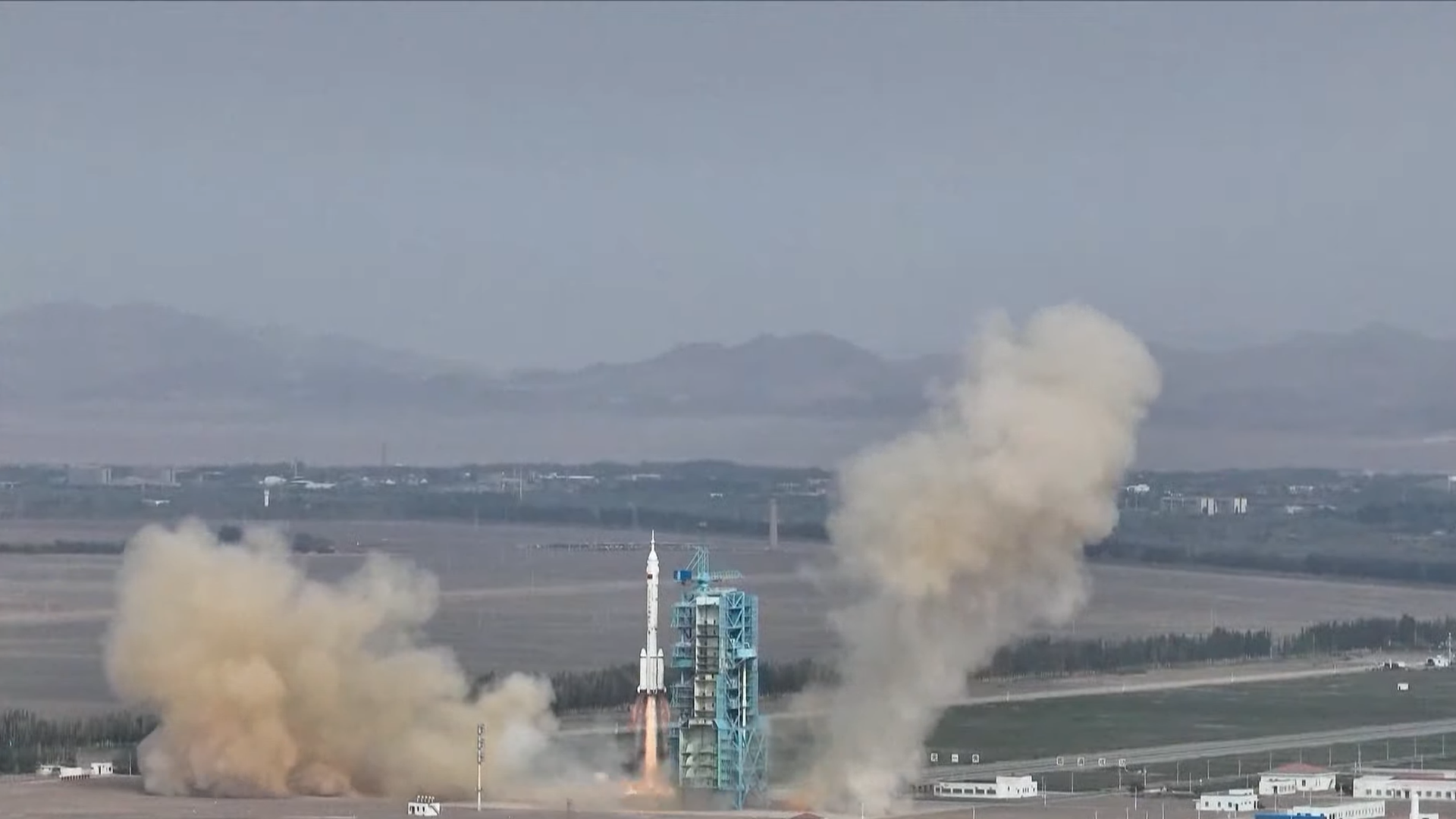
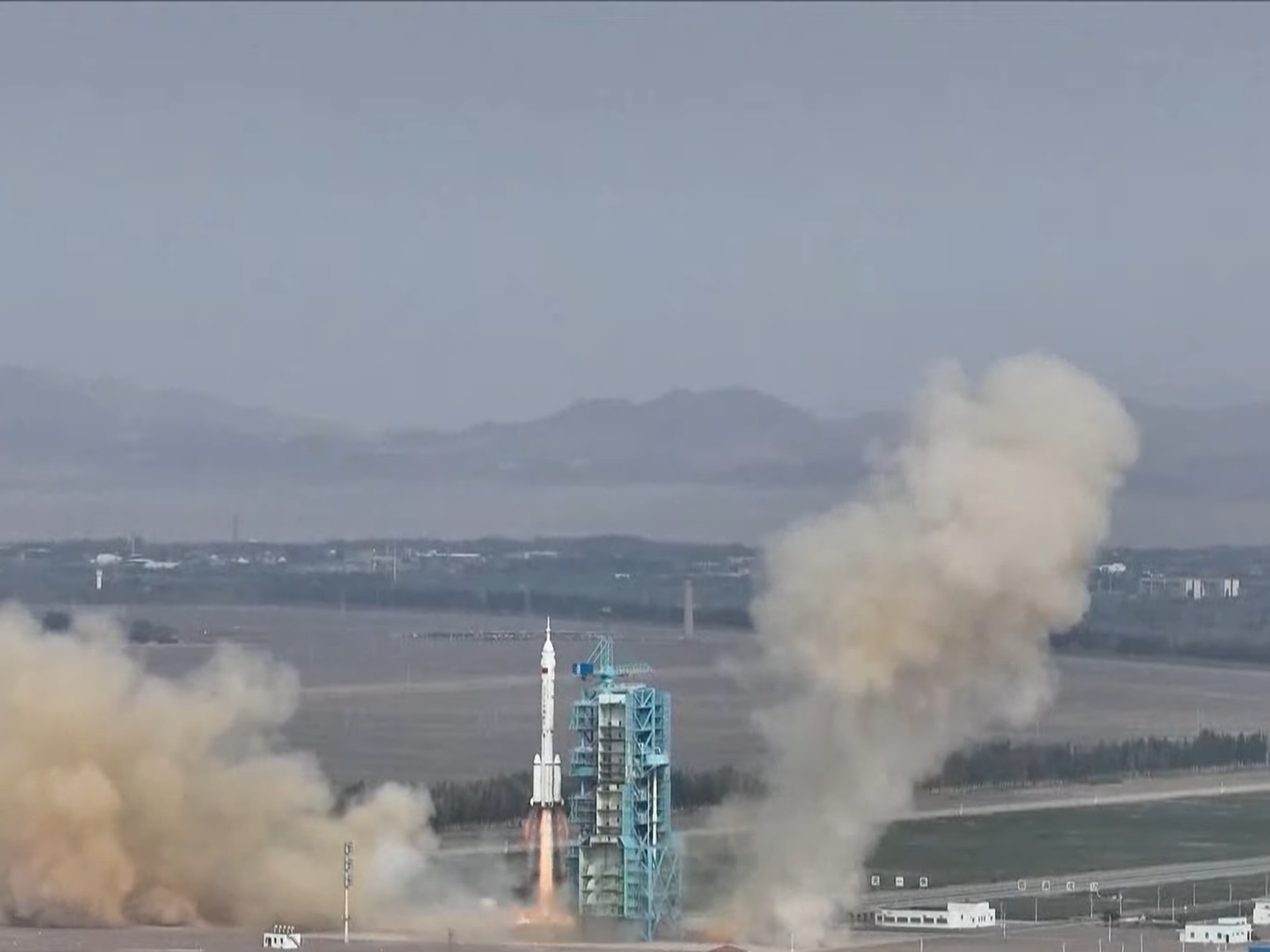
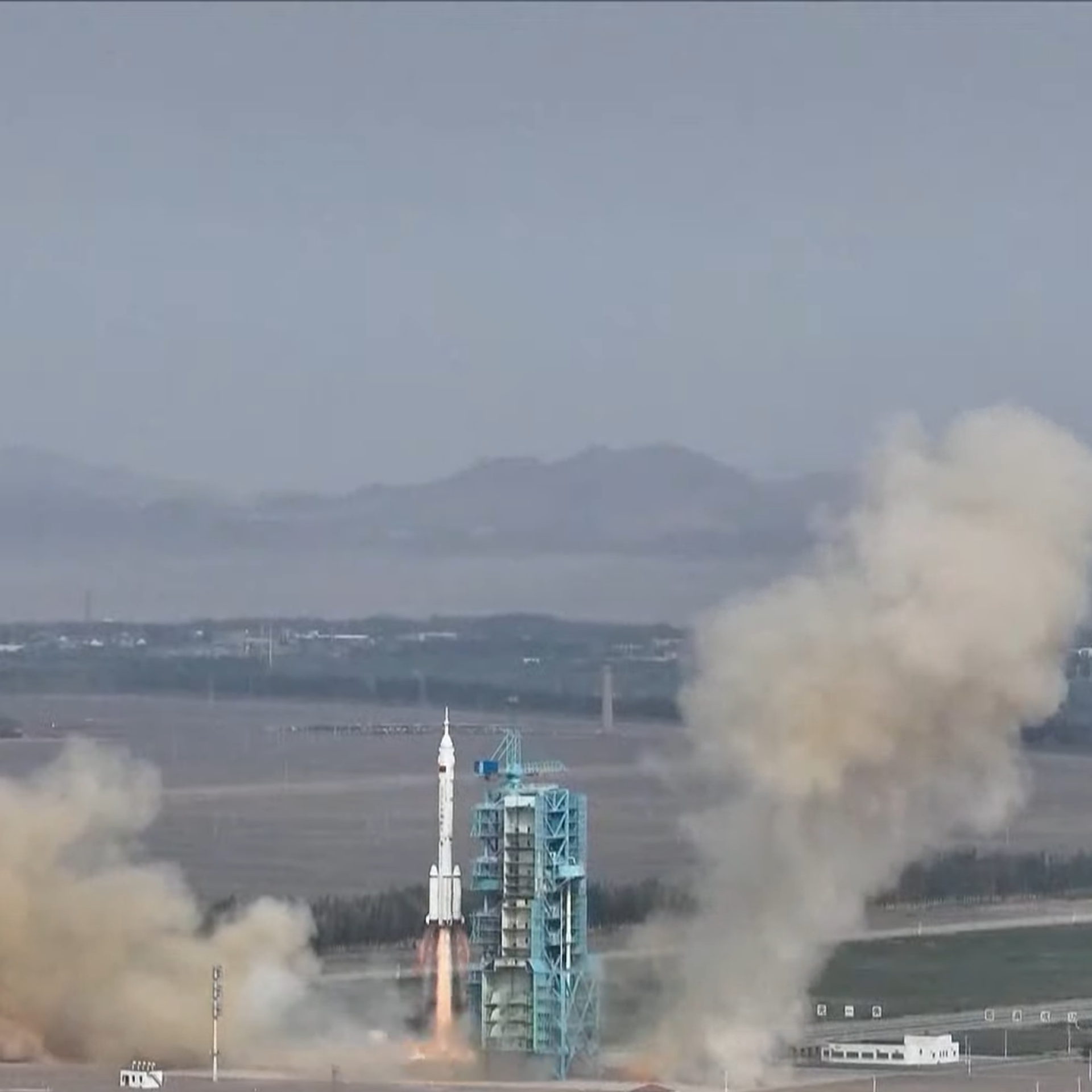
China launched the Shenzhou-22 uncrewed spacecraft to the Tiangong orbital station.
2025-11-25T10:03+0000
2025-11-25T10:03+0000
2025-11-25T10:03+0000
beyond politics
china
jiuquan satellite launch center
tiangong space station
tiangong
https://cdn.imgsputnikglobe.com/img/07e7/05/1e/1110784473_24:0:2477:1380_1920x0_80_0_0_db0437a842536ec796d2628eb2ec7198.png
The launch took place on Tuesday from the Jiuquan Satellite Launch Center in northwest China at 12:11 p.m. local time (04:11 GMT). China Central Television (CCTV) was broadcasting the launch. On November 14, the Shenzhou-20 crew returned to Earth aboard the Shenzhou-21 spacecraft. Shenzhou-22 was sent as a replacement for the spacecraft that was used out of turn to return the taikonauts. On November 1, the Shenzhou-21 spacecraft carrying three taikonauts arrived at the Tiangong station. A ceremony to hand over control of the orbital station to the new crew took place on November 4, after which the Shenzhou-20 crew was scheduled to return to Earth on November 5. However, the return after a six-month mission was delayed due to a collision with small space debris. China began construction of the Tiangong national orbital station on April 29, 2021, when the Tianhe core module was successfully launched into orbit. Assembly of the station's primary configuration was completed on November 3, 2022. The basic configuration of the T-shaped Tiangong station now consists of the Tianhe core module and two docked laboratory modules, Wentian and Mengtian. Together, these three modules weigh approximately 69 tonnes. The station's total living space is approximately 110 cubic meters, and it can accommodate three taikonauts at a time or six people during crew rotations. The station's designed operational life is 15 years, ending in 2038.
https://sputnikglobe.com/20230215/china-planning-two-manned-missions-to-tiangong-space-station-in-2023-space-agency-1107446354.html
china
Sputnik International
feedback@sputniknews.com
+74956456601
MIA „Rossiya Segodnya“
2025
Sputnik International
feedback@sputniknews.com
+74956456601
MIA „Rossiya Segodnya“
News
en_EN
Sputnik International
feedback@sputniknews.com
+74956456601
MIA „Rossiya Segodnya“
Sputnik International
feedback@sputniknews.com
+74956456601
MIA „Rossiya Segodnya“
china launches, shenzhou-22 uncrewed spacecraft, tiangong orbital station
china launches, shenzhou-22 uncrewed spacecraft, tiangong orbital station
China Launches Uncrewed Spacecraft to Tiangong Space Station
BEIJING (Sputnik) - China launched the Shenzhou-22 uncrewed spacecraft to the Tiangong orbital station.
The launch took place on Tuesday from the Jiuquan Satellite Launch Center in northwest China at 12:11 p.m. local time (04:11 GMT). China Central Television (CCTV) was broadcasting the launch.
On November 14, the Shenzhou-20 crew returned to Earth aboard the Shenzhou-21 spacecraft. Shenzhou-22 was sent as a replacement for the spacecraft that was used out of turn to return the taikonauts. On November 1, the Shenzhou-21 spacecraft carrying three taikonauts arrived at the Tiangong station. A ceremony to hand over control of the orbital station to the new crew took place on November 4, after which the Shenzhou-20 crew was scheduled to return to Earth on November 5. However, the return after a six-month mission was delayed due to a collision with small space debris.
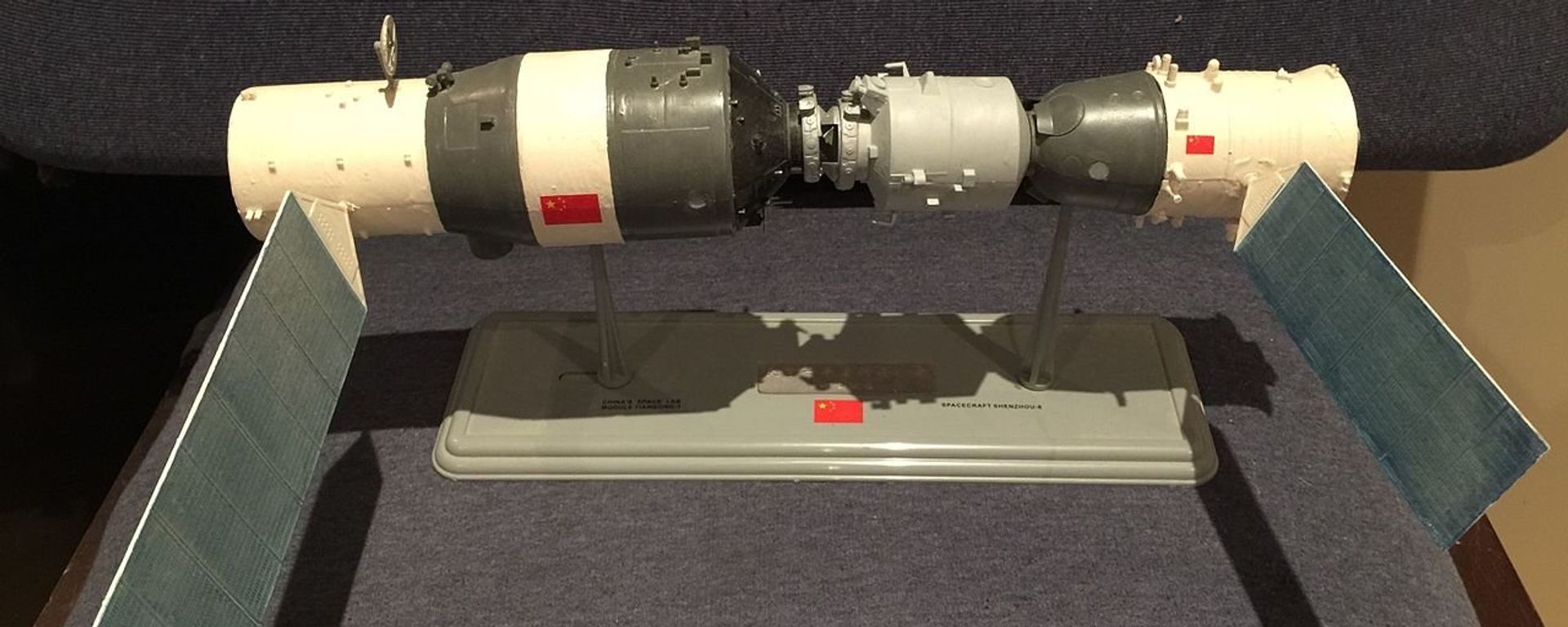
China began construction of the
Tiangong national orbital station on April 29, 2021, when the Tianhe core module was successfully launched into orbit. Assembly of the station's primary configuration was completed on November 3, 2022. The basic configuration of the T-shaped Tiangong station now consists of the Tianhe core module and two docked laboratory modules, Wentian and Mengtian. Together, these three modules weigh approximately 69 tonnes. The station's total living space is approximately 110 cubic meters, and it can accommodate three taikonauts at a time or six people during crew rotations. The station's designed operational life is 15 years, ending in 2038.
15 February 2023, 04:59 GMT