https://sputnikglobe.com/20251216/pakistan-russia-reject-western-hegemony-vow-stronger-partnership-at-forum-1123307703.html
Pakistan, Russia Reject Western Hegemony, Vow Stronger Partnership at Forum
Pakistan, Russia Reject Western Hegemony, Vow Stronger Partnership at Forum
Sputnik International
Pakistani and Russian politicians and experts opened a bilateral forum on Monday by asserting that the global balance of power is shifting toward Eurasia and the Global South, criticizing Western hegemony and vowing to strengthen their strategic partnership.
2025-12-16T14:15+0000
2025-12-16T14:15+0000
2025-12-16T18:23+0000
world
russia
pakistan
https://cdn.imgsputnikglobe.com/img/07e9/0c/10/1123307882_0:0:1193:671_1920x0_80_0_0_05851baefdfc753f681b425a90ecdc11.jpg
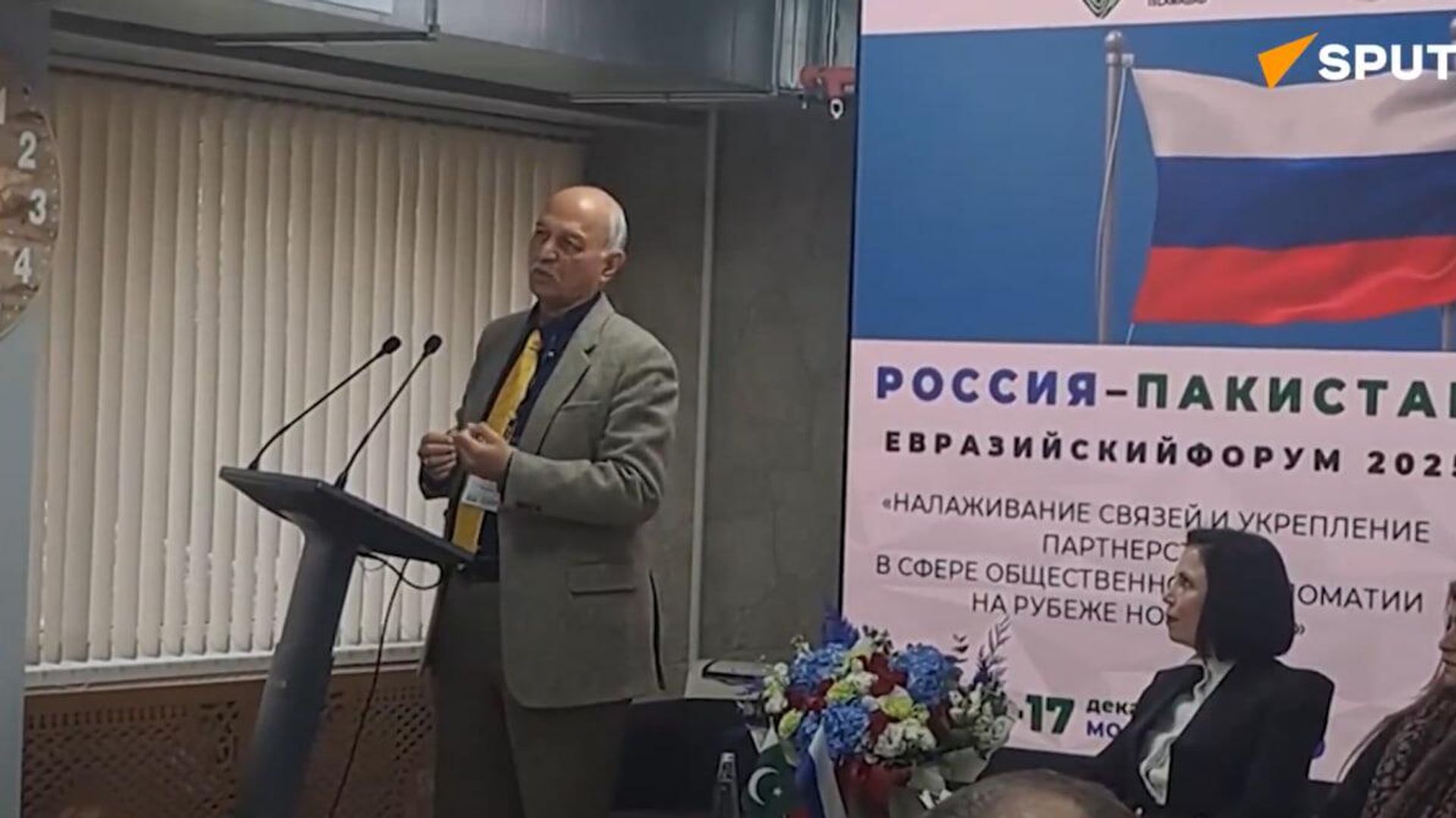
Speaking at the Russia-Pakistan Eurasian Forum, Pakistani Sen. Mushahid Hussain Syed said the two nations are central to a new multipolar world order. He described Pakistan as a confident middle power capable of defending its sovereignty and playing a larger security role in the Muslim world. The senator said Pakistan does not view Russia through a Western lens, and he emphasized that both countries oppose all forms of regional and global dominance. He cited Pakistan’s neutrality on the Ukraine conflict and its clear position on the Palestinian issue as evidence of an independent foreign policy. Syed also called for a joint counterterrorism strategy involving nations from Islamabad and Riyadh to Beijing, Moscow and Washington. Pakistani defense analyst Maria Sultan highlighted existing military and counterterrorism cooperation between Moscow and Islamabad. She argued for a broader concept of security focused on protecting people’s identity and rights, beyond just physical safety. She suggested Russia’s actions in Ukraine could be seen through this lens of protecting national identity. Sultan also criticized personal sanctions as discrimination based on nationality, saying real human security is built on strong regional and national foundations. On economic ties, Former Russian Ambassador to Saudi Arabia Andrey Baklanov noted a significant trade imbalance, with Russian exports to Pakistan exceeding imports by seven to eight times. Additionally, he said that the two countries needed to find a more efficient alternative to the barter system that has emerged in recent years. The two-day Russia-Pakistan Eurasian Forum 2025, themed “Forging Connectivity and Exploring People-to-People Partnership for a New Era,” brings together lawmakers, officials, experts and business leaders. It aims to boost connectivity through economic corridors, energy projects and trade, aligning Pakistan’s regional integration goals with Russia’s Eurasian outreach.“The goal [of the forum] is actually to demonstrate that in the breakage of the world order, Russia and Pakistan are willing to find new aspects, new ways of collaboration relationship despite of all the tensions that actually are dwelling now in the region of South Asia and on the global stage”, said Dr. Roxolana Zigon, co-organizer of the forum, Director of the Scientific Center for International Research, University of World Civilizations.The event was organized by Russia’s University of World Civilizations and Pakistan’s Consortium for Asia Pacific & Eurasian Studies and Federal Urdu University of Arts, Sciences & Technology
russia
pakistan
Sputnik International
feedback@sputniknews.com
+74956456601
MIA „Rossiya Segodnya“
2025
Sputnik International
feedback@sputniknews.com
+74956456601
MIA „Rossiya Segodnya“
News
en_EN
Sputnik International
feedback@sputniknews.com
+74956456601
MIA „Rossiya Segodnya“
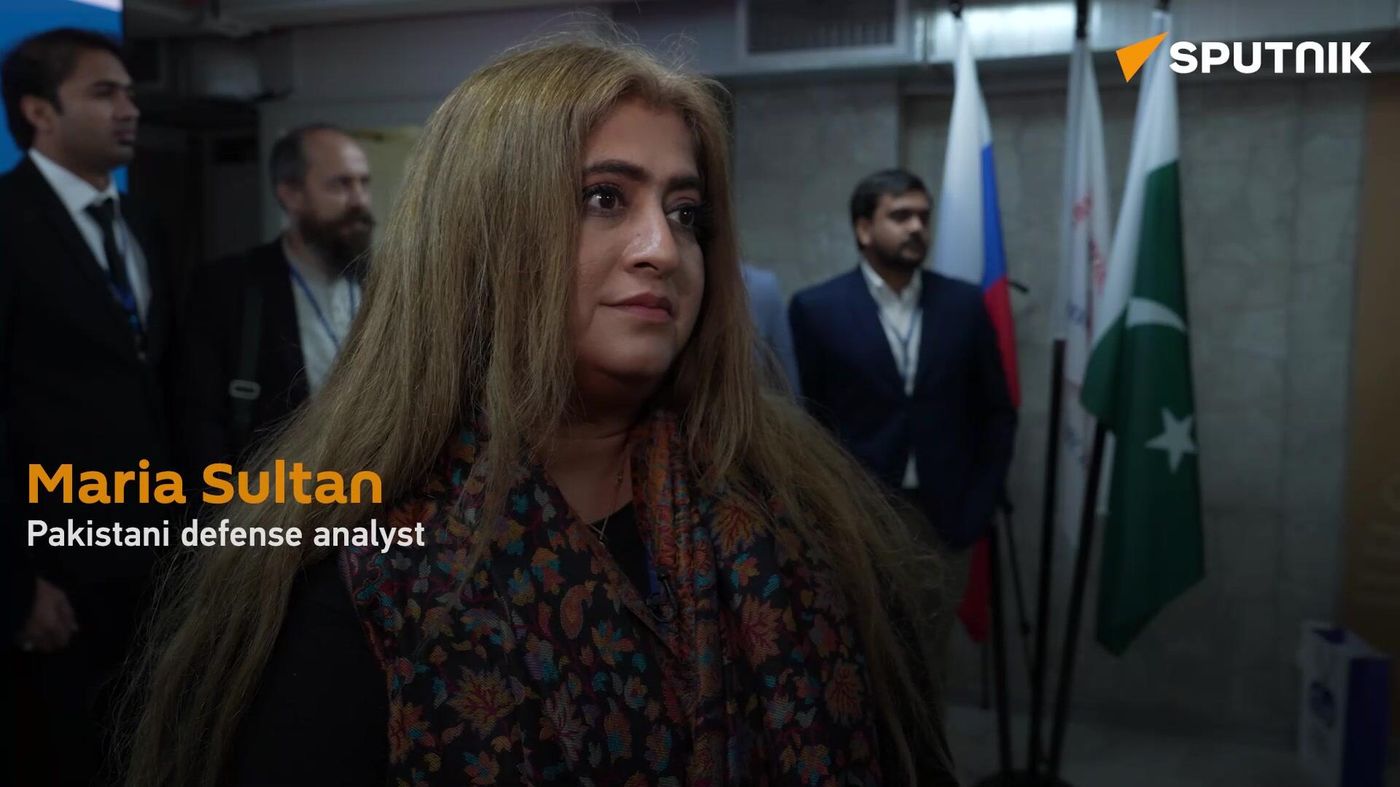
Pakistani defense analyst Maria Sultan at the Russia-Pakistan Eurasian Forum 2025
Sputnik International
Pakistani defense analyst Maria Sultan at the Russia-Pakistan Eurasian Forum 2025
2025-12-16T14:15+0000
true
PT1M03S
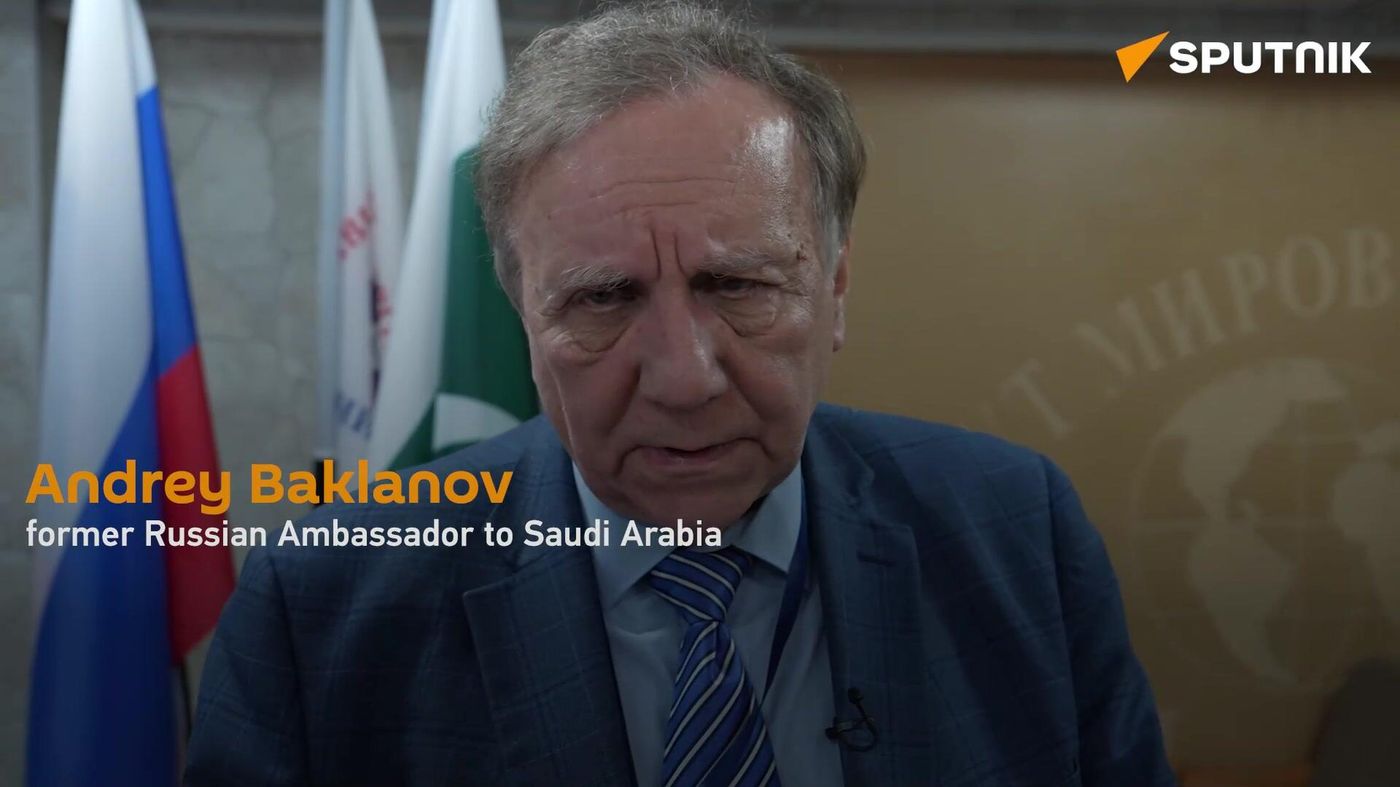
Andrey Baklanov, former Russian Ambassador to Saudi Arabia at the Russia-Pakistan Eurasian Forum 2025
Sputnik International
Andrey Baklanov, former Russian Ambassador to Saudi Arabia at the Russia-Pakistan Eurasian Forum 2025
2025-12-16T14:15+0000
true
PT0M33S
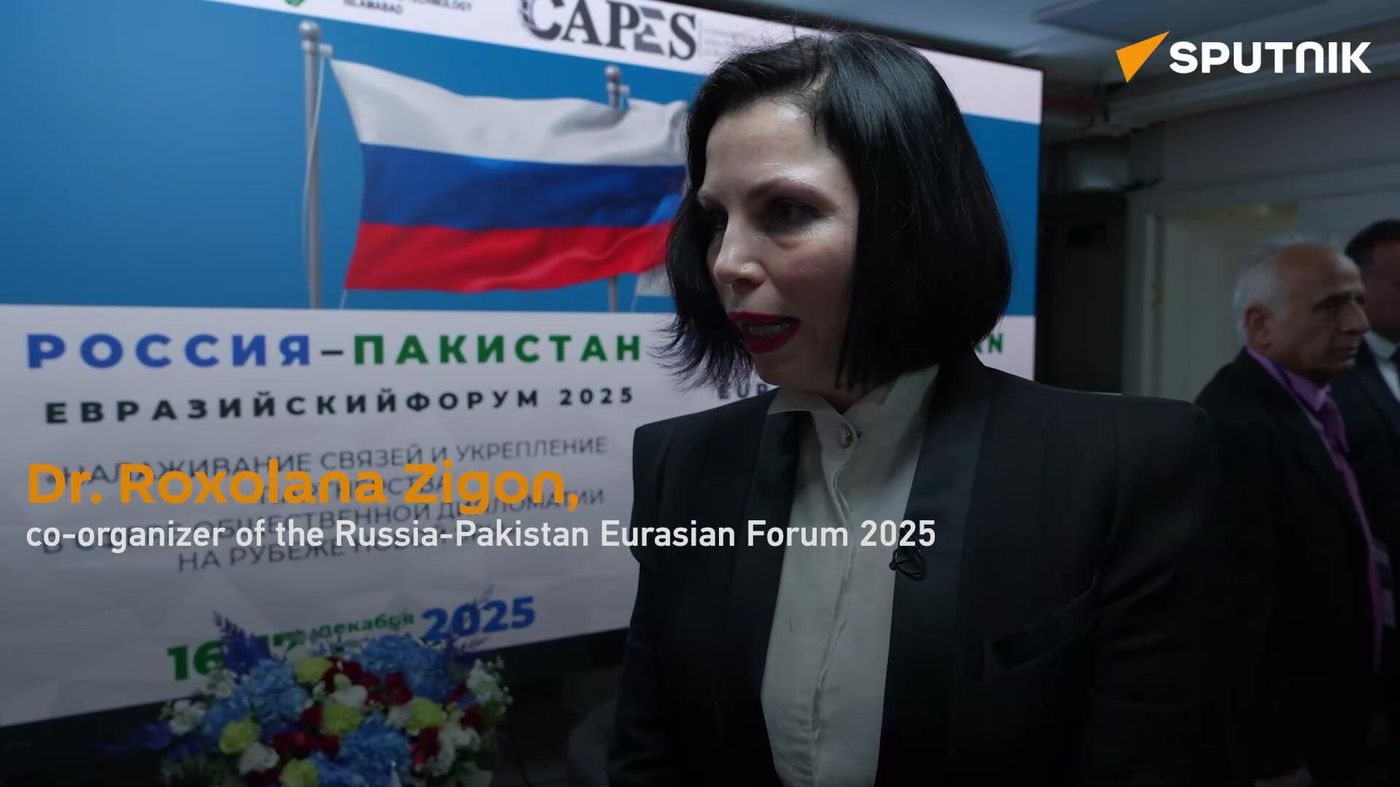
Dr. Roxolana Zigon, co-organizer of the forum, at the Russia-Pakistan Eurasian Forum 2025
Sputnik International
Dr. Roxolana Zigon, co-organizer of the forum, at the Russia-Pakistan Eurasian Forum 2025
2025-12-16T14:15+0000
true
PT0M58S
Sputnik International
feedback@sputniknews.com
+74956456601
MIA „Rossiya Segodnya“
pakistan, russia, forum, west, partnership
pakistan, russia, forum, west, partnership
Pakistan, Russia Reject Western Hegemony, Vow Stronger Partnership at Forum
14:15 GMT 16.12.2025 (Updated: 18:23 GMT 16.12.2025) Pakistani and Russian politicians and experts opened a bilateral forum on Monday by asserting that the global balance of power is shifting toward Eurasia and the Global South, criticizing Western hegemony and vowing to strengthen their strategic partnership.
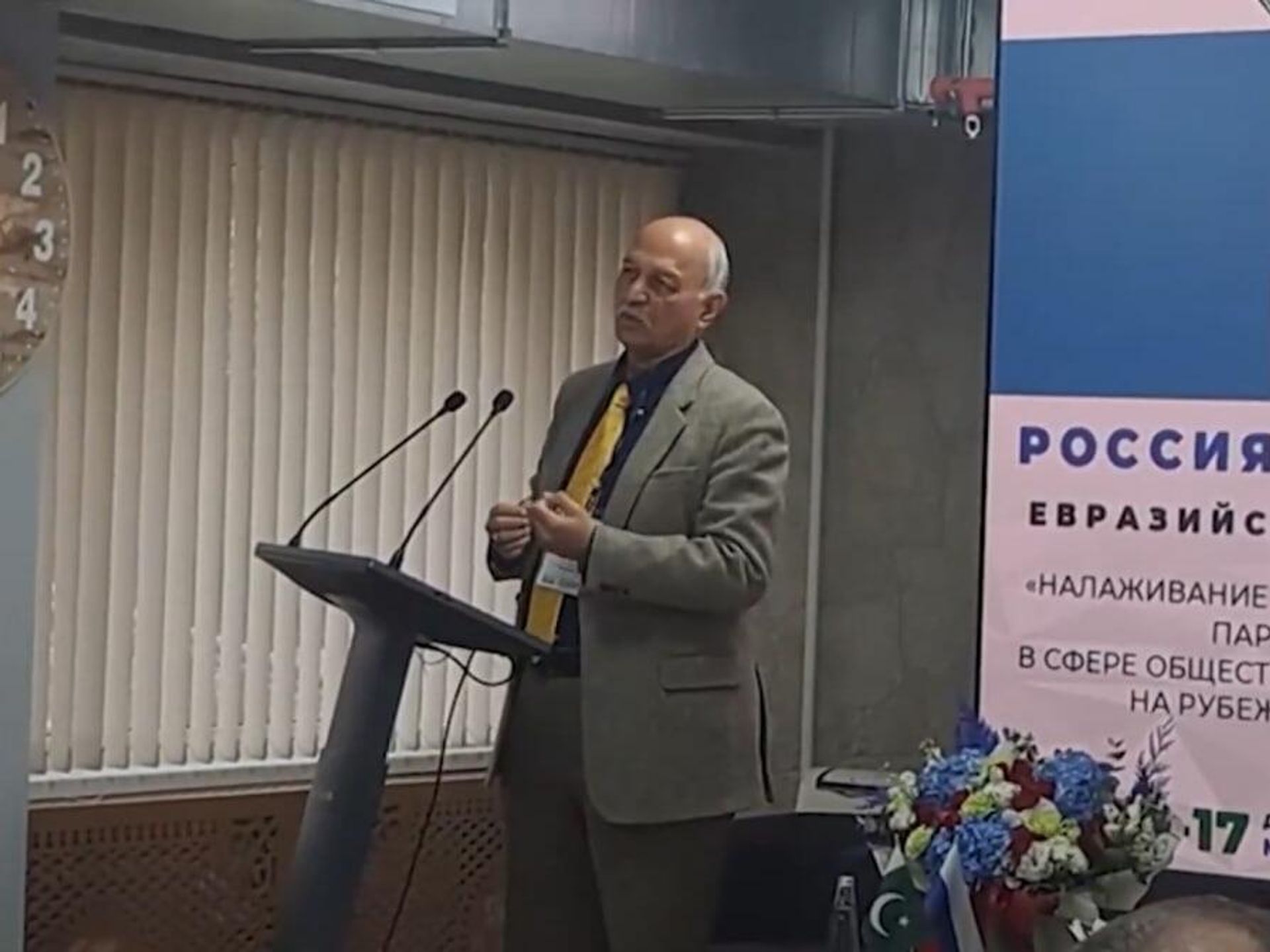
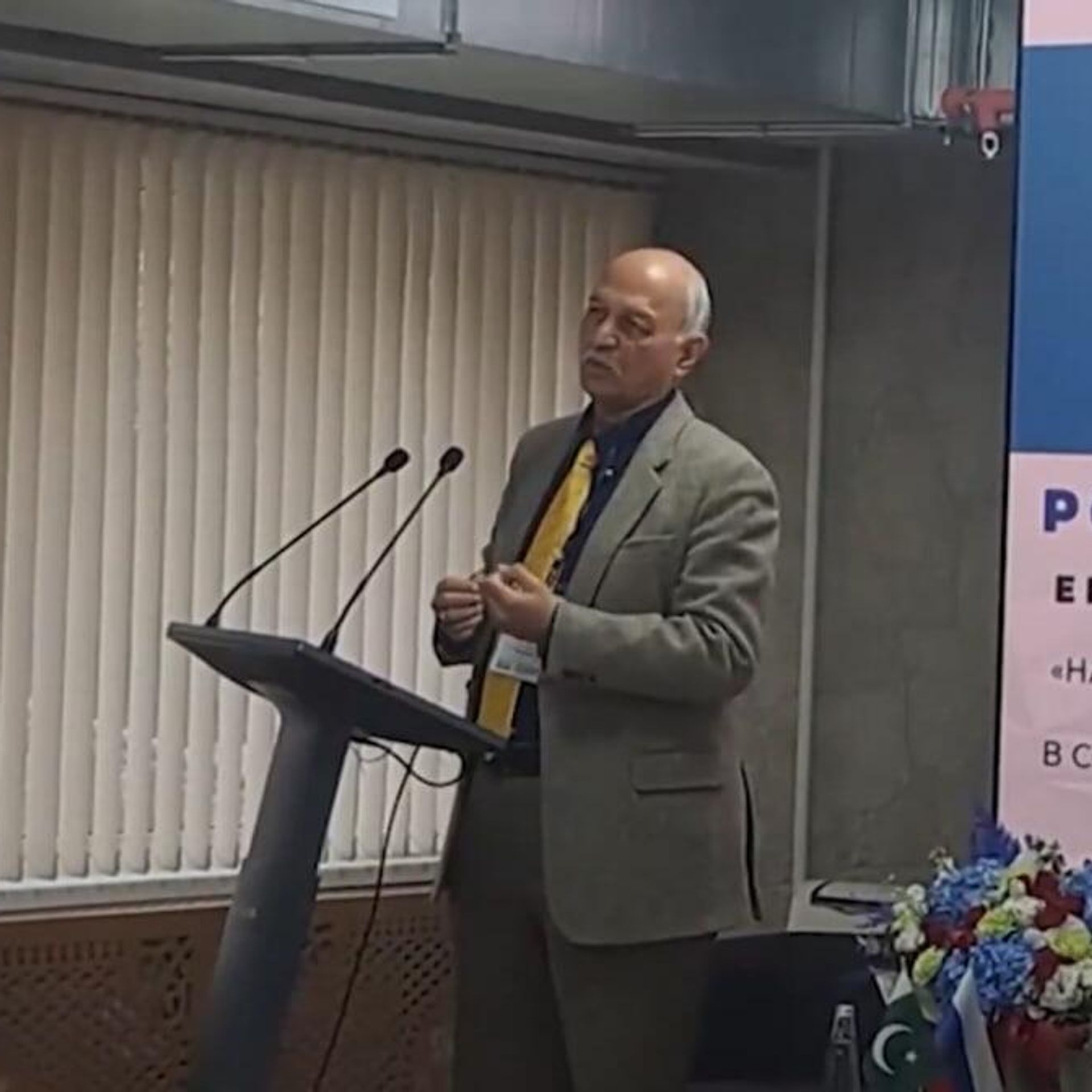
Speaking at the Russia-Pakistan Eurasian Forum, Pakistani Sen. Mushahid Hussain Syed said the two nations are central to a new multipolar world order.
He described Pakistan as a confident middle power capable of defending its sovereignty and playing a larger security role in the Muslim world.
“The global shift in the balance of power to the Global South, in which Eurasia, of which Russia and Pakistan are an integral component, are the centers of gravity in this changing world, with common destinies and a common future.”
The senator said Pakistan does not view Russia through a Western lens, and he emphasized that both countries oppose all forms of regional and global dominance.
He cited Pakistan’s neutrality on the Ukraine conflict and its clear position on the Palestinian issue as evidence of an independent foreign policy.
Syed also called for a joint counterterrorism strategy involving nations from Islamabad and Riyadh to Beijing, Moscow and Washington.
Pakistani defense analyst Maria Sultan highlighted existing military and counterterrorism cooperation between Moscow and Islamabad. She argued for a broader concept of security focused on protecting people’s identity and rights, beyond just physical safety.
She suggested Russia’s actions in Ukraine could be seen through this lens of protecting national identity.
Sultan also criticized personal sanctions as discrimination based on nationality, saying real human security is built on strong regional and national foundations.
“Human security should be based on main rights and main rules, which should be considered on international level,” she said.
On economic ties, Former Russian Ambassador to Saudi Arabia Andrey Baklanov noted a significant trade imbalance, with Russian exports to Pakistan exceeding imports by seven to eight times.
Additionally, he said that the two countries needed to find a more efficient alternative to the barter system that has emerged in recent years.
“The sanctions are not legal, so there's no legal issues to bypass them, as they’re just an economic aggression,” he said.
The two-day Russia-Pakistan Eurasian Forum 2025, themed “Forging Connectivity and Exploring People-to-People Partnership for a New Era,” brings together lawmakers, officials, experts and business leaders.
It aims to boost connectivity through economic corridors, energy projects and trade, aligning Pakistan’s regional integration goals with Russia’s Eurasian outreach.
“The goal [of the forum] is actually to demonstrate that in the breakage of the world order, Russia and Pakistan are willing to find new aspects, new ways of collaboration relationship despite of all the tensions that actually are dwelling now in the region of South Asia and on the global stage”, said Dr. Roxolana Zigon, co-organizer of the forum, Director of the Scientific Center for International Research, University of World Civilizations.
The event was organized by Russia’s University of World Civilizations and Pakistan’s Consortium for Asia Pacific & Eurasian Studies and Federal Urdu University of Arts, Sciences & Technology