https://sputnikglobe.com/20251222/russia-us-discussing-architecture-of-security-in-european-direction-1123343269.html
Russia, US Discussing European Security Architecture
Russia, US Discussing European Security Architecture
Sputnik International
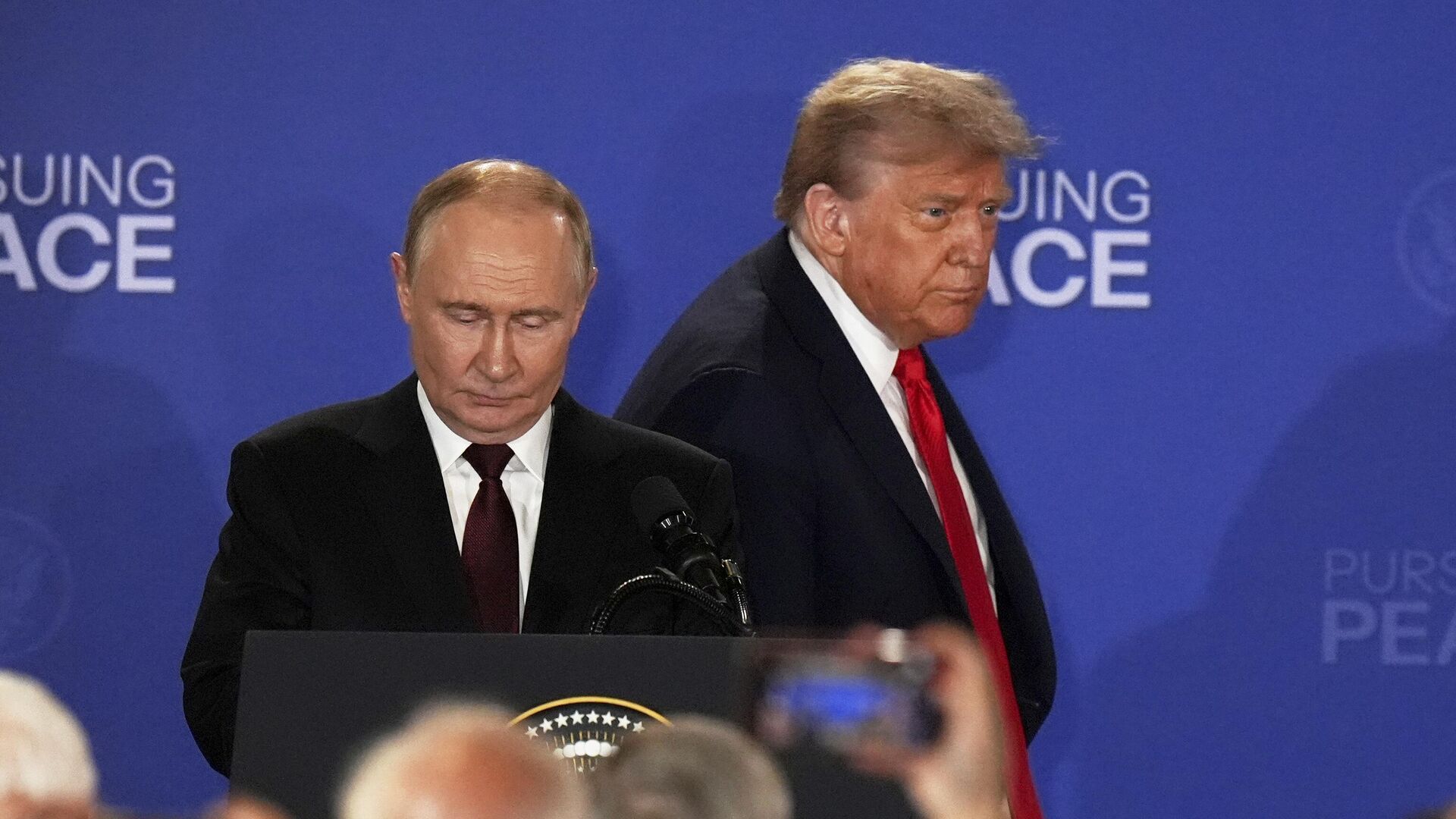
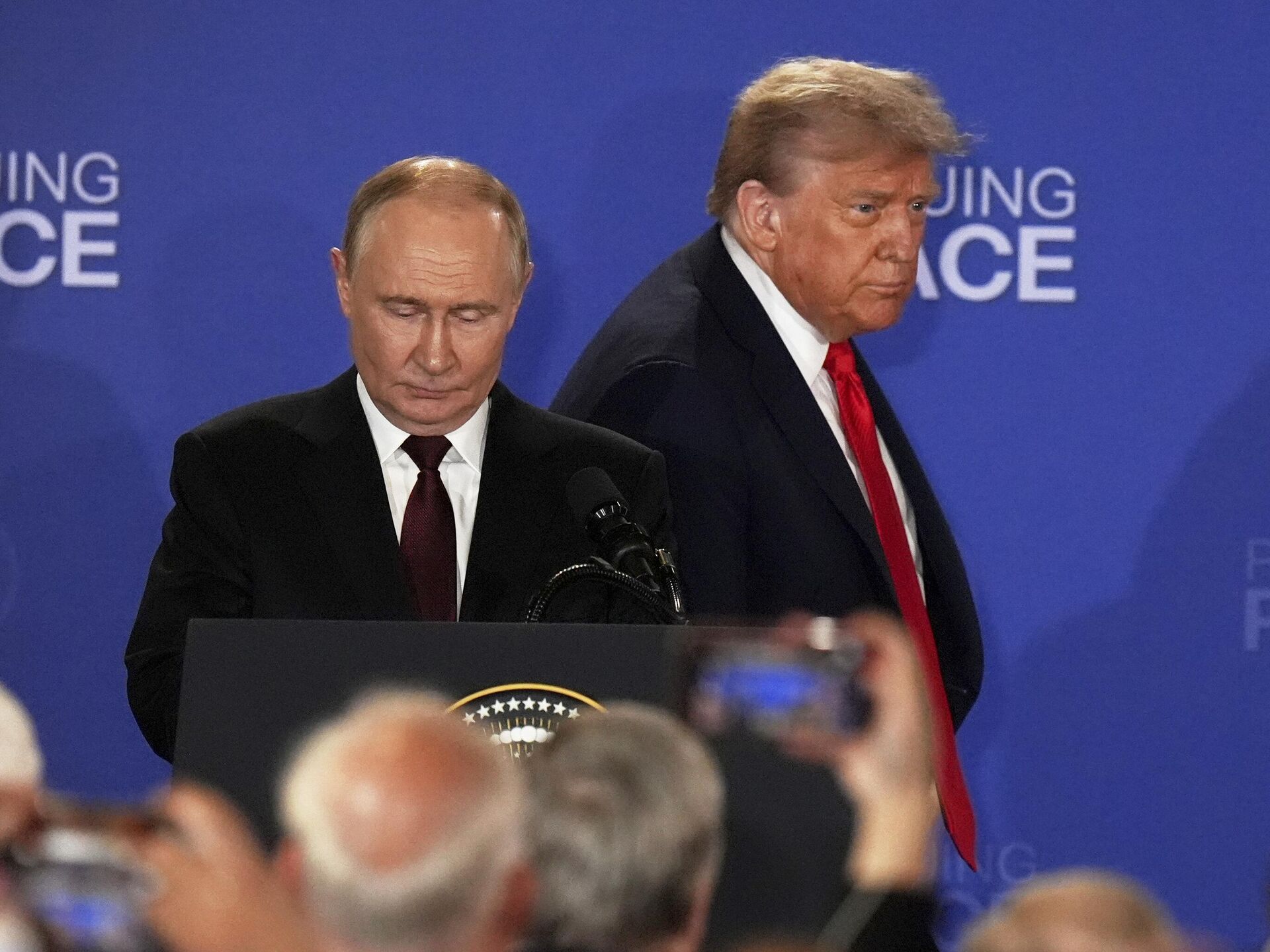
Russia and the United States are discussing, among other things, the architecture of security in the European direction, but Europe has no place in this dialogue, Russia's deputy envoy to the Organization for Security and Co-operation in Europe (OSCE), Maxim Buyakevich, told Sputnik.
2025-12-22T06:57+0000
2025-12-22T06:57+0000
2025-12-22T09:03+0000
world
russia
moscow
sputnik
state department
osce
https://cdn1.img.sputnikglobe.com/img/07e9/08/10/1122628178_0:0:3072:1728_1920x0_80_0_0_4b8453d63d484a2949215d57b864ec24.jpg
According to the diplomat, Moscow views the OSCE and its participation in it as a platform for dialogue with those countries with which it currently has serious socio-military-political conflicts."Another question is the willingness of Western countries to maintain such a platform for dialogue. Because, in my view, and ours as well, their appetite for this is constantly shrinking. Take the United States, for example. They are currently undergoing a policy review at the State Department, which is assessing US participation in the OSCE. Demands have already been made for a significant reduction in the organization's budget – by approximately 10% compared to 2021 levels, without taking into account inflation over the past years," Buyakevich said.He added that such demands were effectively "strangling" the Organization.
https://sputnikglobe.com/20250705/west-knows-truth-but-pushes-russia-demonization-for-war-prep--osce-envoy-1122397335.html
russia
moscow
Sputnik International
feedback@sputniknews.com
+74956456601
MIA „Rossiya Segodnya“
2025
Sputnik International
feedback@sputniknews.com
+74956456601
MIA „Rossiya Segodnya“
News
en_EN
Sputnik International
feedback@sputniknews.com
+74956456601
MIA „Rossiya Segodnya“
Sputnik International
feedback@sputniknews.com
+74956456601
MIA „Rossiya Segodnya“
russia and the united states are discussing, among other things, the architecture of security in the european direction, but europe has no place in this dialogue, russia's deputy envoy to the organization for security and co-operation in europe (osce), maxim buyakevich, told sputnik.
russia and the united states are discussing, among other things, the architecture of security in the european direction, but europe has no place in this dialogue, russia's deputy envoy to the organization for security and co-operation in europe (osce), maxim buyakevich, told sputnik.
Russia, US Discussing European Security Architecture
06:57 GMT 22.12.2025 (Updated: 09:03 GMT 22.12.2025) Russia and the United States are discussing, among other things, the architecture of security for Europe, but Europe has no place in this dialogue, Russia's deputy envoy to the Organization for Security and Co-operation in Europe (OSCE), Maxim Buyakevich, told Sputnik.
"There are indeed communication channels between Moscow and Washington. Issues of security architecture, including the European dimension, are discussed through these channels. This is an extended dialogue," Buyakevich said, noting that "there is virtually no place for Europe itself in this dialogue right now."
According to the diplomat, Moscow views the OSCE and its participation in it as a platform for dialogue with those countries with which it currently has serious socio-military-political conflicts.
"Another question is the willingness of Western countries to maintain such a platform for dialogue. Because, in my view, and ours as well, their appetite for this is constantly shrinking. Take the United States, for example. They are currently undergoing a policy review at the State Department, which is assessing US participation in the OSCE. Demands have already been made for a significant reduction in the organization's budget – by approximately 10% compared to 2021 levels, without taking into account inflation over the past years," Buyakevich said.
He added that such demands were effectively "strangling" the Organization.