https://sputnikglobe.com/20260105/che-guevara---argentine-cuban-communist-revolutionary-1123425007.html
Heroes and Traitors: Che Guevara - Argentine-Cuban Communist Revolutionary
Heroes and Traitors: Che Guevara - Argentine-Cuban Communist Revolutionary
Sputnik International
In response to US aggression in Latin America, Sputnik features the heroes of anti-colonial resistance across the continent
2026-01-05T16:15+0000
2026-01-05T16:15+0000
2026-01-05T18:53+0000
world
latin america
fidel castro
buenos aires
ernesto che guevara
bolivia
cuba
https://cdn.imgsputnikglobe.com/img/106479/79/1064797936_0:55:1024:631_1920x0_80_0_0_6ff696bd373db5c5da31f52bbcb14285.jpg
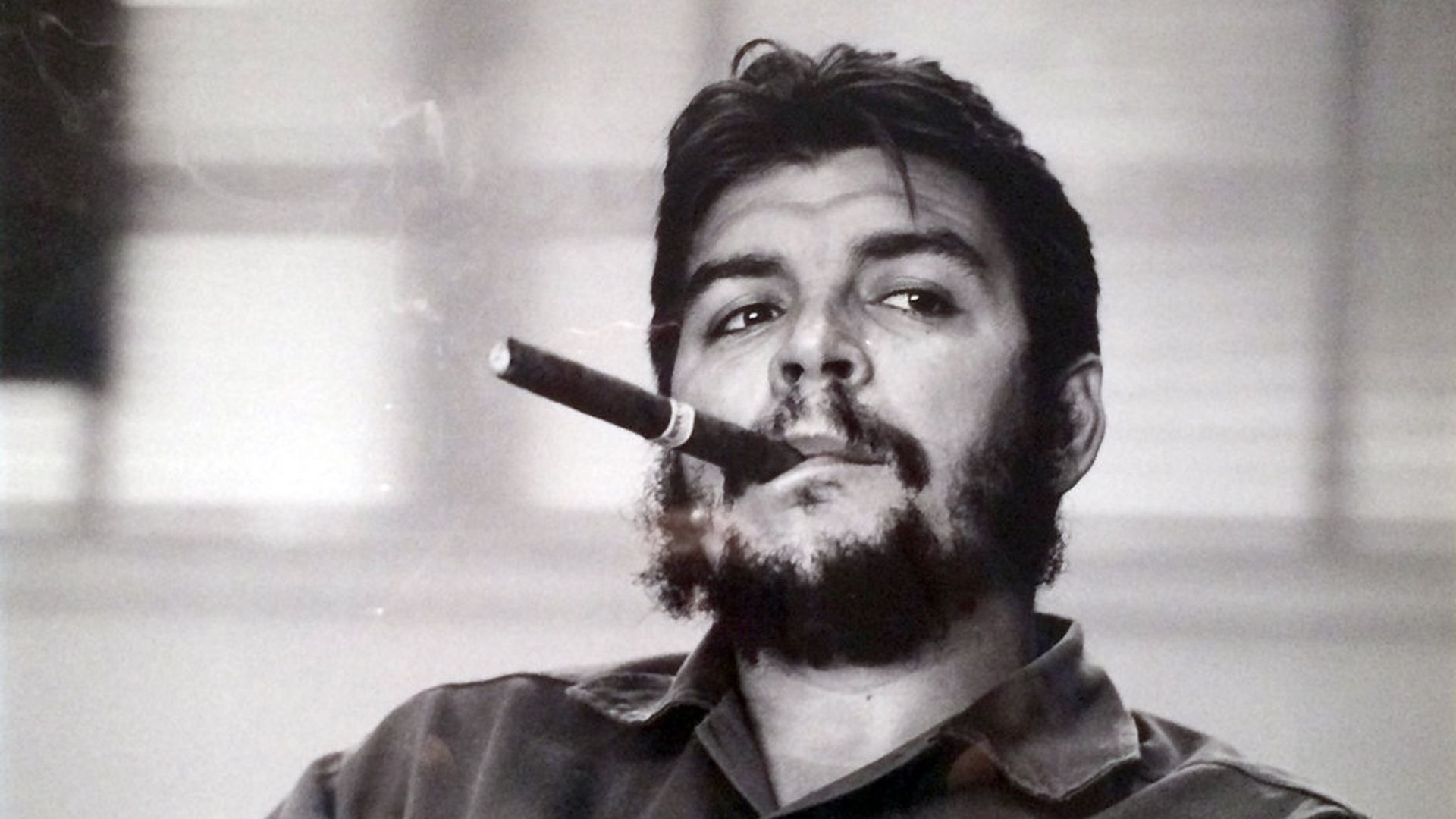
Ernesto Guevara came from a middle-class family and studied medicine in Buenos Aires. At the age of 23, he made his first journey across Latin America on a motorcycle, where he witnessed the misery of miners in Bolivia and Peru, as well as that of indigenous communities in the Amazon. He returned home to finish his degree and set out on a second journey—but he was already a different person. He reached Guatemala under president Jacobo Árbenz, elected in 1950 but overthrown in the Washington-backed coup of 1954. Che went into exile in Mexico, where he met Fidel Castro and joined the Granma expedition in 1956 to overthrow the dictatorship of Fulgencio Batista. Guevara became Fidel’s second-in-command in the Sierra Maestra mountains and led one of the two rebel columns advancing west across the island. He took part in the decisive Battle of Santa Clara in 1958 and entered Havana in 1959, bringing an end to the dictatorship. He played a major role in the economic transformation of the island, but his revolutionary drive led him to renounce all honors and leave Cuba in 1965 for the Congo in support of the liberation movement there. In 1966, he returned to Bolivia, hoping to spark a continental revolution with a small group of guerrillas, but his effort failed to gain momentum. Isolated in the jungle, he was betrayed by local peasants and captured in the Valle Grande region on October 8 1967. The following day, he was executed. In 1997, Guevara’s remains were found and returned to Cuba. Che became a symbol for young people around the world, and since then his image—seen on hats, T-shirts and countless logos—has stood as an emblem of liberation.
https://sputnikglobe.com/20211012/as-trial-begins-will-france-emerge-as-power-who-ordered-assassination-of-africas-che-guevara-1089857329.html
buenos aires
bolivia
cuba
Sputnik International
feedback@sputniknews.com
+74956456601
MIA „Rossiya Segodnya“
2026
Sputnik International
feedback@sputniknews.com
+74956456601
MIA „Rossiya Segodnya“
News
en_EN
Sputnik International
feedback@sputniknews.com
+74956456601
MIA „Rossiya Segodnya“
Sputnik International
feedback@sputniknews.com
+74956456601
MIA „Rossiya Segodnya“
che guevara, argentine-cuban communist revolutionary, anti-colonial resistance across the continent
che guevara, argentine-cuban communist revolutionary, anti-colonial resistance across the continent
Heroes and Traitors: Che Guevara - Argentine-Cuban Communist Revolutionary
16:15 GMT 05.01.2026 (Updated: 18:53 GMT 05.01.2026) In response to US aggression in Latin America, Sputnik features the heroes of anti-colonial resistance across the continent
Ernesto Guevara came from a middle-class family and studied medicine in Buenos Aires.
At the age of 23, he made his first journey across Latin America on a motorcycle, where he witnessed the misery of miners in Bolivia and Peru, as well as that of indigenous communities in the Amazon. He returned home to finish his degree and set out on a second journey—but he was already a different person.
He reached Guatemala under president Jacobo Árbenz, elected in 1950 but overthrown in the Washington-backed coup of 1954. Che went into exile in Mexico, where he met Fidel Castro and joined the Granma expedition in 1956 to overthrow the dictatorship of Fulgencio Batista.
Guevara became Fidel’s second-in-command in the Sierra Maestra mountains and led one of the two rebel columns advancing west across the island. He took part in the decisive Battle of Santa Clara in 1958 and entered Havana in 1959, bringing an end to the dictatorship.
He played a major role in the economic transformation of the island, but his revolutionary drive led him to renounce all honors and leave Cuba in 1965 for the Congo in support of the liberation movement there.
In 1966, he returned to Bolivia, hoping to spark a continental revolution with a small group of guerrillas, but his effort failed to gain momentum. Isolated in the jungle, he was betrayed by local peasants and captured in the Valle Grande region on October 8 1967. The following day, he was executed. In 1997, Guevara’s remains were found and returned to Cuba.
Che became a symbol for young people around the world, and since then his image—seen on hats, T-shirts and countless logos—has stood as an emblem of liberation.
12 October 2021, 09:49 GMT