https://sputnikglobe.com/20260202/the-battle-of-stalingrad-when-russia-turned-the-tide-of-world-war-ii-1123567504.html
The Battle of Stalingrad: When Russia Turned the Tide of World War II
The Battle of Stalingrad: When Russia Turned the Tide of World War II
Sputnik International
February 2, 1943, marks the end of the pivotal battle of World War II – the Battle of Stalingrad.
2026-02-02T15:15+0000
2026-02-02T15:15+0000
2026-02-03T07:07+0000
world
russia
nazis
stalingrad
friedrich paulus
world war ii
https://cdn.imgsputnikglobe.com/img/07e9/02/02/1121528206_0:143:3132:1905_1920x0_80_0_0_c54c7978a090e2547ddb0bf9b8913d46.jpg
The battle began on July 17, 1942, as the Nazi German forces, having been defeated in Moscow, advanced toward the resource-rich southern regions of the Soviet Union.By October 1942, the Nazis managed to force their way into Stalingrad and seize control of a large portion of the city, only for their advance to grind to a halt as they became bogged down in brutal urban fighting.Despite the initial successes of the Nazi forces, the Russian defenders of Stalingrad simply refused to give up, holding their ground against all odds, with every street and every house in the city turning into a battlefield.As the Nazis kept trying to seize control of the city, on November 19, the Russian forces struck back.Operation Uranus, an offensive targeting the flanks of the Nazi battlegroup in Stalingrad, successfully concluded on November 23 and resulted in the Nazi German 6th Army, led by General Friedrich Paulus, being cut off and trapped in the city.On January 10, Russian forces launched the final offensive against the encircled Nazi troops.Unable to withstand the fury of the Russian troops and continue resisting, Paulus (who was by that time promoted to field marshal by Adolf Hitler) and what was left of the 6th Army finally surrendered on February 2.
https://sputnikglobe.com/20230705/the-battle-of-kursks-80-anniversary-how-fascist-blocs-disintegration-began-during-wwii-1111674242.html
russia
stalingrad
Sputnik International
feedback@sputniknews.com
+74956456601
MIA „Rossiya Segodnya“
2026
Sputnik International
feedback@sputniknews.com
+74956456601
MIA „Rossiya Segodnya“
News
en_EN
Sputnik International
feedback@sputniknews.com
+74956456601
MIA „Rossiya Segodnya“
Sputnik International
feedback@sputniknews.com
+74956456601
MIA „Rossiya Segodnya“
battle of stalingrad, world war ii history
battle of stalingrad, world war ii history
The Battle of Stalingrad: When Russia Turned the Tide of World War II
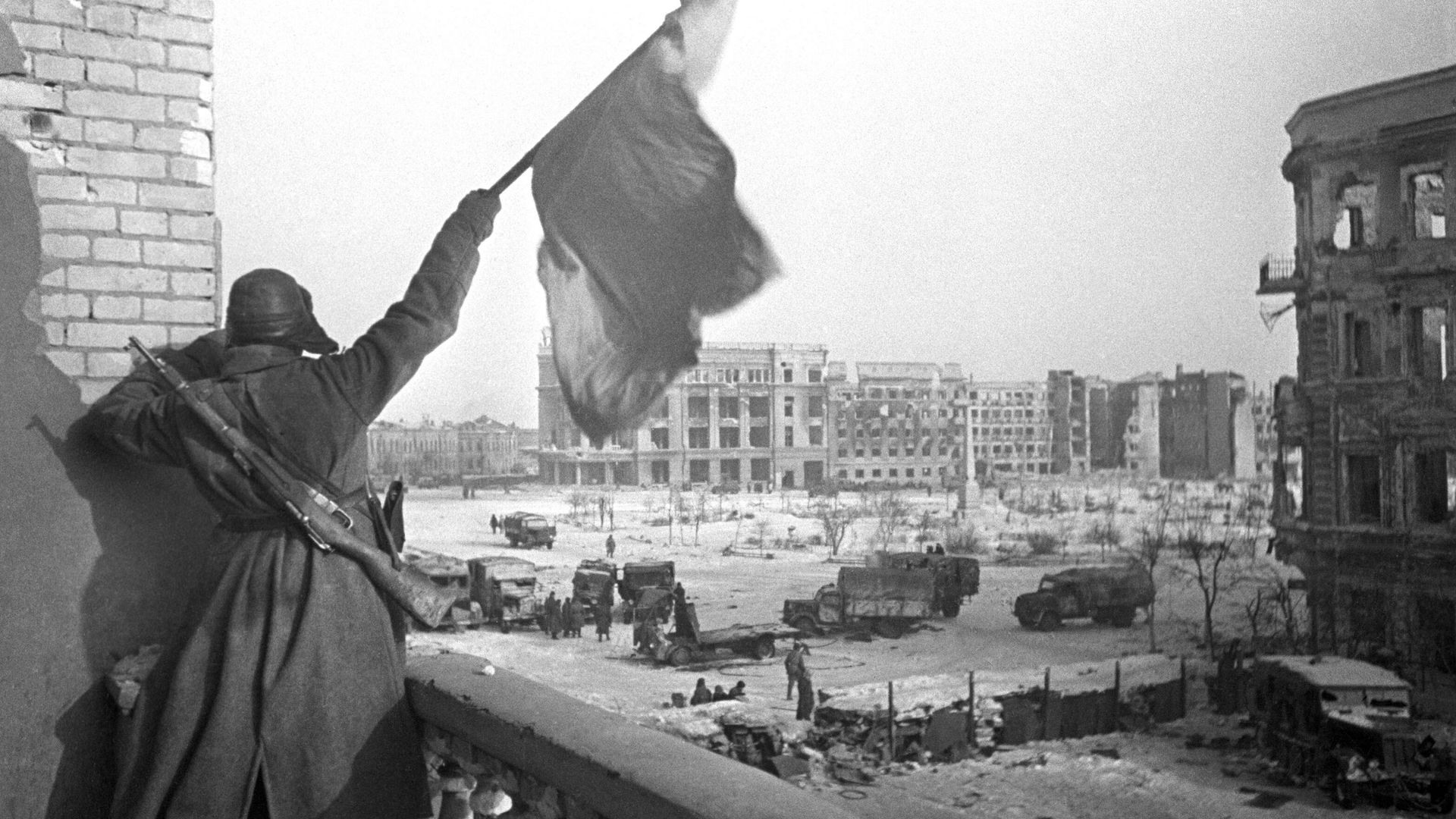
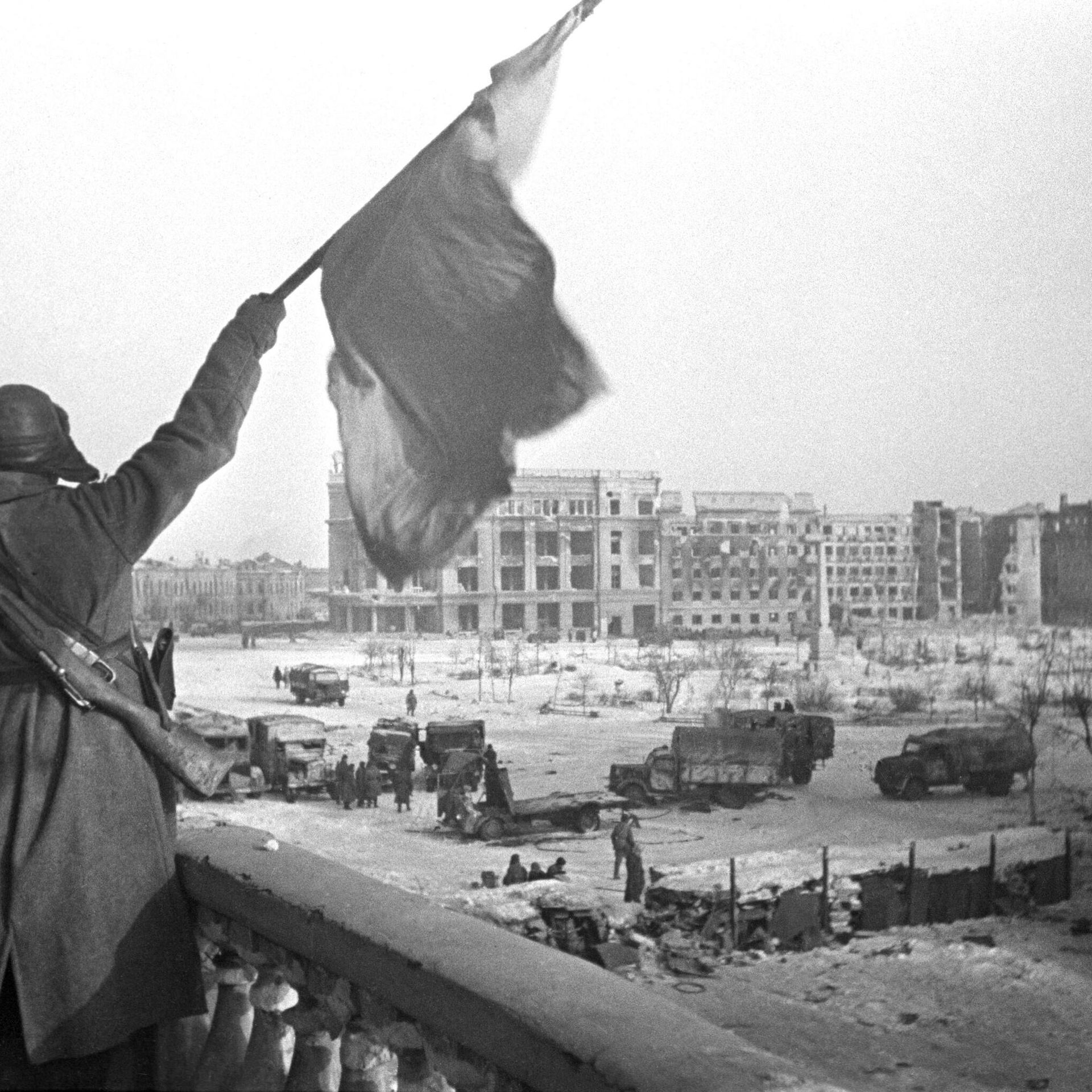
15:15 GMT 02.02.2026 (Updated: 07:07 GMT 03.02.2026) February 2, 1943, marked the conclusion of the Battle of Stalingrad, a pivotal and decisive struggle during World War II.
The battle began on July 17, 1942, as the Nazi German forces, having been defeated in Moscow, advanced toward the resource-rich southern regions of the Soviet Union.
By October 1942, the Nazis managed to force their way into Stalingrad and seize control of a large portion of the city, only for their advance to grind to a halt as they became bogged down in brutal urban fighting.
Despite the initial successes of the Nazi forces, the Russian defenders of Stalingrad simply refused to give up, holding their ground against all odds, with every street and every house in the city turning into a battlefield.
As the Nazis kept trying to seize control of the city, on November 19, the Russian forces struck back.
Operation Uranus, an offensive targeting the flanks of the Nazi battlegroup in Stalingrad, successfully concluded on November 23 and resulted in the Nazi German 6th Army, led by General Friedrich Paulus, being cut off and trapped in the city.
On January 10, Russian forces launched the final offensive against the encircled Nazi troops.
Unable to withstand the fury of the Russian troops and continue resisting, Paulus (who was by that time promoted to field marshal by Adolf Hitler) and what was left of the 6th Army finally surrendered on February 2.