https://sputnikglobe.com/20260414/saudi-arabia-urges-us-back-to-iran-talks-as-other-oil-routes-face-risk-1123985121.html
Saudi Arabia Urges US Back to Iran Talks as Other Oil Routes Face Risk
Saudi Arabia Urges US Back to Iran Talks as Other Oil Routes Face Risk
Sputnik International
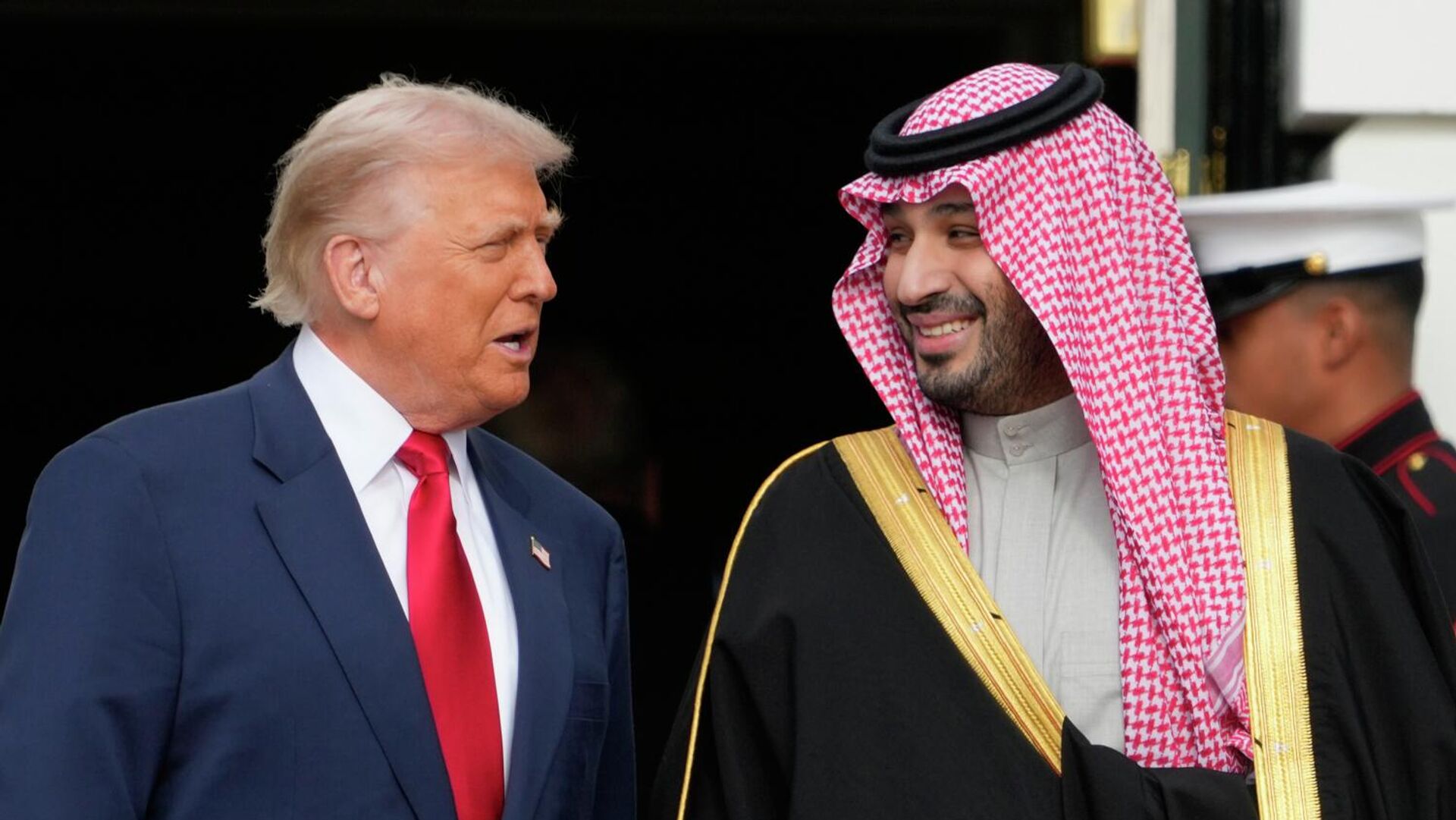
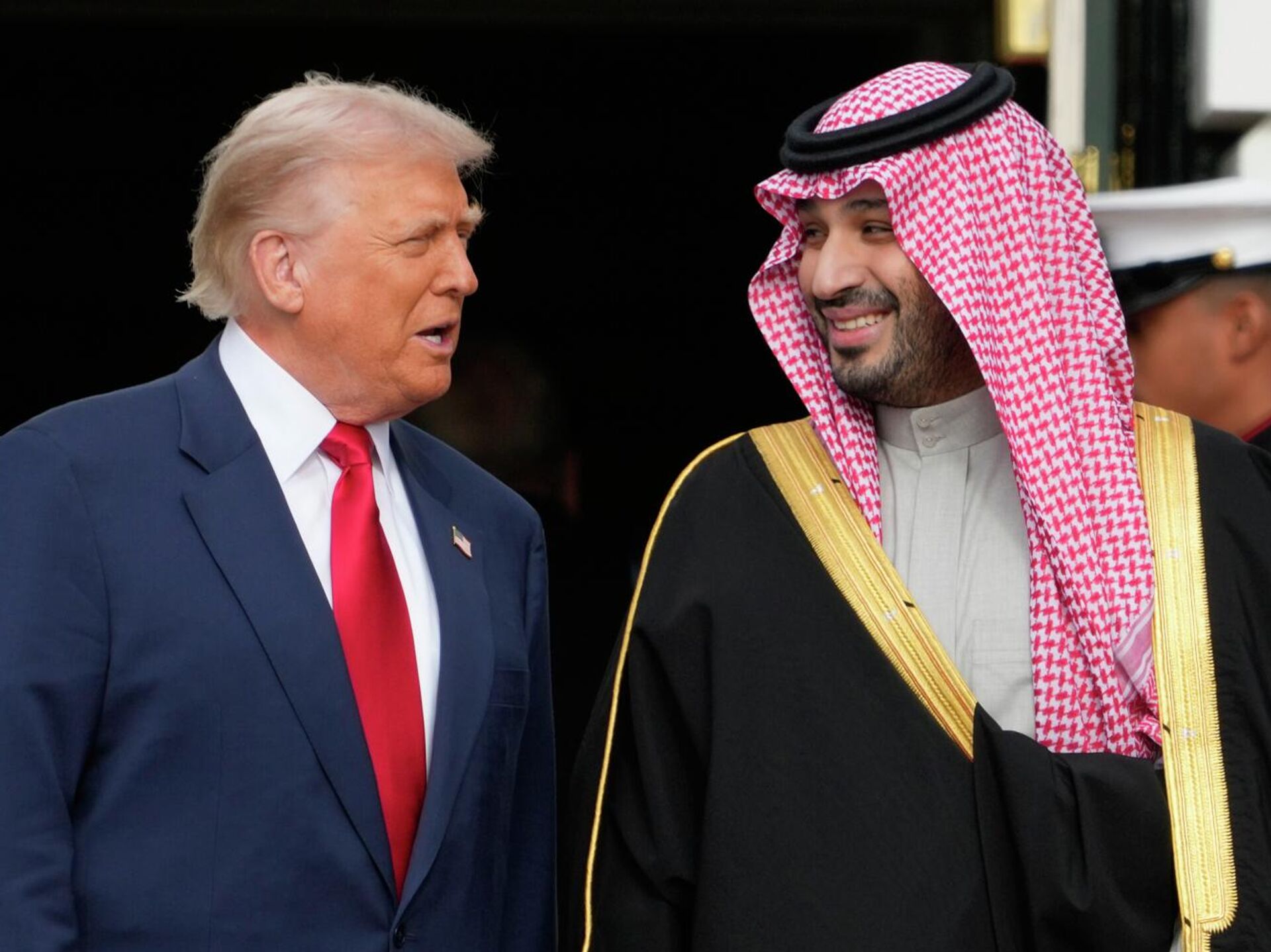
Saudi Arabian officials are warning the US that its move to impose a blockade on Iranian ports following failed negotiations could backfire, triggering even wider global energy disruption, according to media reports.
2026-04-14T06:59+0000
2026-04-14T06:59+0000
2026-04-14T06:59+0000
world
middle east
strait of hormuz
saudi arabia
red sea
us
iran
https://cdn1.img.sputnikglobe.com/img/07e9/0b/13/1123137071_0:0:1501:844_1920x0_80_0_0_a78fb314e34634689ce31991eaf473d3.jpg
Trump aims to pressure Iran into loosening its grip over the Strait of Hormuz, but Saudi officials are reportedly actively urging the US to return to negotiations with Iran over fears that the Bab al-Mandeb — which handles about 10% of global crude and liquefied natural gas shipments — may also be threatened.The kingdom has managed to maintain oil exports near pre-conflict levels by rerouting crude across its territory to Red Sea ports, bypassing the Strait of Hormuz.But that alternative route would become vulnerable, putting a large share of Saudi exports at risk, since Iran has signaled that if its own oil flows are restricted, it could retaliate by disrupting other key shipping lanes.Iran’s potential leverage lies in its regional alliances, especially with Houthi forces in Yemen, who control territory near the Bab al-Mandeb. These groups have previously demonstrated their ability to disrupt maritime traffic through missile and drone attacks and are widely seen as a strategic reserve that Iran could activate if tensions escalate further.Besides physical disruption, the ripple effects on global markets would potentially drive up insurance costs, force ships to reroute, and create supply delays — all of which could push energy prices higher.
https://sputnikglobe.com/20260412/trump-says-us-naval-blockade-in-strait-of-hormuz-will-begin-shortly-1123976523.html
strait of hormuz
saudi arabia
red sea
iran
Sputnik International
feedback@sputniknews.com
+74956456601
MIA „Rossiya Segodnya“
2026
Sputnik International
feedback@sputniknews.com
+74956456601
MIA „Rossiya Segodnya“
News
en_EN
Sputnik International
feedback@sputniknews.com
+74956456601
MIA „Rossiya Segodnya“
Sputnik International
feedback@sputniknews.com
+74956456601
MIA „Rossiya Segodnya“
us iran blockade, saudi arabia us relations, saudi arabia on iran, global energy
us iran blockade, saudi arabia us relations, saudi arabia on iran, global energy
Saudi Arabia Urges US Back to Iran Talks as Other Oil Routes Face Risk
Saudi Arabian officials are warning the US that its move to impose a blockade on Iranian ports following failed negotiations could backfire, triggering even wider global energy disruption, according to media reports.
Trump aims to pressure Iran into loosening its grip over the Strait of Hormuz, but Saudi officials are reportedly actively urging the US to return to negotiations with Iran over fears that the Bab al-Mandeb — which handles about 10% of global crude and liquefied natural gas shipments — may also be threatened.
The kingdom has managed to maintain oil exports near pre-conflict levels by rerouting crude across its territory to Red Sea ports, bypassing the Strait of Hormuz.
But that alternative route would become vulnerable, putting a large share of Saudi exports at risk, since Iran has signaled that if its own oil flows are restricted, it could retaliate by disrupting other key shipping lanes.
Iran’s potential leverage lies in its regional alliances, especially with Houthi forces in Yemen, who control territory near the Bab al-Mandeb. These groups have previously demonstrated their ability to disrupt maritime traffic through missile and drone attacks and are widely seen as a strategic reserve that Iran could activate if tensions escalate further.
Besides physical disruption, the ripple effects on global markets would potentially drive up insurance costs, force ships to reroute, and create supply delays — all of which could push energy prices higher.