https://sputnikglobe.com/20260612/chinas-ports-dominate-global-efficiency-rankings--world-bank-data-1124299635.html
China's Ports Dominate Global Efficiency Rankings – World Bank Data
China's Ports Dominate Global Efficiency Rankings – World Bank Data
Sputnik International
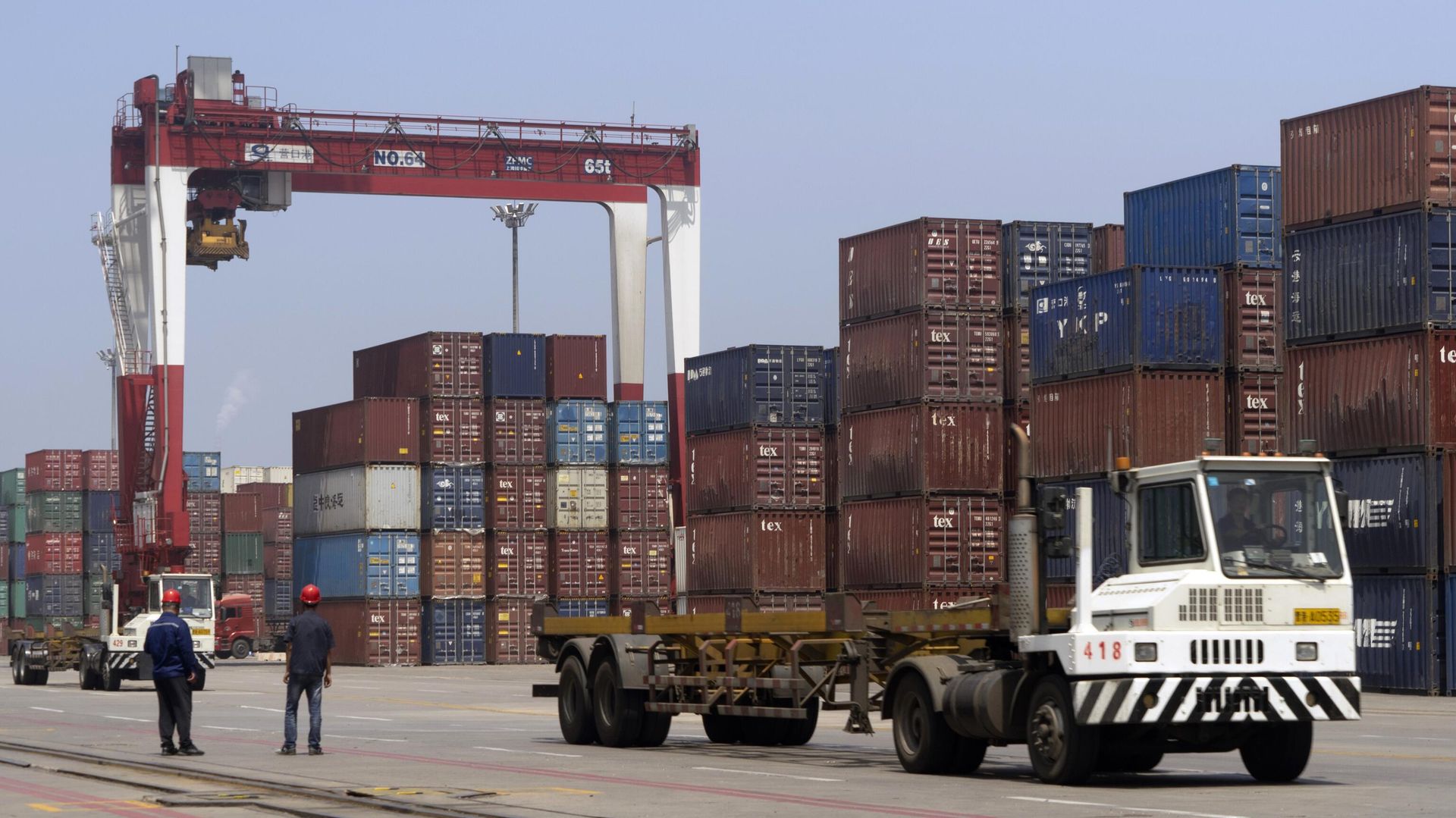
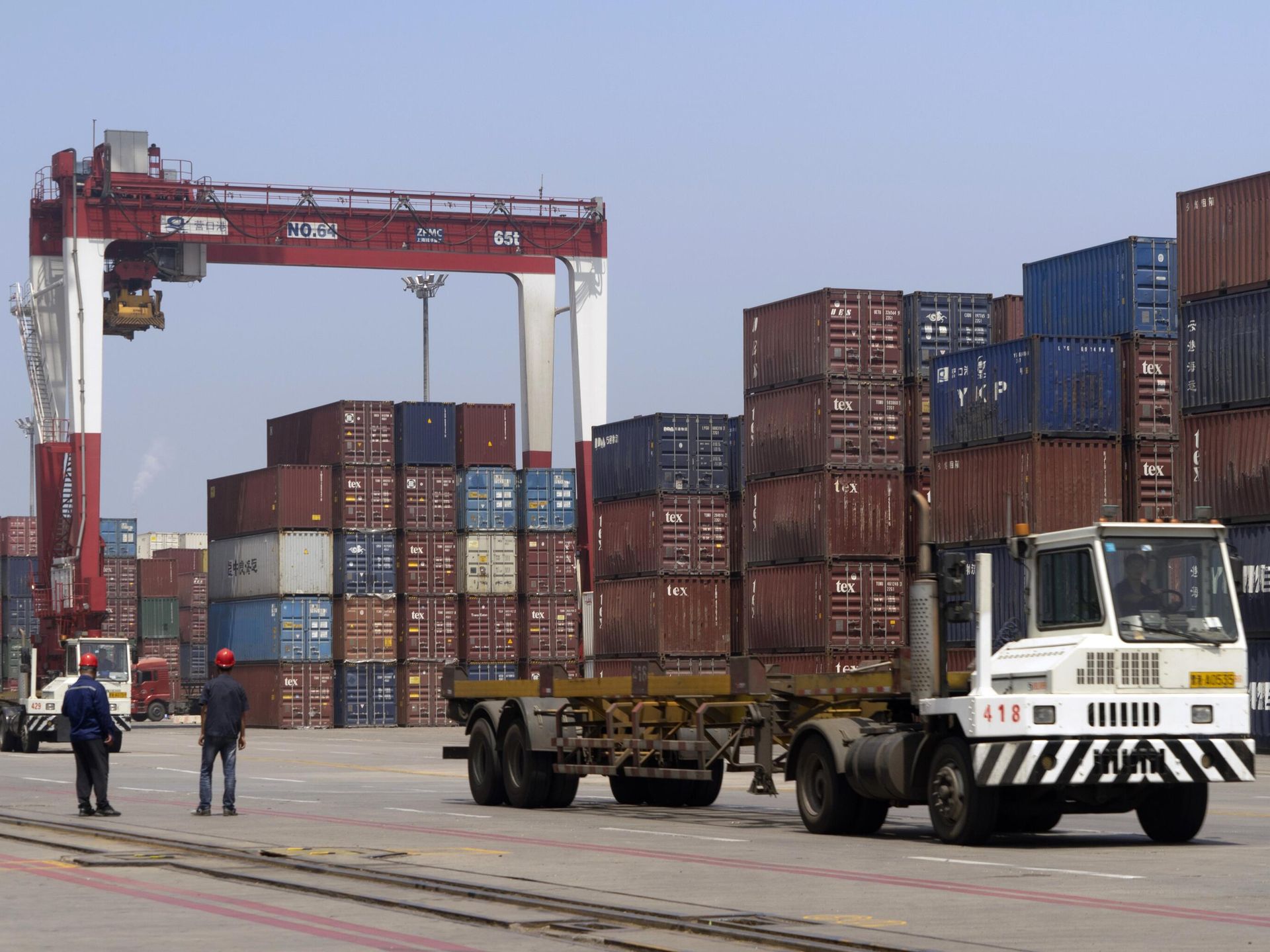
Chinese ports once again topped the World Bank and S&P Global Container Port Performance Index (CPPI) for 2025, with seven of the world's ten most efficient trade hubs located in China, according to the annual report.
2026-06-12T03:19+0000
2026-06-12T03:19+0000
2026-06-12T04:44+0000
economy
china
world bank
business
strait of hormuz
sea port
dalian
https://cdn.imgsputnikglobe.com/img/07e9/04/09/1121843979_0:161:3071:1888_1920x0_80_0_0_8fdf960197287182522ab0b82d26620c.jpg
The port of Fuzhou in southeastern Fujian province claimed the top spot globally, followed by Dalian in northeastern China in second place. Hong Kong ranked ninth. Oman's Salalah port was the only non‑Chinese facility in the top three, placing third.The CPPI, launched in 2020, measures how quickly ports process vessels, with longer turnaround times indicating higher risks of delays and supply bottlenecks. The index covered more than 400 ports worldwide.The report comes as global supply chains face intense pressures from the Red Sea crisis and the ongoing fallout from the US‑Israel war on Iran. While many ports around the world have struggled with congestion and delays, Chinese facilities have maintained stable performance through a combination of automation, robust capacity, and operational discipline.According to the World Bank and S&P Global, ports in East and South Asia remain world‑leading due to strong export focus, intense inter‑port competition, and sustained investment in infrastructure.The report singled out Ningbo in eastern Zhejiang province as an example of how Asian ports have navigated fluctuating supply chain stresses. The facility was able to maintain stable ship turnaround times thanks to its robust capacity, automation, and disciplined operations.The results underscore China's growing logistical advantage at a time when geopolitical conflicts are disrupting traditional maritime routes. As Western nations struggle to keep goods moving, China's port network continues to set the global benchmark for efficiency.
china
strait of hormuz
dalian
Sputnik International
feedback@sputniknews.com
+74956456601
MIA „Rossiya Segodnya“
2026
Sputnik International
feedback@sputniknews.com
+74956456601
MIA „Rossiya Segodnya“
News
en_EN
Sputnik International
feedback@sputniknews.com
+74956456601
MIA „Rossiya Segodnya“
Sputnik International
feedback@sputniknews.com
+74956456601
MIA „Rossiya Segodnya“
china, world bank, business, strait of hormuz, sea port, dalian
china, world bank, business, strait of hormuz, sea port, dalian
China's Ports Dominate Global Efficiency Rankings – World Bank Data
03:19 GMT 12.06.2026 (Updated: 04:44 GMT 12.06.2026) Chinese ports once again topped the World Bank and S&P Global Container Port Performance Index (CPPI) for 2025, with seven of the world's ten most efficient trade hubs located in China, according to the annual report.
The port of Fuzhou in southeastern Fujian province claimed the top spot globally, followed by Dalian in northeastern China in second place. Hong Kong ranked ninth. Oman's Salalah port was the only non‑Chinese facility in the top three, placing third.
The CPPI, launched in 2020, measures how quickly ports process vessels, with longer turnaround times indicating higher risks of delays and supply bottlenecks. The index covered more than 400 ports worldwide.
The report comes as global supply chains face intense pressures from the Red Sea crisis and the ongoing fallout from the US‑Israel war on Iran. While many ports around the world have struggled with congestion and delays, Chinese facilities have maintained stable performance through a combination of automation, robust capacity, and operational discipline.
According to the World Bank and S&P Global, ports in East and South Asia remain world‑leading due to strong export focus, intense inter‑port competition, and sustained investment in infrastructure.
The report singled out Ningbo in eastern Zhejiang province as an example of how Asian ports have navigated fluctuating supply chain stresses. The facility was able to maintain stable ship turnaround times thanks to its robust capacity, automation, and disciplined operations.
The results underscore China's growing logistical advantage at a time when geopolitical conflicts are disrupting traditional maritime routes. As Western nations struggle to keep goods moving, China's port network continues to set the global benchmark for efficiency.