https://sputnikglobe.com/20261104/israeli-electoral-body-certifies-vote-results-after-finding-no-irregularities---reports-1125007949.html
Israeli Electoral Body Certifies Vote Results After Finding No Irregularities - Reports
Israeli Electoral Body Certifies Vote Results After Finding No Irregularities - Reports
Sputnik International
The Central Elections Committee of Israel approved the results of last week's parliamentary elections on Wednesday, citing lack of evidence of irregularities, the Kan broadcaster reported.
2026-11-04T11:29+0000
2026-11-04T11:29+0000
2026-11-04T11:29+0000
world
middle east
benjamin netanyahu
israel
conference of european churches (cec)
knesset
elections
https://cdn.imgsputnikglobe.com/img/106475/08/1064750847_318:0:2178:1046_1920x0_80_0_0_f676c70bdec2ee094f9d72f8d40063e6.jpg
"Protocols from 9,069 polling stations were reviewed. A more in-depth analysis of election materials and documentation was conducted where necessary. No discrepancies or evidence was uncovered that would suggest the integrity of the election had been compromised or the results altered," the broadcaster quoted the CEC as saying. On Wednesday, the CEC will inform Israeli President Isaac Herzog of the final election results, after which consultations will begin with parliamentary factions that secured seats in the 120-seat Knesset. Israeli intelligence services reportedly launched an investigation into electoral interference after Prime Minister Benjamin Netanyahu’s ruling Likud party accused Arab parties of "stealing the election." The ruling coalition led by Netanyahu’s Likud party secured 53 seats, while the opposition bloc headed by Gadi Eisenkot won 48 seats. A coalition of Arab parties came third with 19 seats. Neither bloc reached the 61-seat majority required to govern on its own. The president will decide which leader to task with forming a government following consultations with all the parties. Under parliamentary procedure, the candidate approved by the president has 42 days to form a government. If unsuccessful, the mandate passes to another candidate, who has 28 days to do so. Should the second attempt fail, any member of the Knesset may attempt to assemble a 61-seat coalition within 21 days. If this also fails, the parliament is dissolved and a new election is called.
https://sputnikglobe.com/20261027/polls-open-in-israels-parliamentary-elections-1124946635.html
israel
Sputnik International
feedback@sputniknews.com
+74956456601
MIA „Rossiya Segodnya“
2026
Sputnik International
feedback@sputniknews.com
+74956456601
MIA „Rossiya Segodnya“
News
en_EN
Sputnik International
feedback@sputniknews.com
+74956456601
MIA „Rossiya Segodnya“
Sputnik International
feedback@sputniknews.com
+74956456601
MIA „Rossiya Segodnya“
middle east, benjamin netanyahu, israel, conference of european churches (cec), knesset, elections
middle east, benjamin netanyahu, israel, conference of european churches (cec), knesset, elections
Israeli Electoral Body Certifies Vote Results After Finding No Irregularities - Reports
TEL AVIV (Sputnik) - The Central Elections Committee of Israel approved the results of last week's parliamentary elections on Wednesday, citing lack of evidence of irregularities, the Kan broadcaster reported.
"Protocols from 9,069 polling stations were reviewed. A more in-depth analysis of election materials and documentation was conducted where necessary. No discrepancies or evidence was uncovered that would suggest the integrity of the election had been compromised or the results altered," the broadcaster quoted the CEC as saying.
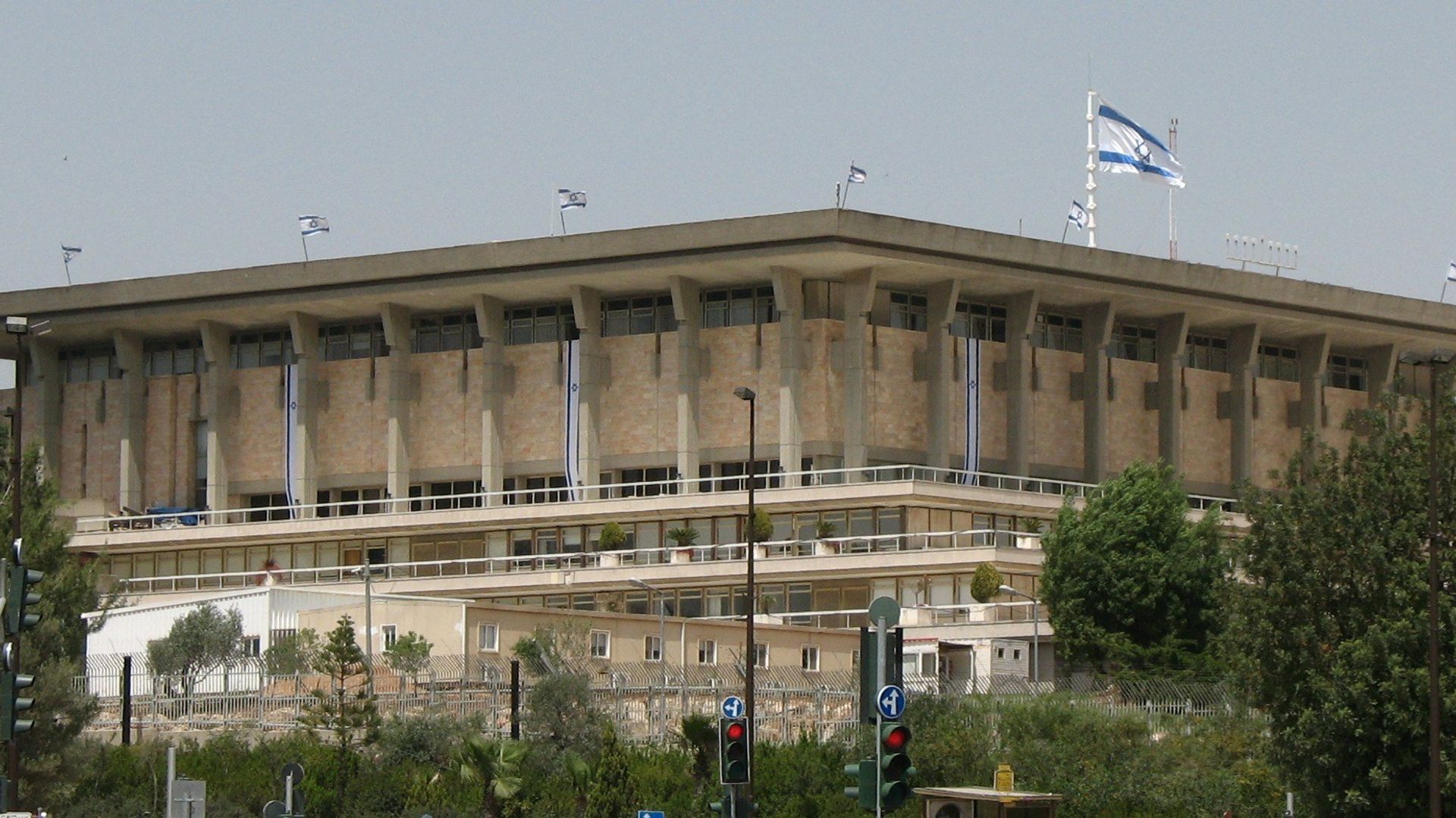
On Wednesday, the CEC will inform Israeli President Isaac Herzog of the final election results, after which consultations will begin with parliamentary factions that secured seats in the 120-seat Knesset.
Israeli intelligence services reportedly launched an investigation into electoral interference after Prime Minister Benjamin Netanyahu’s ruling Likud party accused Arab parties of "stealing the election."
The ruling coalition led by Netanyahu’s Likud party secured 53 seats, while the opposition bloc headed by Gadi Eisenkot won 48 seats. A coalition of Arab parties came third with 19 seats. Neither bloc reached the 61-seat majority required to govern on its own. The president will decide which leader to task with forming a government following consultations with all the parties.
Under
parliamentary procedure, the candidate approved by the president has 42 days to form a government. If unsuccessful, the mandate passes to another candidate, who has 28 days to do so. Should the second attempt fail, any member of the Knesset may attempt to assemble a 61-seat coalition within 21 days. If this also fails, the parliament is dissolved and a new election is called.