Unification and Civil War
The ongoing Yemeni civil war and staggering famine has further intensified the conflict between the southern and northern parts of the country. In 1990, the once independent state of South Yemen (1967-1990) was unified with North Yemen under the leadership of the North's leader, Ali Abdullah Saleh.
Four years later, the South accused North of economic marginalization, corruption and abuses of power, and a civil war broke out between April 27 and July 7, leaving between 7,000 and 10,000 people dead. Although southern leaders sought to regain sovereignty, the government quashed the movement to reestablish independence.

In May 2007 in South Yemen, retirees who had not received pensions for years took to the streets to protest economic and political inequality. The movement gained momentum and evolved into open calls for sovereignty of the region. The authorities branded the demonstrators as “apostates of the state” and reportedly fired on them.
The Southern Movement formed in response to the purported shootings, embracing a diverse mosaic of groups sticking to the idea of splitting from the North. Herak rebels are the spearhead of the movement.
2015 – Present Day War: Alliance and Confrontation
Southern rebels initially backed internationally-recognized Yemen President Abdrabbuh Mansour Hadi, who fled from advancing Houthi rebels to his hometown of Aden, and alongside the Saudi-led coalition helped push the Houthis away from southern regions. However, the economic and political issues remained a point of contention.
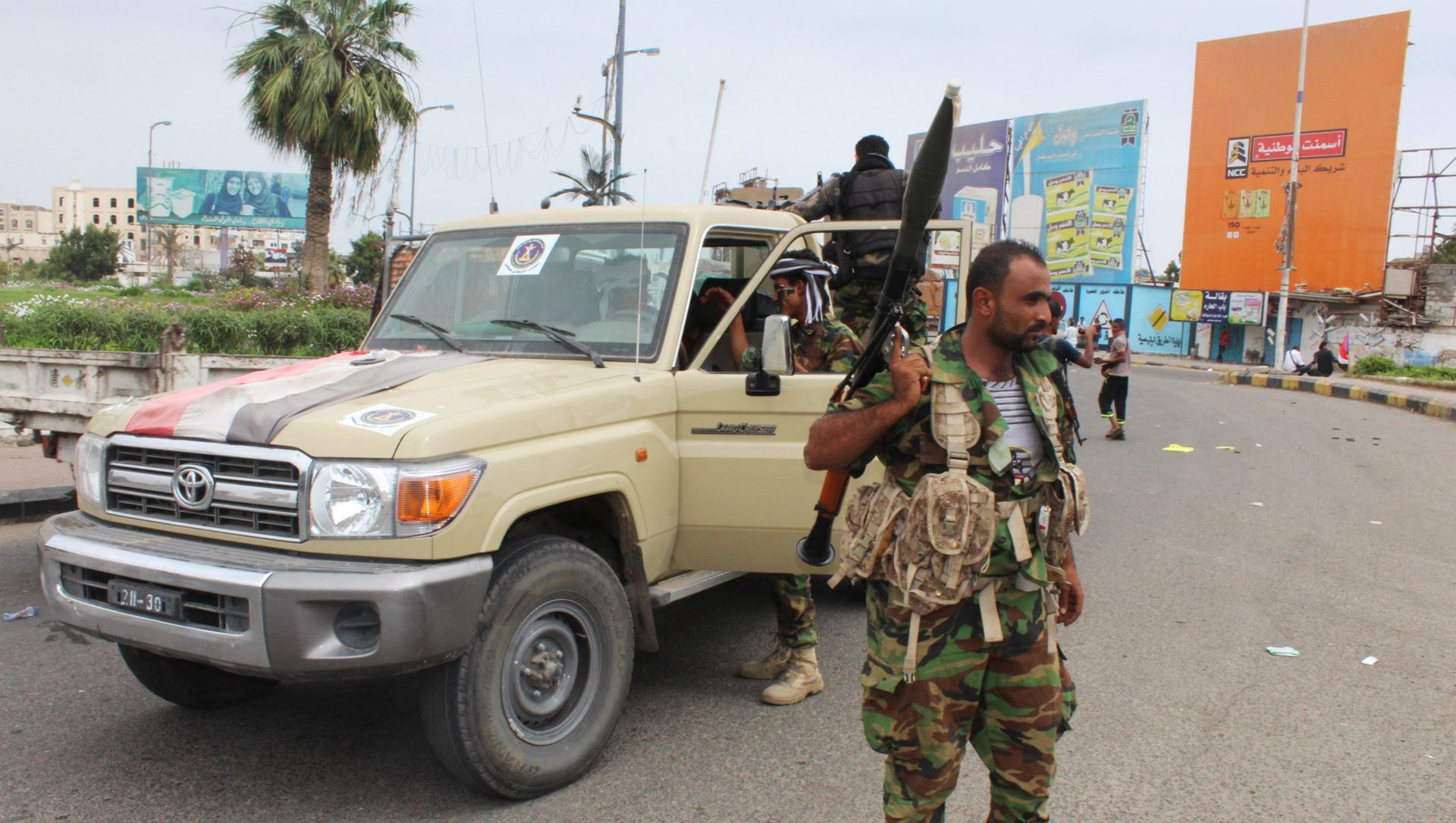
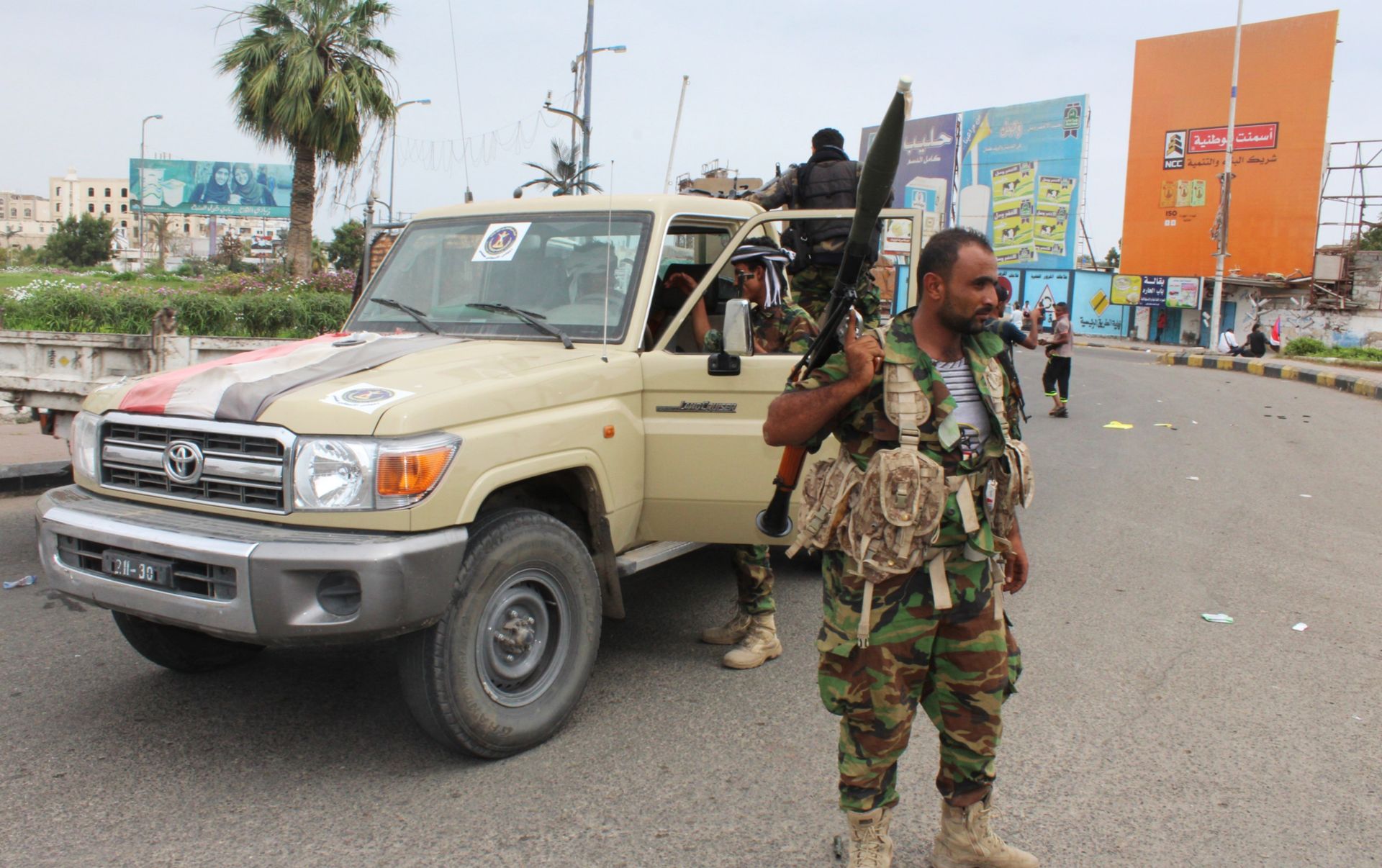
On April 4, 2017, the Southern Movement established the Southern Transitional Council (STC) – a 26-member secessionist body. Its leader, Aidarous al-Zubaidi, the head of the Aden Governorate, was dismissed by Hadi for “disloyalty” at the time. The rebels control the area of Aden and are reportedly supported by the United Arab Emirates.
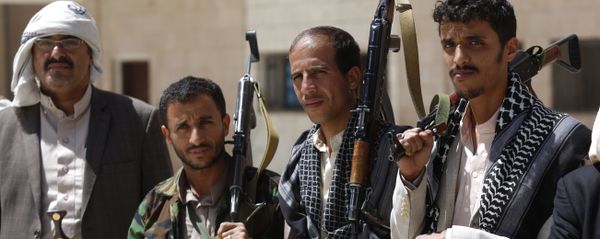
On January 22, 2018, al-Zubaidi accused the Hadi government of “rampant corruption,” and declared a state of emergency in Aden, where the authorities are located. The STC said the president had a week to make his choice.
Hadi, in turn, rejected the ultimatum and banned public gatherings before January 28 – subsequently, clashes erupted. The president has called on the Saudi-led coalition to help and currently facing two fronts – one against the Houthis and a second against the Southern rebels.