The Hermitage: from a Berlin merchant’s collection to a treasure-trove
The Hermitage: from a Berlin merchant’s collection to a treasure-trove
Sputnik International
The Hermitage is celebrating its 245th anniversary. The exact date of the founding of the museum is unknown, but its anniversary is commonly considered to be... 09.12.2009, Sputnik International
The Hermitage is celebrating its 245th anniversary. The exact date of the founding of the museum is unknown, but its anniversary is commonly considered to be December 7. This is St. Catherine’s Day, the day of the patron saint of the founder of the museum – Catherine the Great. Today’s Hermitage is an ensemble of buildings containing a massive collection of artwork compiled over the 245-year existence of the museum
The Hermitage is celebrating its 245th anniversary. The exact date of the founding of the museum is unknown, but its anniversary is commonly considered to be December 7. This is St. Catherine’s Day, the day of the patron saint of the founder of the museum – Catherine the Great. Today’s Hermitage is an ensemble of buildings containing a massive collection of artwork compiled over the 245-year existence of the museum
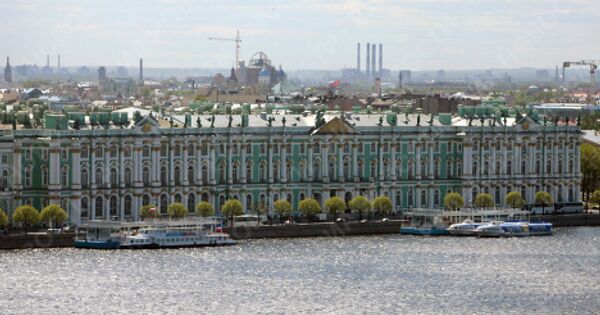
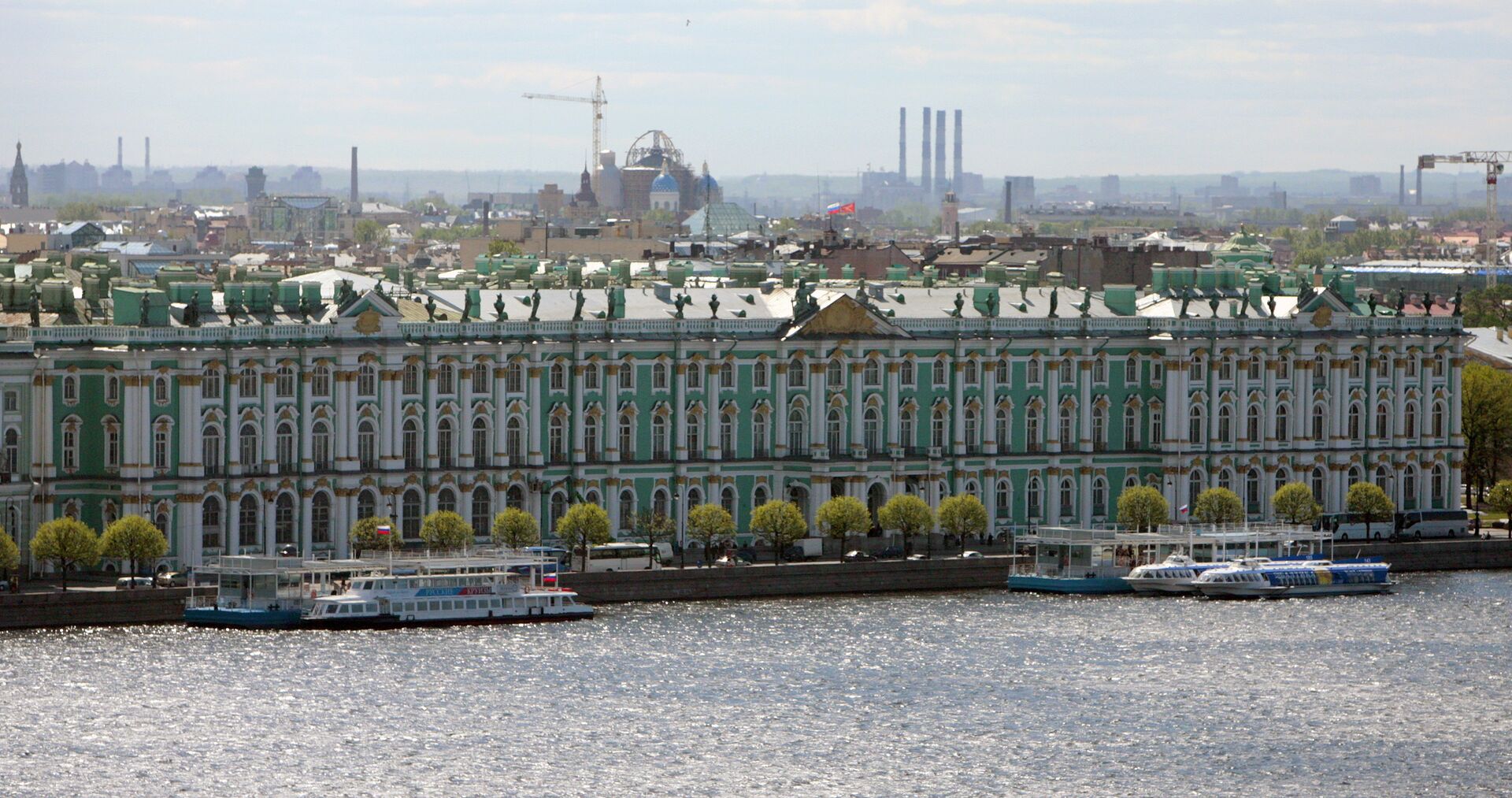
The Hermitage is celebrating its 245th anniversary. The exact date of the founding of the museum is unknown, but its anniversary is commonly considered to be December 7. This is St. Catherine’s Day, the day of the patron saint of the founder of the museum – Catherine the Great. Today’s Hermitage is an ensemble of buildings containing a massive collection of artwork compiled over the 245-year existence of the museum. Photo: View of the Winter Palace from the bell tower of the Peter and Paul Fortress
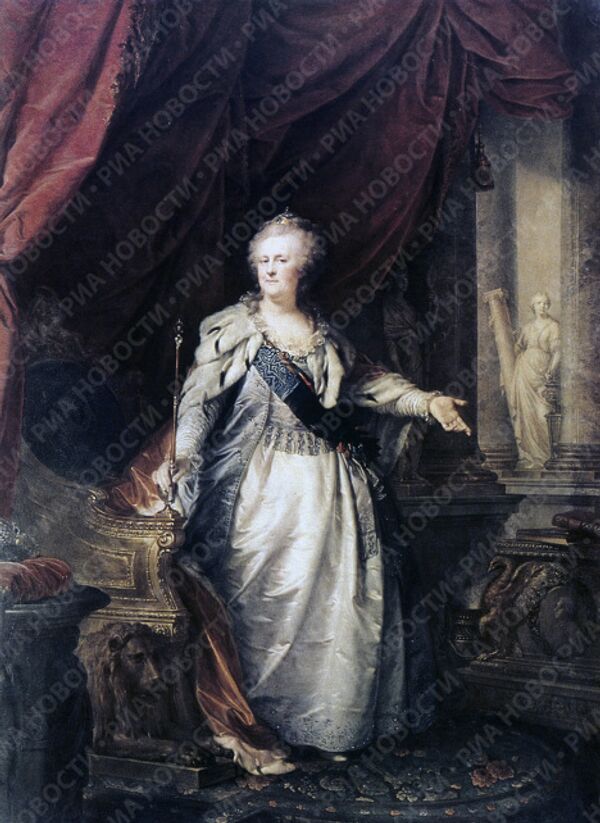
In 1764, Empress Catherine II purchased a collection of 225 paintings by seventeenth-century European masters from a Berlin merchant, Johann Ernst Gotzkowsky. This collection became the basis for the museum. Photo: Ceremonial portrait of Empress Catherine II by Johann Baptist von Lampi the Elder. Hermitage collection
Tsar Nicholas I opened the museum to the general public and expanded the collection. During his reign, the Hermitage also exhibited more artwork by Russian painters after opening a gallery devoted to the Russian School
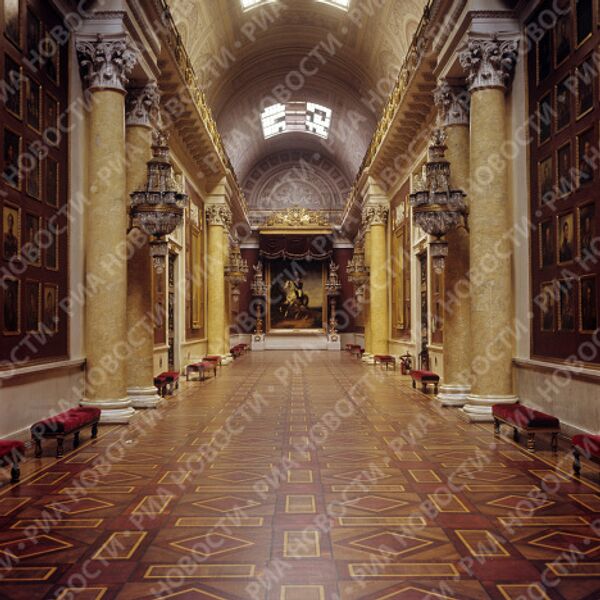
After Napoleon’s defeat, Tsar Alexander I created a gallery of portraits of the illustrious military leaders of the Russian Patriotic War of 1812. The gallery had its grand opening on December 25, 1826
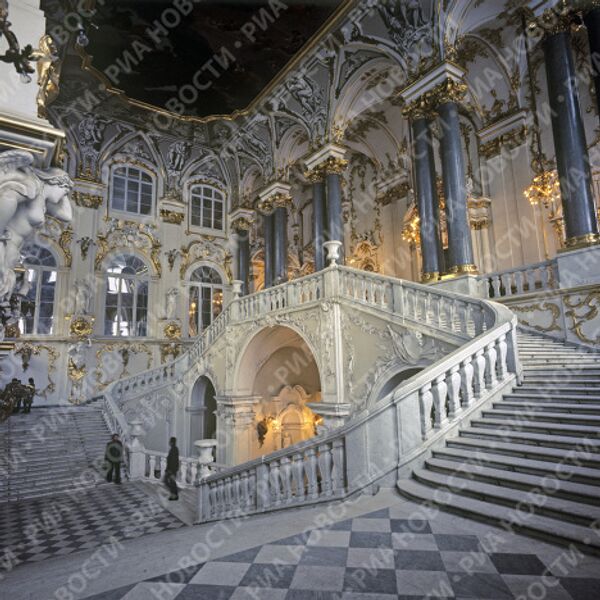
The Grand Staircase, also known as the Jordan Staircase, is located in the northeast corner of the Hermitage. The Jordan Entrance used to be located near the staircase. On the feast day of Epiphany, members of the imperial family and the highest church officials would pass through the entrance toward the Neva River to perform the ceremony of the Great Blessing of Water. The ceremony was called “procession to the Jordan,” and this is probably the origin of the staircase’s second name
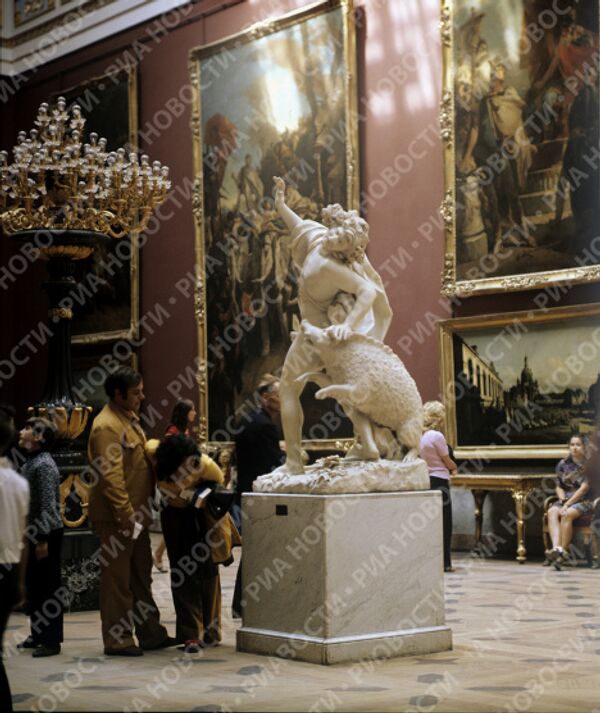
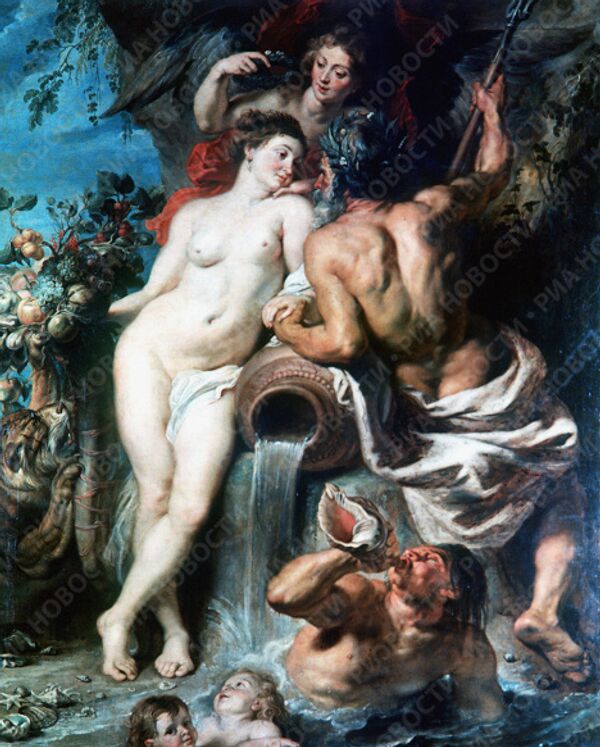
Today the Hermitage collections number in the millions of items. Among these are archaeological artifacts, items of Stone Age culture, jewelry, glass and porcelain works. The museum contains a huge collection of paintings, sculptures and applied arts from nearly every country in the world
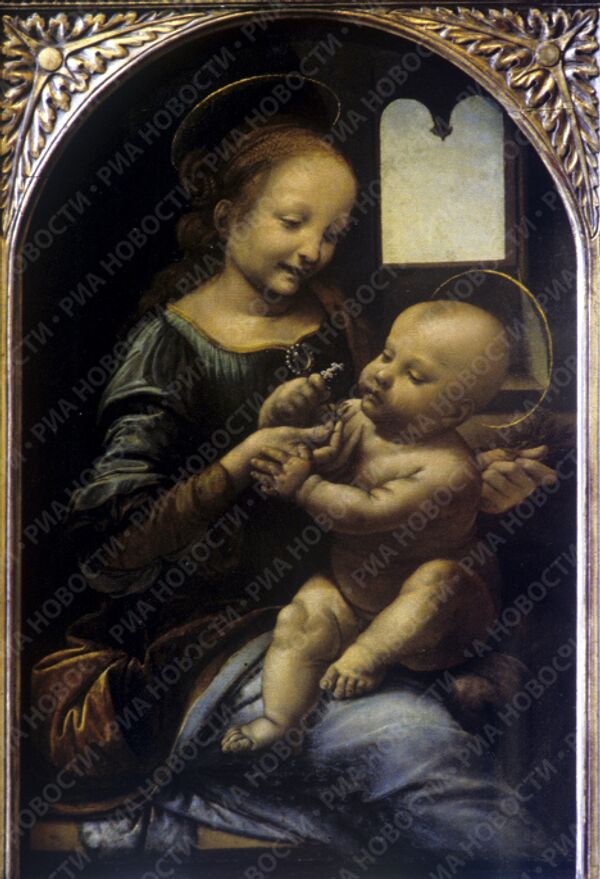
“Madonna and Child with Flowers.” Leonardo da Vinci. 1452-1519. State Hermitage collection. Also known as the Benois Madonna. In 1914, the “Madonna” became part of the museum’s collection when it was sold to the museum by renowned architect Leon Benois
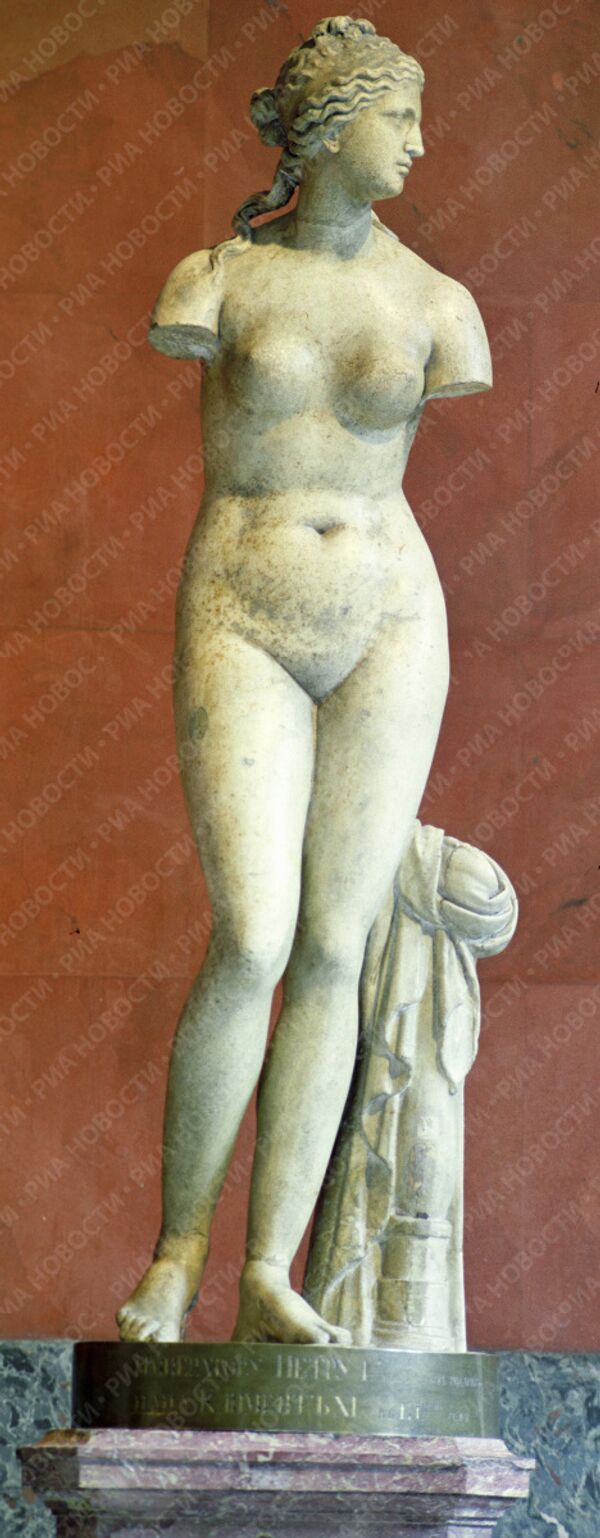
Tauride Venus, a Roman copy from the Greek original. Third century B.C. Modeled after the Aphrodite of Cnidus or the Capitoline Venus. Marble. Before it became part of the Hermitage collection, it graced the garden of the Tauride Palace, which is the origin of its name
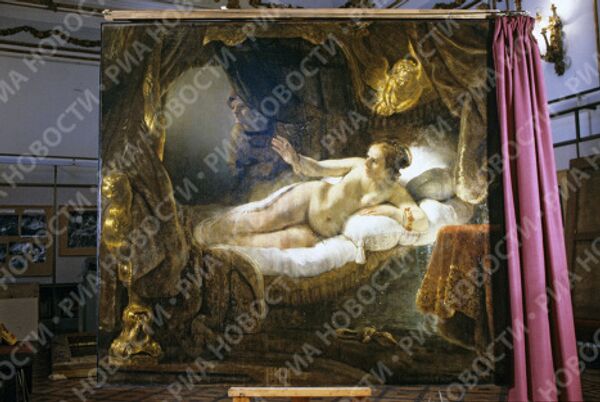
Rembrandt. Danae. 1636-1647. Catherine II purchased Danae for the Hermitage collection in 1772, going to great lengths to acquire the painting and even enlisting the aid of her acquaintance Denis Diderot. The painting's fate was tragic. In 1985, a man who was later diagnosed as insane threw a vial of sulfuric acid onto it. The restoration of Danae took almost 12 years
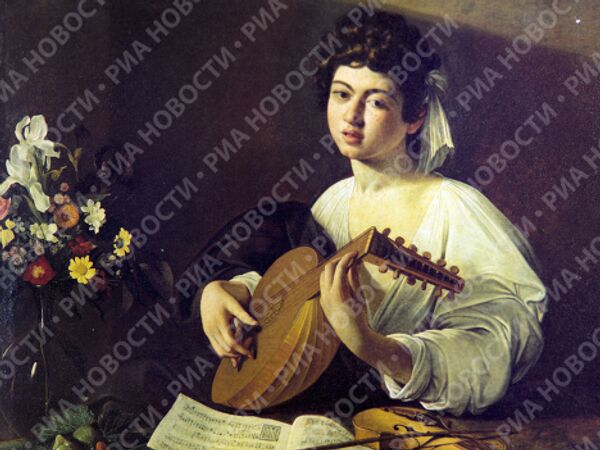
Caravaggio (Michelangelo Merisi). “The Lute Player.” 1595. “ The Lute Player” is the only Caravaggio painting in Russia. It was purchased for the Hermitage collection in 1808
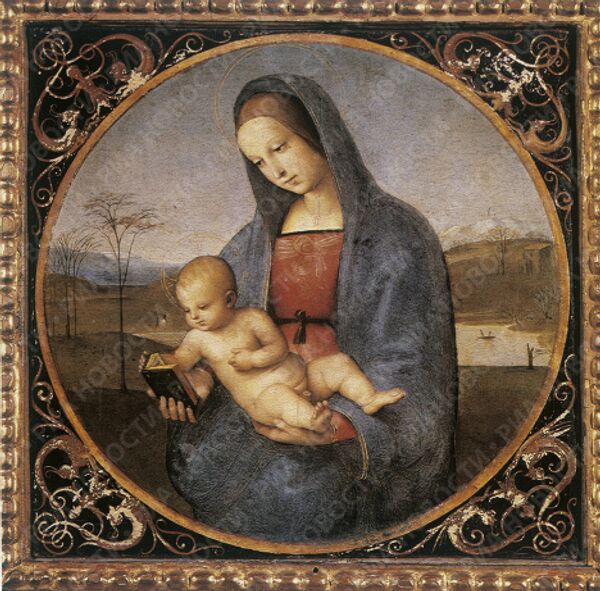
“Madonna with Child” (Conestabile Madonna) Raphael. Italy, 1504. Hermitage collection. Raphael's “Madonna” was bought in 1870 from the Count Conestabile in Florence and was the property of Empress Maria Alexandrovna (the wife of Alexander II). It became part of the Hermitage collection in 1881. The painting is in a frame that was designed by the artist
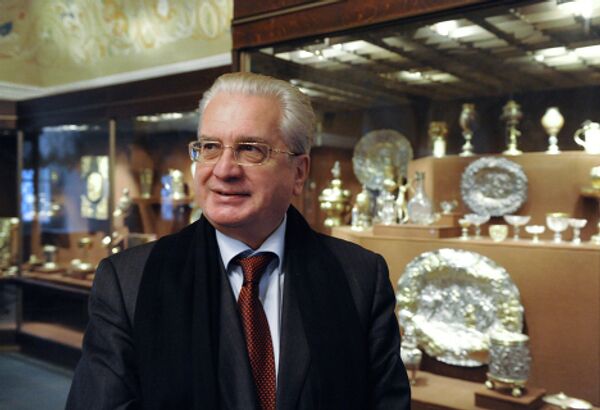
Mikhail Piotrovsky has been the director of the State Hermitage Museum since 1992. For many years, his father, renowned archaeologist and Egyptologist Boris Piotrovsky, was the head of the museum
Newsfeed
0
Access to the chat has been blocked for violating the rules .
You will be able to participate again through:∞.
If you do not agree with the blocking, please use the feedback form
The discussion is closed. You can participate in the discussion within 24 hours after the publication of the article.