
The grand juror, whose name has not been disclosed and is referred to only as "Grand Juror Doe", a St. Louis County resident, wants to end the longstanding rule which forbids grand jurors from discussing the evidence that they heard, their own votes, or what the state argued.
In documents filed to the United States District Court he is asking to be allowed to speak about the grand jury case since McCulloch has presented a "not entirely accurate" portrait of the proceedings to the media.
The grand juror believes that the Wilson case was handled very differently from the hundreds of other cases presented to the grand jury prior to the Wilson case, according to the text of the complaint Grand Juror Doe v. McCulloch, E.D. Mo. Jan. 5, 2015, published by The Washington Post.
"From Plaintiff's perspective, the presentation of evidence to the grand jury investigating Wilson differed markedly and in significant ways from how evidence was presented in the hundreds of matters presented to the grand jury earlier in its term," states paragraph 19 of the lawsuit. The grand juror believes that the portrayal of the case in the media has not been accurate.
"21. From Plaintiff’s perspective, the investigation of Wilson had a stronger focus on the victim than in other cases presented to the grand jury."
"22. From Plaintiff’s perspective, the presentation of the law to which the grand jurors were to apply the facts was made in a muddled and untimely manner compared to the presentation of the law in other cases presented to the grand jury…."
"32. From Plaintiff’s perspective, Defendant’s [i.e., the prosecutor's] statement characterizes the views of the grand jurors collectively toward the evidence, witnesses, and the law, in a manner that does not comport with Plaintiff’s own opinions."
The grand juror is represented by the American Civil Liberties Union (ACLU). The Union says the life-time gag order against grand jurors should not be applied in the Wilson case because of the extraordinary publicity Brown's death received and the unusual way the case was presented, according to the Huffington Post.
"The Supreme Court has said that grand jury secrecy must be weighed against the juror's First Amendment rights on a case-by-case basis," the newspaper quotes ACLU of Missouri Legal Director Tony Rothert as saying in a statement. "The rules of secrecy must yield because this is a highly unusual circumstance. The First Amendment prevents the state from imposing a life-time gag order in cases where the prosecuting attorney has purported to be transparent."
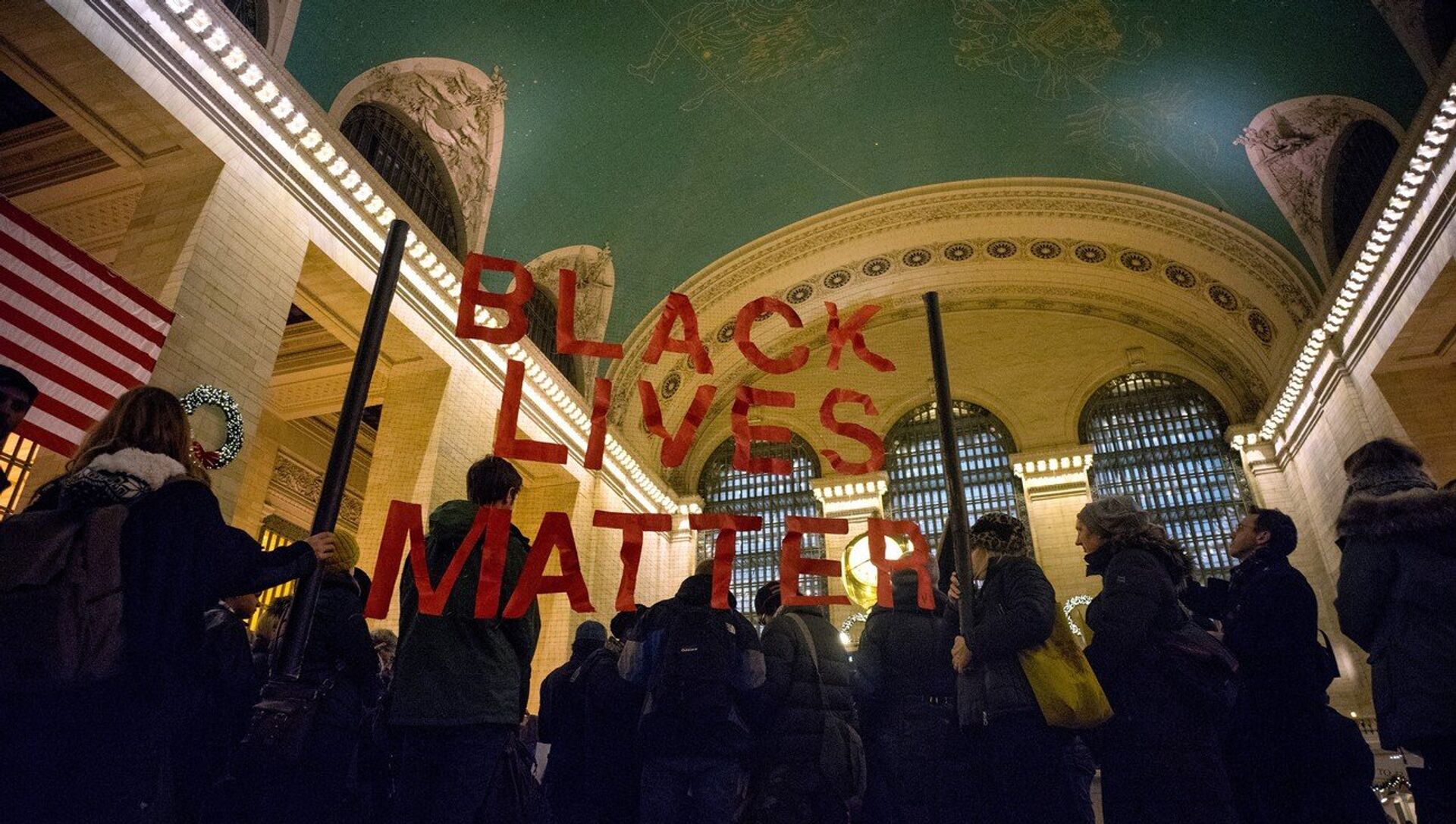
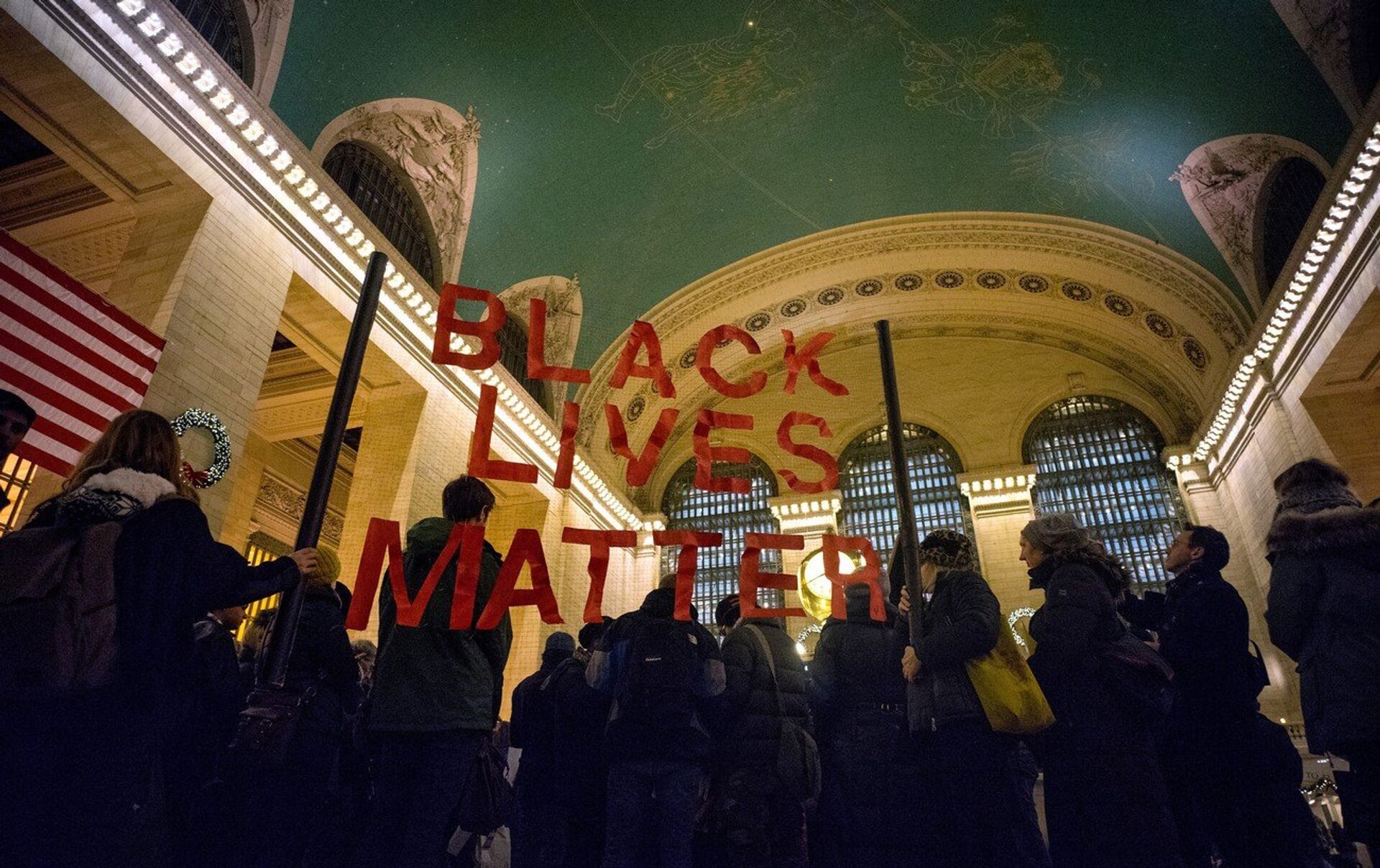
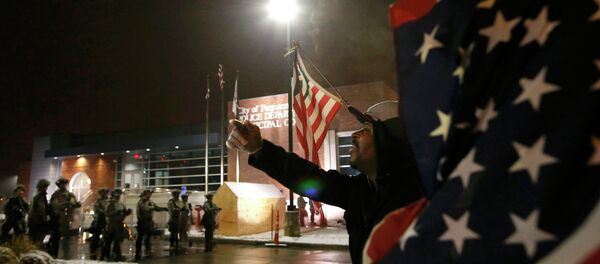
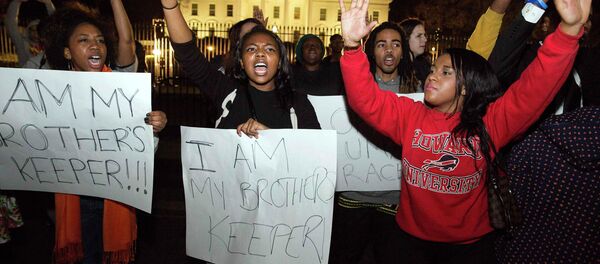
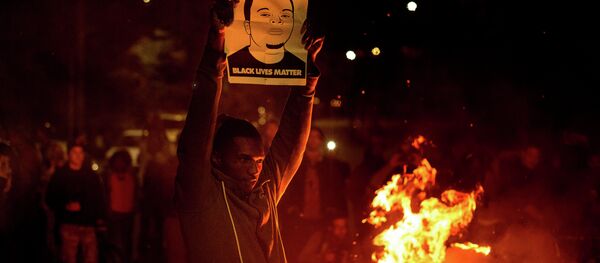
The grand jury decision not to indict the former police officer Darren Wilson intensified protests around the US against the police brutality and disproportional use of force against black Americans.