Forces of Nature: 21st Century Disasters on Display
Forces of Nature: 21st Century Disasters on Display
Sputnik International
Aprill 22 marks Earth Day, the anniversary of what many consider the birth of the modern environmental movement in 1970. For years environmental groups around... 22.04.2015, Sputnik International
Aprill 22 marks Earth Day, the anniversary of what many consider the birth of the modern environmental movement in 1970. For years environmental groups around the world have been tackling consequences of man-made and natural disasters. We take a look at some of the worst natural crises of the 21st century.
Aprill 22 marks Earth Day, the anniversary of what many consider the birth of the modern environmental movement in 1970. Throughout the years environmental groups around the world have been tackling consequences of man-made and natural disasters. Here are some of the worst natural crises of the 21st century.
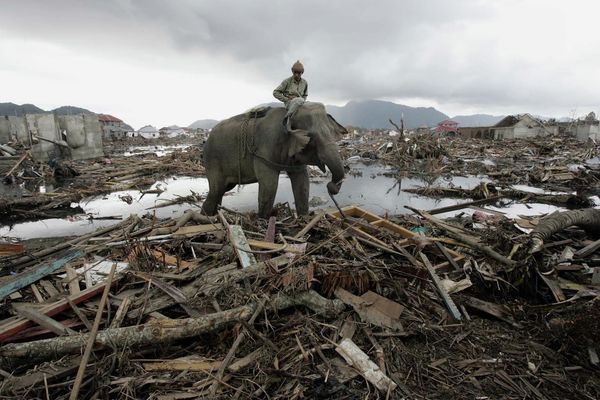
In this January 10, 2005 photo, an elephant which belongs to forest ministry removes debris in Banda Aceh, Indonesia. One of the deadliest natural disasters in world history: a tsunami, triggered by a massive earthquake off the Indonesian coast, leaving more than 230,000 people dead in 14 countries and causing about $10 billion in damage. Countries from Indonesia to India to Africa's east coast were hit, leaving shocking scenes of death and destruction.
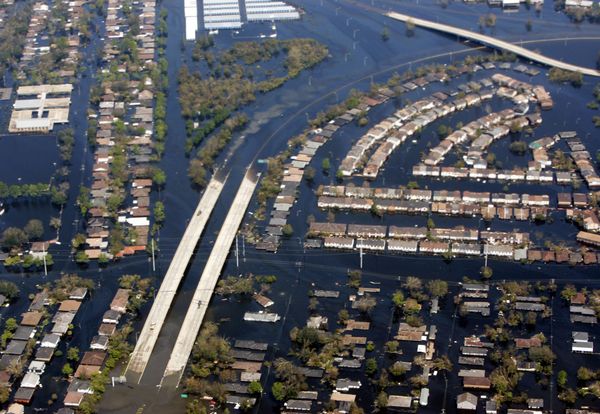
The damage from hurricane Katrina near New Orleans is seen from Air Force One. In 2005 hurricane Katrina, the largest and third strongest hurricane ever recorded to make landfall in the US, left 1,300 people dead.
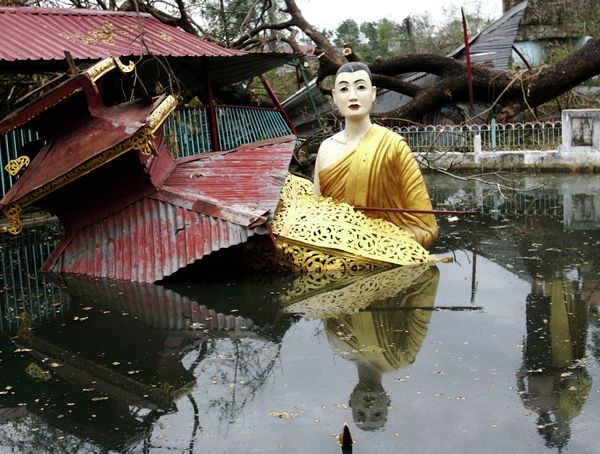
A large statue of Buddha sits in water at a temple that was heavily damaged by cyclone Nargis, that hit Myanmar in 2008 and left at least 140,000 people dead or missing.
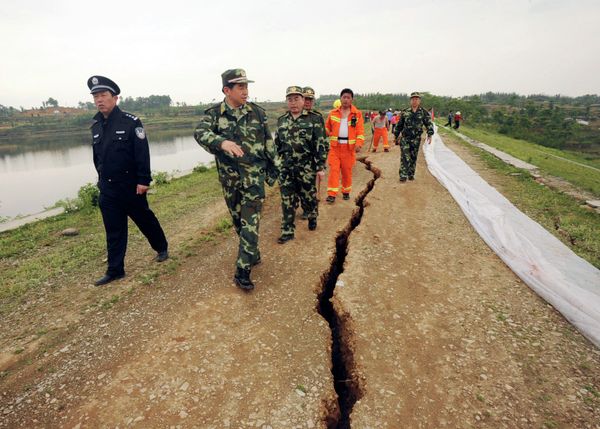
In this photo released by China's Xinhua News Agency, rescuers inspect a crack at Fengshou reservoir dam, caused by Monday's 7.9 magnitude earthquake in Anxian County, southwest China's Sichuan Province, in May 2008. The Sichuan earthquake, which left over 87,000 people dead or missing, was one of the largest in human history in terms of socio-economic losses.
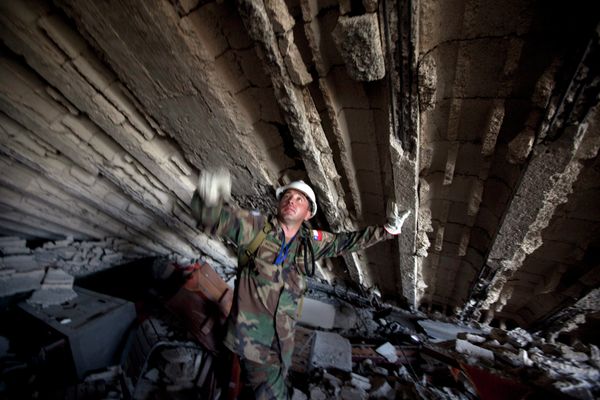
A Chilean UN peacekeeper works in the rubble of the Montana Hotel searching for victims of the earthquake in Port-au-Prince in 2010 after a 7.0-magnitude earthquake struck Haiti, carrying away more than 220,000 lives.
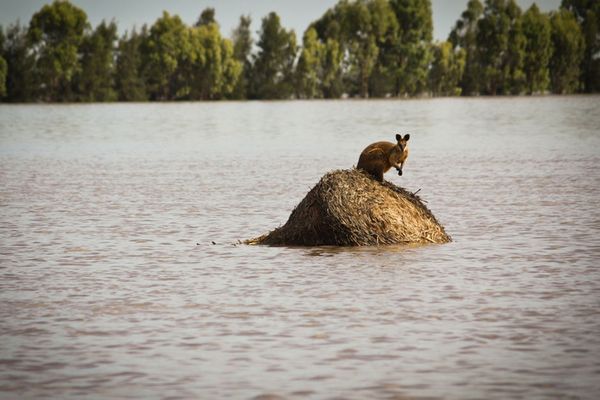
A wallaby stands on a large round hay bail trapped by rising flood waters outside the town of Dalby in Queensland, Australia. The Queensland state in Australia suffered from severe flooding in 2011, forcing thousands of people to evacuate their cities. Dozens have died and some 200,000 people have been affected by the floods spawned by torrential rains.
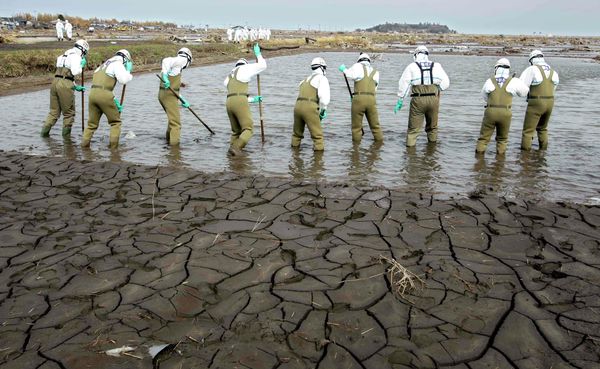
Japanese policemen search for bodies in the area devastated by the March 11 earthquake and tsunami in Minamisoma, inside the 20-kilometer (12-mile) evacuation zone, in Fukushima Prefecture, northeastern Japan, in April 2011. A failure occurred at the Fukushima I Nuclear Power Plant when it was hit by the tsunami. Following that substantial amounts of radioactive material have been released, resulting in one of the largest nuclear incidents in history.
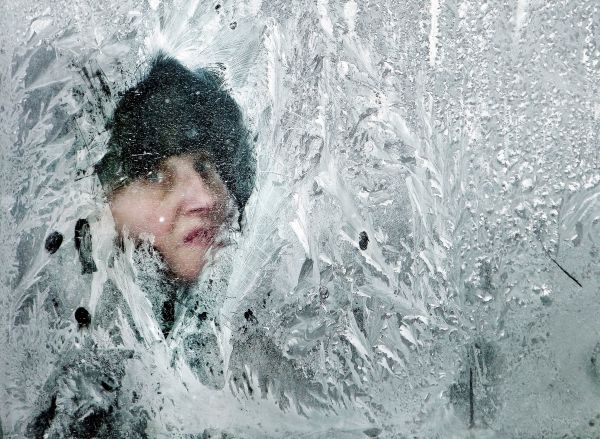
A woman looks out of a window covered in frost on a bus in Bucharest, Romania, in February 2012. At least 11,000 villagers have been trapped by heavy snow and blizzards in Serbia's mountains, authorities said Thursday, as the death toll from Eastern Europe's weeklong deep freeze rose to 122, many of them homeless people.
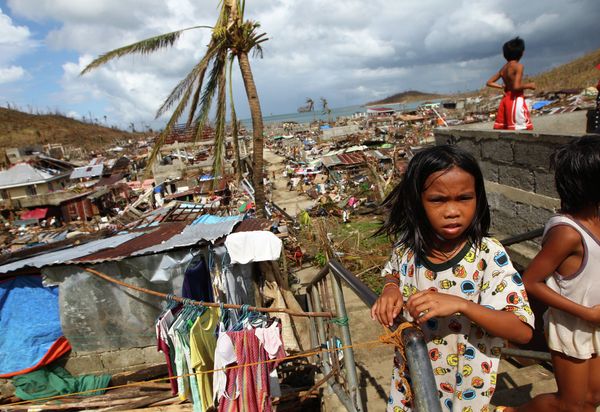
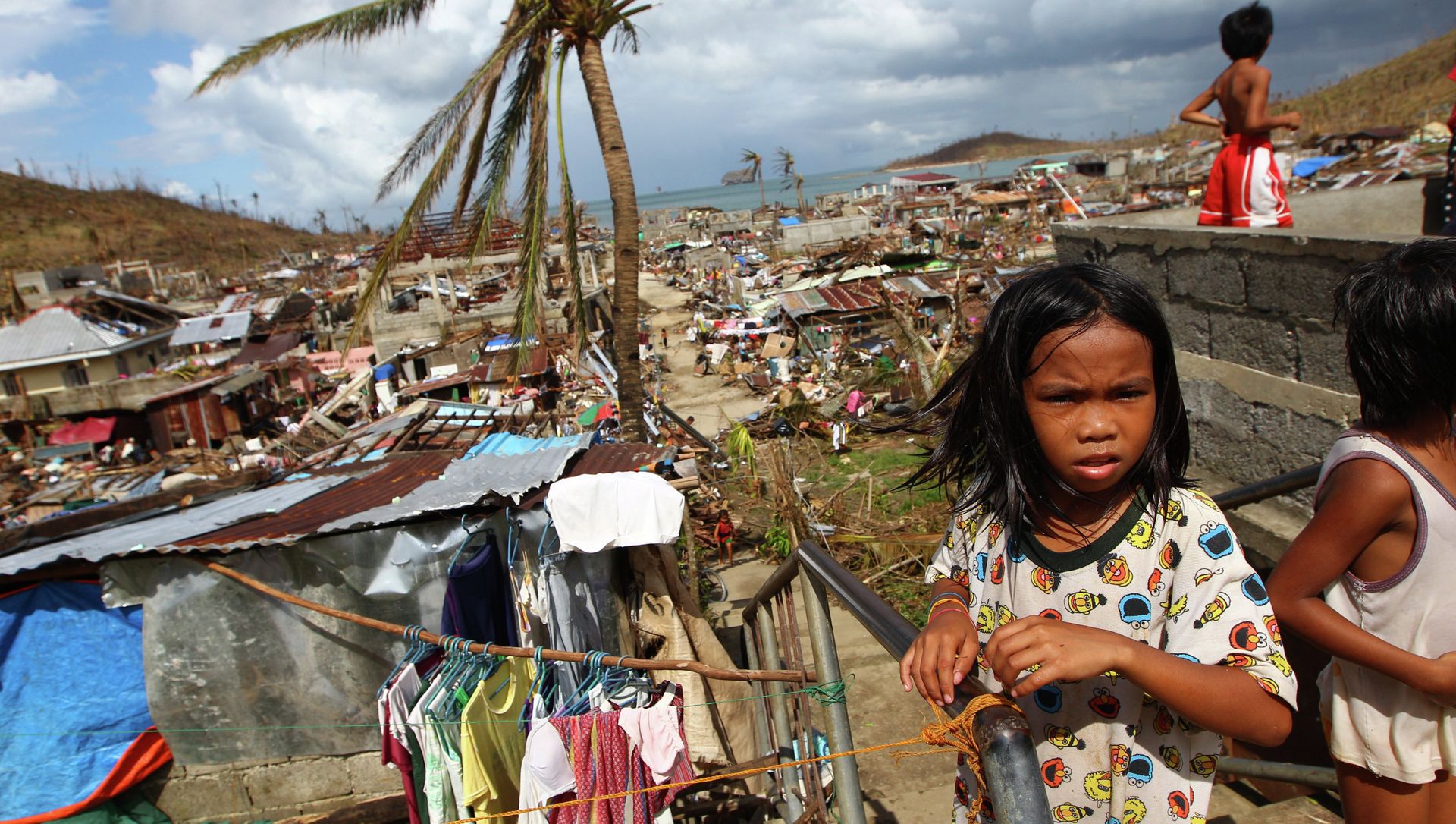
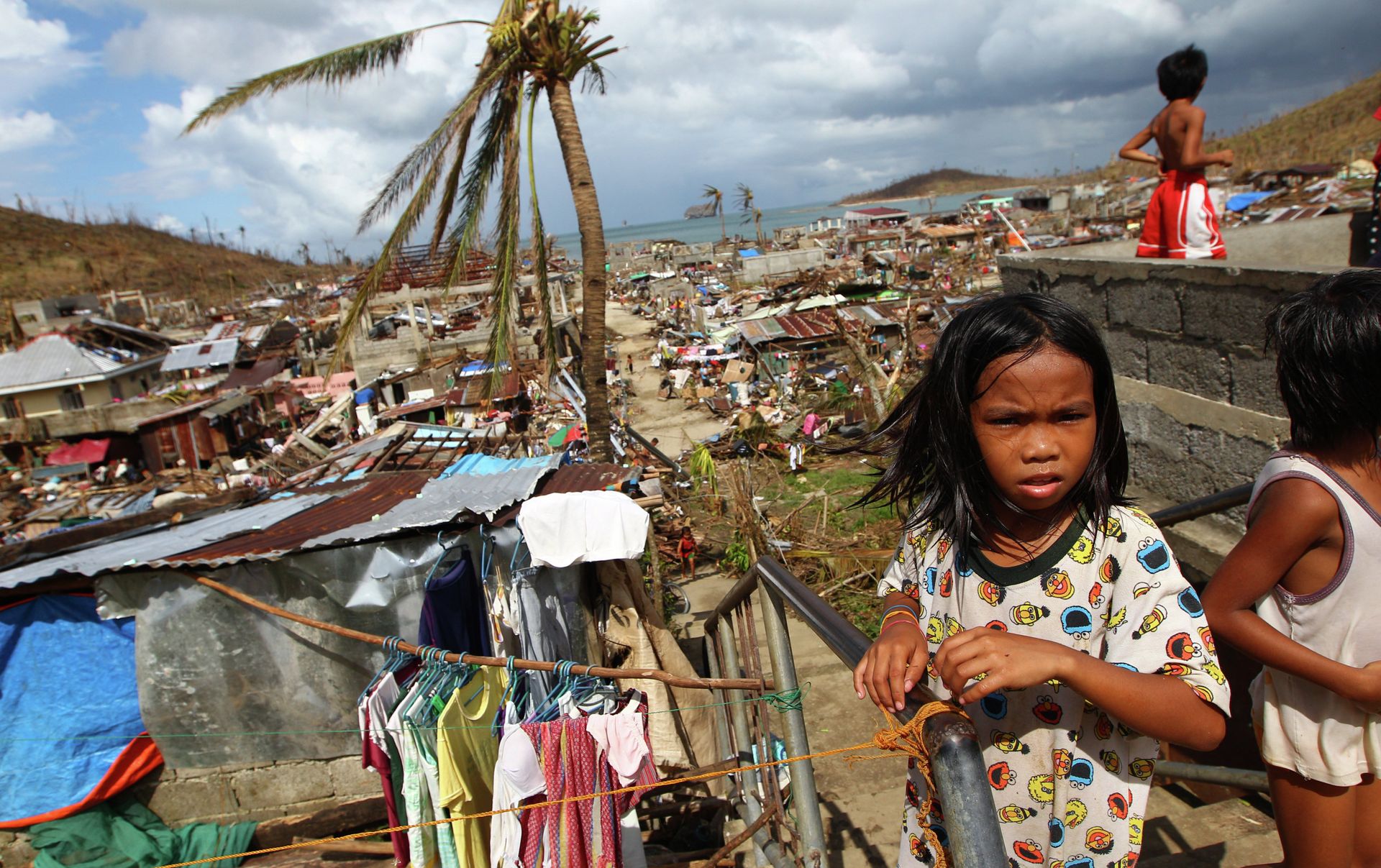
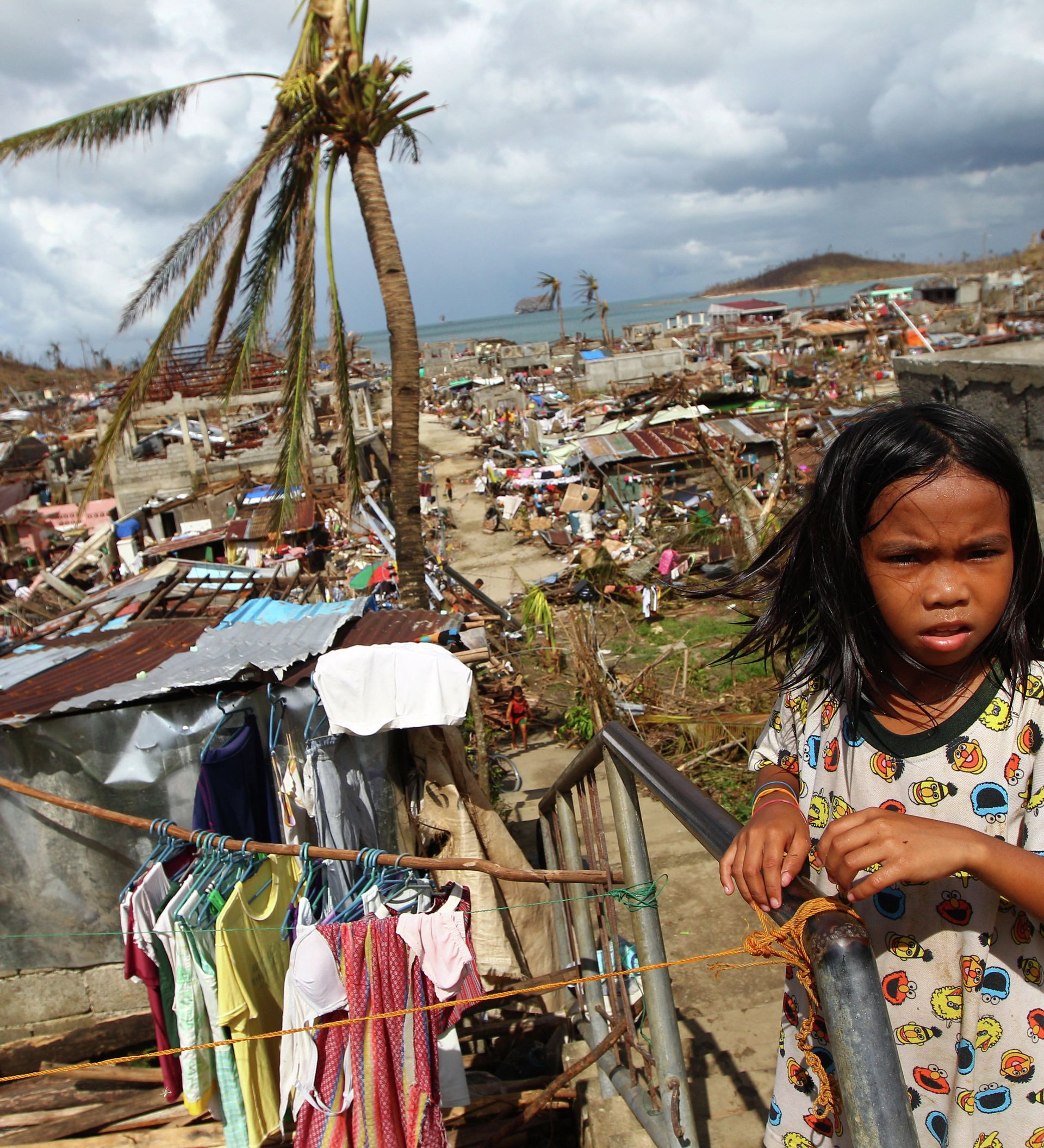
Filipino children play as houses damaged by Typhoon Haiyan are seen in the background in Marabut, Philippines in 2013. Typhoon Haiyan, one of the strongest storms on record, slammed into six central Philippine islands leaving a wide swath of destruction and hundreds of people dead.
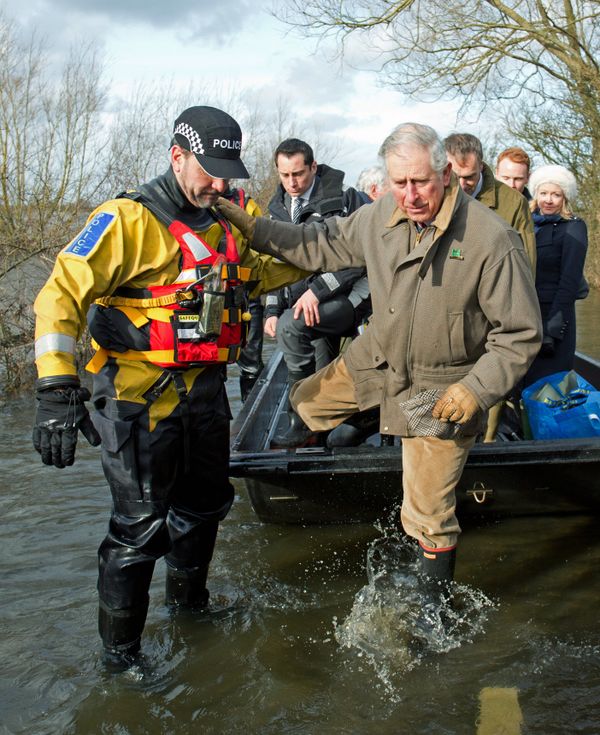
Britain's Prince Charles, right, disembarks from his transport during the tour to visit the flood hit area in southwest England in 2014. Local residents, farmers and emergency services personnel have been affected by the flooding on the Somerset Levels, where thousands of acres dotted with farmland and villages have been under water for a month.
Newsfeed
0
Access to the chat has been blocked for violating the rules .
You will be able to participate again through:∞.
If you do not agree with the blocking, please use the feedback form
The discussion is closed. You can participate in the discussion within 24 hours after the publication of the article.