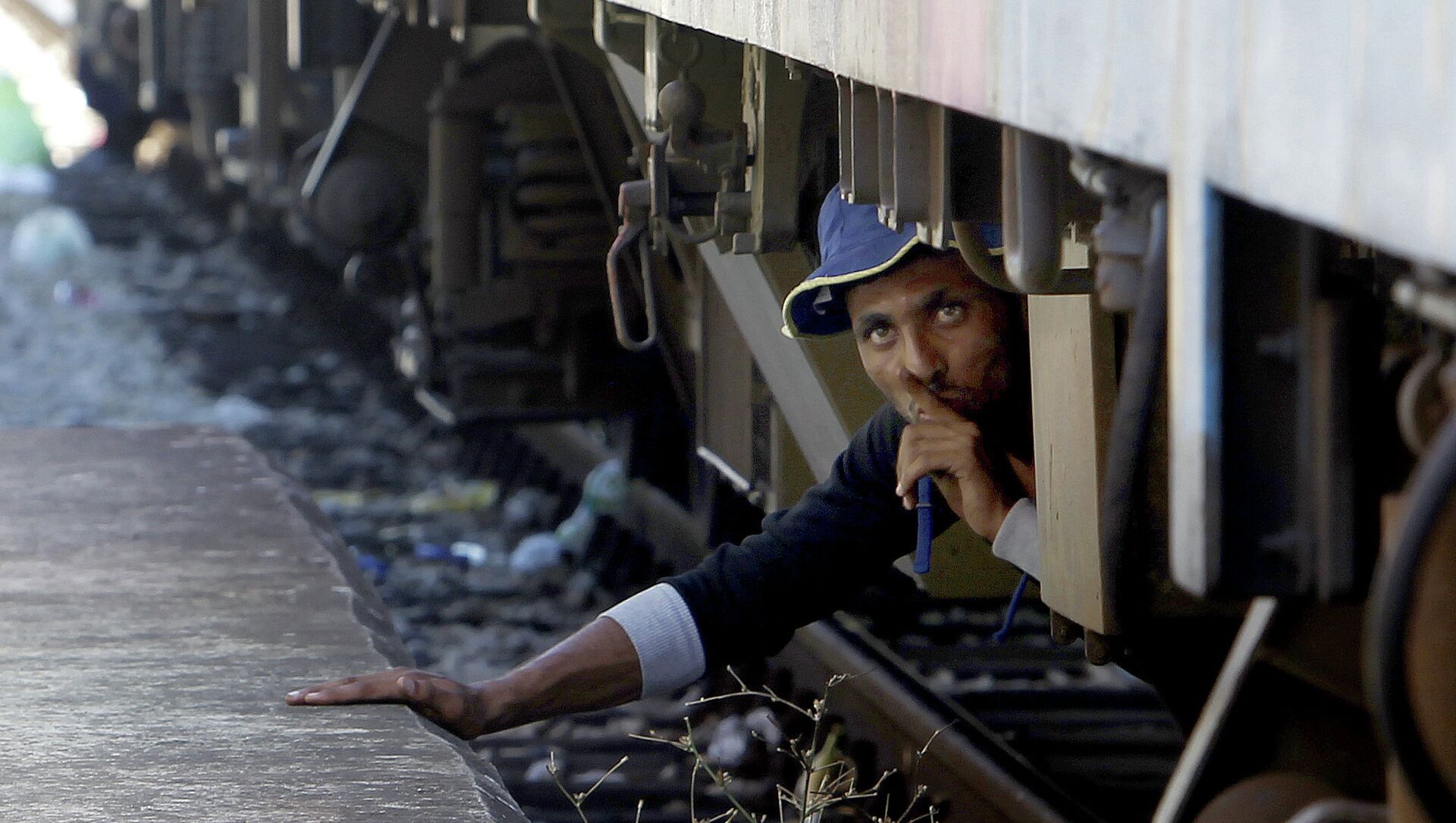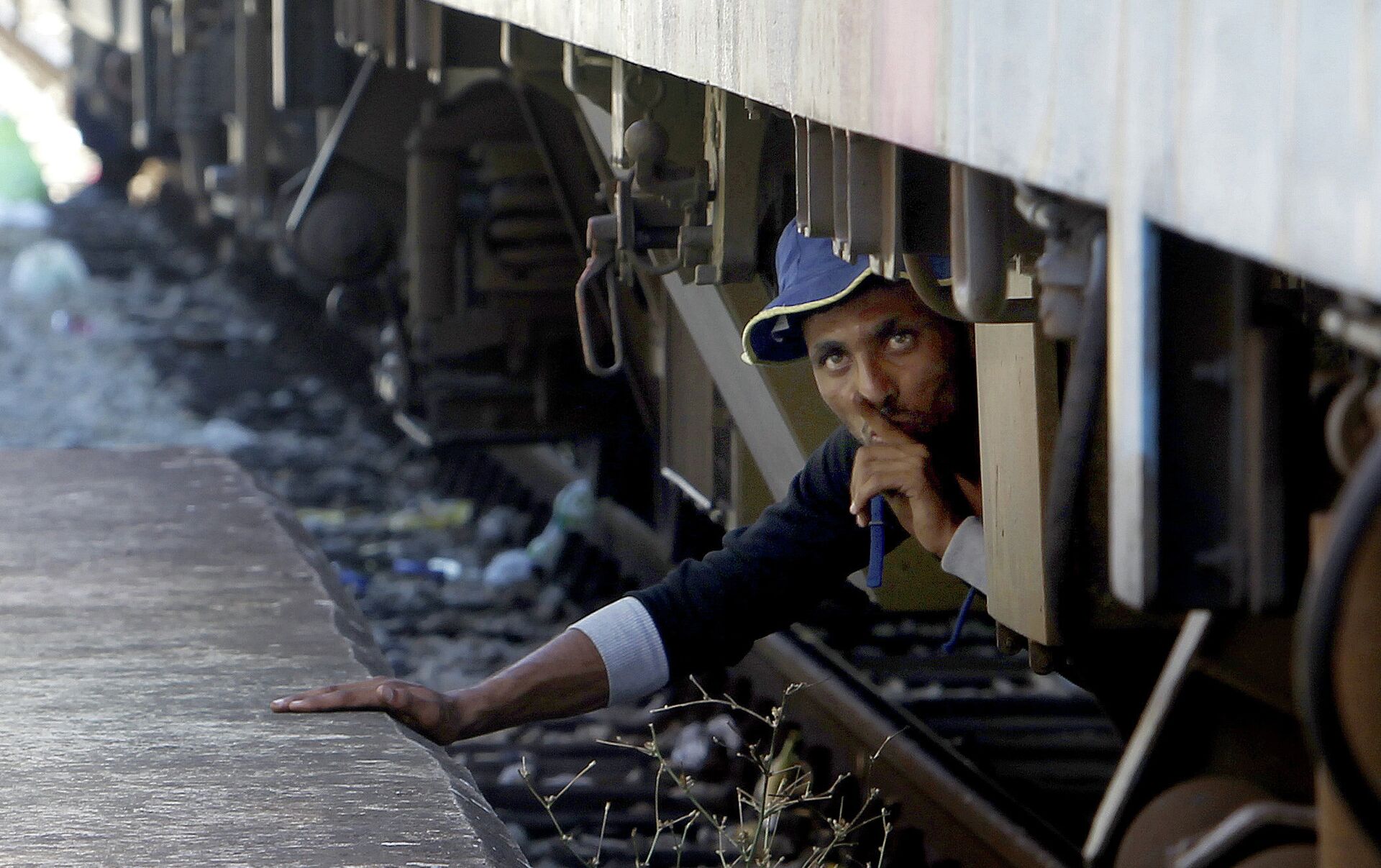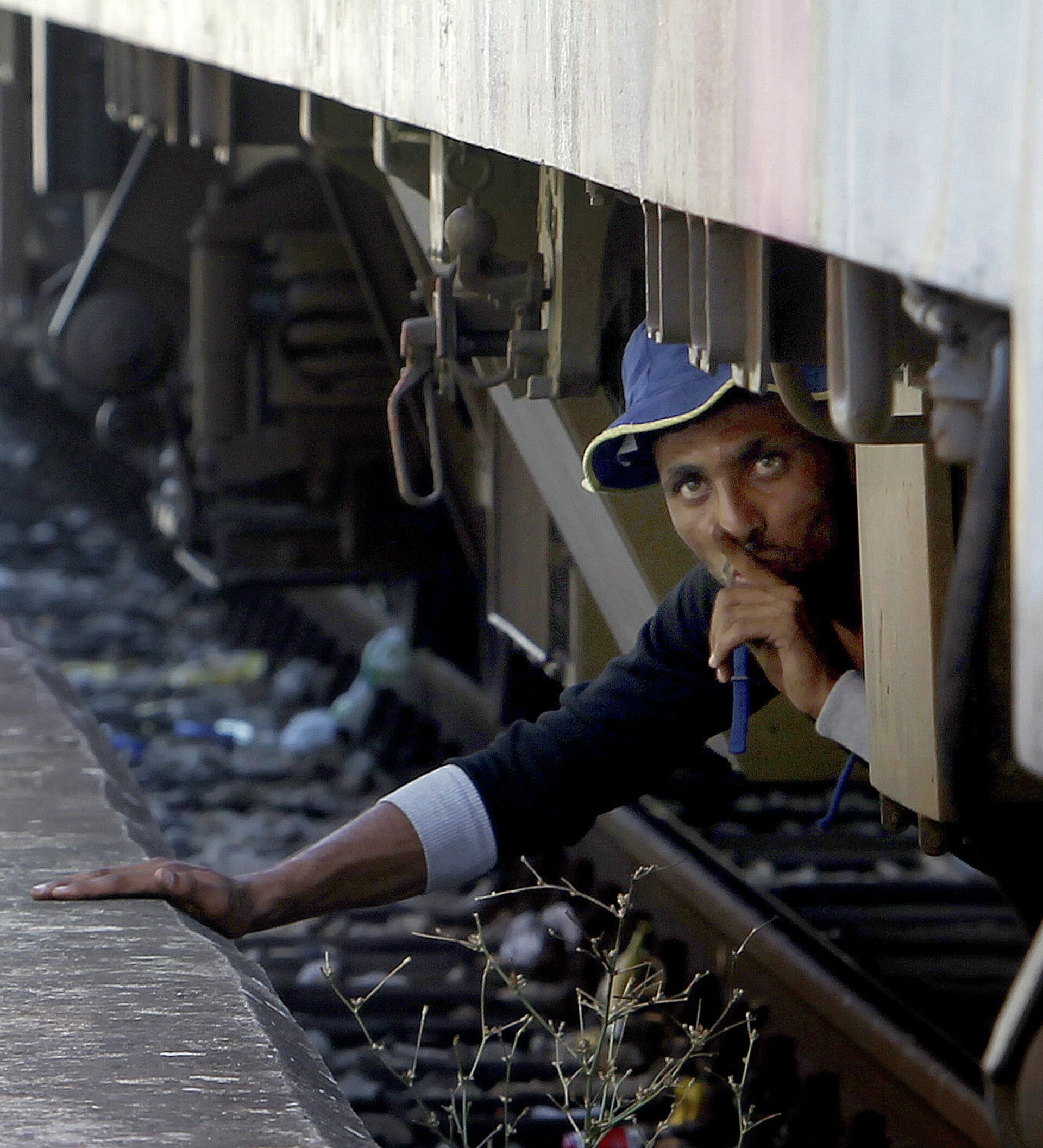
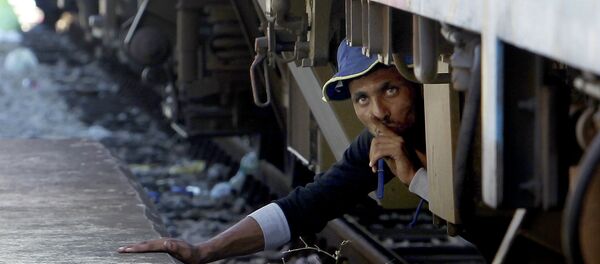
"We welcome any moves that remove the hardship from vulnerable migrants," Leonard Doyle said, stressing that many of the migrants who entered Macedonia last week do not yet have refugee or asylum status.
Europe is currently facing a major refugee crisis, as thousands of undocumented asylum seekers from conflict-torn countries in North Africa, the Middle East, Central and South Asia arrive in Europe, escaping poverty and violence in their home countries.
"They are all seeking to get to the European Union and to get the asylum claim there, but they have already passed through two safe countries – through Turkey and of course through the EU and Greece," Doyle said.
High unemployment rates in Macedonia and Serbia make it likely that migrants, who arrived in the countries over the weekend, would try to continue further to the European Union, Doyle believes.
"Those countries [Serbia, Macedonia] already have a high rate of unemployment, so they probably are not so attractive to migrants, they probably will want to keep moving to the countries where they can potentially get work," Doyle said.
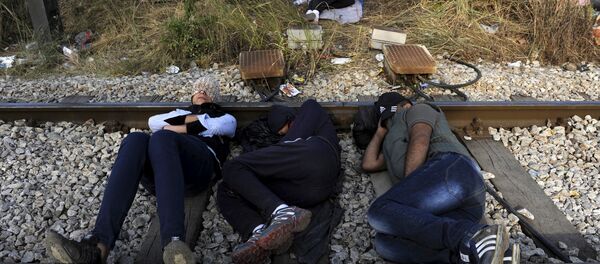
Last week, Macedonia declared a state of emergency over the border crisis.
Hungary, which shares a border with Serbia, has almost finished the construction of a fence on its southern border with Serbia to stop the inflow of undocumented migrants.
"We need some degree of security on borders, but we have to give primacy to the humanitarian status of these people," Doyle stressed.