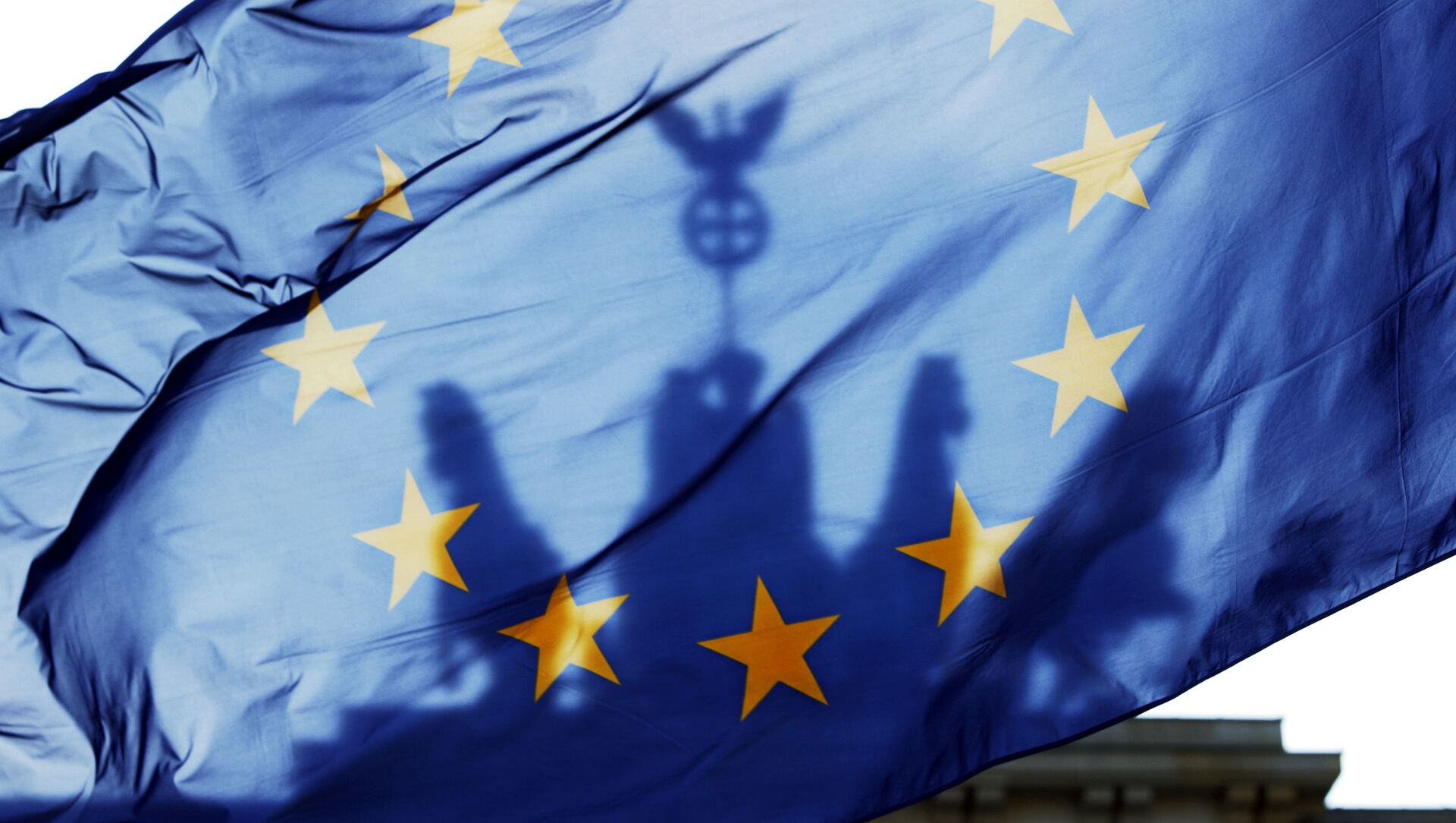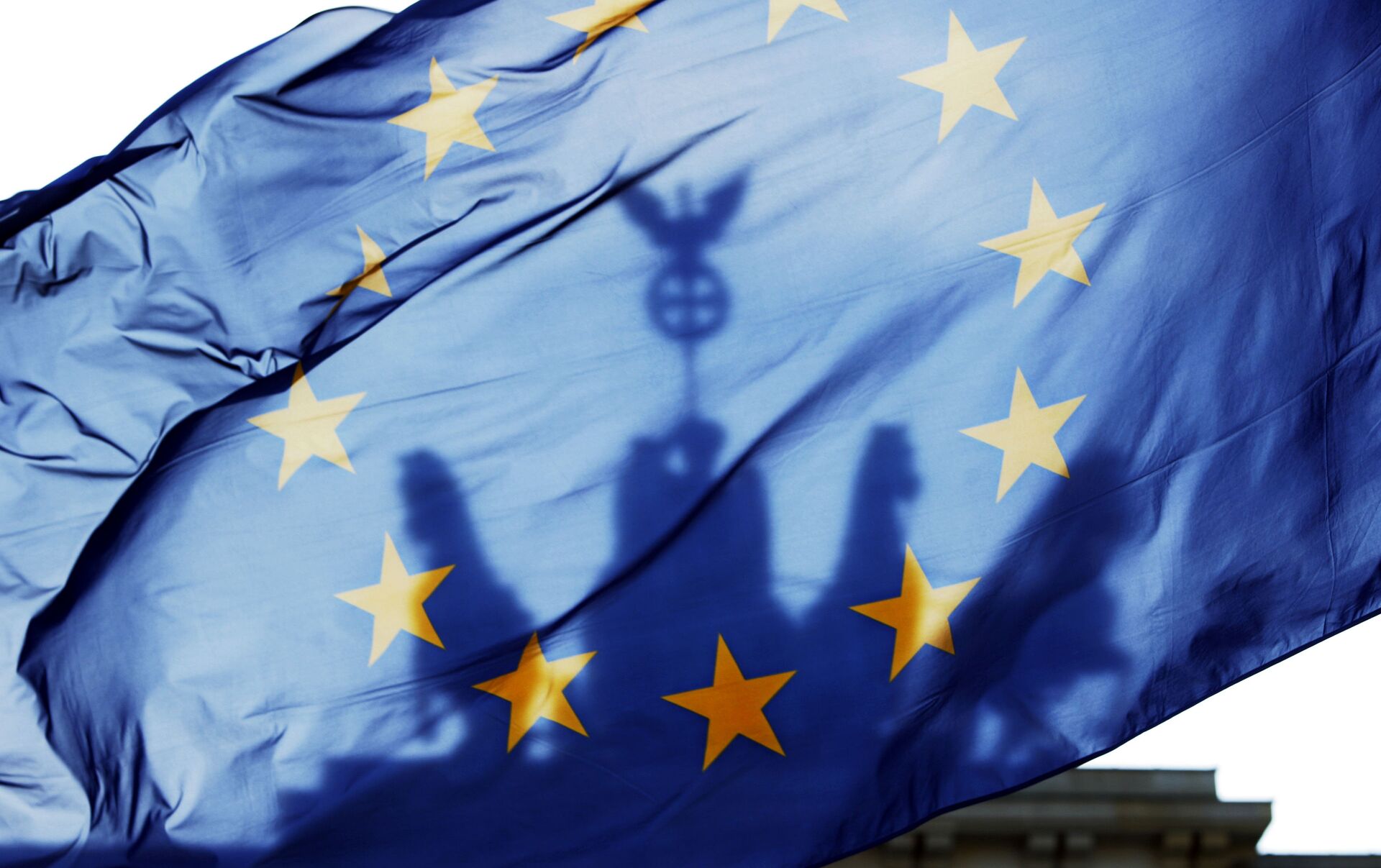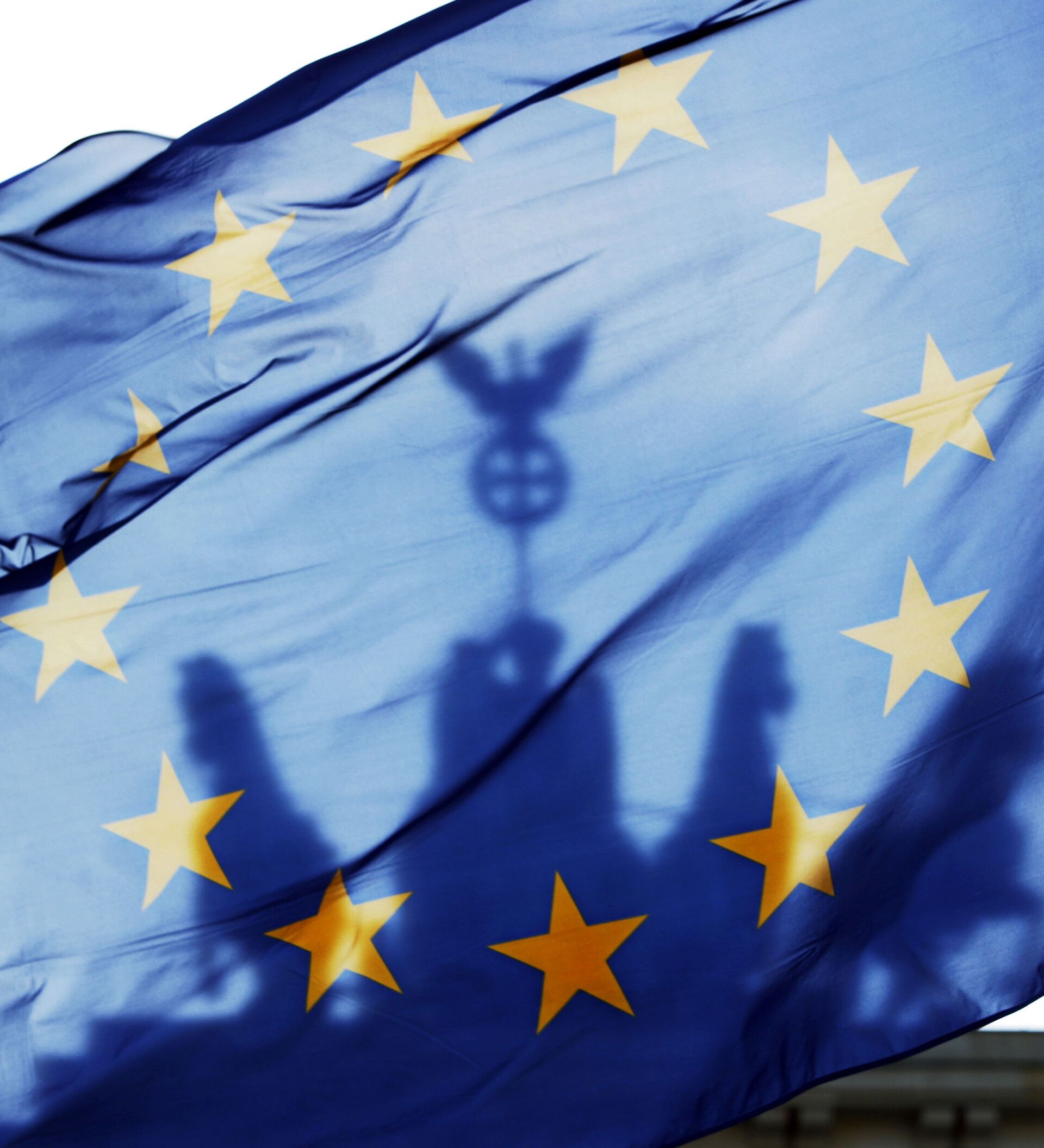
The latter argue that the European Union will collapse in the next 15 years anyway, so it makes no sense to leave the Union now and take the blame for its subsequent dissolution.
"Some ministers add another layer to this argument. They claim that Britain leaving would precipitate the demise of the European Union and it is not in our interest to be blamed for that. Better to stay and let the EU collapse of its own accord," Forsyth wrote for the British magazine the Spectator.
The journalist stressed that security gaps related to the increasing flow of migrants make the survival of the Schengen area almost impossible.
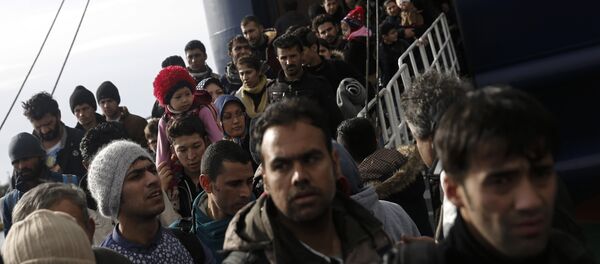
At the same time, it is difficult to imagine any effective solution to the migration crisis. Stricter border controls will raise criticism among the European and especially German population, as it will remind them of "the old Eastern Bloc with its border posts and travel bans."
"The idea of EU citizens being asked to present their passports as they travel around the continent is, therefore, anathema to them," the author argued.
According to experts, the situation is complicated by the fact that the Baltic and Eastern European countries are unlikely to accept large numbers of refugees, while Greece and Italy will not be able to cope with the influx of migrants alone.
"Europe is lacking a well thought-out migration policy. We did not realize that we are facing a constant influx of refugees caused by conflicts and wars and that it is long-term social phenomenon, which even demographers and sociologists have no idea about," Italian diplomat and author at the Italian newspaper "Corriere della Sera" Sergio Romano told Sputnik Italia.
According to Romano, the closure of the borders will bring few positive results, "because there will be always someone who will be willing to break them". In his opinion, the EU should focus on strengthening the EU's external border, using a pan-European marine police — a European structure, which is not subject to national governments and the activities of which will be regulated by EU legislation.

"However, it would be a decisive step for the EU, because it means giving up their sovereignty on the part of their national border, and some countries are not ready for this," the diplomat claimed.
According to latest data of the International Organization for Migration (IOM), more than 47 thousand migrants and refugees entered Europe over the course of the first 26 days of 2016. Last year, European countries accepted more than 1.1 million refugees, with the European Commission viewing the current immigration crisis as the world's largest crisis since the Second World War.