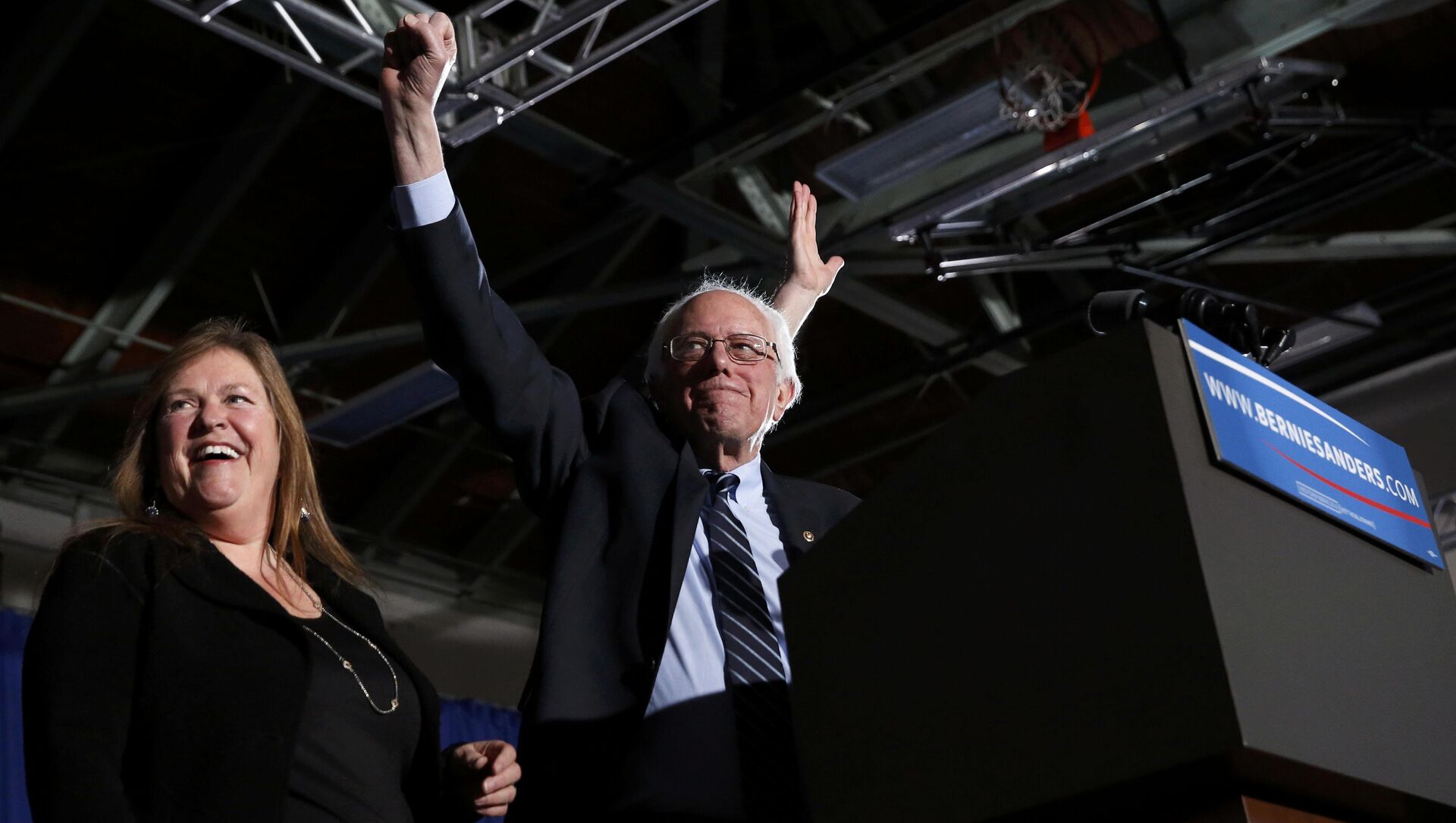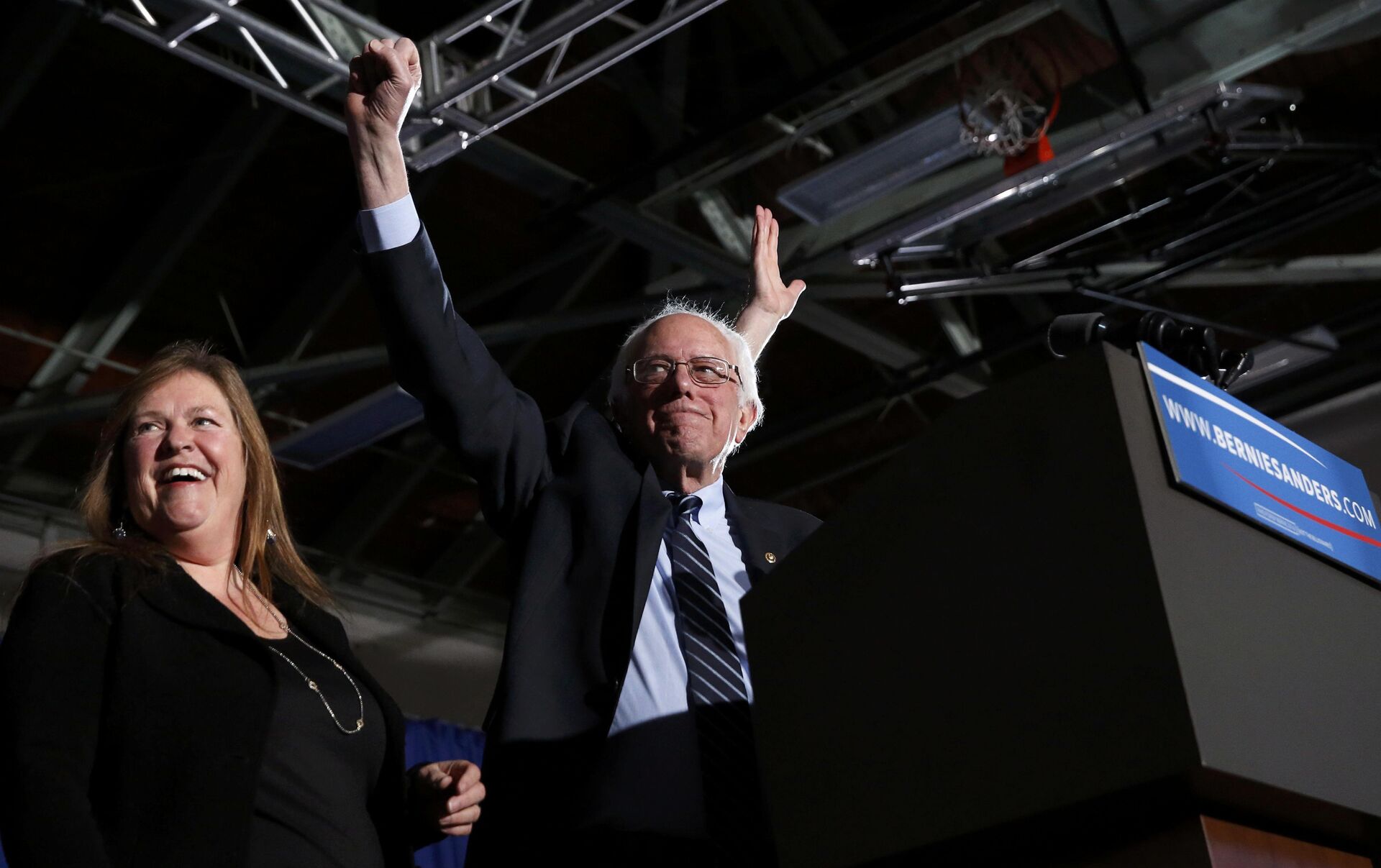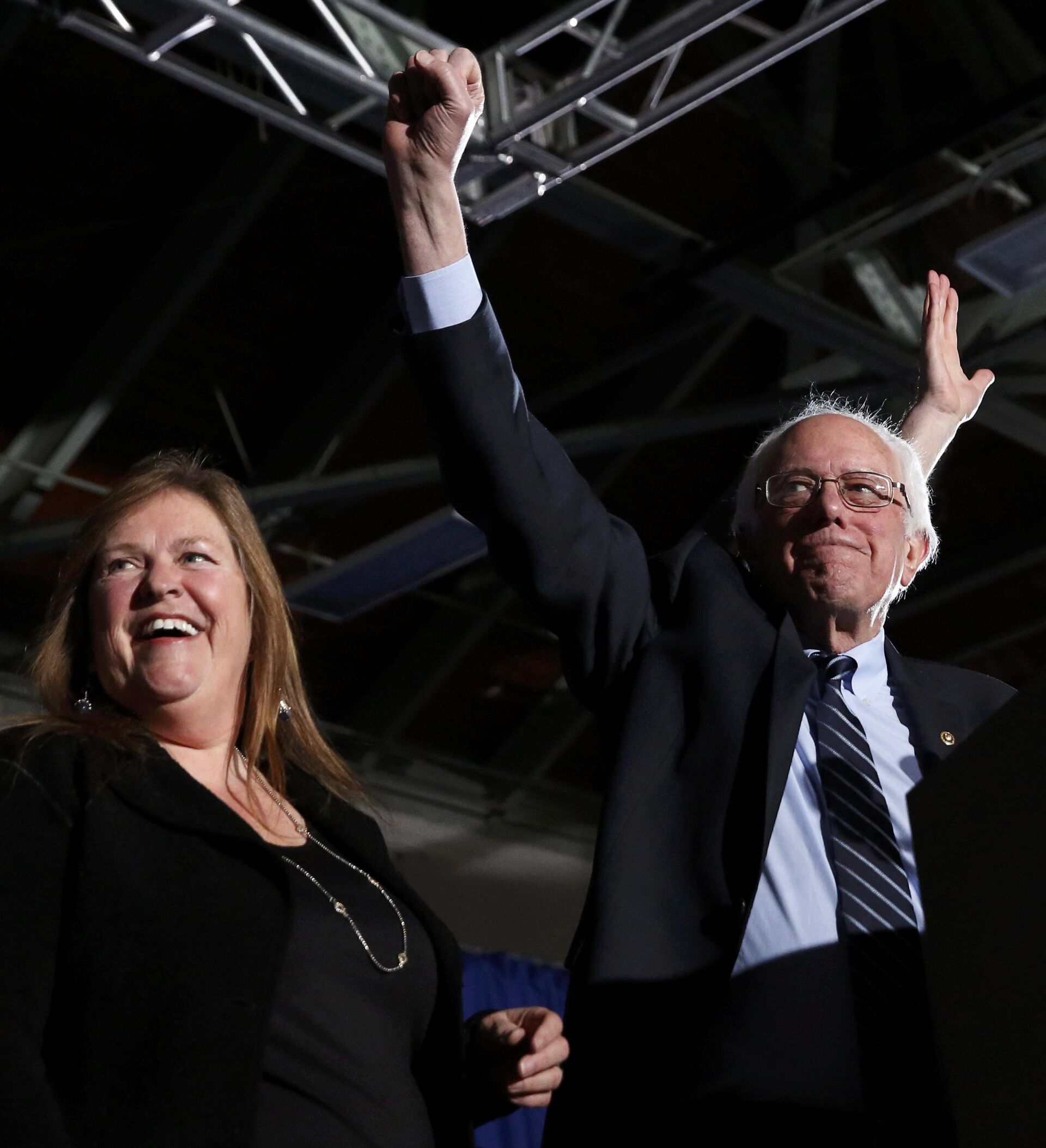
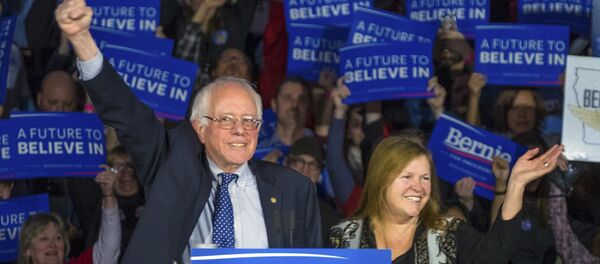
MANCHESTER (New Hampshire) (Sputnik) – With nearly 90 percent of the ballots counted, Sanders came away with 60 percent on the Democratic side, and Trump with 35.1 percent in the Republican camp.
Republican Governor of Ohio John Kasich, however, edged out Senators Ted Cruz (11.6 percent) and Marco Rubio (10.5 percent) to finish second in the Republican primary on 15.9 percent of the vote. Former Florida Governor Jeb Bush placed fourth with 11.1 percent.
Both the winners and losers in the country’s first primary elections in New Hampshire vowed to take the fight to South Carolina and Nevada, where primaries will be held within two weeks. March 1 is dubbed "Super Tuesday" as 13 states will run primaries and caucuses.
Unlike after the Iowa caucuses, the latest results have not led to a winnowing down of the Republican field from nine candidates. New Jersey Governor Christ Christie, with a disappointing sixth-place 7.5 percent showing, said he was going back to his home state to reevaluate his presidential bid.
Turnout Settles Everything
Before voters elect the next US president on November 8, the delegates from both parties choose their nominees at respective national conventions in July after the primaries and caucuses.
The New Hampshire primary does not determine the presidential campaign’s winners and losers, but sets the tone going forward and gauges voter support for each candidate.
This year, the Democrats will hold their national convention in Philadelphia, Pennsylvania, from July 25 to July 28, and the Republicans in Cleveland, Ohio, from July 18 to July 21.
Sanders attributed his success in the "Granite State" on Tuesday to a turnout of over 60 percent, labeling his victory "the start of a political revolution."
The left-wing lawmaker, campaigning on an anti-establishment and anti-Wall Street platform, has thus far positioned himself as a serious adversary to presumed Republican frontrunner and ideological opponent Trump.
Clinton Awaits Revenge
Former State Secretary Clinton is campaigning on a platform of being an experienced politician aiming to build on the achievements of President Barack Obama. In Iowa on February 1, she beat Sanders by a razor-thin margin of 0.25 percent.
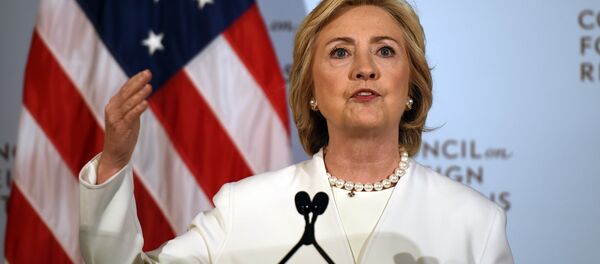
This angered 78-year-old former Secretary of State Madeleine Albright, a staunch Clinton supporter and veteran Democrat, who said at a rally on Saturday, "There’s a special place in Hell for women who don’t help each other!"
The former first lady intends to battle for the nomination at the next primaries.
The Clinton headquarters have said she intends to shore up her support among African-American and Hispanic voters, with the aim of securing her frontrunner status by March.
100,000 for Trump
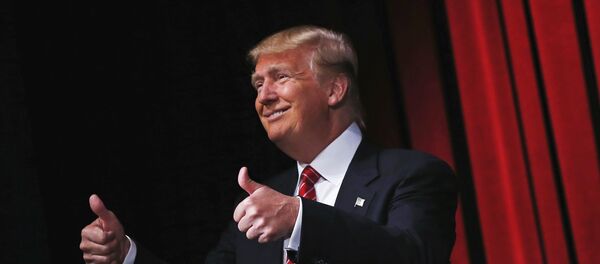
Nearly 100,000 people, or every eighth voter, cast their ballots for the controversial businessman after his team deployed a highly active ground campaign for Trump to "make America great again."
His support base is evenly distributed among the state’s population groups, suggesting a robust backing for Trump among Americans.
Is Kasich Ready for the Front Seat?
In stark contrast to Trump’s high-profile campaign, Kasich waged his presidential bid in a low-key manner. The moderate governor did not insult opponents or scare voters, and remained a predictable outsider after the Iowa caucus.
Perhaps his only extravagant campaign trick was serving food and coffee at a diner in Manchester, New Hampshire, in a bid to win over the local population.
Over 40,000 people voted for the 63-year-old politician, who campaigns on a platform of gaining executive experience in his five-year gubernatorial post.
Whether voters in other states share New Hampshire’s view toward Kasich will become clear in the coming weeks.
Third Place Battle
Republicans waged the most active battle for third place, giving them a chance to continue the campaign and attract donations.
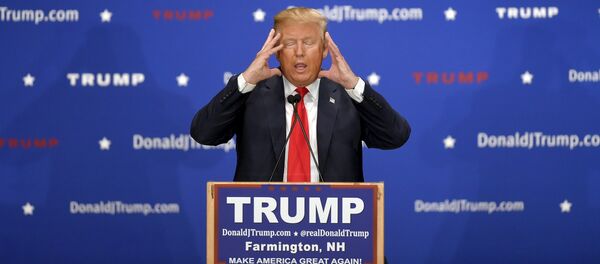
Bush, considered a frontrunner before the campaign kicked off late last year, has run an uninspiring campaign despite considerable financial resources.
After being the only Republican to openly challenge Trump at Saturday’s GOP debates, Bush polled at 9 percent in New Hampshire. His support generated two additional percentage points after the primary.
Rubio accepted blame for his fourth-place showing after a lackluster performance in the latest debates and vowed to do better next time.