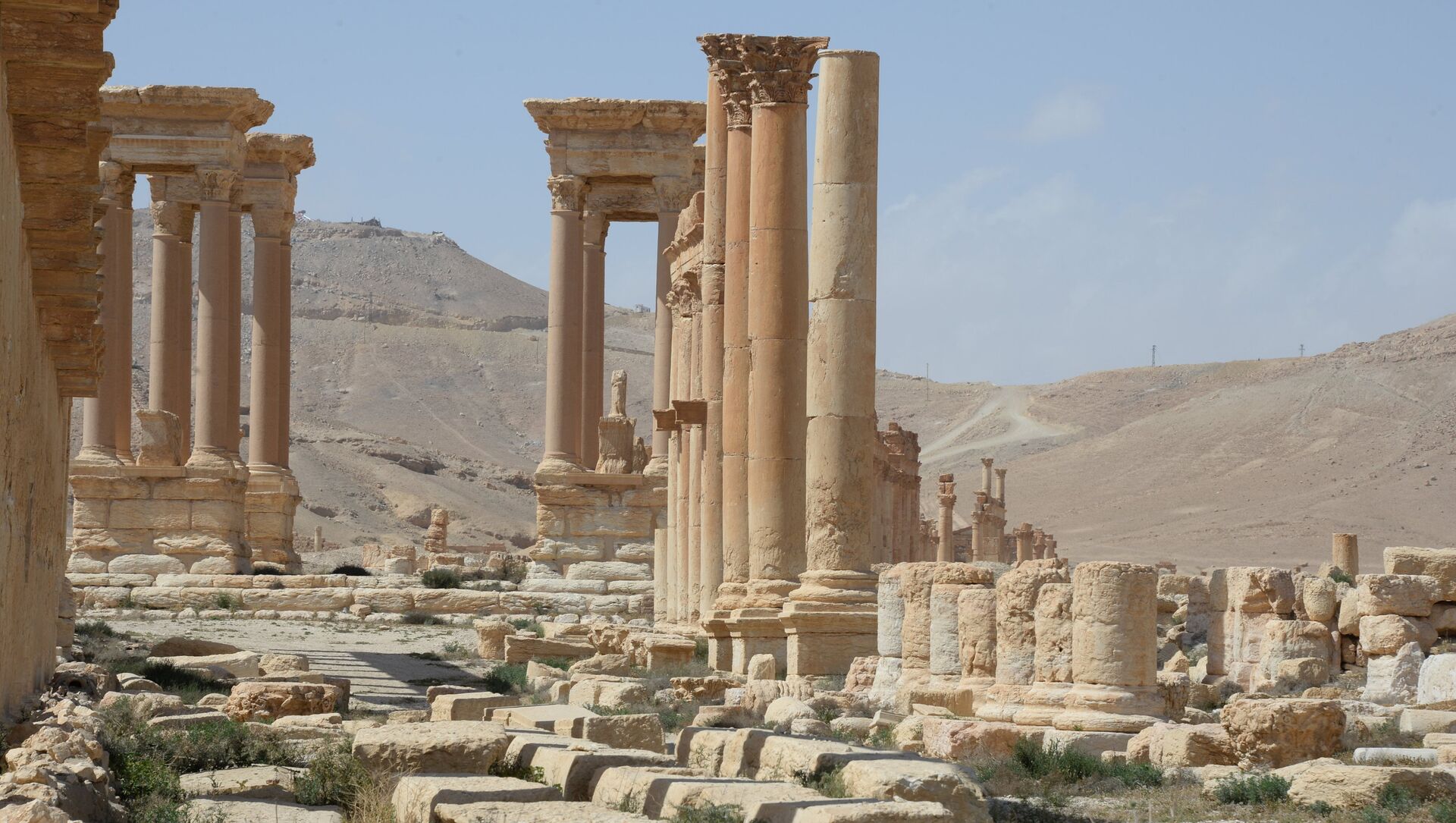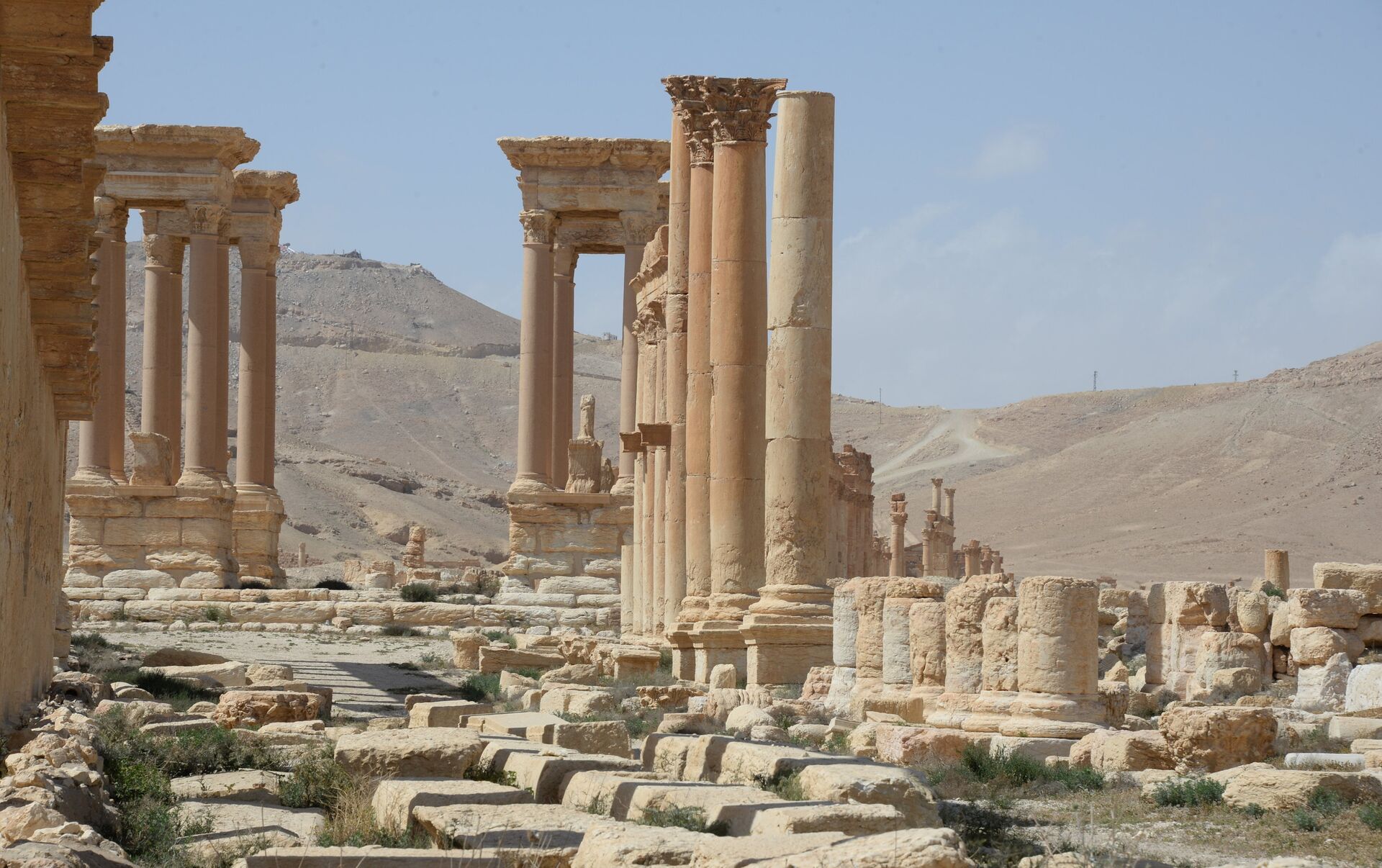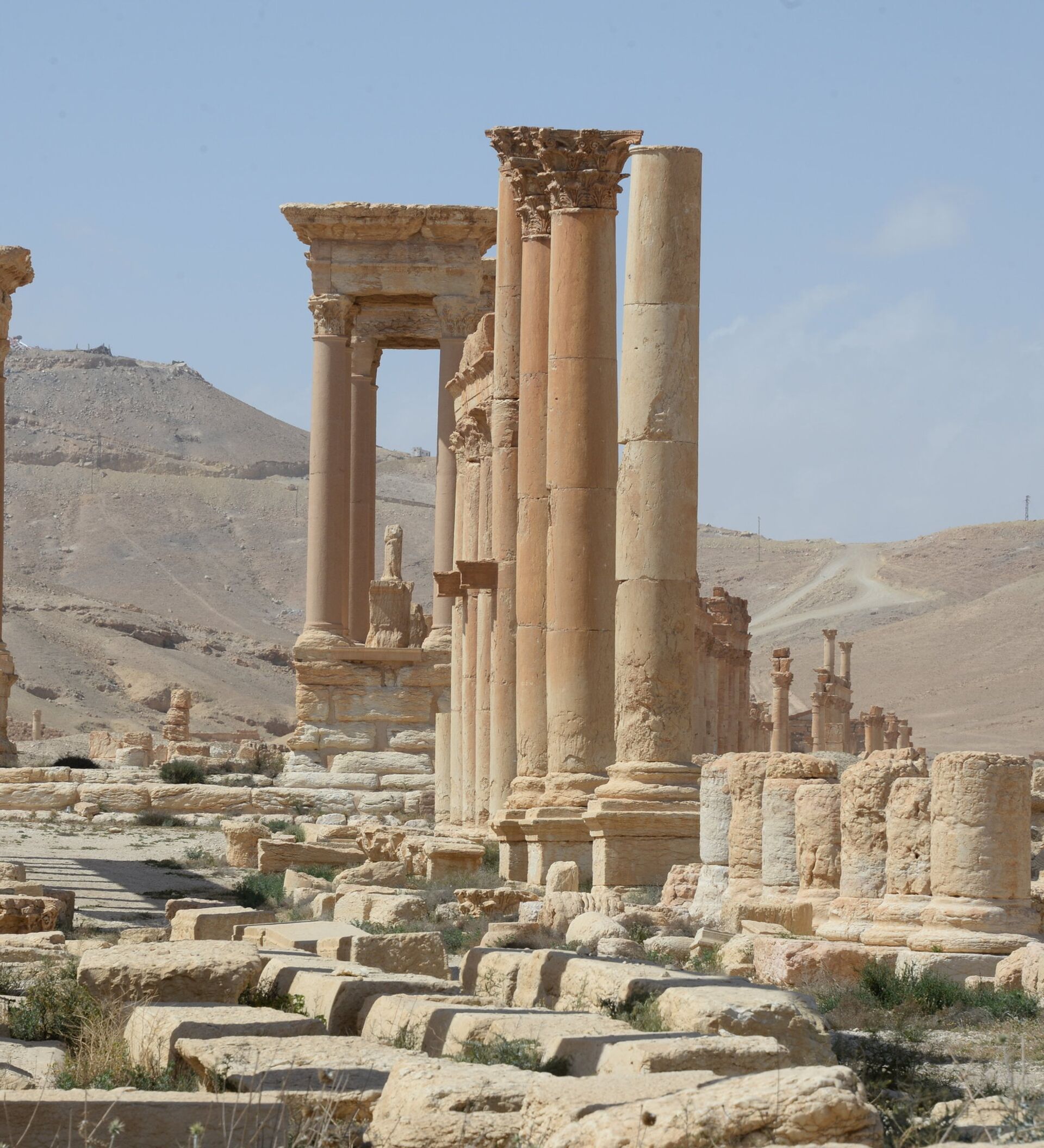

According to Lisa Ackerman, while Palmyra is now under the control of the Syrian authorities, it still may be difficult for foreign experts to visit the site as there is still an armed conflict in Syria, so the evaluation of the post-Daesh condition of the ancient city will be carried out by Maamoun Abdulkarim, the Syrian director-general of antiquities.
"Palmyra is extremely well documented so they will be able to assess damage created in recent years. Looting has been a terrible problem during the conflict period and no one can predict if any of the objects stolen will be returned to Syria. The restoration of sites will be more challenging because of illicit trafficking in archaeological objects but many structures can be repaired or reconstructed regardless of looted objects," Ackerman said.
She added that the widespread looting of antiquities in Palmyra could lead to a loss of knowledge about the world's historical and cultural heritage.
"In many instances the looting was [conducted] in previously unexcavated areas of sites, so the loss of knowledge is the issue," Ackerman pointed out.
Earlier in the day, UNESCO Emergency Preparedness and Response Unit Chief Giovanni Boccardi told Sputnik that the organization planned to send a fact-finding mission to the ancient city of Palmyra but was waiting until the political and security situation in the area stabilized.