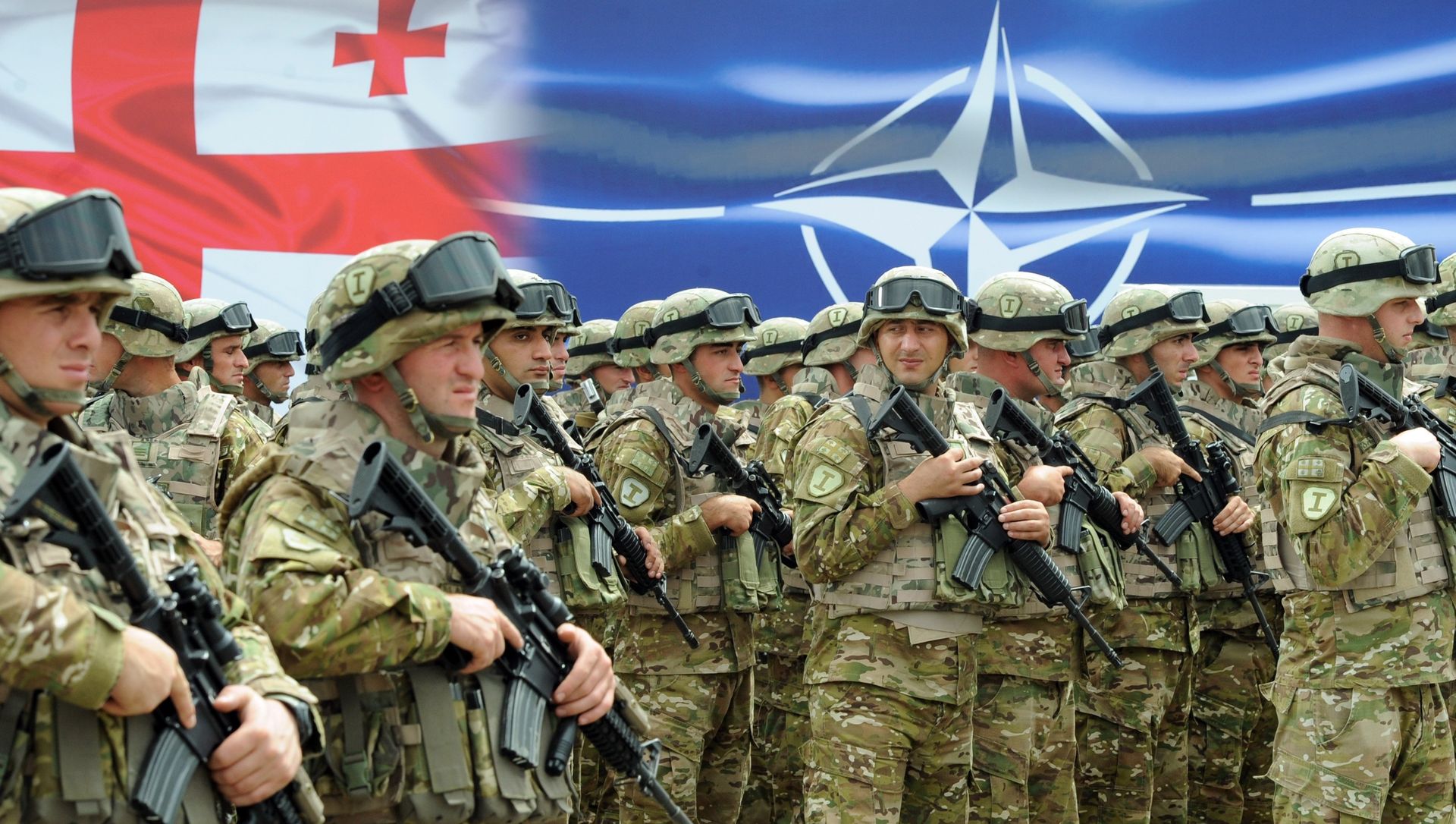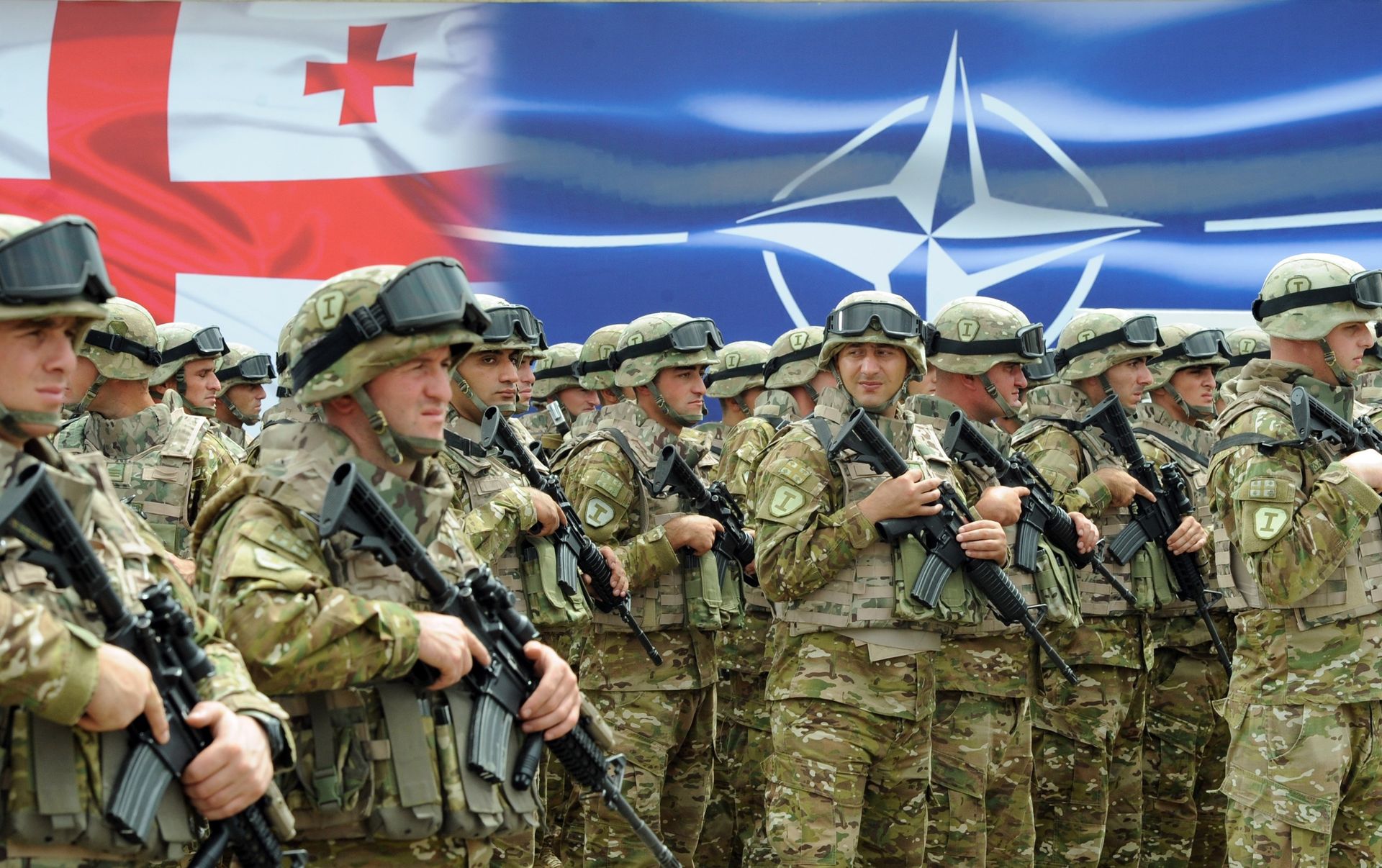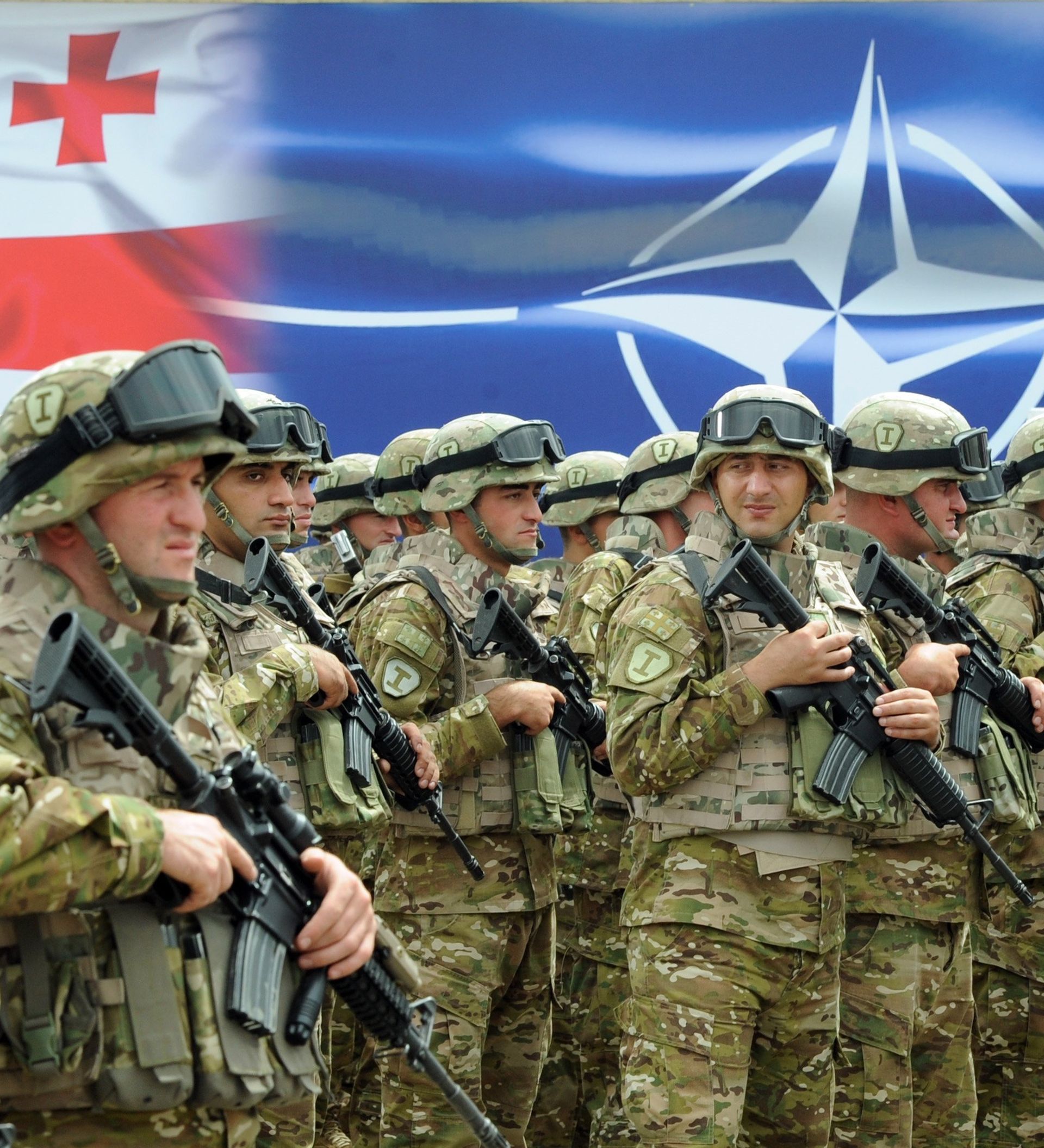
Azhdar Kurtov, the editor-in-chief of the "National Strategy Issues" magazine, singled out Georgia, an aspiring NATO member since 2011, as the country that could be badly affected by a diplomatic row between Turkey and Austria.
"Turkey could block NATO's cooperation with Georgia," Kurtov told Izvestiya. "As long as Tbilisi is not a NATO member, Ankara will have enough leverage to pressure the Georgian leadership in the context of the bilateral relationship. The Turks also understand that establishing a NATO base on Georgian territory would become a red flag for Russia. Ankara has been lately intent on improving relations with Moscow."
Tbilisi has long expressed its wish to join the US-led military bloc, much to Russia's discontent. Earlier this year, Georgian Chief of General Staff Vladimir Chachibaia was reported as suggesting that NATO could establish a coast guard base near the strategically important Black Sea port of Poti. In his view, such an initiative could help NATO boost its military presence in the region, something the alliance has long tried to do in a bid to contain Russia, but was largely unable due to limitations imposed by the Montreux Convention.
Ankara's spat with Vienna predates recent tensions. Last year, Austrian officials were among some of the most vocal opponents of continuing European Union membership talks with Turkey after Erdogan's purge following the unsuccessful July coup. However, defense analyst Victor Litovkin told Izvestiya that Turkey's row with Europe would not affect the bilateral relationship.
"Turkey could be engaged in 'blackmailing.' However, the conflict between Ankara and European capitals is temporary. It is not fundamental in its nature," he said.
Never miss a story again — sign up to our Telegram channel and we'll keep you up to speed!