Kim, a professor at Kyungnam University's Institute for Far East Studies, stressed that the Panmunjom Declaration for Peace, Prosperity & Unification of the Korean Peninsula, adopted Friday, signals the "firm will" of the two countries' leaders to solve the problems facing the region.
The academic recalled that "up to now, relations between the two countries have been on the decline due to a number of external factors, such as the North Korean nuclear issue, Pyongyang's relations with the US, and relations between the US and China."
"Therefore," he noted, "the declaration contains a clear and firm intention to end this period of severed ties and to begin, on the basis of the strengthening of inter-Korean relations, to play the role of a guide in creating a system of peace and denuclearization on the peninsula."
According to Kim, "the purpose of this meeting was to show the special character of relations between the South and the North, and the firmness and steadfastness of inter-Korean ties, despite the ups and downs in relations between Pyongyang and Washington, and the rollercoaster issue of denuclearization." It is this special character that allowed for a discussion of nuclear disarmament to take place in the first place, he added.
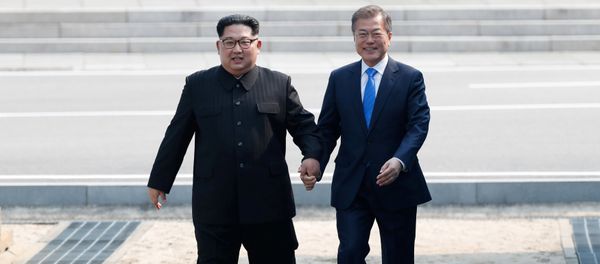
Together with Article 2, devoted to the alleviation of military tensions and the reduction of the threat of war, Article 3 speaks of the need to create a "permanent and solid" peace regime, finally bringing an end to the 65-year-old armistice.
According to Kim, by emphasizing the importance of the "very meaningful" measures undertaken by Pyongyang on denuclearization, Seoul has become a guarantor for the US and the international community as a whole in confirming Pyongyang's positive intentions. "In this way, we are taking on the role for ourselves as the real leader of the Korean peninsula, working to persuade the North into cooperation, and convincing the international community to provide compensation," the academic said.
For his part, Cheong Seong-chang, head of the Department of Unification Strategy Studies at the Sejong Institute, said that the issue of Pyongyang's commitment to denuclearization has a special significance.
"Complete denuclearization can be defined as a short-form for 'complete, verifiable and irreversible denuclearization' (CVID), which Presidents Trump and Moon have been working toward recently," he explained.
"And the fact that Secretary Kim Jong-un has agreed to the term 'complete nuclearization' in his joint communique with his South Korean counterpart speaks to the fact that he has already decided to completely abandon nuclear weapons pending the elimination of the military threat against the DPRK and the provision of security guarantees to the existing regime," Cheong added.
At the same time, he stressed that the declaration's point about finally bringing the war to an end would not have been possible to imagine without Pyongyang's agreement to the principle of denuclearization.
"Therefore, we can expect that in the course of the North Korean-American summit in late May or early June, a detailed agreement may be revealed on Pyongyang's renunciation of nuclear weapons, as well as the elimination of the military threat against North Korea, and security guarantees in favor of the current political system there," the observer said.
Commenting on the follow-up to the inter-Korean summit, which will include continued high-level political dialogue, increased economic ties, meetings between military officials, etc., Dr. Cheong stressed that "such a comprehensive resumption of inter-Korean relations by the leaders of the two states exceeded everyone's expectations, and became possible, in my opinion, due to North Korea's promises of complete denuclearization."
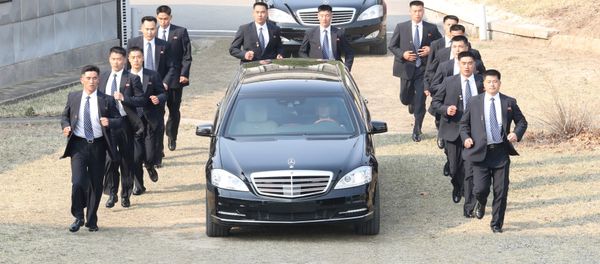
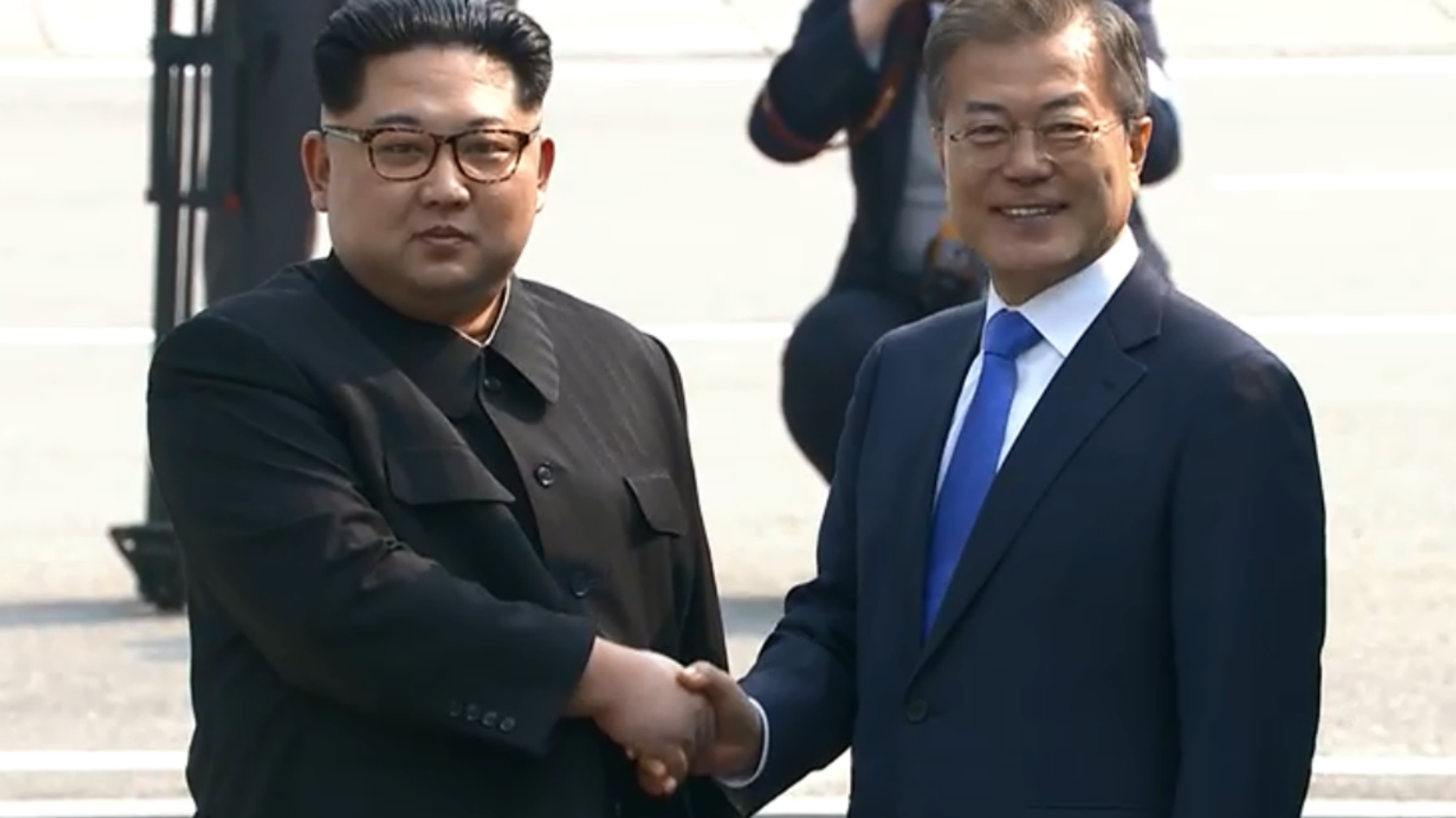
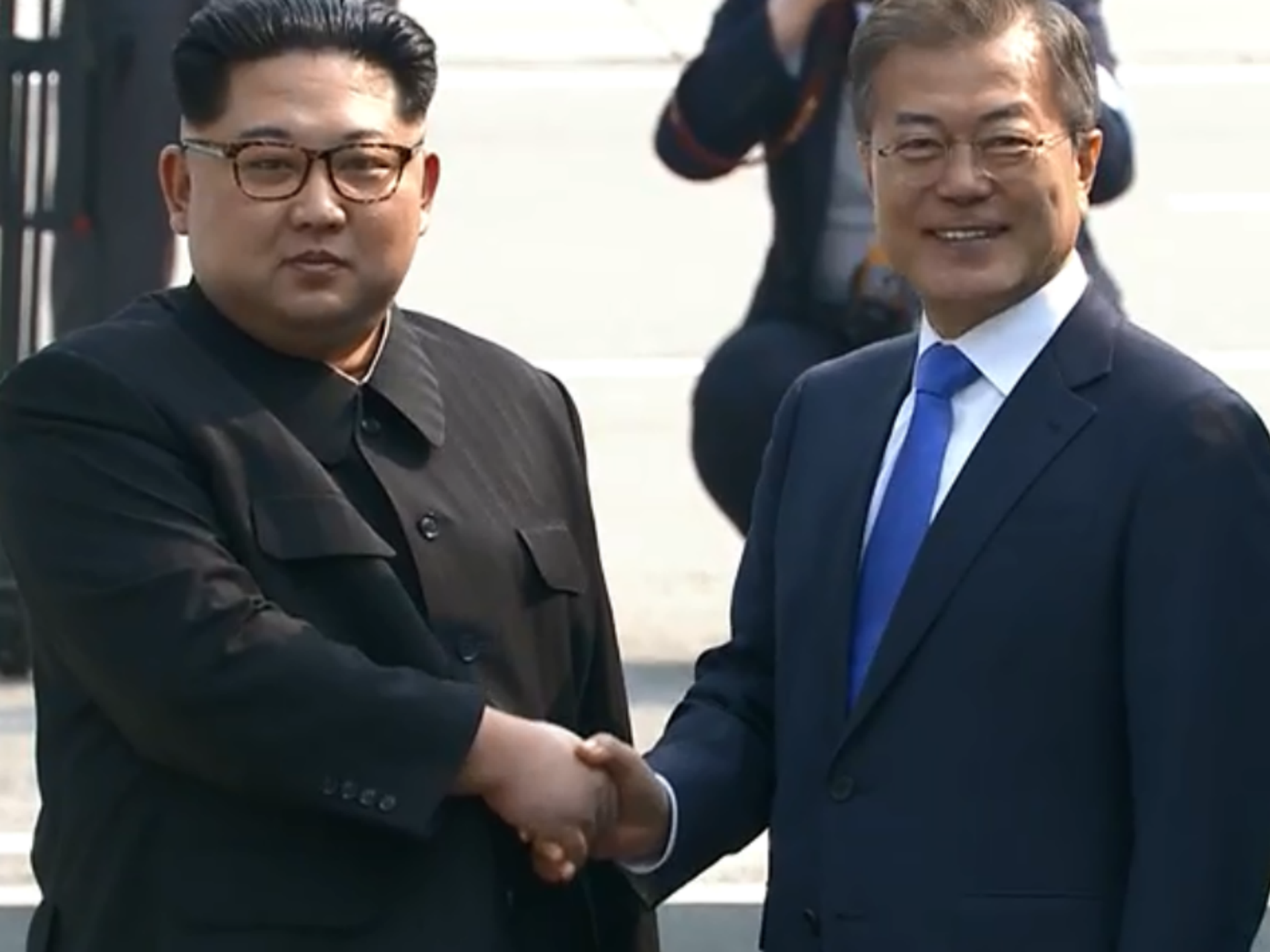
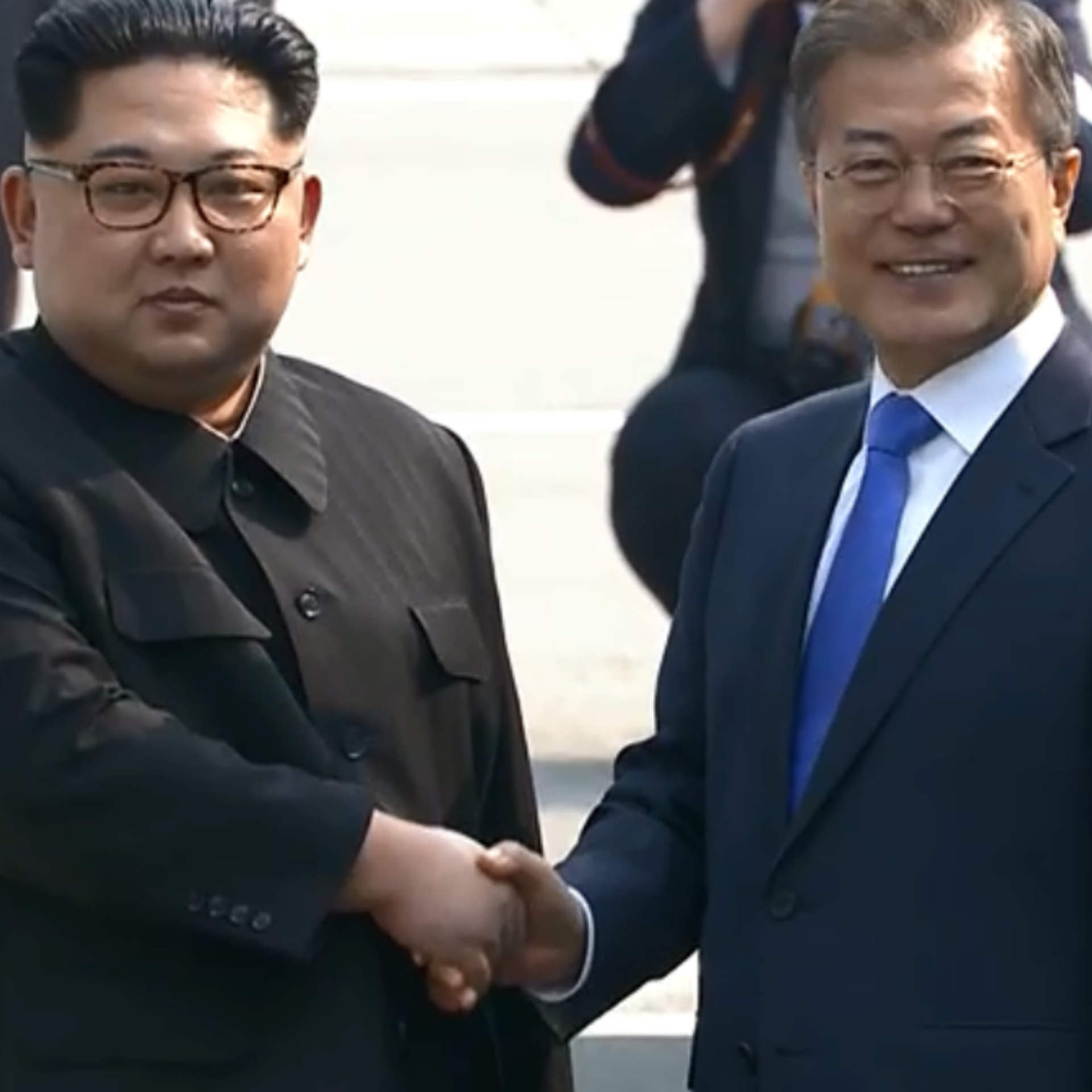
The 2018 inter-Korean summit took place on Friday, April 27 on the South Korean side of the Joint Security Area in the Truce Village of Panmunjom. The summit was the first in twenty years, and the first time a North Korean leader entered South Korean territory since the Korean War. High level communication will continue, with President Moon pledging to visit Pyongyang in the fall.