Switzerland has joined the ranks of countries that announced on Friday suspension of travel from southern Africa over the spread of the new Omicron coronavirus variant.
The United Kingdom was the first to halt flights from South Africa, Namibia, Zimbabwe, Botswana, Lesotho and Eswatini.
The United Kingdom was the first to halt flights from South Africa, Namibia, Zimbabwe, Botswana, Lesotho and Eswatini.
Among other countries that have imposed Africa travel restrictions are Canada, the United States, the Philippines, Spain, Israel, Austria, and Morocco.
The European Union has decided to impose a number of travel restrictions for arrival from the affected African states.
Bahrain's civil aviation authority included six countries in southern Africa into the so-called red list entailing a ban on travel excluding Bahrain's nationals and residence permit holders, as cited by the state-run BNA news agency.
Cyprus's Health Ministry has included Malawi on the list of countries from southern Africa bound to the travel ban. The latter applies to those who have been in the states in question over the past two weeks, except for the Cypriot citizens, nationals of EU member states, and some other categories of people.
Turkey banned travel from five African countries starting Saturday, as announced by Health Minister Fahrettin Koca.
Cyprus's Health Ministry has included Malawi on the list of countries from southern Africa bound to the travel ban. The latter applies to those who have been in the states in question over the past two weeks, except for the Cypriot citizens, nationals of EU member states, and some other categories of people.
Turkey banned travel from five African countries starting Saturday, as announced by Health Minister Fahrettin Koca.
Starting November 29, the ban will come into effect for seven African nations in the United Arab Emirates, according to the Emirates airline.
Guatemala imposed travel bans for Lesotho, Mozambique, and South Africa, as announced by Guatemalan President Alejandro Giammattei.
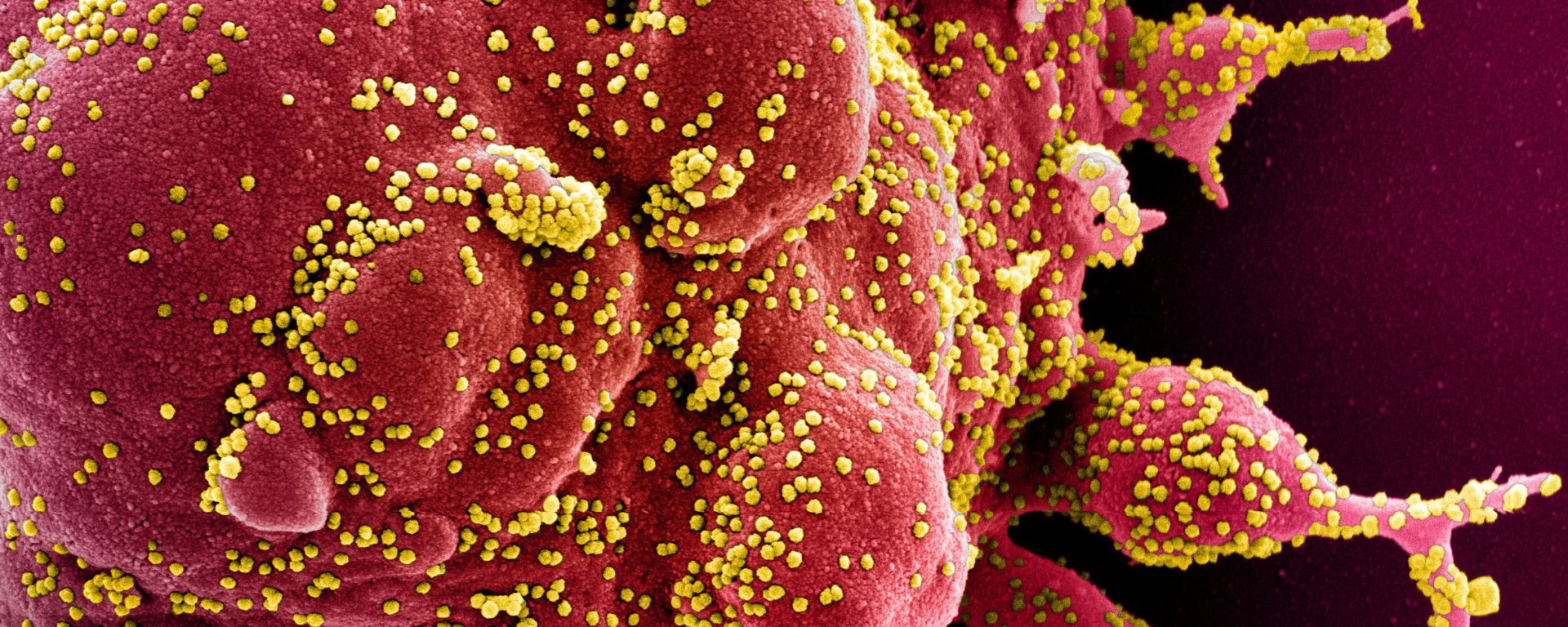
The new strain was discovered in South Africa and Botswana and immediately caused major concerns due to its potentially high transmissibility and resistance to vaccines.