https://sputnikglobe.com/20230823/activists-flood-seouls-streets-to-oppose-release-of-fukushima-radioactive-wastewater-1112819427.html
Activists Flood Seoul’s Streets to Oppose Release of Fukushima Radioactive Wastewater
Activists Flood Seoul’s Streets to Oppose Release of Fukushima Radioactive Wastewater
Sputnik International
Japanese Prime Minister Fumio Kishida announced earlier this week that the process of the treated Fukushima water being discharged would begin on August 24.
2023-08-23T13:58+0000
2023-08-23T13:58+0000
2023-08-23T13:58+0000
world
south korea
japan
2011 fukushima disaster
fukushima daiichi nuclear power plant
water
fumio kishida
https://cdn.imgsputnikglobe.com/img/07e7/08/17/1112819235_0:0:3172:1785_1920x0_80_0_0_301f5c862b750c505222847cbf82cdcf.jpg
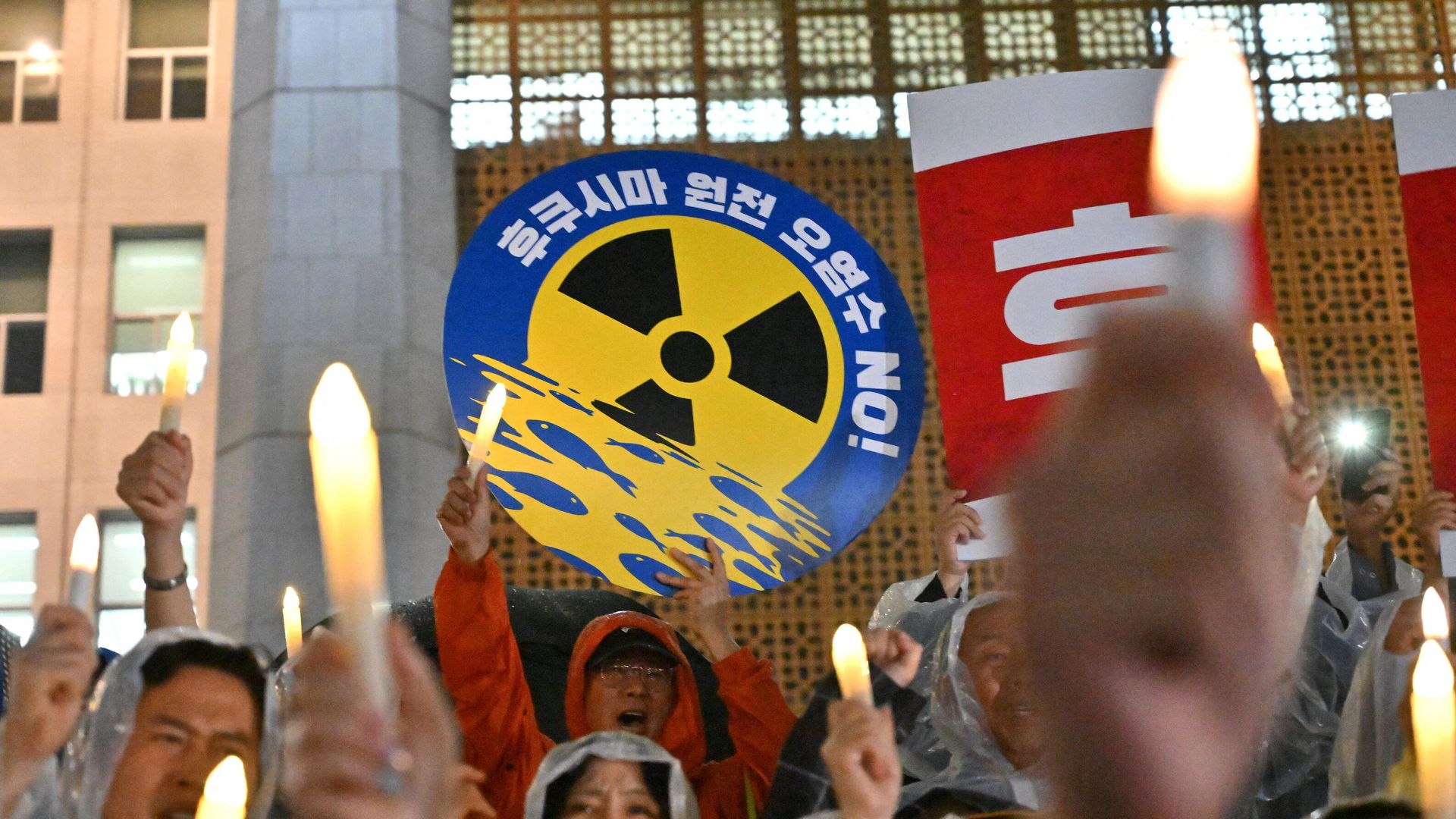
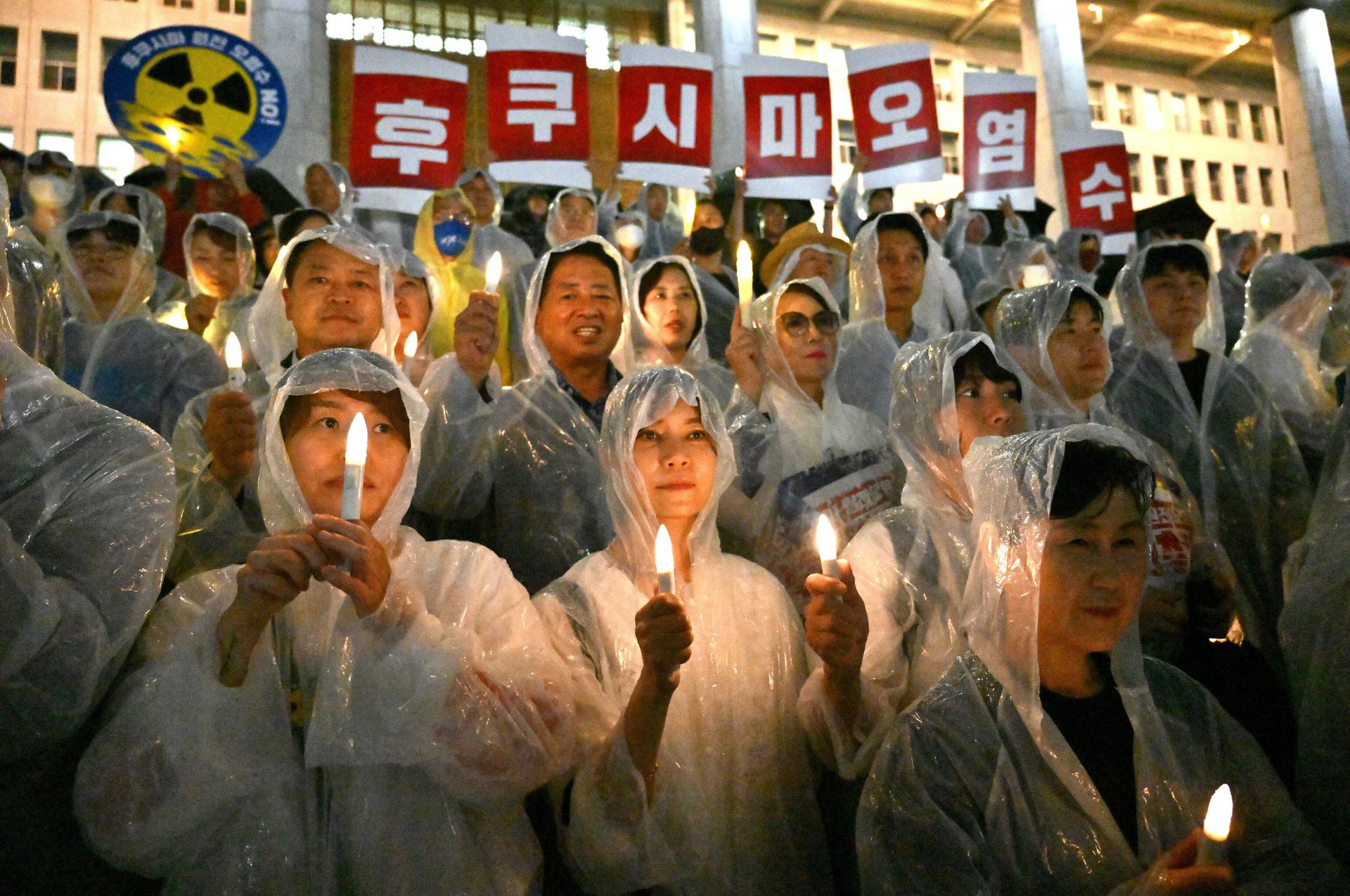
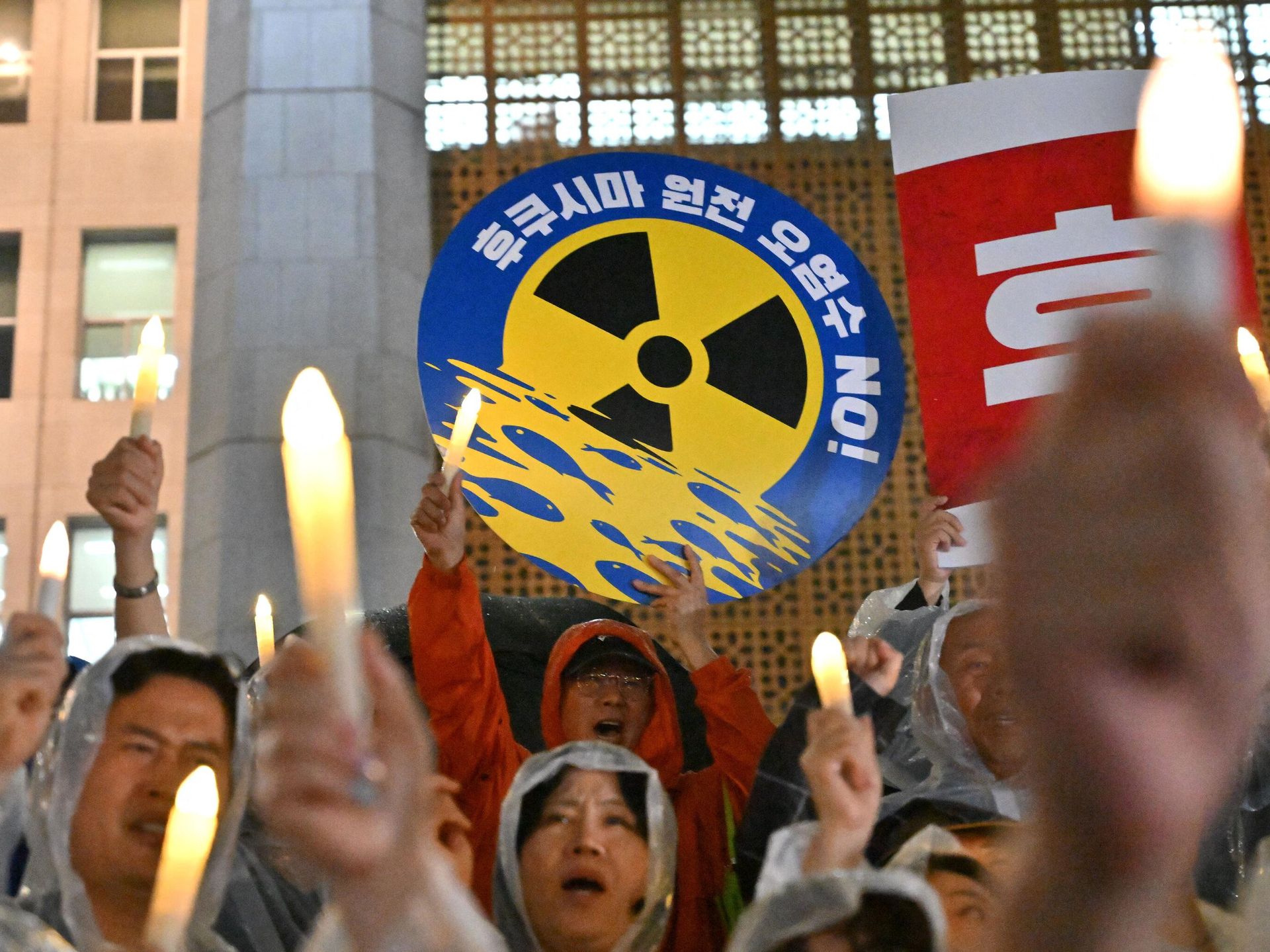
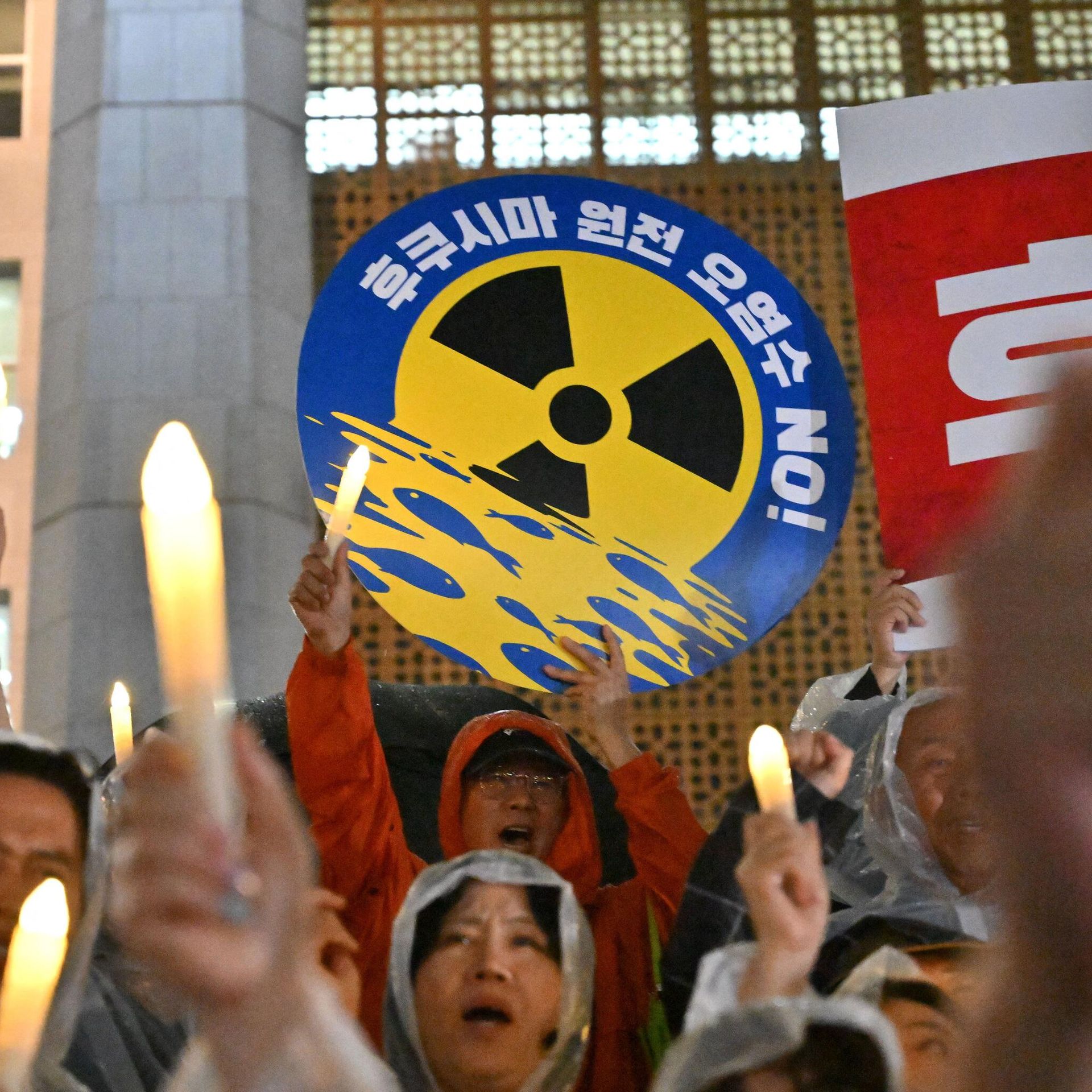
South Korean activists have stepped up protests against Japan’s plan to release treated radioactive water from the tsunami-wrecked Fukushima nuclear power plant into the ocean.He insisted that "Japan is about to bring irreversible calamity to South Korea and Pacific Rim countries with the release of radioactive contaminated water."His party also held a candlelight rally, which is due to be followed by a march toward the presidential office in Seoul on Thursday and a public rally on Saturday.Wednesday’s events are the latest in a series of rallies attended, in particular, by Choi Kyoung-sook of Korea Radiation Watch, an activist group that organized one of the protests."We are opposed […] because we believe the sea is not just for the Japanese government, but for all of us and for mankind," the activist added.This followed Japan’s nuclear regulator granting approval for TEPCO to start releasing the water, which Tokyo and the International Atomic Energy Agency (IAEA) claim is safe.The Fukushima nuclear disaster occurred on March 11, 2011. The plant was severely damaged by a magnitude 9 earthquake in the Pacific Ocean, which triggered a massive tsunami that hit the plant and caused three nuclear reactors to melt down. The accident is considered the worst nuclear disaster since the 1986 Chernobyl accident, something that has resulted in widespread contamination of local soil and water. The Fukushima disaster left 22,200 people dead or missing.
https://sputnikglobe.com/20230710/south-koreans-panic-buy-salt-seafood-amid-concerns-over-fukushima-wastewater-dump-1111780060.html
south korea
japan
Sputnik International
feedback@sputniknews.com
+74956456601
MIA „Rossiya Segodnya“
2023
Oleg Burunov
https://cdn.imgsputnikglobe.com/img/07e4/09/0b/1080424846_0:0:2048:2048_100x100_80_0_0_3d7b461f8a98586fa3fe739930816aea.jpg
Oleg Burunov
https://cdn.imgsputnikglobe.com/img/07e4/09/0b/1080424846_0:0:2048:2048_100x100_80_0_0_3d7b461f8a98586fa3fe739930816aea.jpg
News
en_EN
Sputnik International
feedback@sputniknews.com
+74956456601
MIA „Rossiya Segodnya“
Sputnik International
feedback@sputniknews.com
+74956456601
MIA „Rossiya Segodnya“
Oleg Burunov
https://cdn.imgsputnikglobe.com/img/07e4/09/0b/1080424846_0:0:2048:2048_100x100_80_0_0_3d7b461f8a98586fa3fe739930816aea.jpg
2011 fukushima disaster, japan's release of radioactive water from fukushima npp, japanese prime minister fumio kishida, protests in south korea
2011 fukushima disaster, japan's release of radioactive water from fukushima npp, japanese prime minister fumio kishida, protests in south korea
Activists Flood Seoul’s Streets to Oppose Release of Fukushima Radioactive Wastewater
Japanese Prime Minister Fumio Kishida announced earlier this week that the process of the treated Fukushima water being discharged would begin on August 24.
South Korean activists have stepped up protests against Japan’s plan to release treated radioactive water from the tsunami-wrecked
Fukushima nuclear power plant into the ocean.
Opposition Democratic Party leader Lee Jae-myung, for his part, said on Wednesday that they intend to hold the government of South Korean President Yoon Suk-yeol responsible for "failing to do its duties." Lee slammed Japan's plan to discharge water from the Fukushima plant as an act of "terror."
He insisted that "Japan is about to bring irreversible calamity to South Korea and Pacific Rim countries with the release of radioactive contaminated water."
His party also held a candlelight rally, which is due to be followed by a march toward the presidential office in Seoul on Thursday and a public rally on Saturday.
Wednesday’s events are the latest in a series of rallies attended, in particular, by Choi Kyoung-sook of Korea Radiation Watch, an activist group that organized one of the protests.
Choi warned that if the water is discarded, “radioactive substances contained in the contaminated water will eventually destroy the marine ecosystem."
"We are opposed […] because we believe the sea is not just for the Japanese government, but for all of us and for mankind," the activist added.
The latest protests come after Fukushima NPP operator Tokyo Electric Power Company Holdings (TEPCO) reportedly started to transfuse treated radioactive water from the tanks it had been stored in after the 2011 disaster for further discharge into the sea.
This followed Japan’s nuclear regulator granting approval for TEPCO to start releasing the water, which Tokyo and the International Atomic Energy Agency (IAEA) claim is safe.
The Fukushima nuclear disaster occurred on March 11, 2011. The plant was severely damaged by a magnitude 9 earthquake in the Pacific Ocean, which triggered a massive tsunami that hit the plant and caused three nuclear reactors to melt down. The accident is considered the worst nuclear disaster since the 1986 Chernobyl accident, something that has resulted in widespread contamination of local soil and water. The Fukushima disaster left 22,200 people dead or missing.