https://sputnikglobe.com/20240805/just-in-time-to-repulse-aggression-meet-irans-brand-new-air-and-missile-defense-systems-1119647754.html
Just in Time to Repulse Aggression: Meet Iran’s Brand New Air and Missile Defense Systems
Just in Time to Repulse Aggression: Meet Iran’s Brand New Air and Missile Defense Systems
Sputnik International
Iran possesses one of the densest air and missile defense networks in the Middle East, something that may come in handy should Israel proceed with its reported plan to launch a preemptive attack against the Islamic Republic in anticipation of Tehran’s likely retaliation for the assassination of Hamas chief negotiator Ismail Haniyeh.
2024-08-05T18:45+0000
2024-08-05T18:45+0000
2024-08-05T18:45+0000
military
military & intelligence
islamic republic
israel
s-300
s-400
iran
air defense
missile defense
https://cdn.imgsputnikglobe.com/img/07e8/08/05/1119648953_0:0:2560:1441_1920x0_80_0_0_4f8d6061f9c3d8c4b2e31956abc8ab3d.png
Iran has developed an array of sophisticated homegrown air defense systems and radars over the years, including several unveiled in 2024. Here’s what we know about them:9-DeyThis new short-range air defense system was successfully tested during IRGC Aerospace Force drills in January. Designed to engage low-altitude threats, including cruise missiles and drones, and weapons fired by enemy aircraft, the 9-Dey missiles’ launcher is mounted aboard a modified Sevom Khordad road-mobile medium-range air defense missile system (the same system which shot down a stealthy US RQ-4 Global Hawk over the Strait of Hormuz in 2019 after it violated Iran’s airspace).Making use of the Sevom Khordad’s launch vehicle and radar, the 9-Dey missile system comes with eight 200 kg ready-to-fire missiles with a range of up to 30 km. The missiles are solid fueled, meaning minimal preparation time, and can reportedly accelerate to speeds between Mach 3 and 4, allowing them to reach their targets in between 22-32 seconds (speed being the critical factor when taking on enemy missiles). The 9-Dey can simultaneously track up to 32 airborne threats. Its missiles are guided from the ground, and feature radar, thermal imaging and optical detection capabilities and laser proximity fuses, and are designed to be able to break through electronic warfare jamming.ArmanUnveiled in February, this new anti-ballistic missile system is designed to tackle an array of threats, including short-range ballistic, cruise and anti-radiation missiles, guided bombs, drones, helicopters and modern Israeli and US fighter jets. The system is said to feature a sophisticated radar (active or passive) with a 360-degree field of view and the ability to identify and track up to 24 targets at ranges up to 200 km, and intercept them when they approach within 150 km, at altitudes up to 27 km. Photos of the system show that its road-mobile launchers can be fitted to carry between one and three heavy 1,000 kg Sayyad-2, Sayyad-3 and Sayyad-3F interceptor missiles. The missiles are launched in vertical position. The system has a reported reaction time of less than 20 seconds.AzarakhshAlso unveiled in February, this modular short-range, low-altitude air defense system is designed to be light enough to be carried by small trucks, and comes with 70 kg missiles with a 4.5 kg HE-Frag warhead and a range of up to 10 km. The launch platform comes with its own phased array radar with 50 km range and electro-optical and infrared tracking system with a range of 25 km. The system’s four ready-to-launch missiles are self-guided. Since the platform is modular, in addition to trucks, it can, in theory, also be attached to other vehicles, warships, or stationary sites.Upgraded Bavar-373 In April, Iran showed off a new version of the Bavar-373 - the road-mobile long-range surface-to-air and anti-ballistic missile system unveiled in 2019 and touted as the Iranian analogue to Russia’s S-300. The upgraded system is said to feature modified Sayyad-4B two-stage solid-fueled interceptor missiles, and to boast the ability to intercept and engage aerial targets at ranges between 300-400 km at altitudes up to 120 km. The missiles feature new seeker, guidance and control systems and upgraded warheads, complementing the Bavar-373’s Meraj-4 S-band 3D active electronically scanned early warning radar, acquisition radar and command post (the base version of the Meraj-4 has a 450 km detection range, and is said to be able to track up to 200 targets at once).Of course, developing such powerful modern air and missile defense systems is one thing. Possessing them in large numbers is another. Iran is notoriously tight-lipped about the scale of production of its defense hardware, but is known to possess one of the largest full-chain defense-industrial bases in the Middle East, combined with science and technology potential ranking in the top ten in the world by some indicators. That means whatever the scale of potential Israeli or US aggression, even a handful of each of the above air defense platforms placed in key strategic areas and working in coordination with existing systems should put a serious dent in any enemy strike potential.
islamic republic
israel
iran
Sputnik International
feedback@sputniknews.com
+74956456601
MIA „Rossiya Segodnya“
2024
News
en_EN
Sputnik International
feedback@sputniknews.com
+74956456601
MIA „Rossiya Segodnya“
Sputnik International
feedback@sputniknews.com
+74956456601
MIA „Rossiya Segodnya“
does iran have good air defenses, does iran have missile defense, what kinds of air defense missiles does iran have
does iran have good air defenses, does iran have missile defense, what kinds of air defense missiles does iran have
Just in Time to Repulse Aggression: Meet Iran’s Brand New Air and Missile Defense Systems
Iran possesses one of the densest air and missile defense networks in the Middle East, something that may come in handy should Israel proceed with its reported plan to launch a preemptive attack against the Islamic Republic in anticipation of Tehran’s likely retaliation for the assassination of Hamas chief negotiator Ismail Haniyeh.
Iran has developed an array of sophisticated homegrown air defense systems and radars over the years, including several unveiled in 2024. Here’s what we know about them:
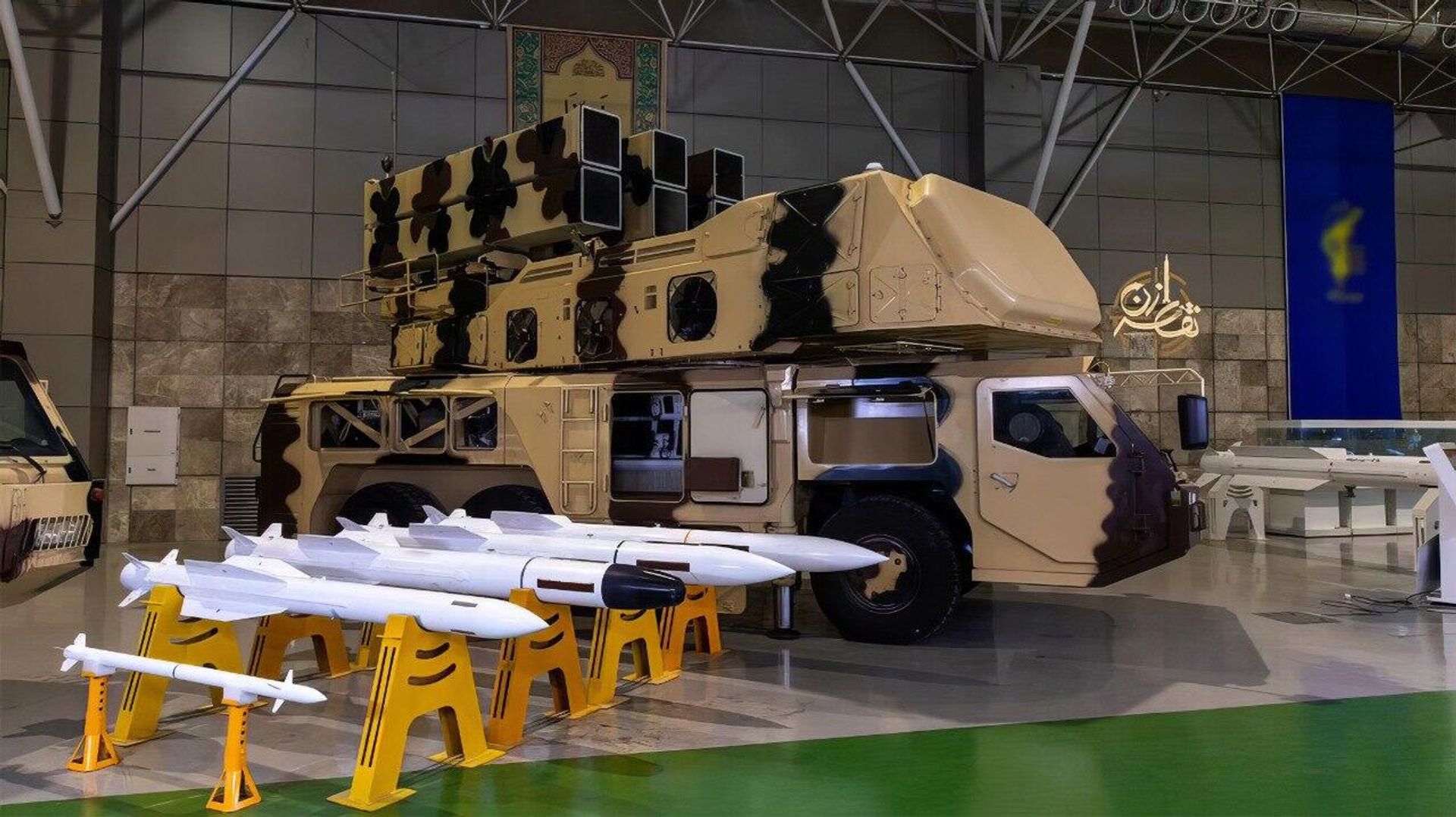
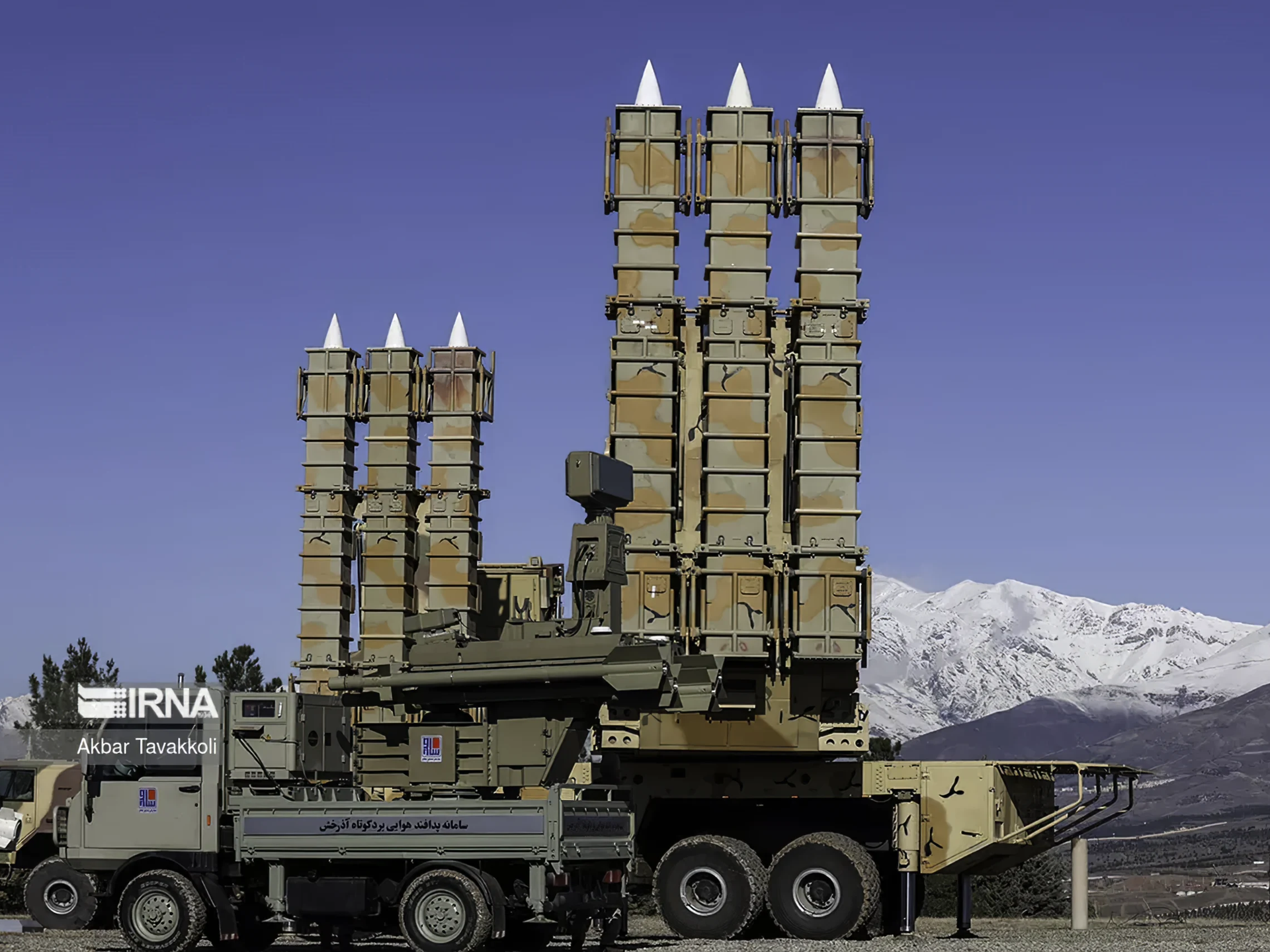
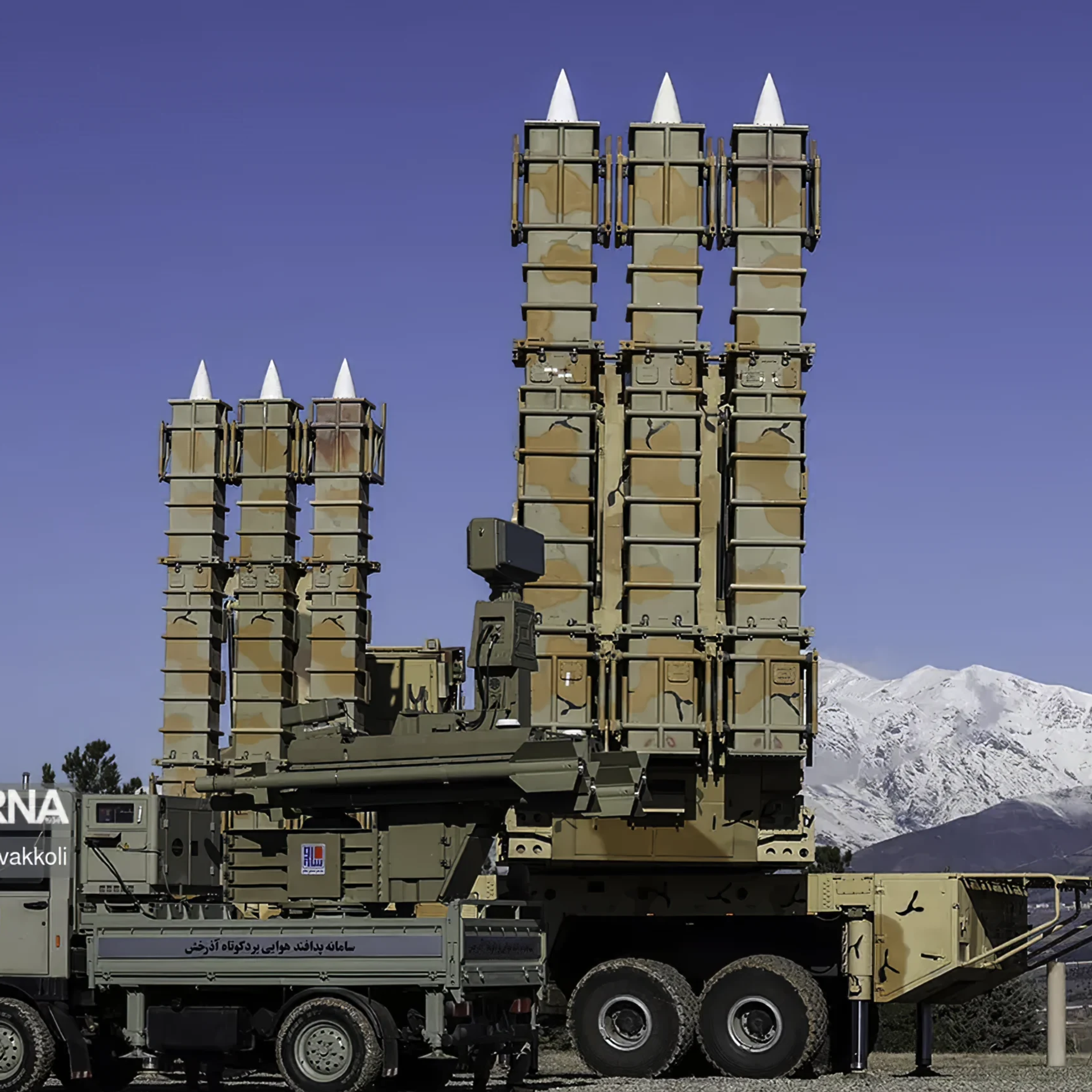
This new short-range air defense system was successfully tested during IRGC Aerospace Force drills in January. Designed to engage low-altitude threats, including cruise missiles and drones, and weapons fired by enemy aircraft, the 9-Dey missiles’ launcher is mounted aboard a modified Sevom Khordad road-mobile medium-range air defense missile system (the same system which shot down a stealthy US RQ-4 Global Hawk over the Strait of Hormuz in 2019 after it violated Iran’s airspace).
Making use of the Sevom Khordad’s launch vehicle and radar, the 9-Dey missile system comes with eight 200 kg ready-to-fire missiles with a range of up to 30 km. The missiles are solid fueled, meaning minimal preparation time, and can reportedly accelerate to speeds between Mach 3 and 4, allowing them to reach their targets in between 22-32 seconds (speed being the critical factor when taking on enemy missiles). The 9-Dey can simultaneously track up to 32 airborne threats. Its missiles are guided from the ground, and feature radar, thermal imaging and optical detection capabilities and laser proximity fuses, and are designed to be able to break through electronic warfare jamming.
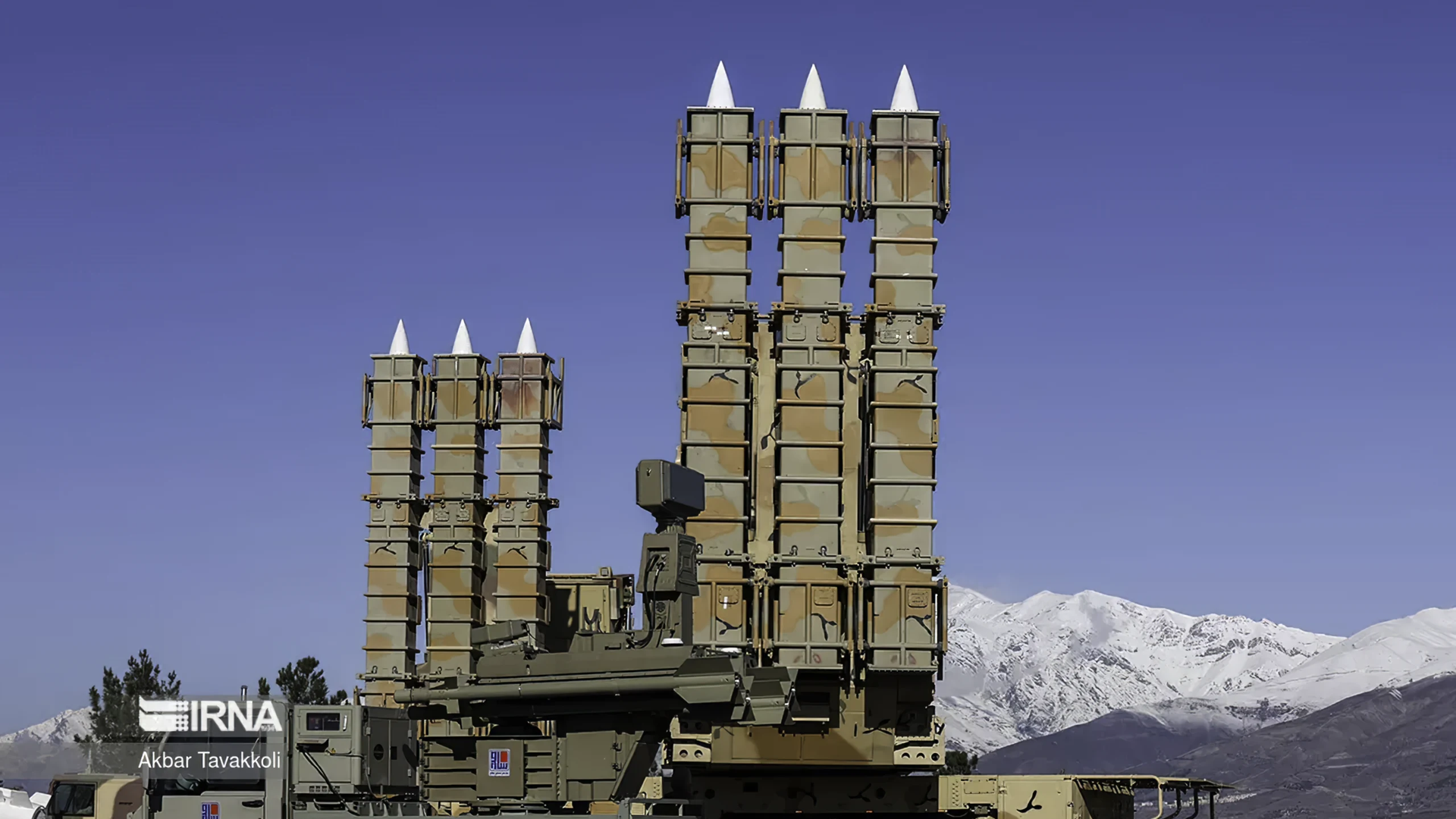
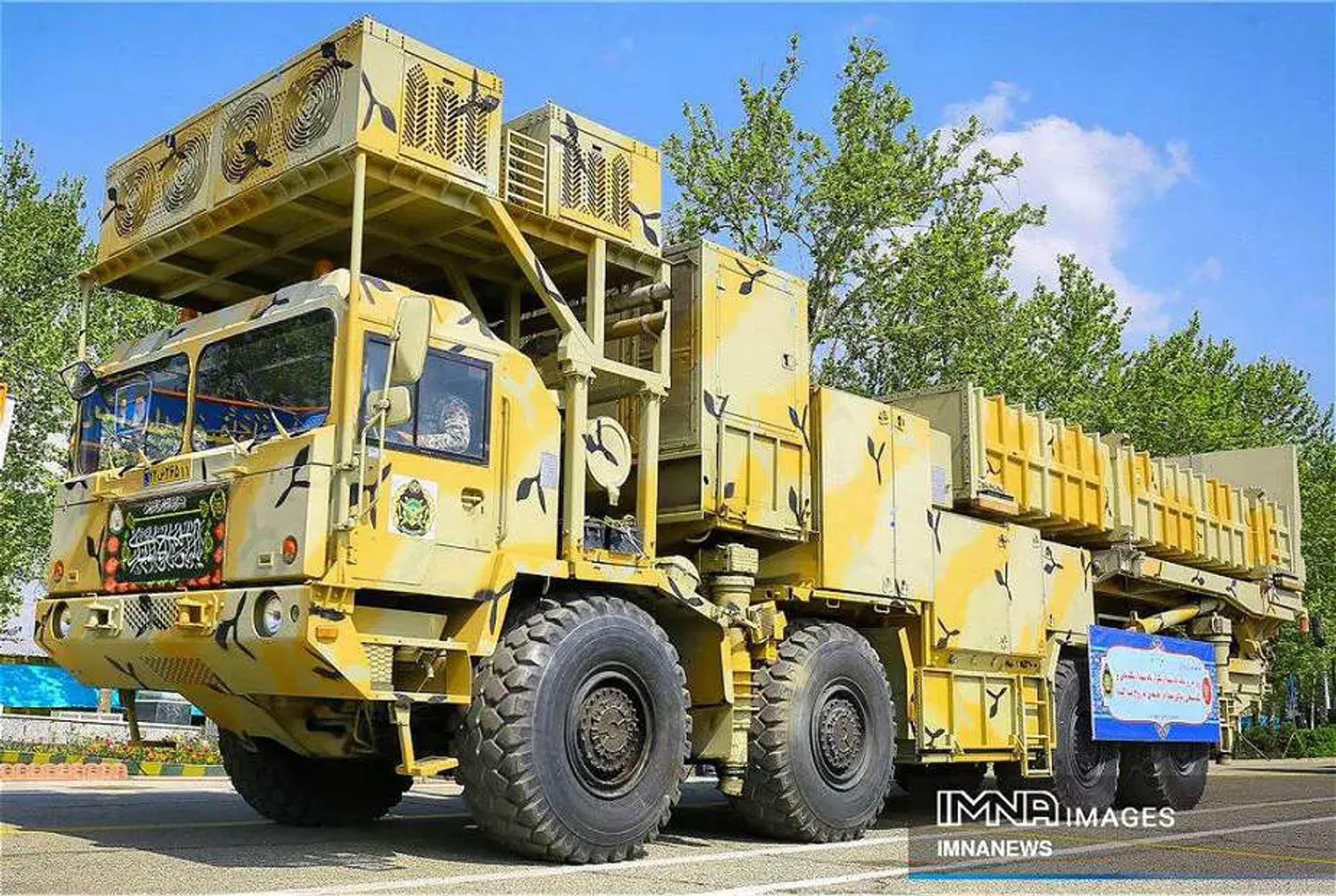
Unveiled in February, this new anti-ballistic missile system is designed to tackle an array of threats, including short-range ballistic, cruise and anti-radiation missiles, guided bombs, drones, helicopters and modern Israeli and US fighter jets. The system is said to feature a sophisticated radar (active or passive) with a 360-degree field of view and the ability to identify and track up to 24 targets at ranges up to 200 km, and intercept them when they approach within 150 km, at altitudes up to 27 km. Photos of the system show that its road-mobile launchers can be fitted to carry between one and three heavy 1,000 kg Sayyad-2, Sayyad-3 and Sayyad-3F interceptor missiles. The missiles are launched in vertical position. The system has a reported reaction time of less than 20 seconds.
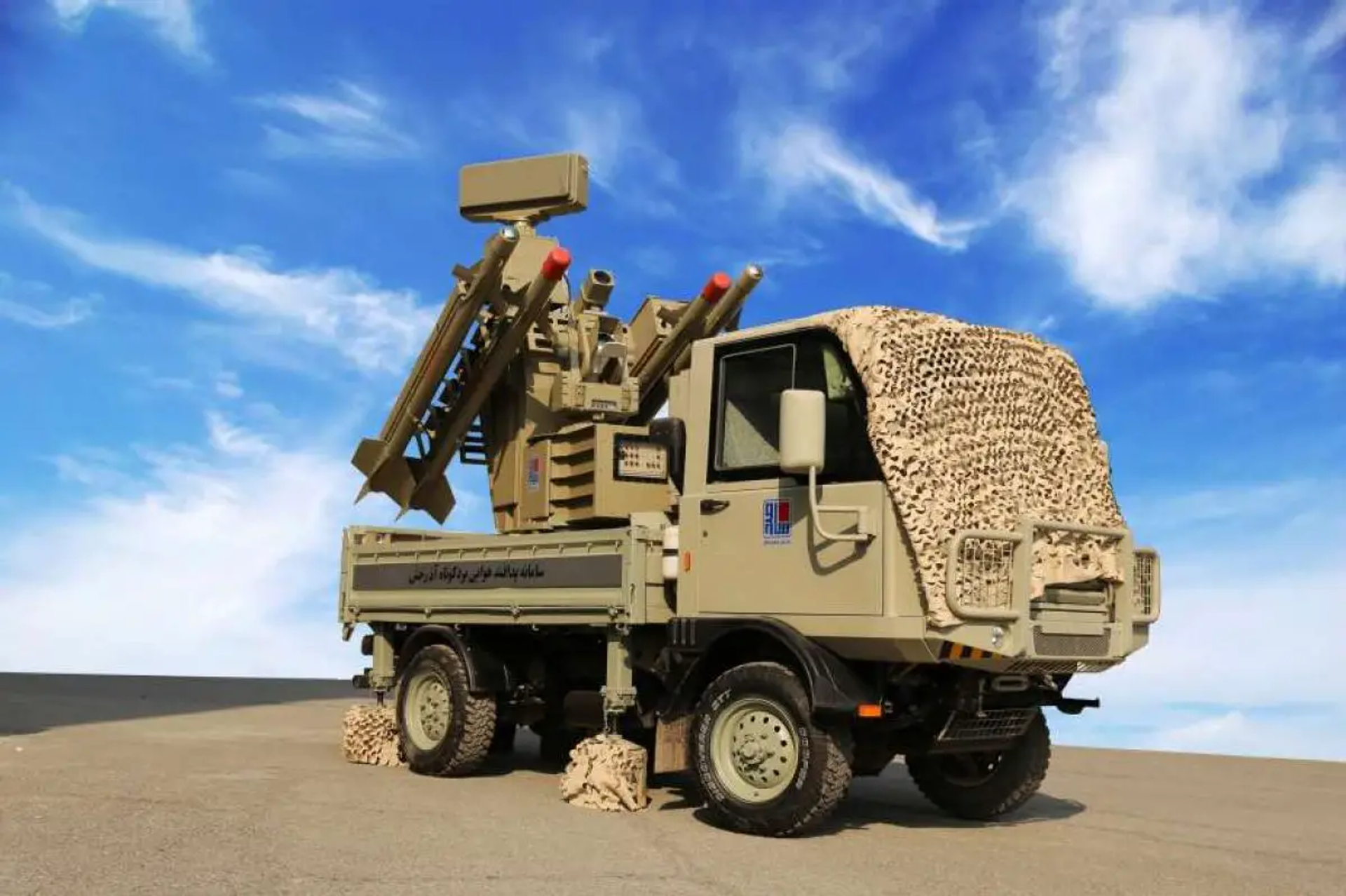
Also unveiled in February, this modular short-range, low-altitude air defense system is designed to be light enough to be carried by small trucks, and comes with 70 kg missiles with a 4.5 kg HE-Frag warhead and a range of up to 10 km. The launch platform comes with its own phased array radar with 50 km range and electro-optical and infrared tracking system with a range of 25 km. The system’s four ready-to-launch missiles are self-guided. Since the platform is modular, in addition to trucks, it can, in theory, also be attached to other vehicles, warships, or stationary sites.
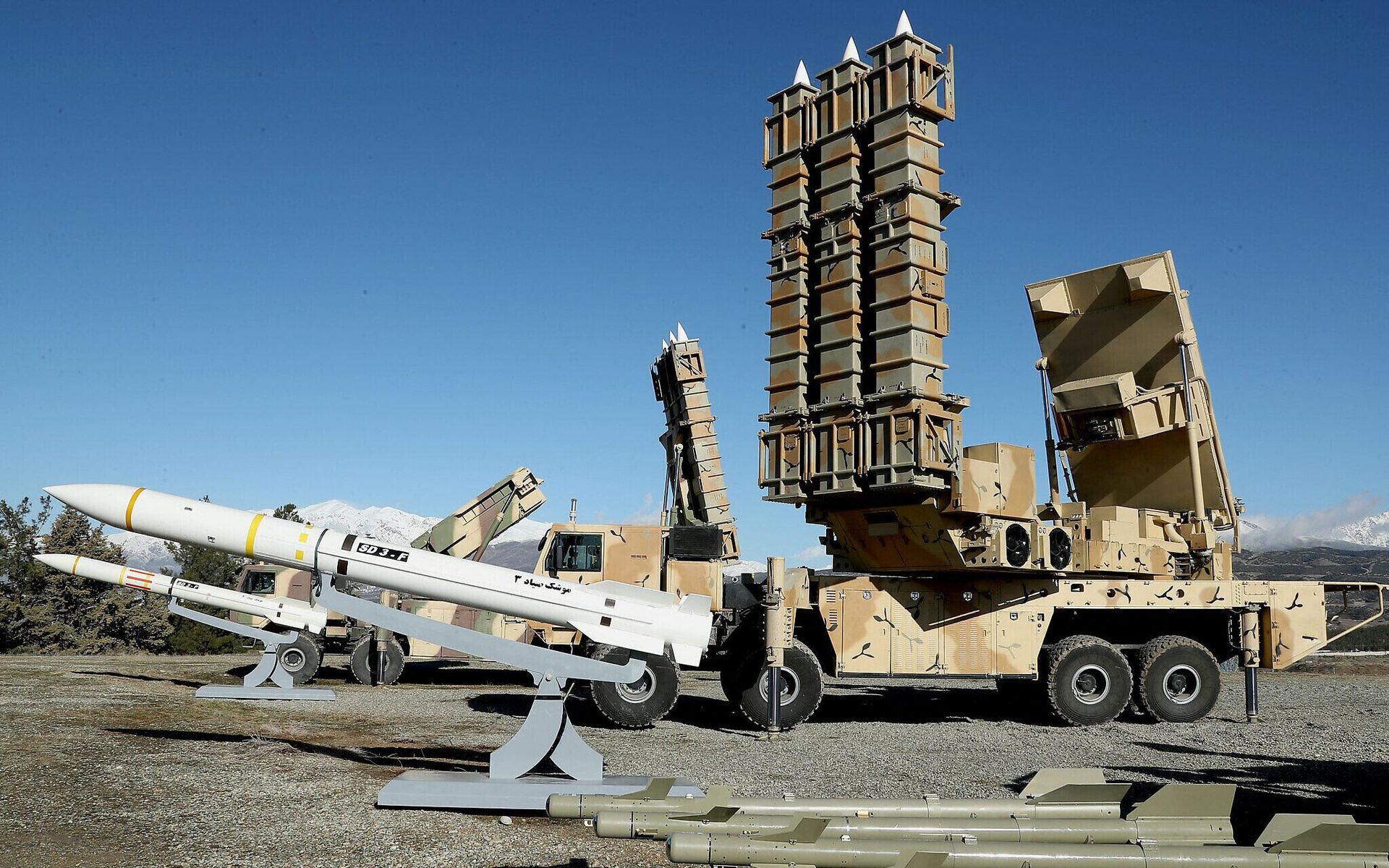
In April, Iran showed off a new version of the Bavar-373 - the road-mobile long-range surface-to-air and anti-ballistic missile system unveiled in 2019 and touted as the Iranian analogue to Russia’s S-300. The upgraded system is said to feature modified Sayyad-4B two-stage solid-fueled interceptor missiles, and to boast the ability to intercept and engage aerial targets at ranges between 300-400 km at altitudes up to 120 km. The missiles feature new seeker, guidance and control systems and upgraded warheads, complementing the Bavar-373’s Meraj-4 S-band 3D active electronically scanned early warning radar, acquisition radar and command post (the base version of the Meraj-4 has a 450 km detection range, and is said to be able to track up to 200 targets at once).
Of course, developing such powerful modern air and missile defense systems is one thing. Possessing them in large numbers is another. Iran is notoriously tight-lipped about the scale of production of its defense hardware, but is known to possess one of the largest full-chain defense-industrial bases in the Middle East, combined with science and technology potential ranking
in the top ten in the world by some indicators.
That means whatever the scale of potential Israeli or US aggression, even a handful of each of the above air defense platforms placed in key strategic areas and working in coordination with existing systems should put a serious dent in any enemy strike potential.