https://sputnikglobe.com/20250416/moscow-warns-ukraines-economic-integration-into-pan-european-market-will-backfire-on-eu-1121878237.html
Ukraine’s Economic Integration Into EU Could Spell Trouble for Bloc’s Economy
Ukraine’s Economic Integration Into EU Could Spell Trouble for Bloc’s Economy
Sputnik International
Integration of the Ukrainian economy into the pan-European market without waiting for the country’s accession to the European Union will turn out badly first of all for the bloc's economy itself, Vladislav Maslennikov, director of the Department of European Problems at the Russian Foreign Ministry, told Sputnik.
2025-04-16T09:29+0000
2025-04-16T09:29+0000
2025-04-16T09:44+0000
world
european union (eu)
ukraine
moscow
peter szijjarto
russian foreign ministry
economy
https://cdn.imgsputnikglobe.com/img/102278/30/1022783059_0:160:3076:1890_1920x0_80_0_0_49e0d5a6e54ec4607dbf018ab451c545.jpg
"I think that such plans would backfire first of all for the EU economy, because what happens when countries that are not ready for it economically or in any other way are accepted into the EU was clearly visible in the major enlargement of the EU that took place in 2004," Maslennikov said. He added that everyone knew perfectly well that when the 2004 enlargement took place, it was a political decision by EU member states to accept a large group of countries, while only Estonia was really ready to join at that time, while all the others were not ready to join to a various extent. The EU still has to deal with the consequences, including economic ones, of that major expansion, the diplomat added. On Monday, Hungarian Foreign Minister Peter Szijjarto said that the European Commission proposed to fully integrate Ukraine's economy into the EU without waiting for the country's accession. The largest enlargement of the EU took place on May 1, 2004. On that day, 10 countries joined the bloc, namely the Czech Republic, Estonia, Cyprus, Latvia, Lithuania, Hungary, Malta, Poland, Slovenia and Slovakia.
https://sputnikglobe.com/20250404/eu-rearmament-should-not-become-secret-ukraine-support-project---hungarys-top-diplomat-1121741765.html
ukraine
moscow
Sputnik International
feedback@sputniknews.com
+74956456601
MIA „Rossiya Segodnya“
2025
Sputnik International
feedback@sputniknews.com
+74956456601
MIA „Rossiya Segodnya“
News
en_EN
Sputnik International
feedback@sputniknews.com
+74956456601
MIA „Rossiya Segodnya“
Sputnik International
feedback@sputniknews.com
+74956456601
MIA „Rossiya Segodnya“
ukraine’s economic integration, pan-european market, bloc's economy
ukraine’s economic integration, pan-european market, bloc's economy
Ukraine’s Economic Integration Into EU Could Spell Trouble for Bloc’s Economy
09:29 GMT 16.04.2025 (Updated: 09:44 GMT 16.04.2025) MOSCOW (Sputnik) - Integration of the Ukrainian economy into the pan-European market without waiting for the country’s accession to the European Union will turn out badly first of all for the bloc's economy itself, Vladislav Maslennikov, director of the Department of European Problems at the Russian Foreign Ministry, told Sputnik.
"I think that such plans would backfire first of all for the
EU economy, because what happens when countries that are not ready for it economically or in any other way are accepted into the EU was clearly visible in the major enlargement of the EU that took place in 2004," Maslennikov said.
He added that everyone knew perfectly well that when the 2004 enlargement took place, it was a political decision by EU member states to accept a large group of countries, while only Estonia was really ready to join at that time, while all the others were not ready to join to a various extent.
The EU still has to deal with the consequences, including economic ones, of that major expansion, the diplomat added.
"That is why extending some of its economic or any other opportunities to a country that is effectively a black hole, like the current Kiev regime with its clear and obvious problems with corruption and the state of the Ukrainian economy in general, will naturally be more trouble than it's worth for the EU," Maslennikov said.
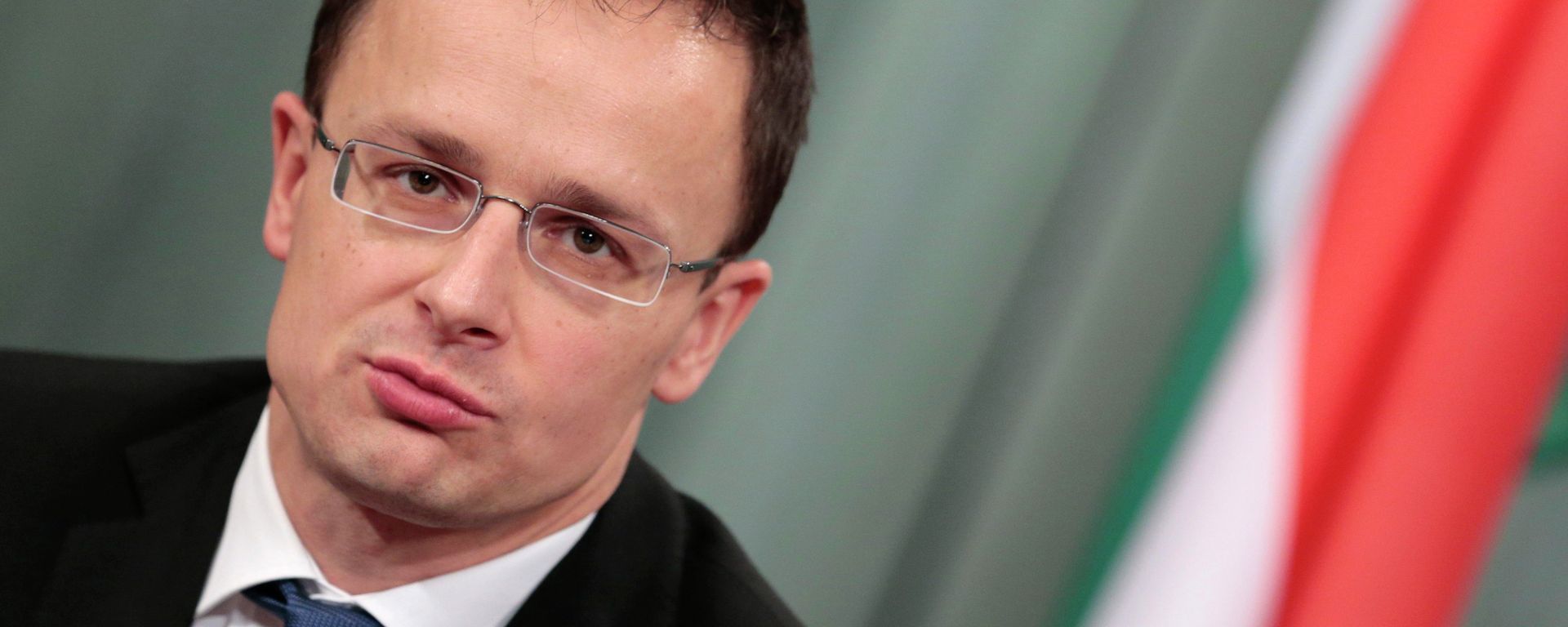
On Monday, Hungarian Foreign Minister Peter Szijjarto said that the European Commission proposed to fully integrate Ukraine's economy into the EU without waiting for the country's accession.
The largest enlargement of the EU took place on May 1, 2004. On that day, 10 countries joined the bloc, namely the Czech Republic, Estonia, Cyprus, Latvia, Lithuania, Hungary, Malta, Poland, Slovenia and Slovakia.