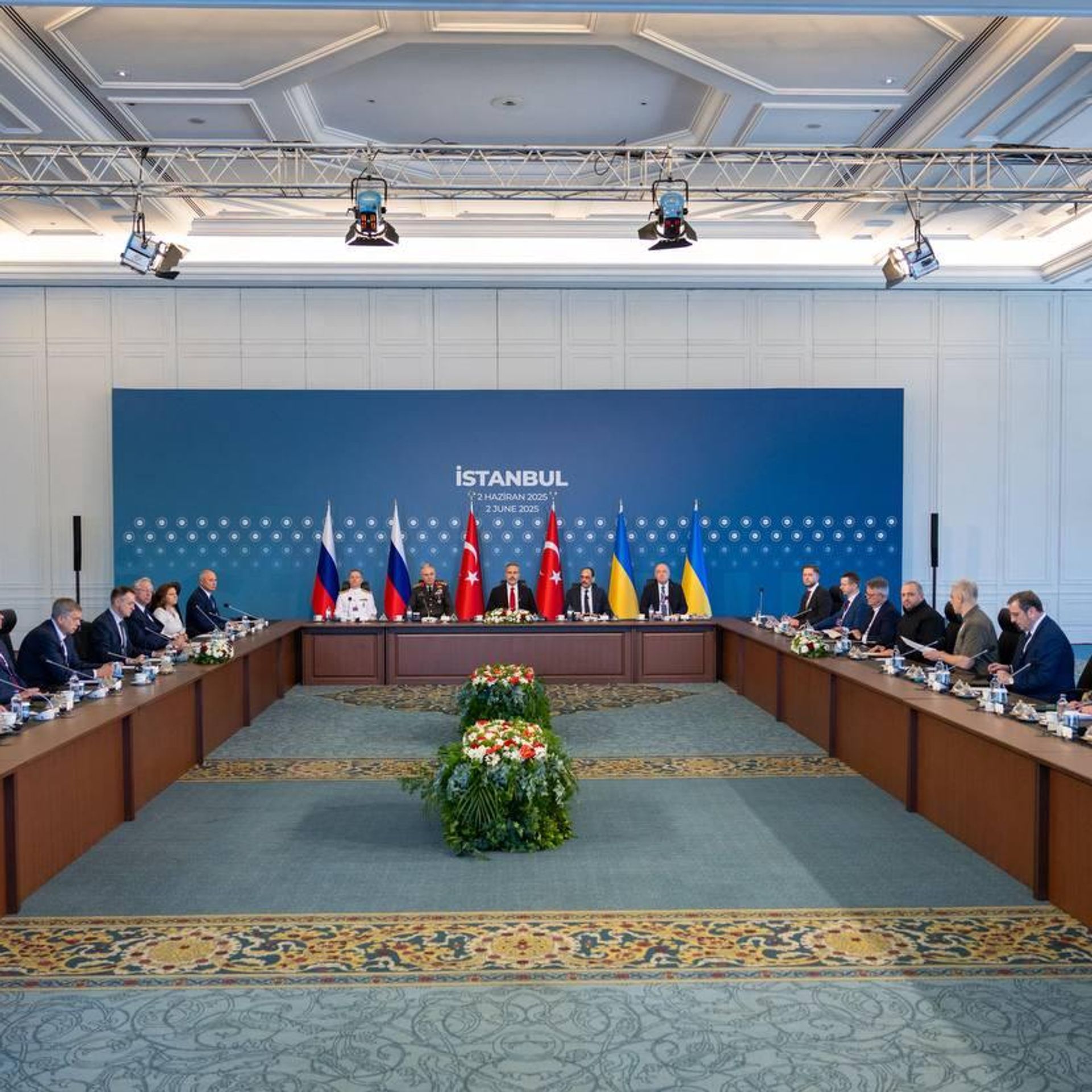
Delegations: Who’s at the Table?
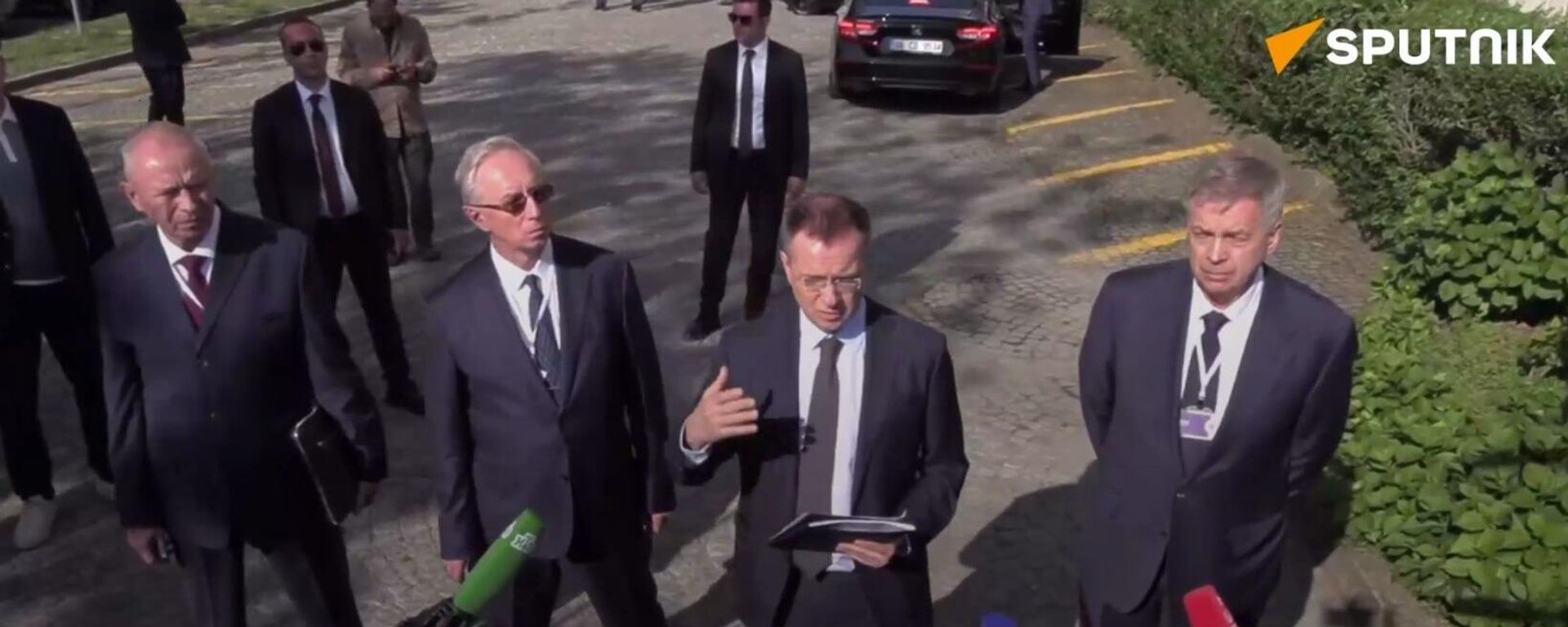
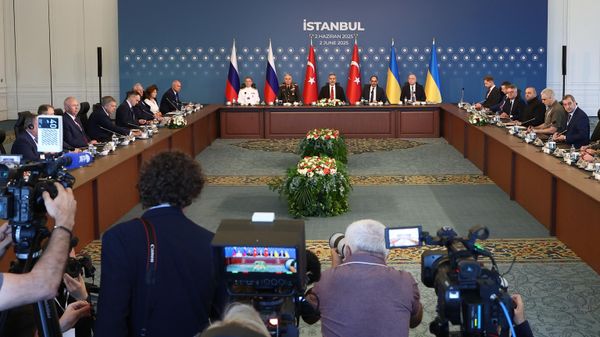
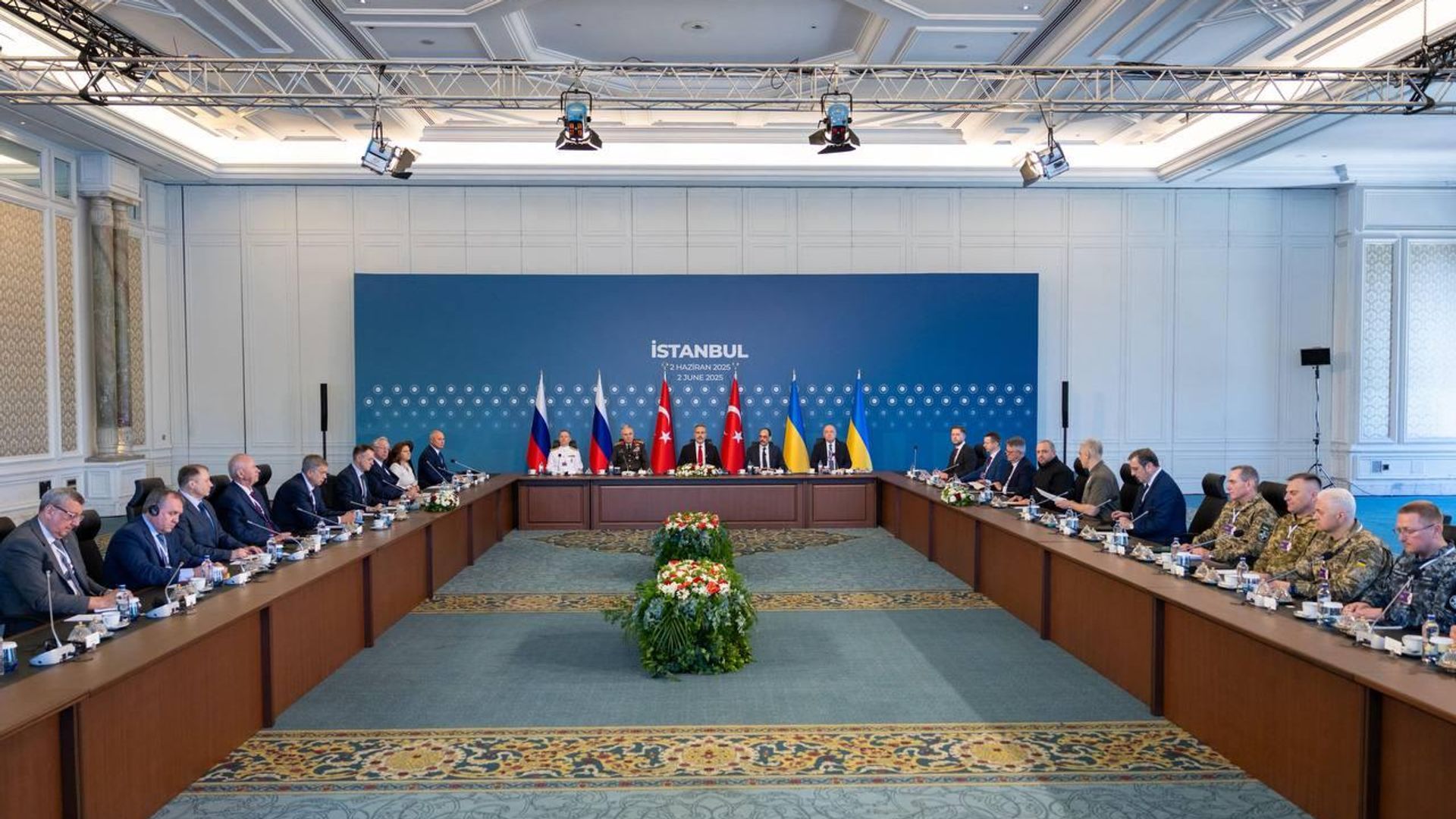
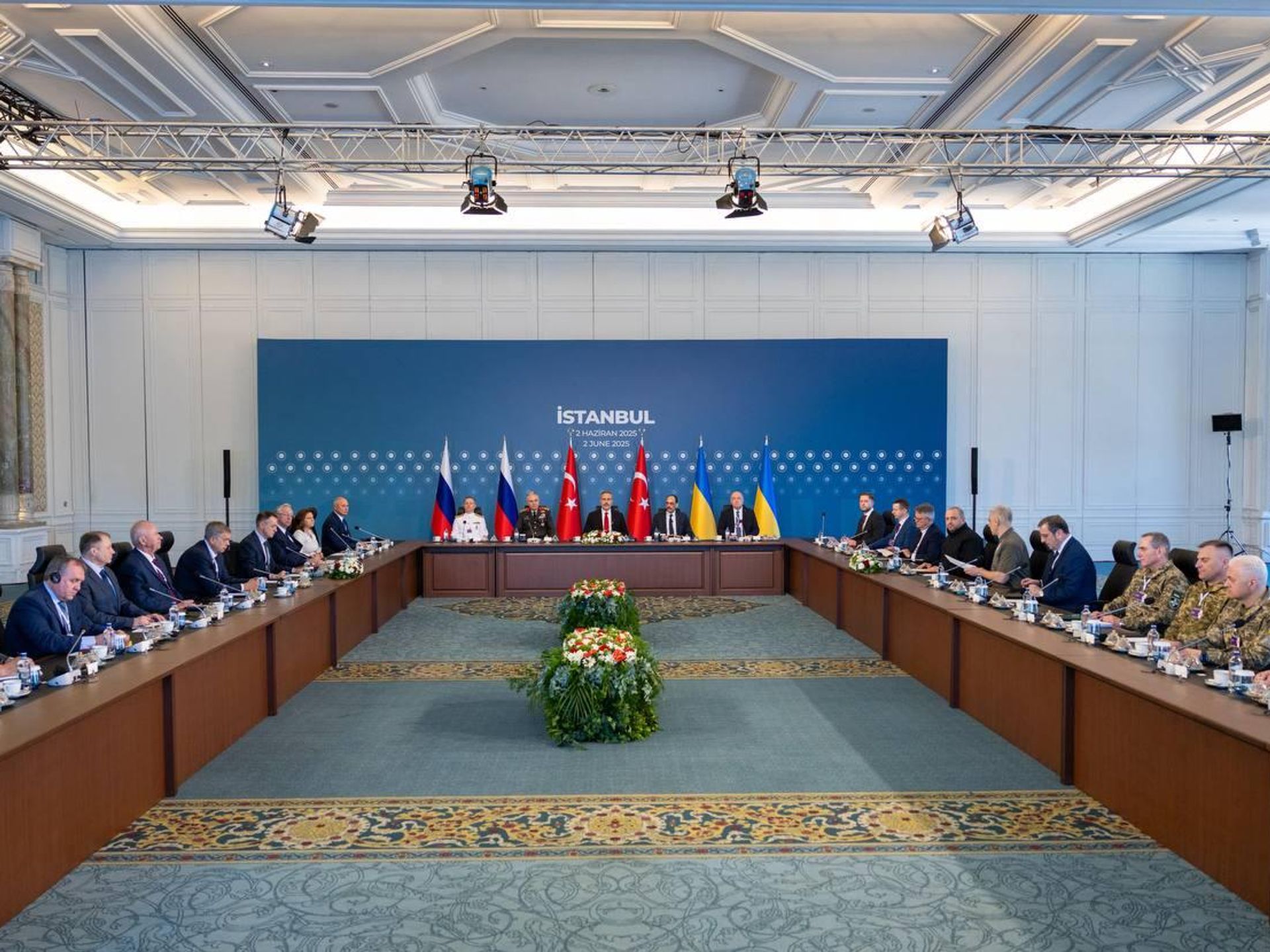
The Russian delegation remains unchanged. It is led by Presidential Aide Vladimir Medinsky and includes Deputy Foreign Minister Mikhail Galuzin, GRU Chief Igor Kostyukov, and Deputy Defense Minister Alexander Fomin.
Ukraine, after days of silence, confirmed its participation with an expanded team — 14 members, up from 12. New figures include Deputy Chief of the General Staff Yevhen Ostriansky, General Staff officer Andrii Fomin, and Verkhovna Rada representative Yurii Kovbasa. Notably absent is Oleksii Malovatsky, who attended the May talks. The delegation will be led by Defense Minister Rustem Umerov.
What Happened on May 16?
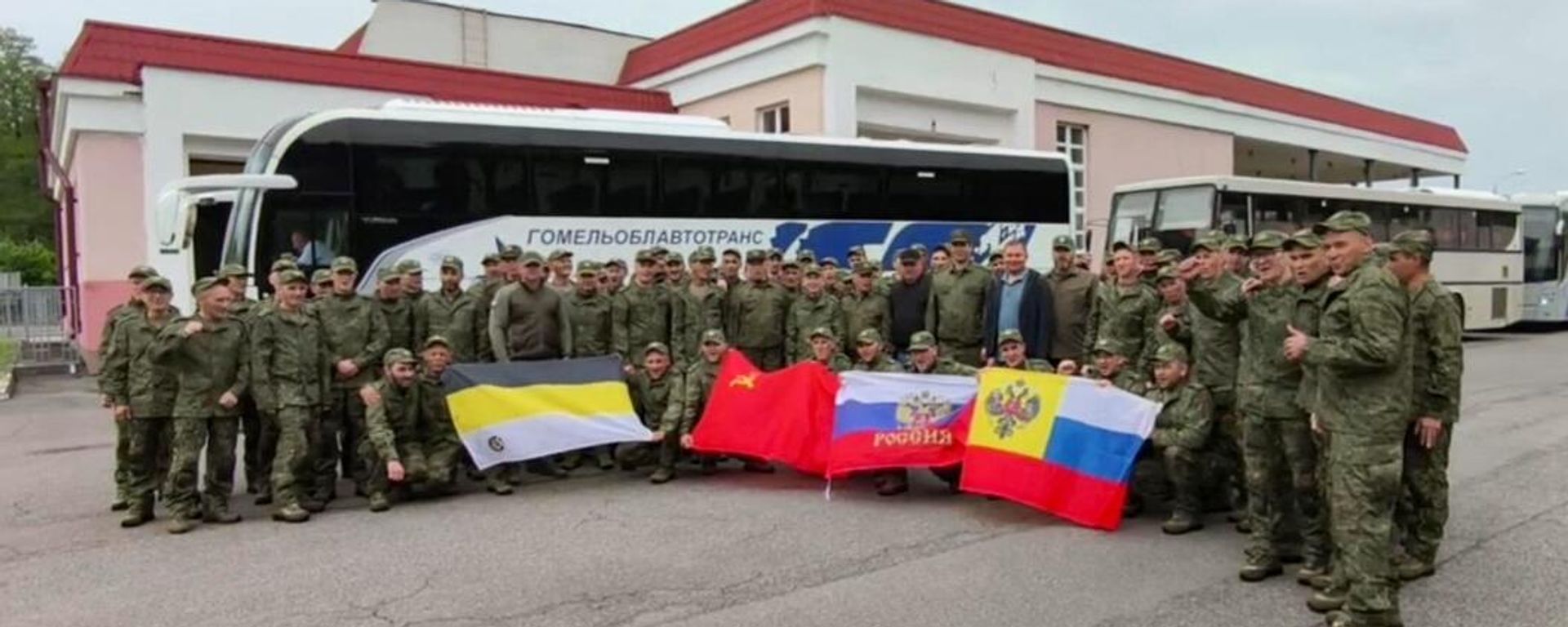
The initial round ended with what Moscow called a “satisfactory” result. A key outcome was a major prisoner exchange: 1,000 for 1,000, executed in three stages between May 23 and 25.
Additionally, both parties agreed to prepare detailed proposals for a future ceasefire framework, with further rounds planned based on those documents.
Russia’s aim: Address the Root Causes
According to the Kremlin, President Vladimir Putin’s directive to the Russian delegation is clear—secure long-term peace and address the root causes of the conflict. Moscow says it’s committed to maintaining a constructive approach in Istanbul and beyond.