https://sputnikglobe.com/20250926/russia-touts-top-notch-fourth-generation-nuclear-reactors-1122868306.html
Russia Touts Top-Notch Fourth Generation Nuclear Reactors
Russia Touts Top-Notch Fourth Generation Nuclear Reactors
Sputnik International
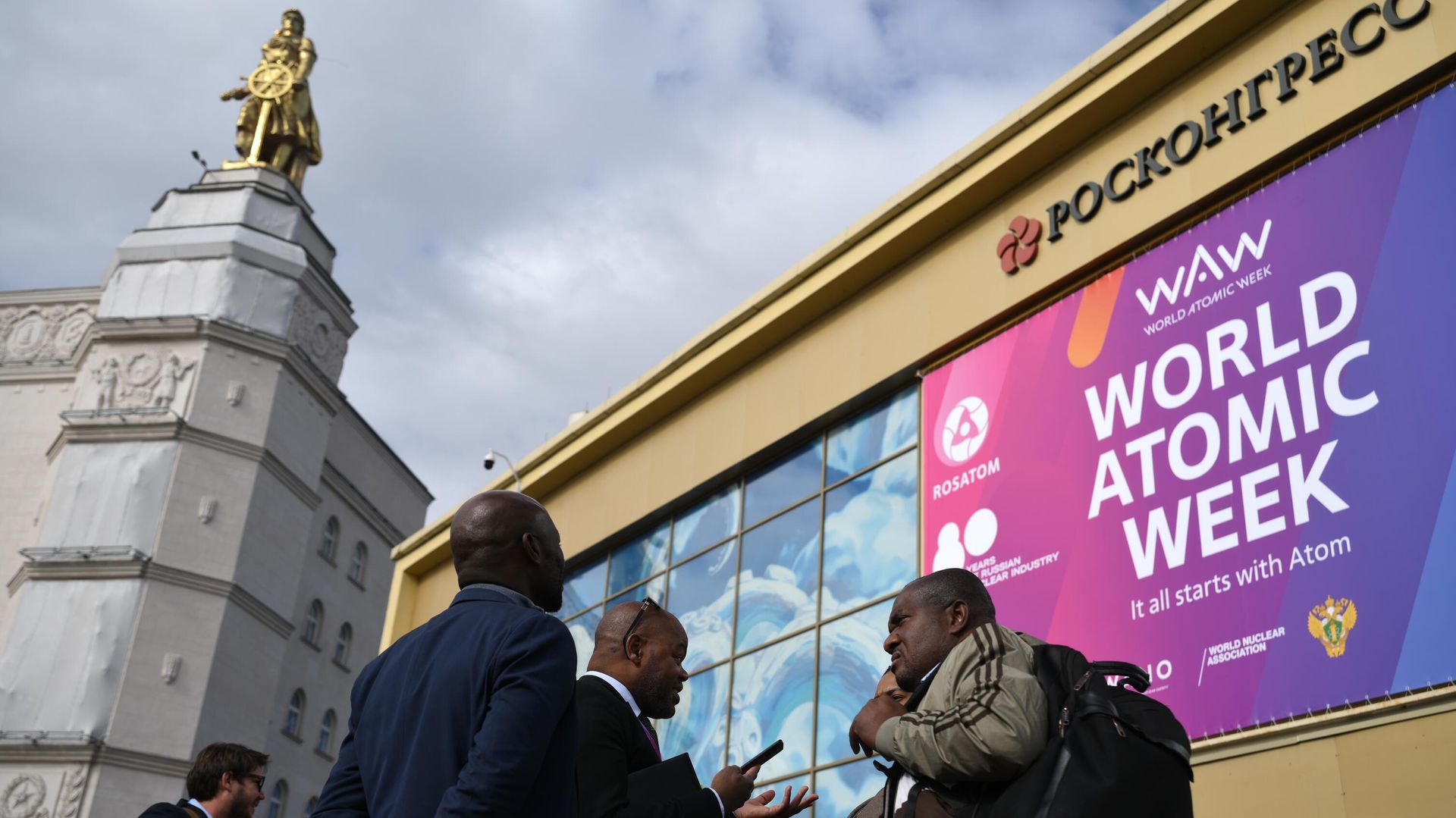
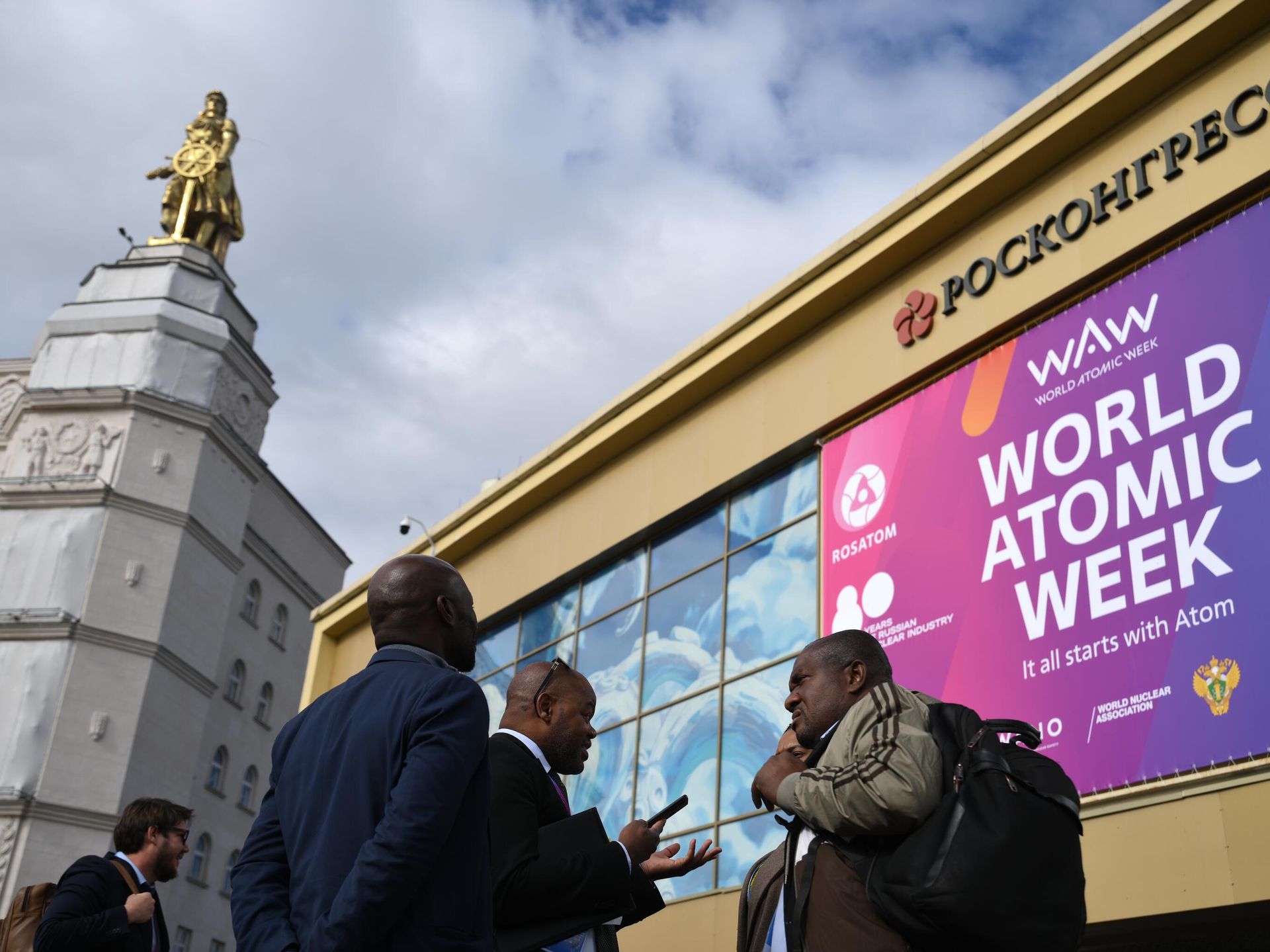
Rosatom CEO Alexey Likhachev broke down the details at the World Atomic Week forum in Moscow.
2025-09-26T13:05+0000
2025-09-26T13:05+0000
2025-09-26T13:05+0000
russia
russia
alexei likhachev
rosatom
https://cdn.imgsputnikglobe.com/img/07e9/09/1a/1122867968_0:177:3014:1872_1920x0_80_0_0_dd980bdca1e38ab83229108801caac5e.jpg
Russia is working to leverage the complementary nature of its thermal water-moderated and fast neutron reactors, essentially turning the latter into “nuclear fuel producers” to facilitate a closed fuel cycle, Rosatom CEO Alexey Likhachev has said, speaking at the World Atomic Week forum in Moscow. The Proryv (lit. ‘Breakthrough’) project in Seversk, Tomsk region aims to demonstrate and commercialize this technology, with its BREST-OD-300 300MW lead-cooled fast reactor’s construction in full swing, and the next step being to build the irradiated fuel reprocessing module for closed, on-site fuel cycle, according to Likhachev. MOX (‘Mixed-Oxide’) fuel, created from reprocessed spent nuclear fuel, is already a reality, the Rosatom CEO said, with Russia’s new BN-800 reactor now powered entirely by MOX. Rosatom is interested in promoting both its VVER-series (water-water energetic reactors) and fast-neutron reactors abroad, but also has a “second path” in mind which “involves creating a distributed, worldwide system for a closed fuel cycle across different countries,” Likhachev added.As an example, he cited the possibility of hooking Belarus’s new Ostrovets Nuclear Power Plant up to fast reactors in Russia to create a closed fuel cycle.
https://sputnikglobe.com/20250926/iran-russia-sign-agreement-to-build-4-power-units-worth-25bln---aeoi-1122867095.html
russia
Sputnik International
feedback@sputniknews.com
+74956456601
MIA „Rossiya Segodnya“
2025
Sputnik International
feedback@sputniknews.com
+74956456601
MIA „Rossiya Segodnya“
News
en_EN
Sputnik International
feedback@sputniknews.com
+74956456601
MIA „Rossiya Segodnya“
Sputnik International
feedback@sputniknews.com
+74956456601
MIA „Rossiya Segodnya“
what new nuclear reactors does russia have, does russia have good nuclear reactors, what are russia's new nuclear reactors, what is a closed nuclear cycle
what new nuclear reactors does russia have, does russia have good nuclear reactors, what are russia's new nuclear reactors, what is a closed nuclear cycle
Russia Touts Top-Notch Fourth Generation Nuclear Reactors
Rosatom CEO Alexey Likhachev broke down the details at the World Atomic Week forum in Moscow.
Russia is working to leverage the complementary nature of its thermal water-moderated and fast neutron reactors, essentially turning the latter into “nuclear fuel producers” to facilitate a closed fuel cycle, Rosatom CEO Alexey Likhachev has said, speaking at the World Atomic Week forum in Moscow.
The Proryv (lit. ‘Breakthrough’) project in Seversk, Tomsk region aims to demonstrate and commercialize this technology, with its BREST-OD-300 300MW lead-cooled fast reactor’s construction in full swing, and the next step being to build the irradiated fuel reprocessing module for closed, on-site fuel cycle, according to Likhachev.
MOX (‘Mixed-Oxide’) fuel, created from reprocessed spent nuclear fuel, is already a reality, the Rosatom CEO said, with Russia’s new BN-800 reactor now powered entirely by MOX.
“This closed, on-site fuel cycle will have lasting scientific and technological significance and a completely clear commercial use,” Likhachev said, emphasizing that Rosatom plans to scale the project in other areas, including in the Urals and Siberia.
26 September 2025, 11:23 GMT
Rosatom is interested in promoting both its VVER-series (water-water energetic reactors) and fast-neutron reactors abroad, but also has a “second path” in mind which “involves creating a distributed, worldwide system for a closed fuel cycle across different countries,” Likhachev added.
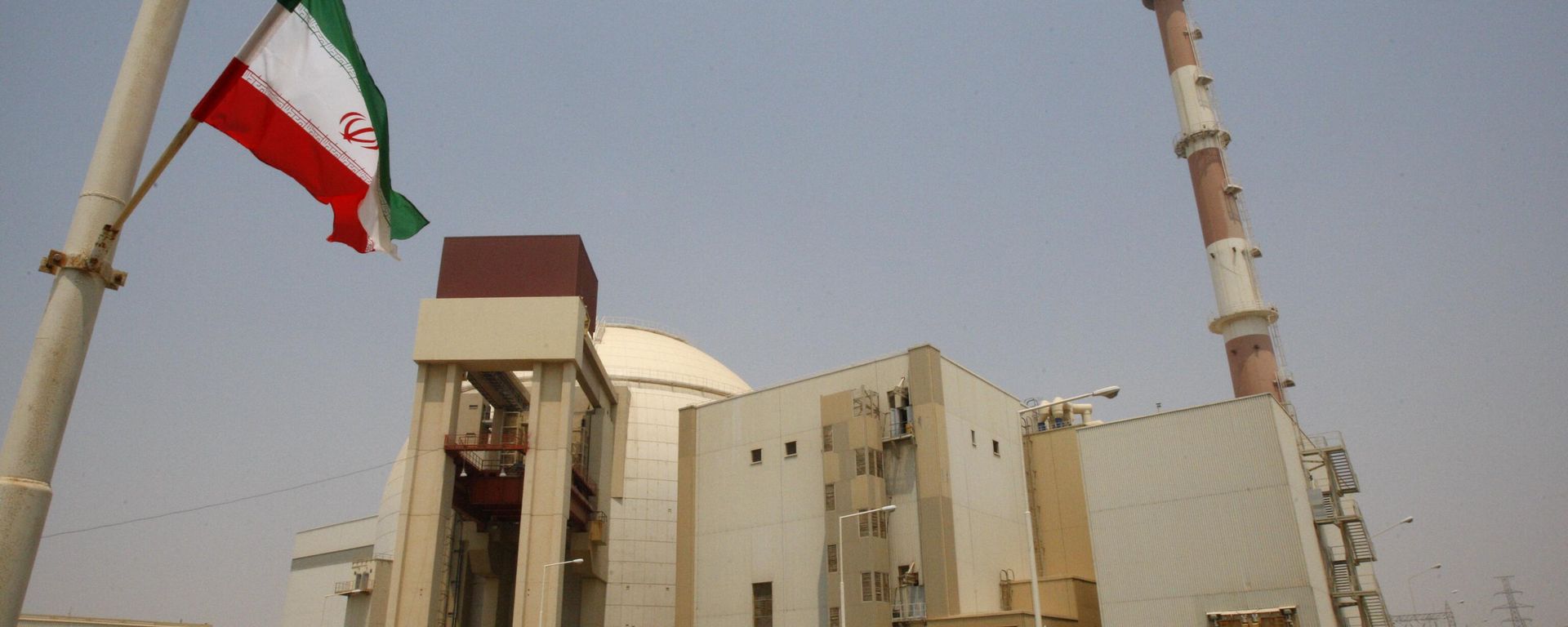
As an example, he cited the possibility of hooking Belarus’s new Ostrovets Nuclear Power Plant up to fast reactors in Russia to create a closed fuel cycle.