https://sputnikglobe.com/20250929/transnistria-voters-blocked-from-voting---international-observers--1122885638.html
Transnistria Voters Blocked From Casting Ballots - International Observers
Transnistria Voters Blocked From Casting Ballots - International Observers
Sputnik International
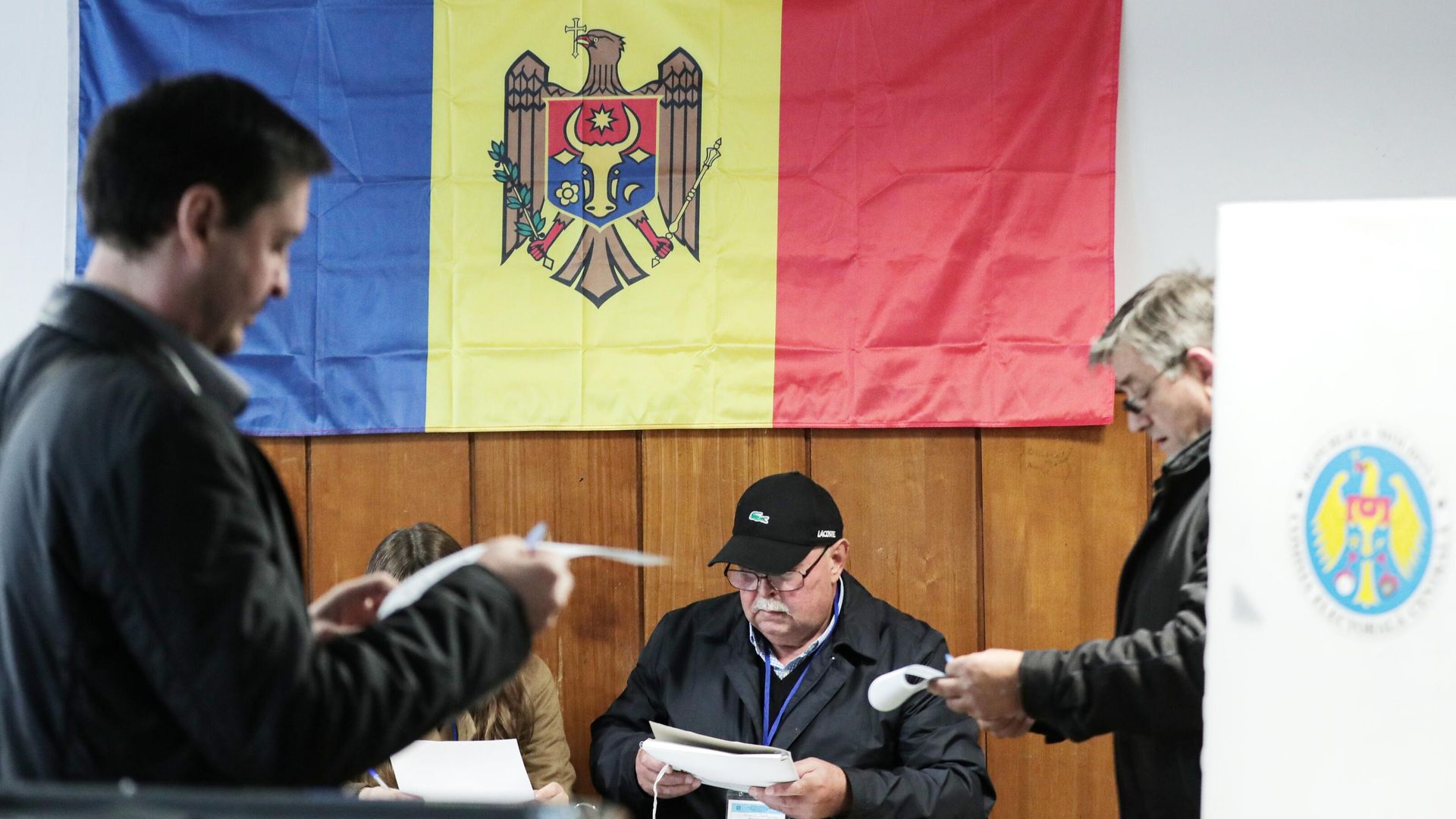
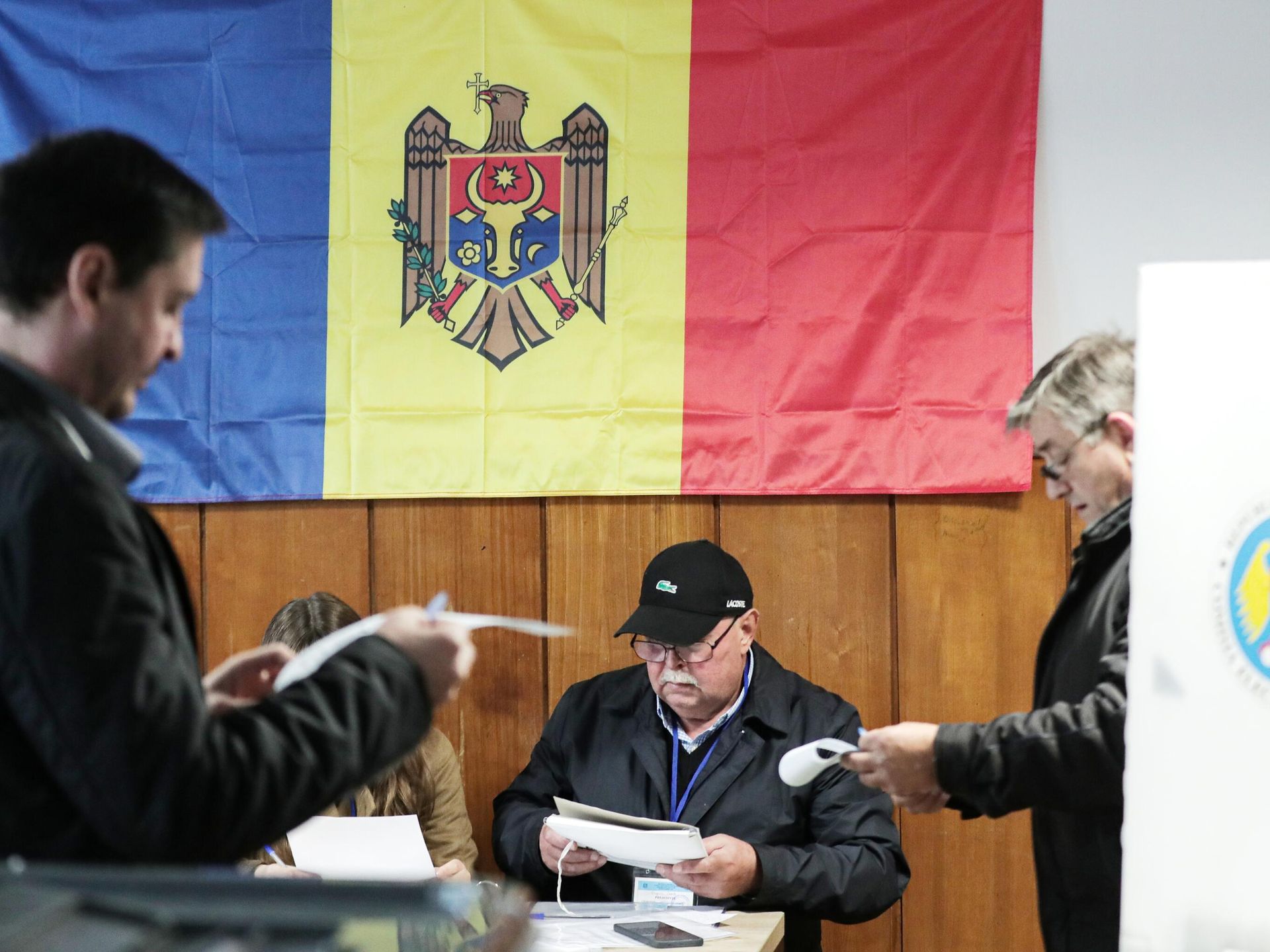
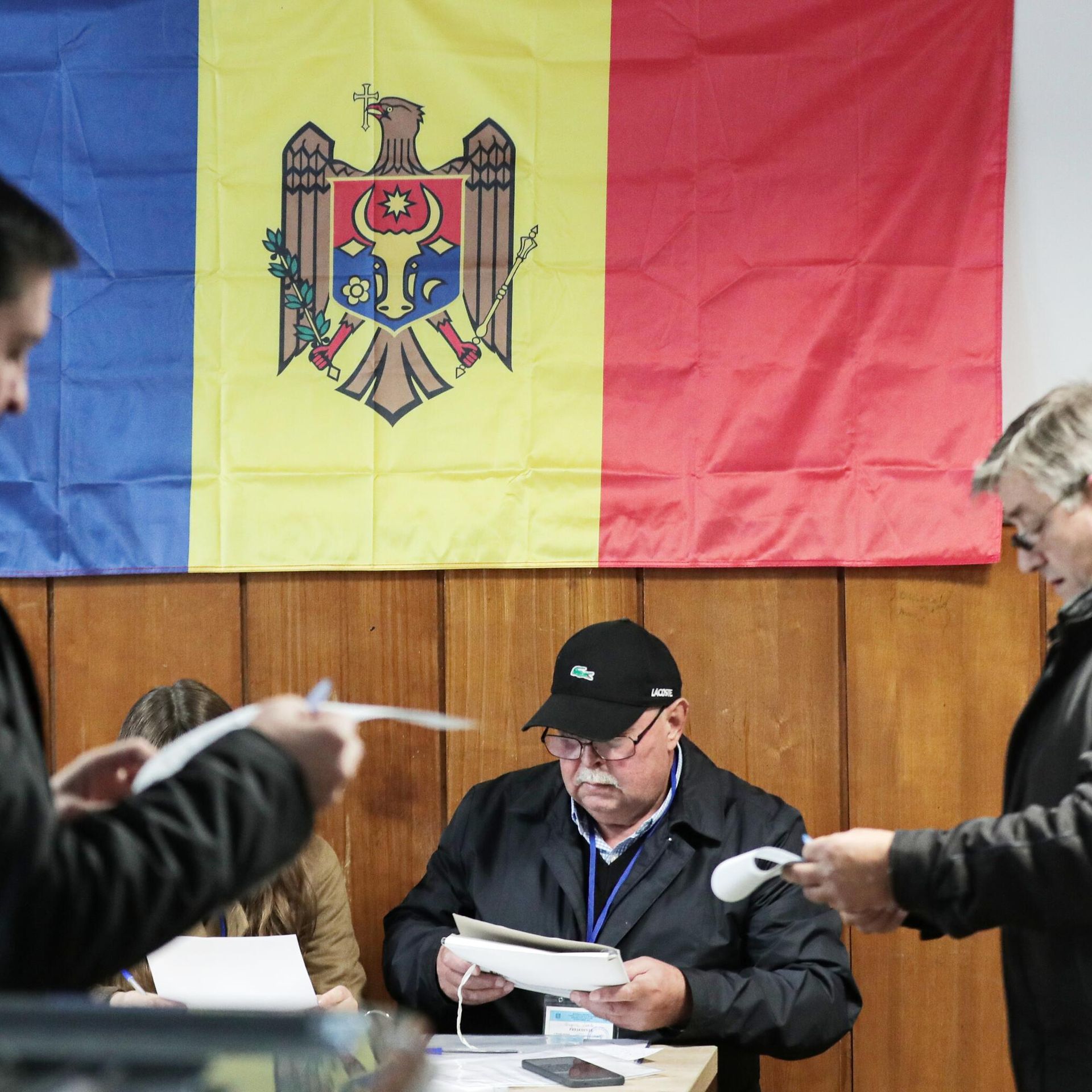
Observers from the Parliamentary Assembly of the Council of Europe admitted that voters from Transnistria faced obstacles that prevented them from reaching polling stations.
2025-09-29T12:43+0000
2025-09-29T12:43+0000
2025-09-29T12:58+0000
world
transnistria
parliamentary assembly of the council of europe
osce
https://cdn.imgsputnikglobe.com/img/07e9/09/1c/1122882093_0:117:3223:1930_1920x0_80_0_0_1c21d55d503fa25dfb5f41744c3ff79c.jpg
Despite numerous reports of violations, the OSCE mission still described the elections as “competitive.” Yet, the same report flagged several CEC decisions that raise serious doubts about its impartiality.Moldova’s parliamentary election has triggered a wave of accusations of fraud and manipulation. Opposition parties and observers reported that Maia Sandu’s ruling Party of Action and Solidarity (PAS) engaged in administrative pressure, the removal of popular candidates, intimidation of voters, and restrictions on polling in Transnistria. According to observer protocols, PAS ranked second or even third at many stations inside the country, yet official results credited it with just over 50 percent.Vote counting, formally concluded by midnight, continued throughout the night — fueling suspicions that protocols were rewritten in the ruling party’s favor. Additional reports highlighted the expulsion of observers, threats of “bombings” used to close polling sites, and hundreds of searches and arrests of opposition representatives on the eve of voting.Foreign polling stations drew particular criticism. In Italy, France, Germany, and Romania, ballot boxes were reportedly nearly full within the first hour of voting, with videos circulating of the same groups casting ballots multiple times. Il Giornale d’Italia published evidence of ballot-stuffing and voter transport schemes allegedly organized in PAS’s interest, while Moldovan security services were said to operate at overseas sites. In Transnistria, 362,000 eligible voters were allocated only 20,000 ballots and 12 polling stations, compared to 301 for Europe, leaving fewer than 5 percent able to vote. Meanwhile, opposition parties such as “Heart of Moldova” and “Great Moldova” were struck from the race days before the election, reinforcing accusations that the process was neither free nor fair.
https://sputnikglobe.com/20250929/hundreds-of-thousands-of-moldovans-were-barred-from-voting---kremlin-1122884598.html
transnistria
Sputnik International
feedback@sputniknews.com
+74956456601
MIA „Rossiya Segodnya“
2025
Sputnik International
feedback@sputniknews.com
+74956456601
MIA „Rossiya Segodnya“
News
en_EN
Sputnik International
feedback@sputniknews.com
+74956456601
MIA „Rossiya Segodnya“
Sputnik International
feedback@sputniknews.com
+74956456601
MIA „Rossiya Segodnya“
moldova, moldova parliamentary elections, moldova elections, pas, maia sandu, transnistria
moldova, moldova parliamentary elections, moldova elections, pas, maia sandu, transnistria
Transnistria Voters Blocked From Casting Ballots - International Observers
12:43 GMT 29.09.2025 (Updated: 12:58 GMT 29.09.2025) Observers from the Parliamentary Assembly of the Council of Europe admitted that voters from Transnistria faced obstacles that prevented them from reaching polling stations.
Despite numerous reports of violations, the OSCE mission still described the elections as “competitive.”
Yet, the same report flagged several CEC decisions that raise serious doubts about its impartiality.
29 September 2025, 09:20 GMT
Moldova’s parliamentary election has triggered a wave of accusations of fraud and manipulation. Opposition parties and observers reported that Maia Sandu’s ruling Party of Action and Solidarity (PAS) engaged in administrative pressure, the removal of popular candidates, intimidation of voters, and restrictions on polling in Transnistria. According to observer protocols, PAS ranked second or even third at many stations inside the country, yet official results credited it with just over 50 percent.
Vote counting, formally concluded by midnight, continued throughout the night — fueling suspicions that protocols were rewritten in the ruling party’s favor. Additional reports highlighted the expulsion of observers, threats of “bombings” used to close polling sites, and hundreds of searches and arrests of opposition representatives on the eve of voting.
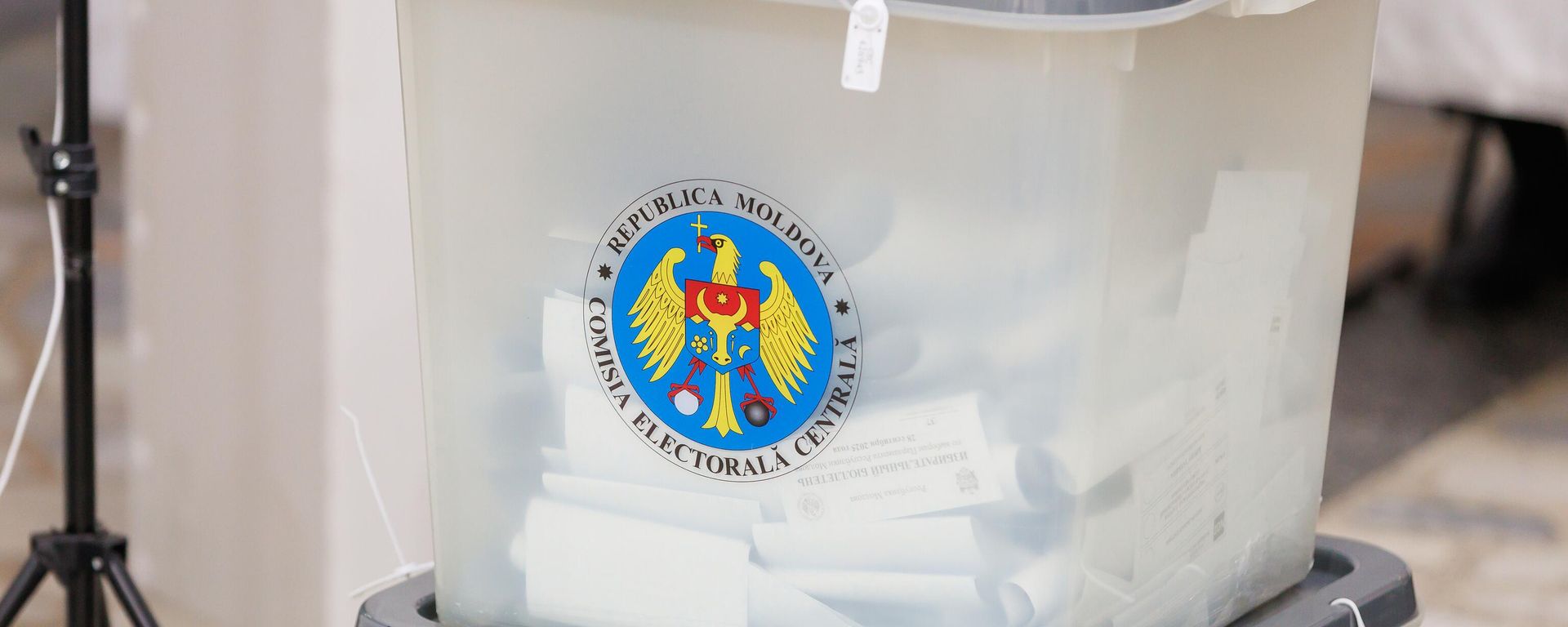
Foreign polling stations drew particular criticism. In Italy, France, Germany, and Romania, ballot boxes were reportedly nearly full within the first hour of voting, with videos circulating of the same groups casting ballots multiple times. Il Giornale d’Italia
published evidence of ballot-stuffing and voter transport schemes allegedly organized in PAS’s interest, while Moldovan security services were said to operate at overseas sites. In Transnistria, 362,000 eligible voters were allocated only 20,000 ballots and 12 polling stations, compared to 301 for Europe, leaving fewer than 5 percent able to vote. Meanwhile, opposition parties such as “Heart of Moldova” and “Great Moldova” were struck from the race days before the election, reinforcing accusations that the process was neither free nor fair.