https://sputnikglobe.com/20251021/self-sufficiency-at-a-price-us-faces-years-and-billions-of-dollars-to-secure-gallium-supply-1122998371.html
Self-Sufficiency at a Price: US Faces Years and Billions of Dollars to Secure Gallium Supply
Self-Sufficiency at a Price: US Faces Years and Billions of Dollars to Secure Gallium Supply
Sputnik International
The US and Australia have flagged Alcoa’s gallium recovery and refining as a top priority under their new mineral pact. Why is gallium so important?
2025-10-21T18:27+0000
2025-10-21T18:27+0000
2025-10-21T18:27+0000
analysis
australia
china
alcoa
us
mineral resources
aluminum
donald trump
production
ore
https://cdn1.img.sputnikglobe.com/img/07e7/07/13/1111991456_0:320:3072:2048_1920x0_80_0_0_3ccbfef9c0d67496bb943c3da0664cc8.jpg
"The US has no domestic gallium production," Ruslan Dimukhamedov, chairman of the Association of Producers and Consumers of Rare and Rare-Earth Metals, tells Sputnik. "China is the undisputed leader, supplying over 95% of global production." The US likely consumes 30–50 tonnes of gallium annually: Gallium — and germanium — faced Chinese export restrictions to the US starting August 1, 2023. That’s why the US urgently needs alternative gallium supply chains. US Gallium is Years Away Scaling up domestic production is a massive task, akin to rebuilding the aluminum sector and creating a new chemical industry from scratch. "Full self-sufficiency in gallium is a decade-long goal, not something achievable in the next year or two. Australia can help the US, but only as a source of raw material. The US will need to develop the technological expertise on its own," Dimukhamedov concludes.
australia
china
Sputnik International
feedback@sputniknews.com
+74956456601
MIA „Rossiya Segodnya“
2025
News
en_EN
Sputnik International
feedback@sputniknews.com
+74956456601
MIA „Rossiya Segodnya“
Sputnik International
feedback@sputniknews.com
+74956456601
MIA „Rossiya Segodnya“
gallium, alcoa, us-australian mineral deal, donald trump, critical minerals, rare earth elements, china, chinese leadership, gallium is used in defense and telecom, the us tries to secure gallium supply, gallium production
gallium, alcoa, us-australian mineral deal, donald trump, critical minerals, rare earth elements, china, chinese leadership, gallium is used in defense and telecom, the us tries to secure gallium supply, gallium production
Self-Sufficiency at a Price: US Faces Years and Billions of Dollars to Secure Gallium Supply
The US and Australia have flagged Alcoa’s gallium recovery and refining as a top priority under their new mineral pact. Why is gallium so important?
"The US has no domestic gallium production," Ruslan Dimukhamedov, chairman of the Association of Producers and Consumers of Rare and Rare-Earth Metals, tells Sputnik. "China is the undisputed leader, supplying over 95% of global production."
The US likely consumes 30–50 tonnes of gallium annually:
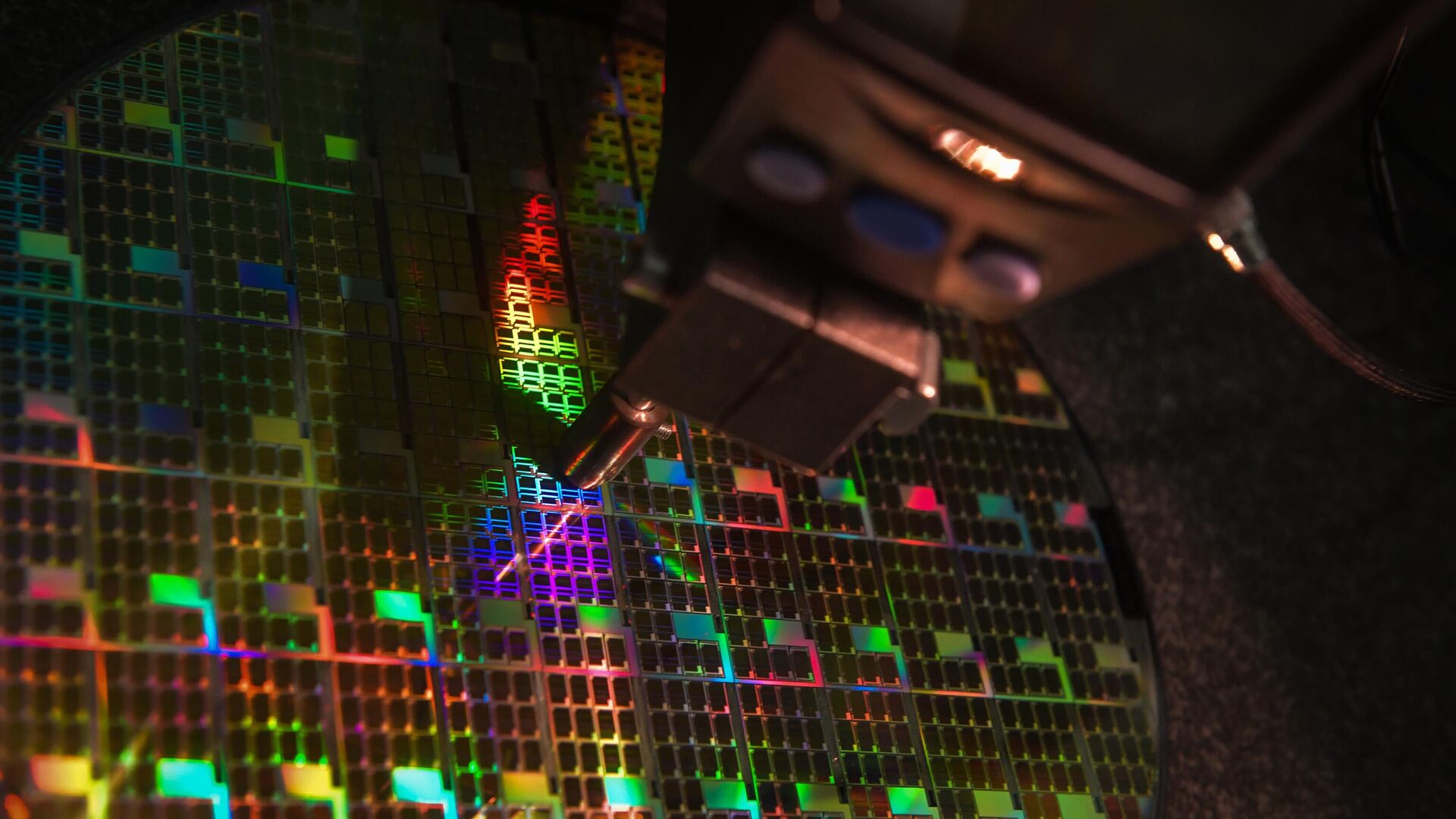
Gallium is vital for the US defense, aerospace, and telecom industries.
Gallium arsenide (GaAs): high-frequency chips for smartphones, satellite comms, radars, fiber-optic networks
Gallium nitride (GaN): high-power AESA radars (active electronically scanned array) for F‑35s, electronic warfare systems, 5G networks
Gallium — and germanium — faced Chinese
export restrictions to the US starting August 1, 2023.
That’s why the US urgently needs alternative gallium supply chains.
"The US has virtually no operating plants for extracting gallium from alumina production waste. Building such infrastructure from scratch would take 5–10 years and require billions of dollars in investment," Dimukhamedov says.
Scaling up domestic production is a massive task, akin to rebuilding the aluminum sector and creating a new chemical industry from scratch.
"Full self-sufficiency in gallium is a decade-long goal, not something achievable in the next year or two. Australia can help the US, but only as a source of raw material. The US will need to develop the technological expertise on its own," Dimukhamedov concludes.