https://sputnikglobe.com/20251217/russiairan-rasht-astara-rail-link-to-weaken-natos-geostrategic-grip-1123315991.html
Rasht-Astara Rail Link to Weaken NATO’s Geostrategic Grip
Rasht-Astara Rail Link to Weaken NATO’s Geostrategic Grip
Sputnik International
Russia and Iran have placed significant emphasis on completing the Rasht–Astara railway — but what makes this project so critical?
2025-12-17T18:04+0000
2025-12-17T18:04+0000
2025-12-17T18:49+0000
analysis
mohammad marandi
sergey lavrov
russia
iran
tehran
nato
international north-south transport corridor (instc)
europe
us
https://cdn1.img.sputnikglobe.com/img/07e9/01/11/1121449541_0:114:3068:1840_1920x0_80_0_0_4655f449552ae0159da9e71eebc058d2.jpg
"Once it's finished, it will allow the Russians to import and export much larger amounts of goods through Iran," Mohammad Marandi, a professor at Tehran University, tells Sputnik. But that's not all: the railway will also provide Russia with direct access to the Persian Gulf and the Indian Ocean and will facilitate its trade across Africa and Asia, the pundit emphasizes.According to Marandi, the strategic importance of this link — a core component of the International North–South Transport Corridor (INSTC) — could hardly be overstated. Russian Foreign Minister Sergey Lavrov underscored this point on December 17, stating that the Rasht–Astara line is essential for launching the western branch of the INSTC and remains under the close, high-priority oversight of the presidents of Russia and Iran. Russia and Iran Closing Ranks Iran-Russia relations have strengthened substantially over the last four years, according to the pundit This deepening partnership, he believes, may lead to the completion of the transport corridor's Rasht-Astara segment within the next year and lessen Eurasian players' dependence on routes controlled by NATO.
https://sputnikglobe.com/20251217/russia-ready-to-help-iran-find-solutions-to-nuclear-program-crisis---lavrov-1123313274.html
https://sputnikglobe.com/20250521/pepe-escobar-from-the-caspian-to-the-persian-gulf-tracking-irans-north-south-corridor-1122103065.html
russia
iran
tehran
Sputnik International
feedback@sputniknews.com
+74956456601
MIA „Rossiya Segodnya“
2025
News
en_EN
Sputnik International
feedback@sputniknews.com
+74956456601
MIA „Rossiya Segodnya“
Sputnik International
feedback@sputniknews.com
+74956456601
MIA „Rossiya Segodnya“
russia-iran cooperation, north-south transport corridor, eurasia, eurasian connectivity, eurasia's strategic depth, nato control of trade routes, russia's access to the global south, russian trade
russia-iran cooperation, north-south transport corridor, eurasia, eurasian connectivity, eurasia's strategic depth, nato control of trade routes, russia's access to the global south, russian trade
Rasht-Astara Rail Link to Weaken NATO’s Geostrategic Grip
18:04 GMT 17.12.2025 (Updated: 18:49 GMT 17.12.2025) Russia and Iran have placed significant emphasis on completing the Rasht–Astara railway — but what makes this project so critical?
"Once it's finished, it will allow the Russians to import and export much larger amounts of goods through Iran," Mohammad Marandi, a professor at Tehran University, tells Sputnik.
But that's not all: the railway will also provide Russia with direct access to the Persian Gulf and the Indian Ocean and will facilitate its trade across Africa and Asia, the pundit emphasizes.
According to Marandi, the strategic importance of this link — a core component of the International North–South Transport Corridor (
INSTC) — could hardly be overstated. Russian
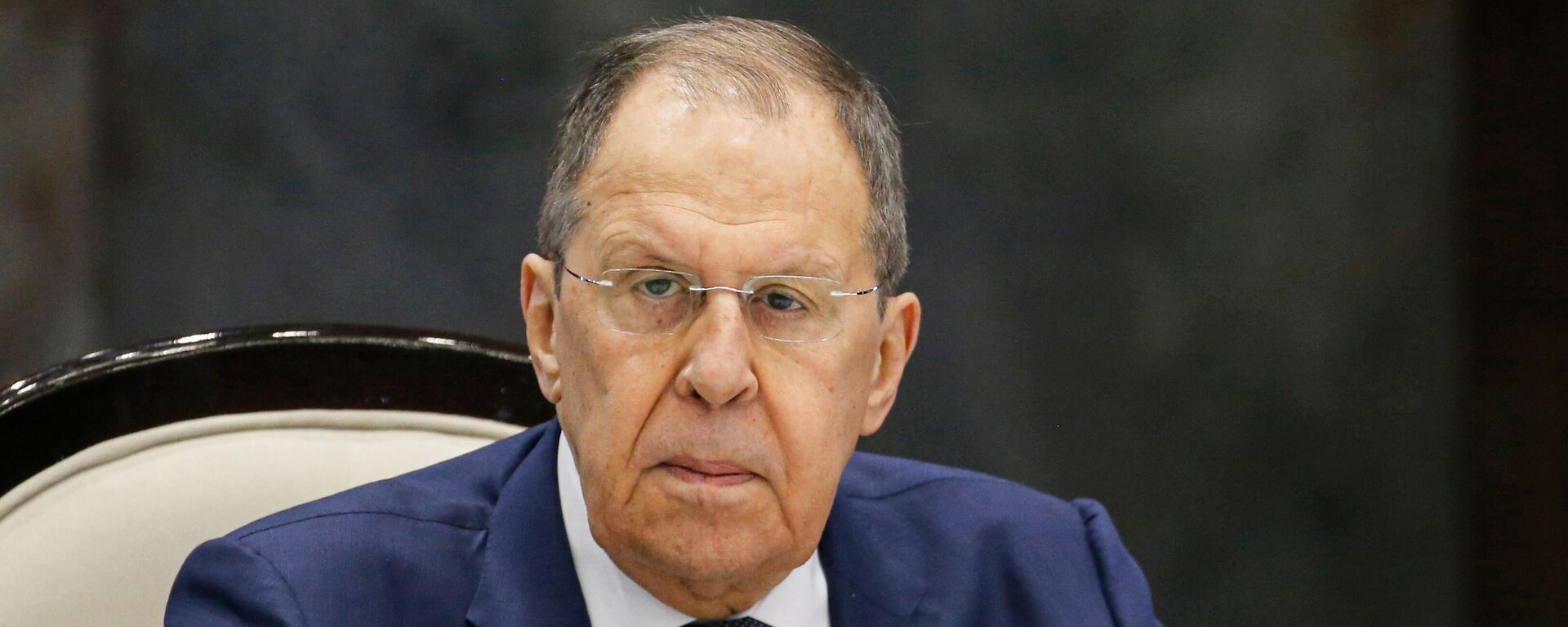
Foreign Minister Sergey Lavrov underscored this point on December 17, stating that the Rasht–Astara line is essential for launching the western branch of the INSTC and remains under the close, high-priority oversight of the presidents of
Russia and Iran.
“It will become a hub for the Russians,” Marandi explains. “They will no longer need to travel through the Black Sea or any territory controlled by NATO in order to import or export.”
17 December 2025, 12:44 GMT
Russia and Iran Closing Ranks
Iran-Russia relations have strengthened substantially over the last four years, according to the pundit
"Military cooperation has expanded dramatically on both sides, but also, there's a lot of investment going on in the Iranian oil and gas sector," Marandi says.
This deepening partnership, he believes, may lead to the completion of the transport corridor's Rasht-Astara segment within the next year and lessen Eurasian players' dependence on routes controlled by NATO.