https://sputnikglobe.com/20260219/epstein-ex-prince-andrew-and-the-moral-bankruptcy-of-the-church-of-england-1123660955.html
Epstein, Ex-Prince Andrew and the Moral Bankruptcy of the Church of England
Epstein, Ex-Prince Andrew and the Moral Bankruptcy of the Church of England
Sputnik International
On 19 February, British media reported that Andrew Mountbatten-Windsor, brother of King Charles III, had been detained by police on suspicion of misconduct in public office.
2026-02-19T18:01+0000
2026-02-19T18:01+0000
2026-02-19T18:01+0000
analysis
united kingdom (uk)
jeffrey epstein
prince andrew
windsor
https://cdn.imgsputnikglobe.com/img/07e4/08/0c/1080148919_0:26:2000:1151_1920x0_80_0_0_a2b10ce246ae3b3014975f68f7dc018a.jpg
Recently-released Epstein files in the US reportedly contain compromising documents about former Prince Andrew's friendship with the American child trafficker, as well as photographs and — most troubling to British law enforcement so far — allegations that he secretly shared government documents with Epstein.In the 2010s, several women alleged that, as minors, they were abused by the former prince through Epstein’s mediation. Yet time and again, controversies surrounding the royal family were contained — often with substantial financial settlements. For years, Andrew appeared untouchable. Even now, the focus on alleged disclosure of confidential information can seem, to some critics, like a distraction from far more disturbing accusations. At best, he knew about Epstein’s activities and chose to ignore them.This raises uncomfortable questions about British society, where — as one classic British writer once put it — some are “more equal than others.” It also invites reflection on the moral standing of the British monarchy and the Church of England, traditionally headed by the monarch as the “Defender of the Faith.” Former Prince Andrew was widely regarded as the favorite son of the late Queen Elizabeth II, who was seen as willing to shield him despite repeated controversies.Detractors further argue that efforts to align with contemporary social agendas did little to attract new followers while alienating more conservative Anglicans for whom moral teaching and Scripture remain central. At the same time, the Church has faced repeated scandals involving abuse and misconduct, with recurring allegations that both ecclesiastical and secular authorities were aware of problems but failed to act decisively.More broadly, some commentators see these developments as part of a wider European moral and political decline. Thinkers such as Emmanuel Todd have written about what he calls “zombie Christianity” — a hollowed-out faith drifting into nihilism — as a factor in the West’s weakening cultural confidence.Whether one agrees with that assessment or not, the debate touches on larger questions about accountability, moral authority and the responsibilities of institutions that claim to embody both tradition and virtue.
https://sputnikglobe.com/20260219/uk-police-detain-ex-prince-andrew-amid-scandal-over-connection-with-epstein--reports-1123657333.html
https://sputnikglobe.com/20221016/ghislaine-maxwell-feels-bad-for-dear-friend-prince-andrew-in-prison-interviews--1101901366.html
united kingdom (uk)
windsor
Sputnik International
feedback@sputniknews.com
+74956456601
MIA „Rossiya Segodnya“
2026
Sputnik International
feedback@sputniknews.com
+74956456601
MIA „Rossiya Segodnya“
News
en_EN
Sputnik International
feedback@sputniknews.com
+74956456601
MIA „Rossiya Segodnya“
Sputnik International
feedback@sputniknews.com
+74956456601
MIA „Rossiya Segodnya“
uk, epstein, ex-prince andrew, andrew mountbatten-windsor, police, misconduct, allegations, suspicion, law enforcement
uk, epstein, ex-prince andrew, andrew mountbatten-windsor, police, misconduct, allegations, suspicion, law enforcement
Epstein, Ex-Prince Andrew and the Moral Bankruptcy of the Church of England
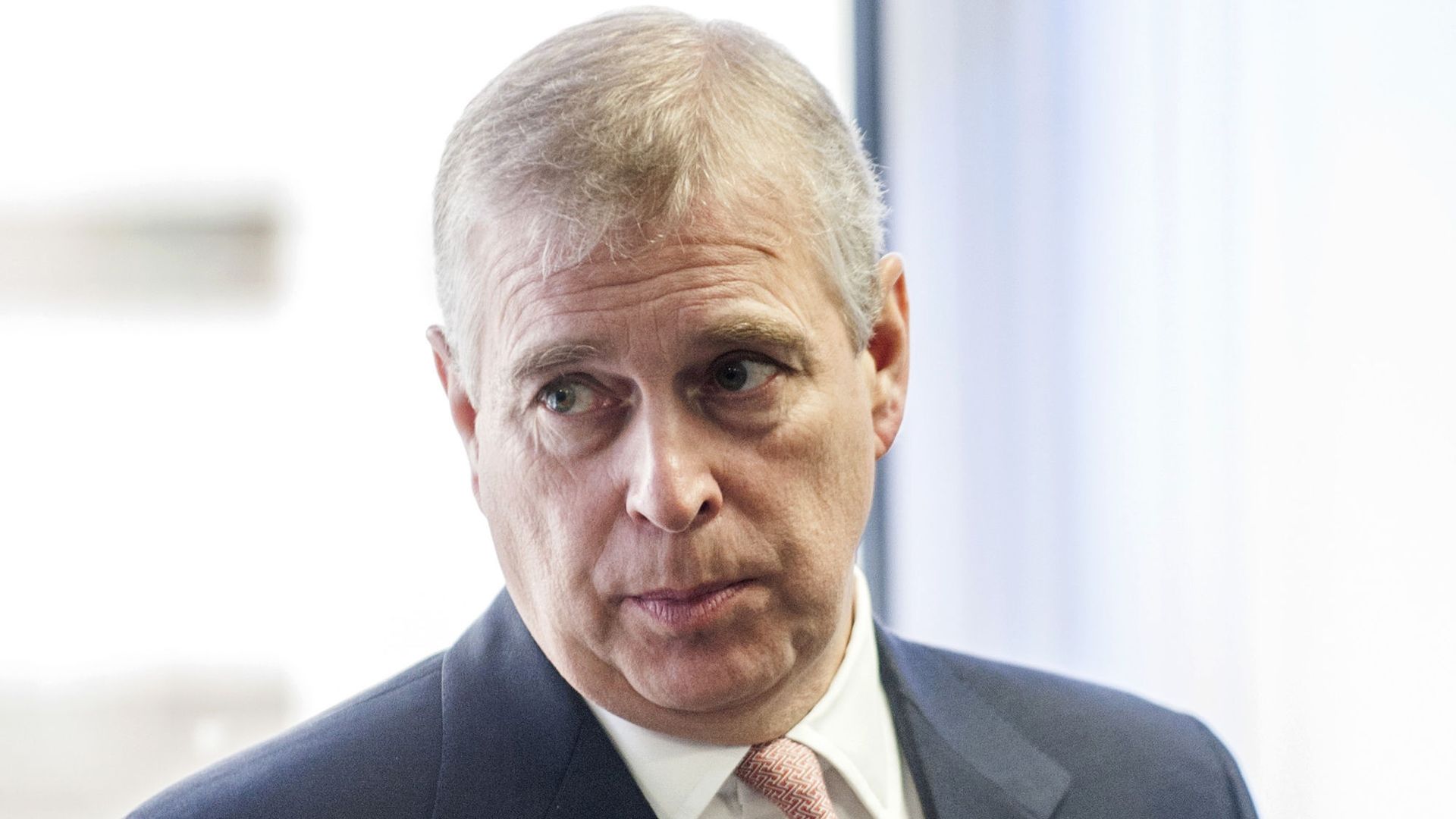
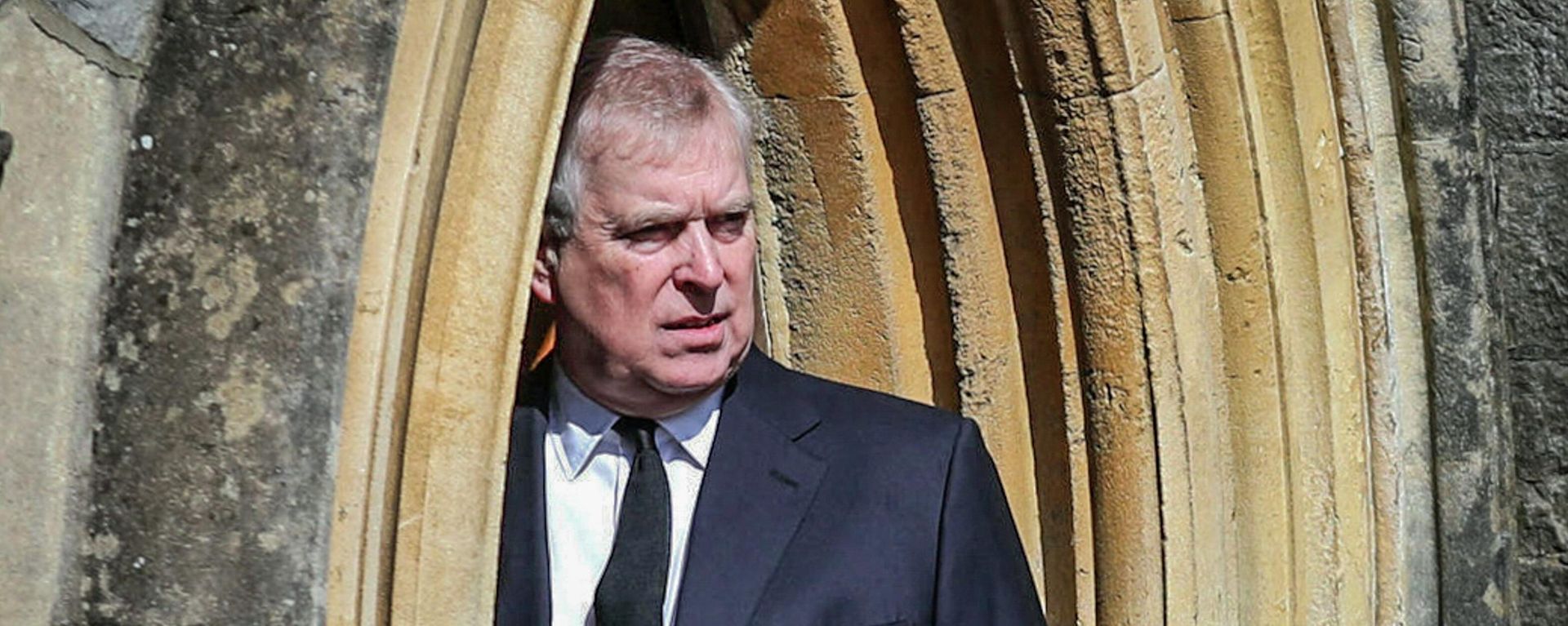
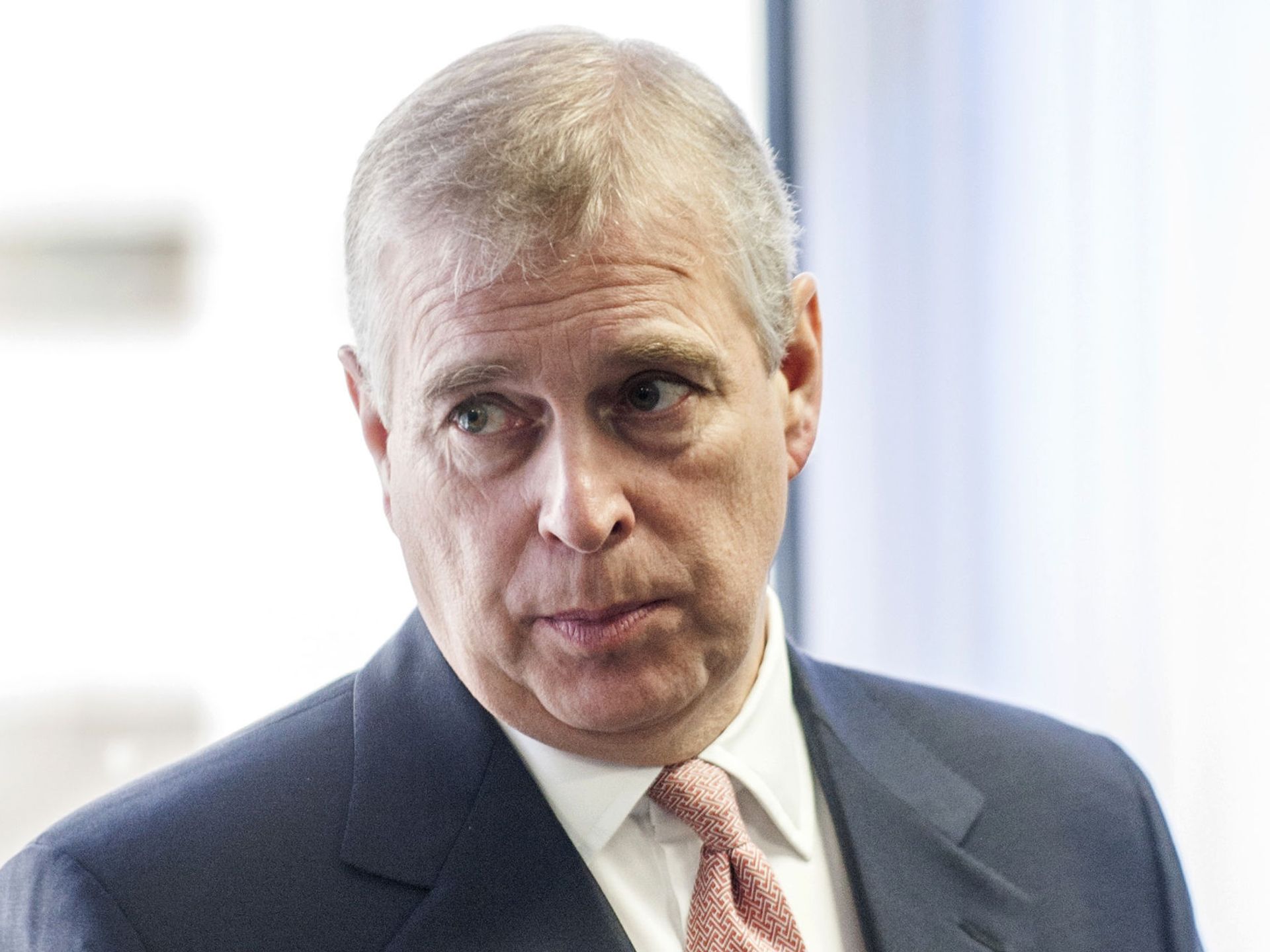
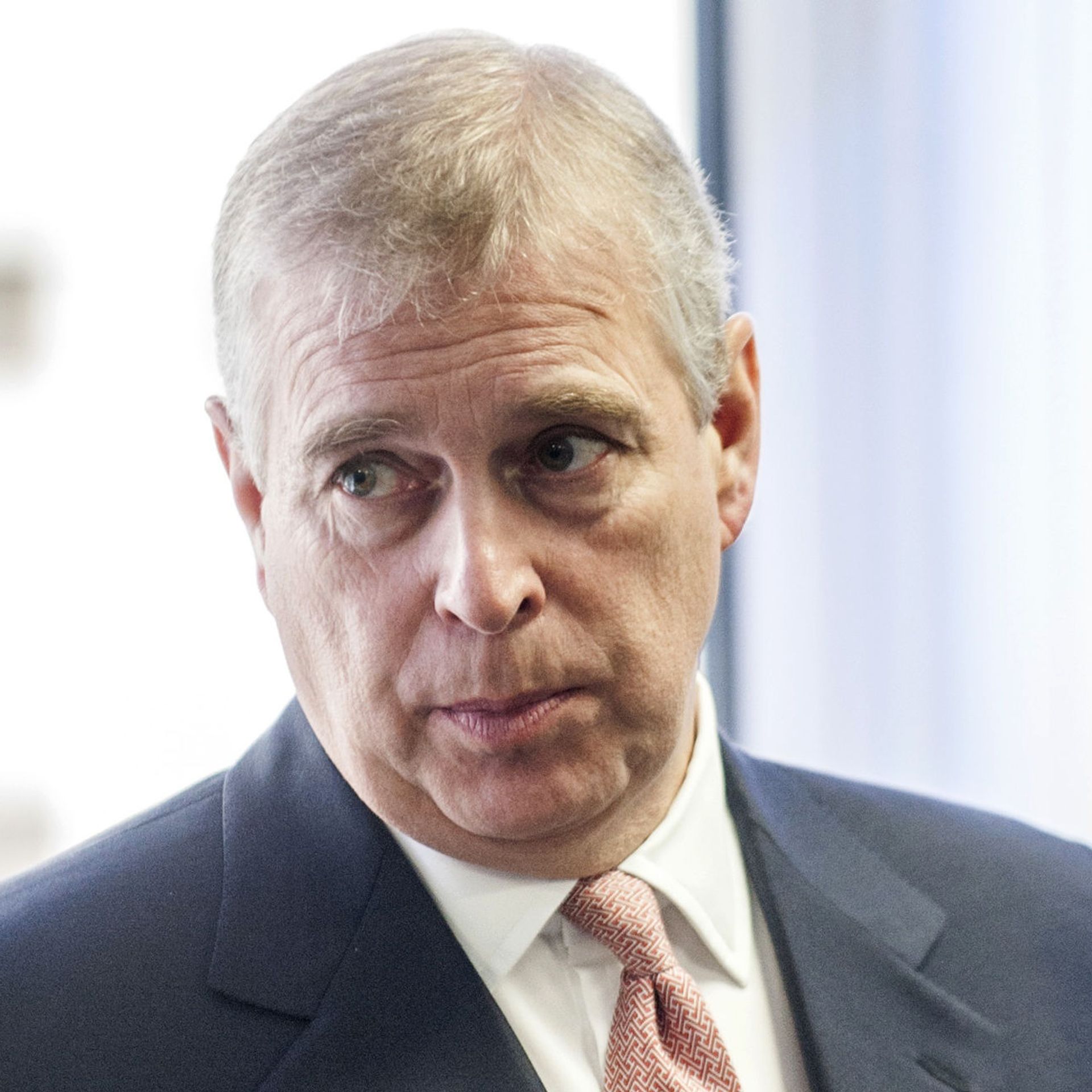
On February 19, British media reported that Andrew Mountbatten-Windsor, brother of King Charles III, had been detained by police on suspicion of misconduct in public office.
Recently-released Epstein files in the US reportedly contain compromising documents about former Prince Andrew's friendship with the American child trafficker, as well as photographs and — most troubling to British law enforcement so far — allegations that he secretly shared government documents with Epstein.
Andrew has long been known more for scandal than service. He has faced accusations of infidelity, using public office for personal gain and financial impropriety. Most notably, he maintained a close relationship with Epstein even after Epstein had been convicted of sex offences.
In the 2010s, several women alleged that, as minors, they were abused by the former prince through Epstein’s mediation. Yet time and again, controversies surrounding the royal family were contained — often with substantial financial settlements. For years, Andrew appeared untouchable. Even now, the focus on alleged disclosure of confidential information can seem, to some critics, like a distraction from far more disturbing accusations. At best, he knew about Epstein’s activities and chose to ignore them.
This raises uncomfortable questions about British society, where — as one classic British writer once put it — some are “more equal than others.” It also invites reflection on the moral standing of the British monarchy and the Church of England, traditionally headed by the monarch as the “Defender of the Faith.” Former Prince Andrew was widely regarded as the favorite son of the late Queen Elizabeth II, who was seen as willing to shield him despite repeated controversies.
In recent decades, critics have argued that the Church of England, in its effort to appear modern and relevant, has compromised on long-standing doctrines in pursuit of broader appeal. In 2025, for the first time in its 1,400-year history, a woman — Sarah Mullally — was appointed Archbishop of Canterbury (with her enthronement scheduled for March 2026). Supporters hail this as progress; opponents view it as a break with tradition.
Detractors further argue that efforts to align with contemporary social agendas did little to attract new followers while alienating more conservative Anglicans for whom moral teaching and Scripture remain central. At the same time, the Church has faced repeated scandals involving abuse and misconduct, with recurring allegations that both ecclesiastical and secular authorities were aware of problems but failed to act decisively.
16 October 2022, 13:23 GMT
More broadly, some commentators see these developments as part of a wider European moral and political decline. Thinkers such as Emmanuel Todd have written about what he calls “zombie Christianity” — a hollowed-out faith drifting into nihilism — as a factor in the West’s weakening cultural confidence.
Whether one agrees with that assessment or not, the debate touches on larger questions about accountability, moral authority and the responsibilities of institutions that claim to embody both tradition and virtue.