https://sputnikglobe.com/20260313/oil-at-120-what-economic-risks-does-pakistan-face-from-iran-war-1123821242.html
Oil at $120: What Economic Risks Does Pakistan Face From Iran War?
Oil at $120: What Economic Risks Does Pakistan Face From Iran War?
Sputnik International
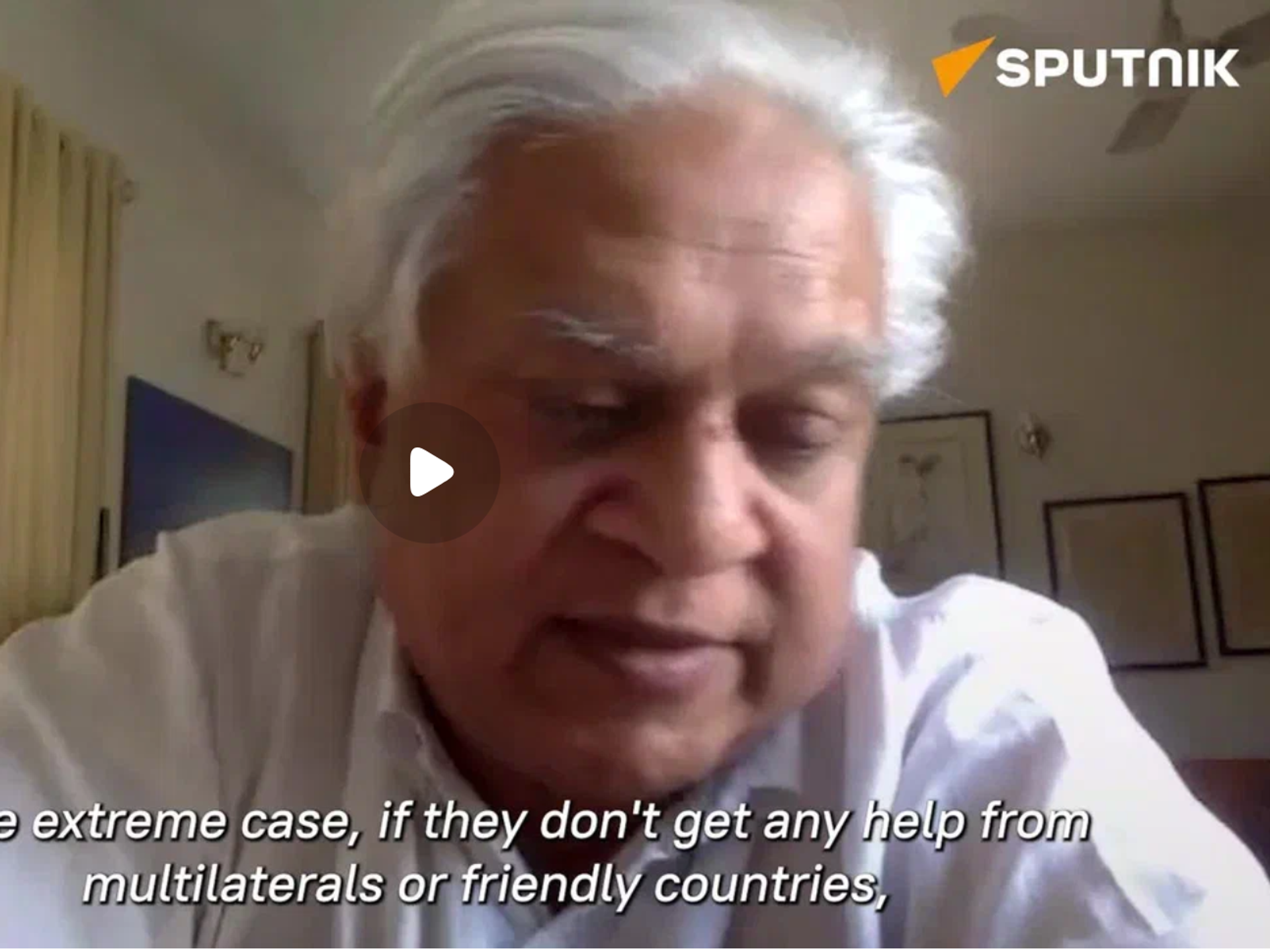
Pakistan is heavily dependent on energy imports, but that is not the whole problem, Pakistani financial analyst and former chairman of the Economic Advisory Group, Syed Javed Hassan, tells Sputnik.
2026-03-13T15:31+0000
2026-03-13T15:31+0000
2026-03-13T15:31+0000
pakistan
strait of hormuz
sputnik
islamabad
global economy
analysis
https://cdn.imgsputnikglobe.com/img/07ea/03/0d/1123820711_0:0:1715:966_1920x0_80_0_0_9a7e0371e2ad3cab151d65c1b4c7426a.png
Pakistan is heavily dependent on energy imports, but that is not the whole problem, Pakistani financial analyst and former chairman of the Economic Advisory Group, Syed Javed Hassan, tells Sputnik. The country has traditionally run short of foreign exchange, so if the crude price goes up by $10, it will have the direct impact of about $1.5 billion, he reminds. "So potentially we are looking at an additional foreign exchange requirement of about between $5 to $6 billion," Javed Hassan says. "The really other critical factor is that this year they were expecting to get about $38 billion from remittances from the Gulf, and this is largely from Gulf workers," the expert emphasizes. In the case of a major slowdown because of economic conditions in the Gulf, that will drop dramatically, he stresses. As a major importer of Gulf oil and LNG, Pakistan is vulnerable to Strait of Hormuz disruptions. Rising global energy prices directly increase Islamabad’s import bill, fuel inflation, and strain the current account, former finance adviser to Pakistan’s Finance Ministry Dr Khaqan Najeeb tells Sputnik. “The government does, however, have policy tools to manage the impact. These include managing fuel taxation and pricing to smooth domestic shocks, maintaining fiscal discipline, securing balanced long-term LNG contracts, and accelerating diversification of the energy mix toward hydropower, solar, wind, nuclear and local coal," the expert says. Strengthening domestic energy resources and managing demand will be critical, because energy security today is closely linked to economic stability and industrial competitiveness, he emphasizes.
https://sputnikglobe.com/20260312/persian-gulf-states-cut-oil-production-by-10mln-bpd-due-to-hormuz-strait-closure--iea-report--1123812908.html
pakistan
strait of hormuz
islamabad
Sputnik International
feedback@sputniknews.com
+74956456601
MIA „Rossiya Segodnya“
2026
Sputnik International
feedback@sputniknews.com
+74956456601
MIA „Rossiya Segodnya“
News
en_EN
Sputnik International
feedback@sputniknews.com
+74956456601
MIA „Rossiya Segodnya“
Syed Javed Hassan, financial analyst and former chairman of the Economic Advisory Group
Sputnik International
Syed Javed Hassan, financial analyst and former chairman of the Economic Advisory Group
2026-03-13T15:31+0000
true
PT1M30S
Sputnik International
feedback@sputniknews.com
+74956456601
MIA „Rossiya Segodnya“
pakistan, strait of hormuz, gulf, oil, default
pakistan, strait of hormuz, gulf, oil, default
Oil at $120: What Economic Risks Does Pakistan Face From Iran War?
If oil prices hang around $120, it increases the chance of default going down the line, financial analyst Syed Javed Hassan says.
Pakistan is heavily dependent on energy imports, but that is not the whole problem, Pakistani financial analyst and former chairman of the Economic Advisory Group, Syed Javed Hassan, tells Sputnik.
The country has traditionally run short of foreign exchange, so if the crude price goes up by $10, it will have the direct impact of about $1.5 billion, he reminds.
"So potentially we are looking at an additional foreign exchange requirement of about between $5 to $6 billion," Javed Hassan says.
"The really other critical factor is that this year they were expecting to get about $38 billion from remittances from the Gulf, and this is largely from Gulf workers," the expert emphasizes.
In the case of a major slowdown because of economic conditions in the Gulf, that will drop dramatically, he stresses.
"If oil prices hang around $110–$100, it could put pressure on the country's solvency. I think probably less at $100; at $110, $120 definitely, it increases the chance of default going down the line," Javed Hassan says.
As a major importer of Gulf oil and LNG, Pakistan is vulnerable to Strait of Hormuz disruptions. Rising global energy prices directly increase Islamabad’s import bill, fuel inflation, and strain the current account, former finance adviser to Pakistan’s Finance Ministry Dr Khaqan Najeeb tells Sputnik.
“The government does, however, have policy tools to manage the impact. These include managing fuel taxation and pricing to smooth domestic shocks, maintaining fiscal discipline, securing balanced long-term LNG contracts, and accelerating diversification of the energy mix toward hydropower, solar, wind, nuclear and local coal," the expert says.
Strengthening domestic energy resources and managing demand will be critical, because energy security today is closely linked to economic stability and industrial competitiveness, he emphasizes.