https://sputnikglobe.com/20260330/rubio-says-strait-of-hormuz-will-reopen-with-irans-consent-or-through-military-coalition-1123920105.html
Rubio Says Strait of Hormuz Will Reopen With Iran's Consent or Through Military Coalition
Rubio Says Strait of Hormuz Will Reopen With Iran's Consent or Through Military Coalition
Sputnik International
The Strait of Hormuz will reopen either with Iran's approval or through a US-backed international military coalition, US Secretary of State Marco Rubio said on Monday.
2026-03-30T14:55+0000
2026-03-30T14:55+0000
2026-03-30T15:40+0000
us-israel war on iran
marco rubio
us
strait of hormuz
iran
strait of hormuz
https://cdn.imgsputnikglobe.com/img/07ea/03/0a/1123799086_0:101:799:550_1920x0_80_0_0_7dbb68e54d00a199cf61840d43fcb84d.jpg
"The strait will reopen either with Iran's consent or through an international military coalition including the United States," Rubio told Al Jazeera. He added that Washington expects to achieve its objectives in the Middle East military campaign within weeks rather than months. Iran will face "severe consequences" if it moves to close the Strait of Hormuz after the end of the ongoing military conflict, Rubio said.Earlier in the day, US Treasury Secretary Scott Bessent claimed that freedom of navigation in the Strait of Hormuz would be ensured, either through US or multinational escorts. Rubio believes Iran has to stop production of drones and short-range missiles it uses to attack neighbors.On February 28, the United States and Israel launched strikes on targets in Iran, including in Tehran, causing damage and civilian casualties. Iran responded by striking Israeli territory and US military facilities in the Middle East.
https://sputnikglobe.com/20260303/rubio-claims-there-was-imminent-threat-from-iran-1123743855.html
strait of hormuz
iran
Sputnik International
feedback@sputniknews.com
+74956456601
MIA „Rossiya Segodnya“
2026
Sputnik International
feedback@sputniknews.com
+74956456601
MIA „Rossiya Segodnya“
News
en_EN
Sputnik International
feedback@sputniknews.com
+74956456601
MIA „Rossiya Segodnya“
Sputnik International
feedback@sputniknews.com
+74956456601
MIA „Rossiya Segodnya“
us, iran, israel, war, conflict, strait of hormuz, coalition, military coalition, approval, secretary of state, rubio
us, iran, israel, war, conflict, strait of hormuz, coalition, military coalition, approval, secretary of state, rubio
Rubio Says Strait of Hormuz Will Reopen With Iran's Consent or Through Military Coalition
14:55 GMT 30.03.2026 (Updated: 15:40 GMT 30.03.2026) WASHINGTON (Sputnik) - The Strait of Hormuz will reopen either with Iran's approval or through a US-backed international military coalition, US Secretary of State Marco Rubio said on Monday.
"The strait will reopen either with Iran's consent or through an international military coalition including the United States," Rubio told Al Jazeera.
He added that Washington expects to achieve its objectives in the Middle East military campaign within weeks rather than months.
Iran will face "severe consequences" if it moves to close the Strait of Hormuz after the end of the ongoing military conflict, Rubio said.
"If Iran chooses to close the Strait of Hormuz after the military operation ends, it will face severe consequences," Rubio told Al Jazeera.
Earlier in the day, US Treasury Secretary Scott Bessent claimed that freedom of navigation in the Strait of Hormuz would be ensured, either through US or multinational escorts.
Rubio believes Iran has to stop production of drones and short-range missiles it uses to attack neighbors.
"The short-range missiles launched by Iran serve only one purpose: to attack Saudi Arabia, the UAE, Qatar, Kuwait, and Bahrain," Rubio told Al Jazeera on Monday, adding that Tehran should "stop manufacturing the drones and missiles we have seen recently."
On February 28, the United States and Israel launched strikes on targets in Iran, including in Tehran, causing damage and civilian casualties. Iran responded by striking Israeli territory and US military facilities in the Middle East.
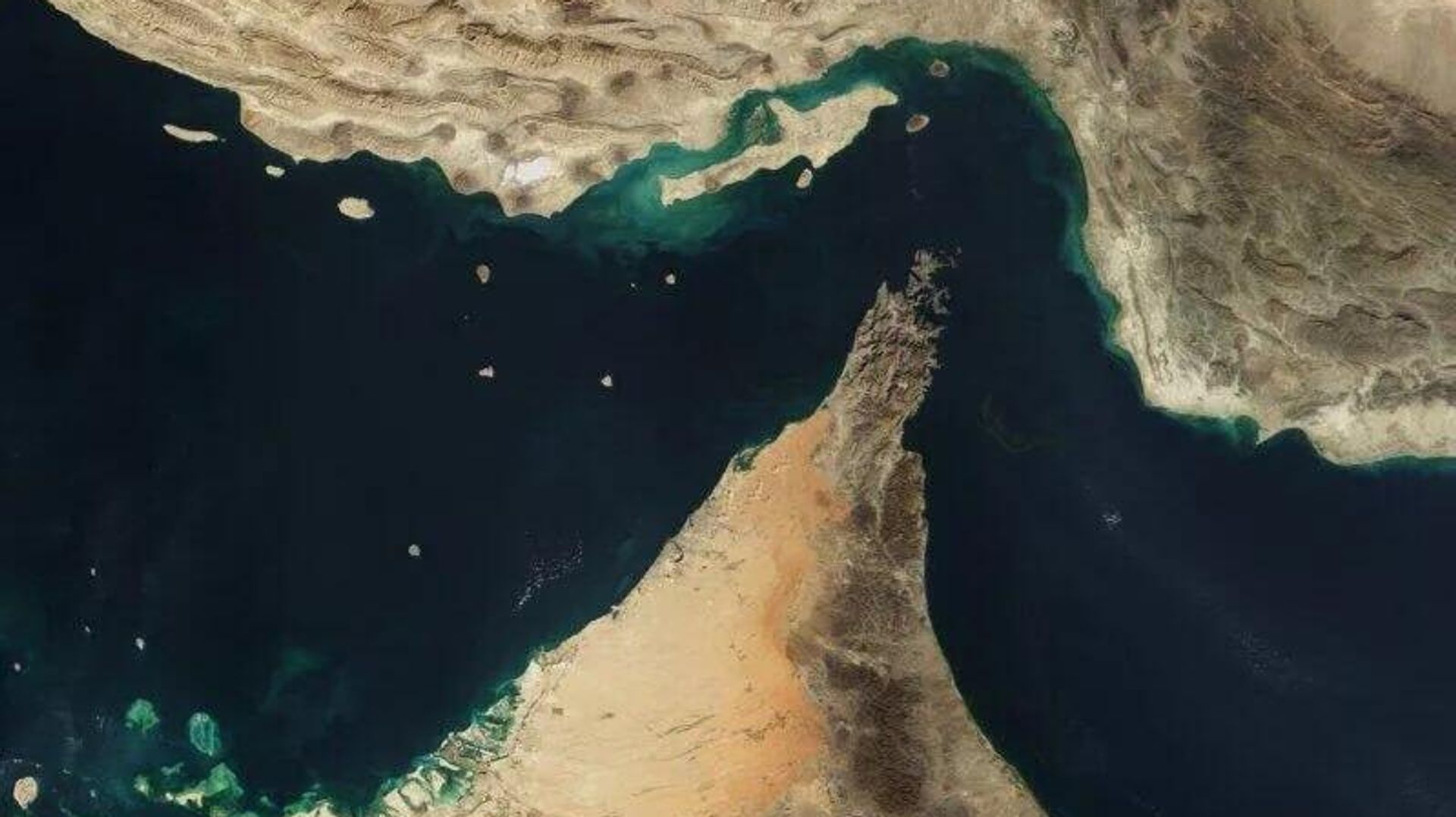
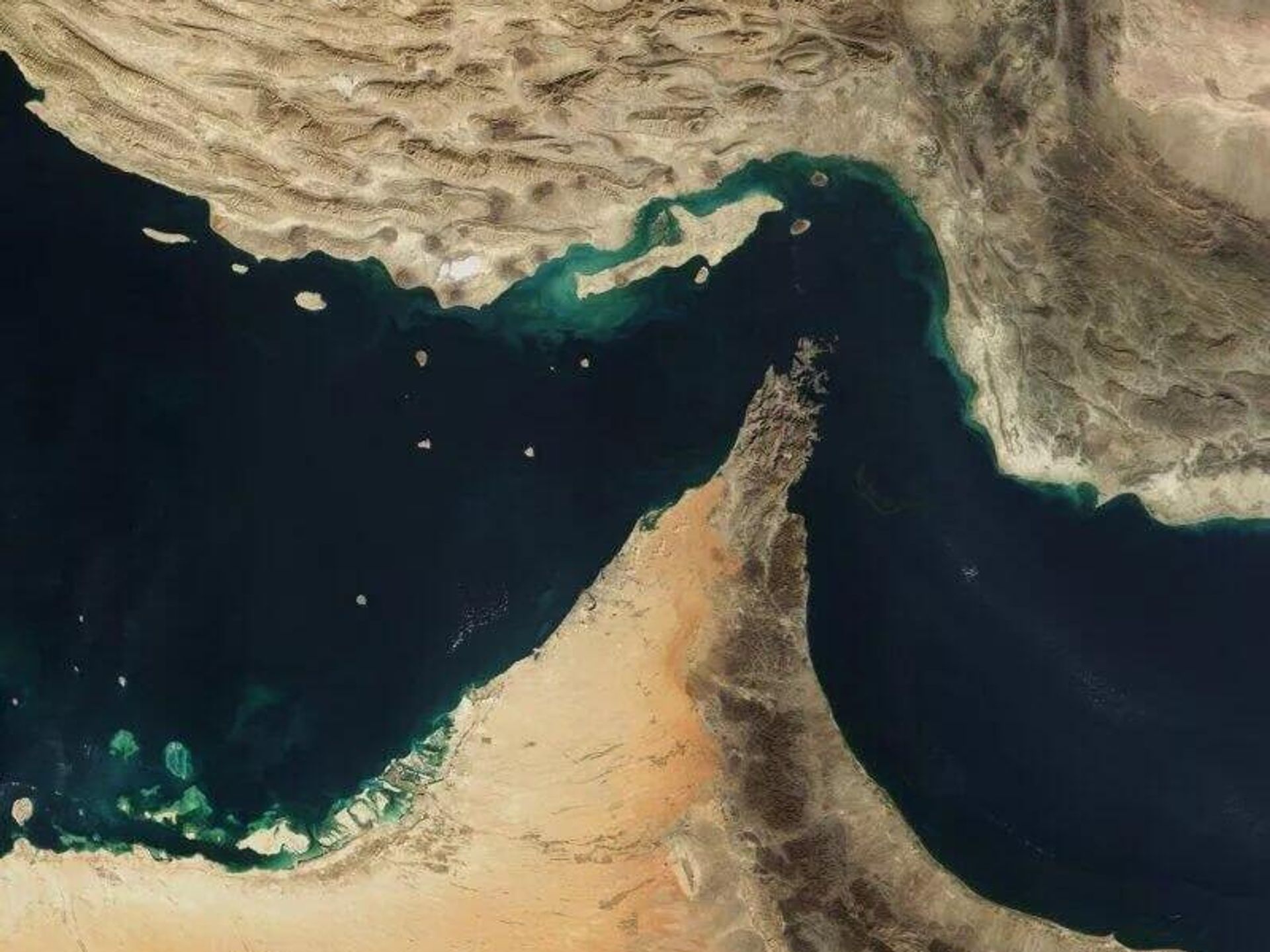
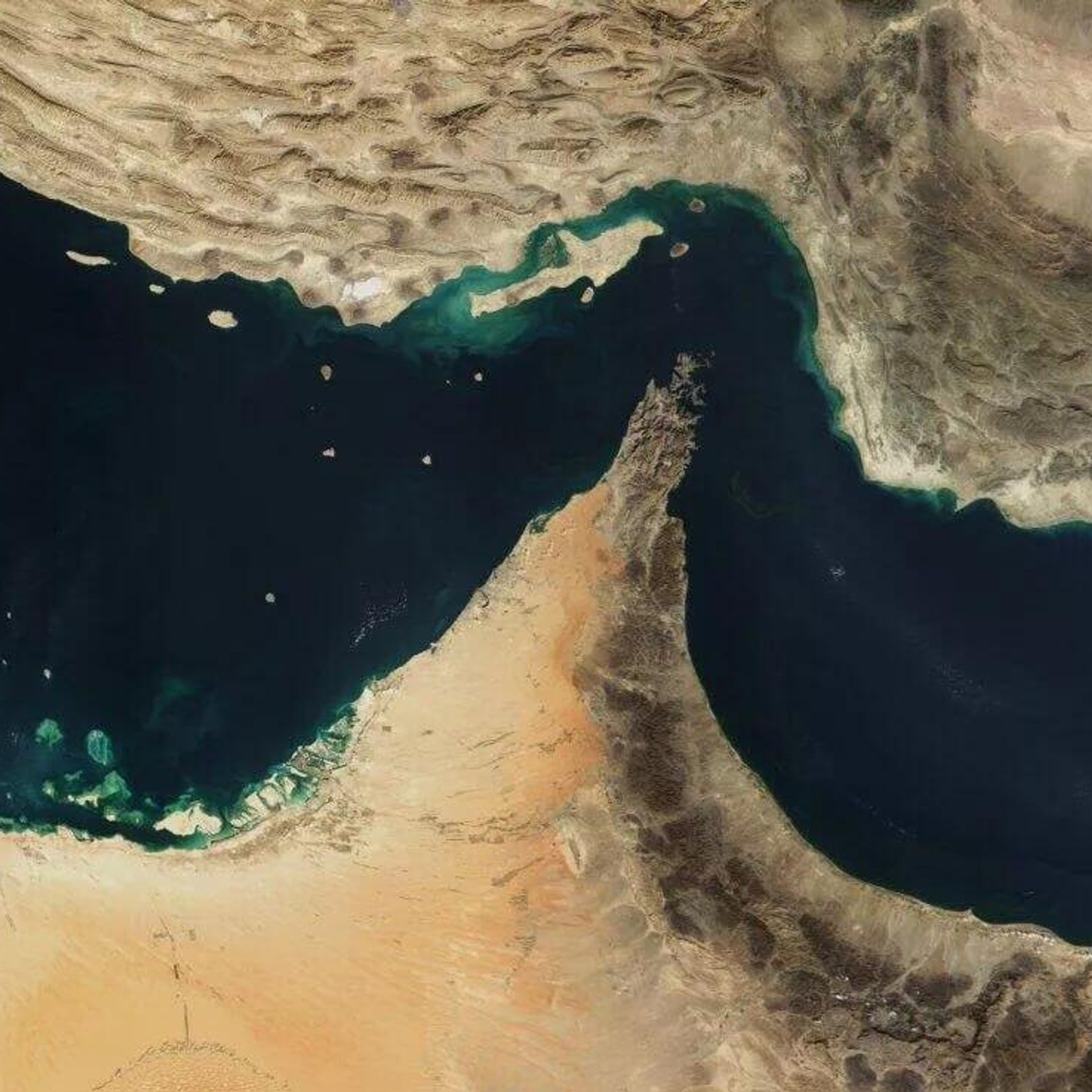
The escalation around Iran has led to the de facto blockade of the Strait of Hormuz, a key route for deliveries of oil and liquefied natural gas from the Persian Gulf countries to the global market, driving up fuel prices.