https://sputnikglobe.com/20260331/middle-east-conflict-erases-arab-regions-annual-economic-growth--un-1123924170.html
Middle East Conflict Erases Arab Region's Annual Economic Growth – UN
Middle East Conflict Erases Arab Region's Annual Economic Growth – UN
Sputnik International
The conflict in the Middle East has nullified the annual economic growth of the Arab region, with losses potentially reaching nearly $200 billion, according to a report by the United Nations Development Programme (UNDP).
2026-03-31T11:23+0000
2026-03-31T11:23+0000
2026-03-31T11:23+0000
us-israel war on iran
middle east
arab world
united nations development programme (undp)
the united nations (un)
strait of hormuz
iran
israel
us
https://cdn.imgsputnikglobe.com/img/07ea/03/0f/1123826649_0:160:3072:1888_1920x0_80_0_0_5fb8987ec3f60a1b8ef277dc9fb493f5.jpg
The military escalation in the Middle East could cost the region’s economies 3.7-6% of their combined GDP, representing losses of $120–194 billion and exceeding the total region's GDP growth in 2025, the report states.It notes that combined with a projected 4% rise in unemployment, or the loss of 3.6 million jobs— surpassing the total number of jobs created in the region in 2025 — this could push up to 4 million people into poverty.The findings show that the impact is uneven and varies significantly across the region due to the structural characteristics of its main subregions.According to UN estimates, the largest macroeconomic losses are concentrated in the Gulf Cooperation Council countries and the Levant, where high exposure to trade route disruptions and energy market volatility leads to sharp declines in output, investment, and trade.In the Levant countries, for instance, the crisis is expected to increase poverty rates by 5%, pushing an additional 2.85 to 3.30 million people below the poverty line. This would account for over 75% of the total rise in poverty across the region.On February 28, the US and Israel unleashed strikes on facilities inside Iran, including Tehran, with reports of destruction and civilian casualties. Iran is carrying out retaliatory strikes on Israeli soil and against US military facilities throughout the Middle East.Meanwhile, shipping through the Strait of Hormuz — a key route for global oil and liquefied natural gas supplies from the Gulf states — has effectively come to a halt. As a result, fuel prices are rising in most countries around the world.
https://sputnikglobe.com/20260327/gold-loses-its-safe-haven-shine-in-middle-east-war-1123905292.html
strait of hormuz
iran
israel
Sputnik International
feedback@sputniknews.com
+74956456601
MIA „Rossiya Segodnya“
2026
Sputnik International
feedback@sputniknews.com
+74956456601
MIA „Rossiya Segodnya“
News
en_EN
Sputnik International
feedback@sputniknews.com
+74956456601
MIA „Rossiya Segodnya“
Sputnik International
feedback@sputniknews.com
+74956456601
MIA „Rossiya Segodnya“
us israel iran war effects on middle east, un report on iran war effects
us israel iran war effects on middle east, un report on iran war effects
Middle East Conflict Erases Arab Region's Annual Economic Growth – UN
The conflict in the Middle East has nullified the annual economic growth of the Arab region, with losses potentially reaching nearly $200 billion, according to a report by the United Nations Development Programme (UNDP).
The military escalation in the Middle East could cost the region’s economies 3.7-6% of their combined GDP, representing losses of $120–194 billion and exceeding the total region's GDP growth in 2025, the report states.
It notes that combined with a projected 4% rise in unemployment, or the loss of 3.6 million jobs— surpassing the total number of jobs created in the region in 2025 — this could push up to 4 million people into poverty.
The findings show that the impact is uneven and varies significantly across the region due to the structural characteristics of its main subregions.
According to UN estimates, the largest macroeconomic losses are concentrated in the Gulf Cooperation Council countries and the Levant, where high exposure to trade route disruptions and energy market volatility leads to sharp declines in output, investment, and trade.
In the Levant countries, for instance, the crisis is expected to increase poverty rates by 5%, pushing an additional 2.85 to 3.30 million people below the poverty line. This would account for over 75% of the total rise in poverty across the region.
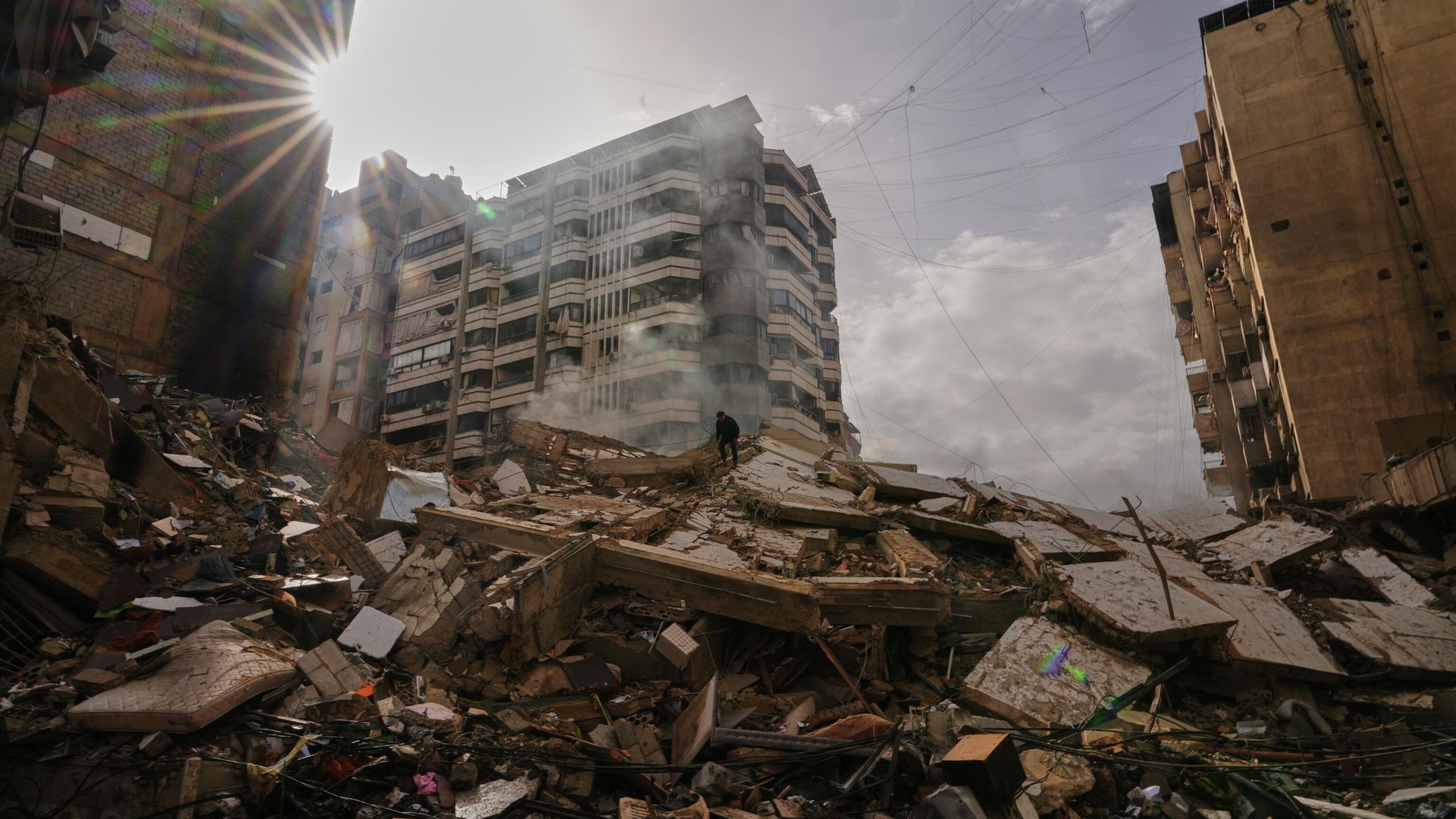
On February 28, the US and Israel unleashed strikes on facilities inside Iran, including Tehran, with reports of destruction and civilian casualties. Iran is carrying out retaliatory strikes on Israeli soil and against US military facilities throughout the Middle East.
Meanwhile, shipping through the Strait of Hormuz — a key route for global oil and liquefied natural gas supplies from the Gulf states — has effectively come to a halt. As a result, fuel prices are rising in most countries around the world.