https://sputnikglobe.com/20260518/scientist-explains-how-to-spot-an-exoplanet-with-amateur-telescope-1124149251.html
Scientist Explains How to Spot an Exoplanet With Amateur Telescope
Scientist Explains How to Spot an Exoplanet With Amateur Telescope
Sputnik International
The easiest exoplanets to detect — “hot Jupiters” — can be found in the sky even with an amateur telescope, Vladislava Ananyeva, a researcher in the Planetary Physics Department at the Space Research Institute (IKI) of the Russian Academy of Sciences, told Sputnik.
2026-05-18T21:55+0000
2026-05-18T21:55+0000
2026-05-19T09:55+0000
beyond politics
science & tech
solar system
jupiter
russian academy of sciences (ras)
space research institute
exoplanet
https://cdn.imgsputnikglobe.com/img/07ea/05/13/1124149090_0:180:3000:1868_1920x0_80_0_0_23d6b4a1956165877a3d120a6264e96a.jpg
“To detect a hot Jupiter, it is enough to use a 10-centimeter amateur telescope and take photometric measurements at least once every 10 minutes. This allows you to create light curves and identify transits,” Ananyeva said.Hot Jupiters have masses ranging from 0.3 to 13 times that of Jupiter and orbit their stars in less than 10 days. They were the first exoplanets ever discovered. While not the most common type of planet outside the Solar System, their ease of detection has led to several hundred being known.The transit method does not allow direct observation of the planet itself, but it provides clear evidence of its presence through changes in the star’s brightness. When the planet passes in front of the star, the star appears slightly dimmer. By measuring the depth and duration of this dimming, astronomers can determine the planet’s size and orbital period.
https://sputnikglobe.com/20240309/astronomers-discover-exoplanet-with-a-boiling-ocean-1117217054.html
solar system
jupiter
Sputnik International
feedback@sputniknews.com
+74956456601
MIA „Rossiya Segodnya“
2026
Sputnik International
feedback@sputniknews.com
+74956456601
MIA „Rossiya Segodnya“
News
en_EN
Sputnik International
feedback@sputniknews.com
+74956456601
MIA „Rossiya Segodnya“
Sputnik International
feedback@sputniknews.com
+74956456601
MIA „Rossiya Segodnya“
science & tech, solar system, jupiter, russian academy of sciences (ras), space research institute, exoplanet
science & tech, solar system, jupiter, russian academy of sciences (ras), space research institute, exoplanet
Scientist Explains How to Spot an Exoplanet With Amateur Telescope
21:55 GMT 18.05.2026 (Updated: 09:55 GMT 19.05.2026) The easiest exoplanets to detect — “hot Jupiters” — can be found in the sky even with an amateur telescope, Vladislava Ananyeva, a researcher in the Planetary Physics Department at the Space Research Institute (IKI) of the Russian Academy of Sciences, told Sputnik.
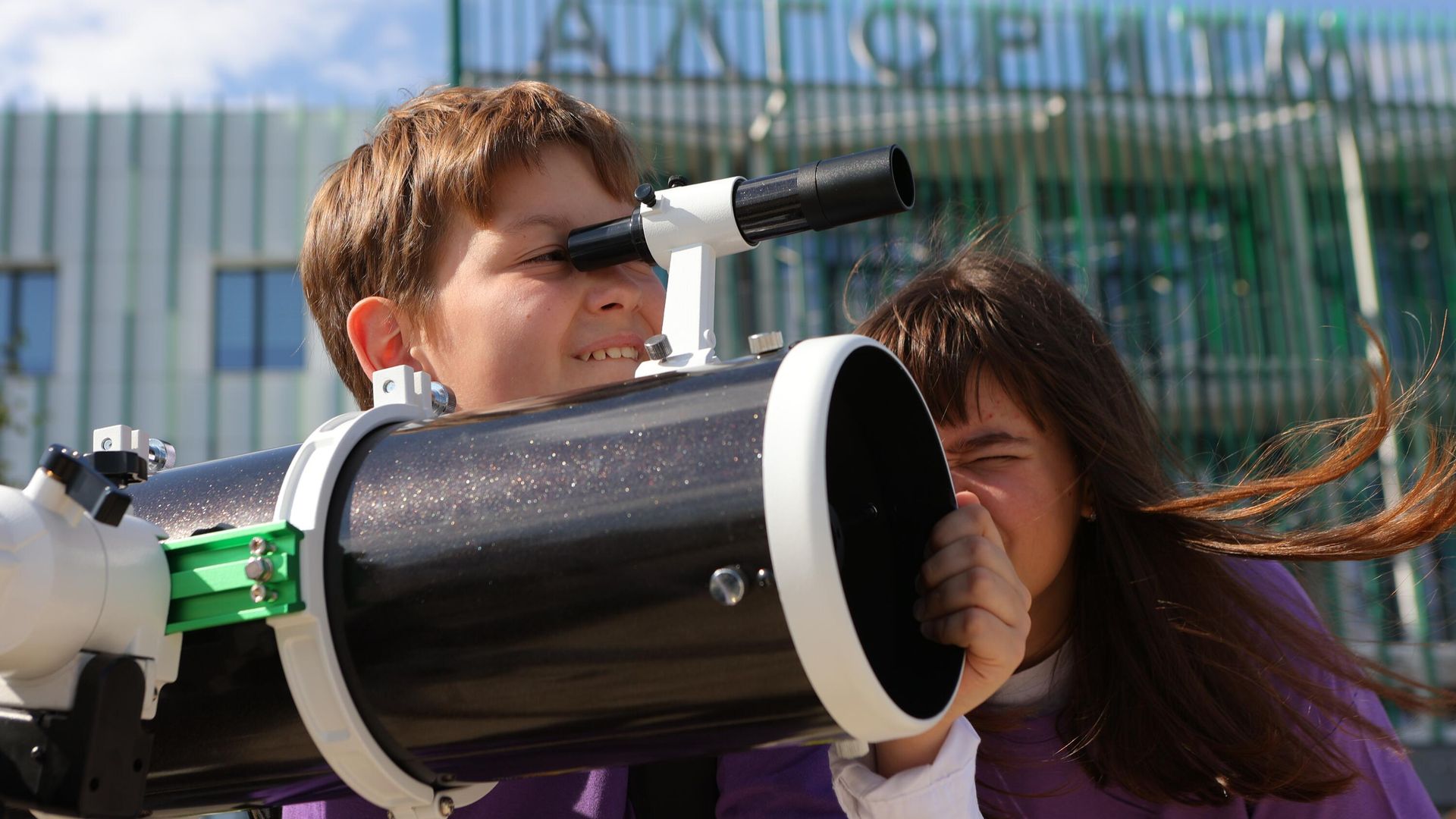
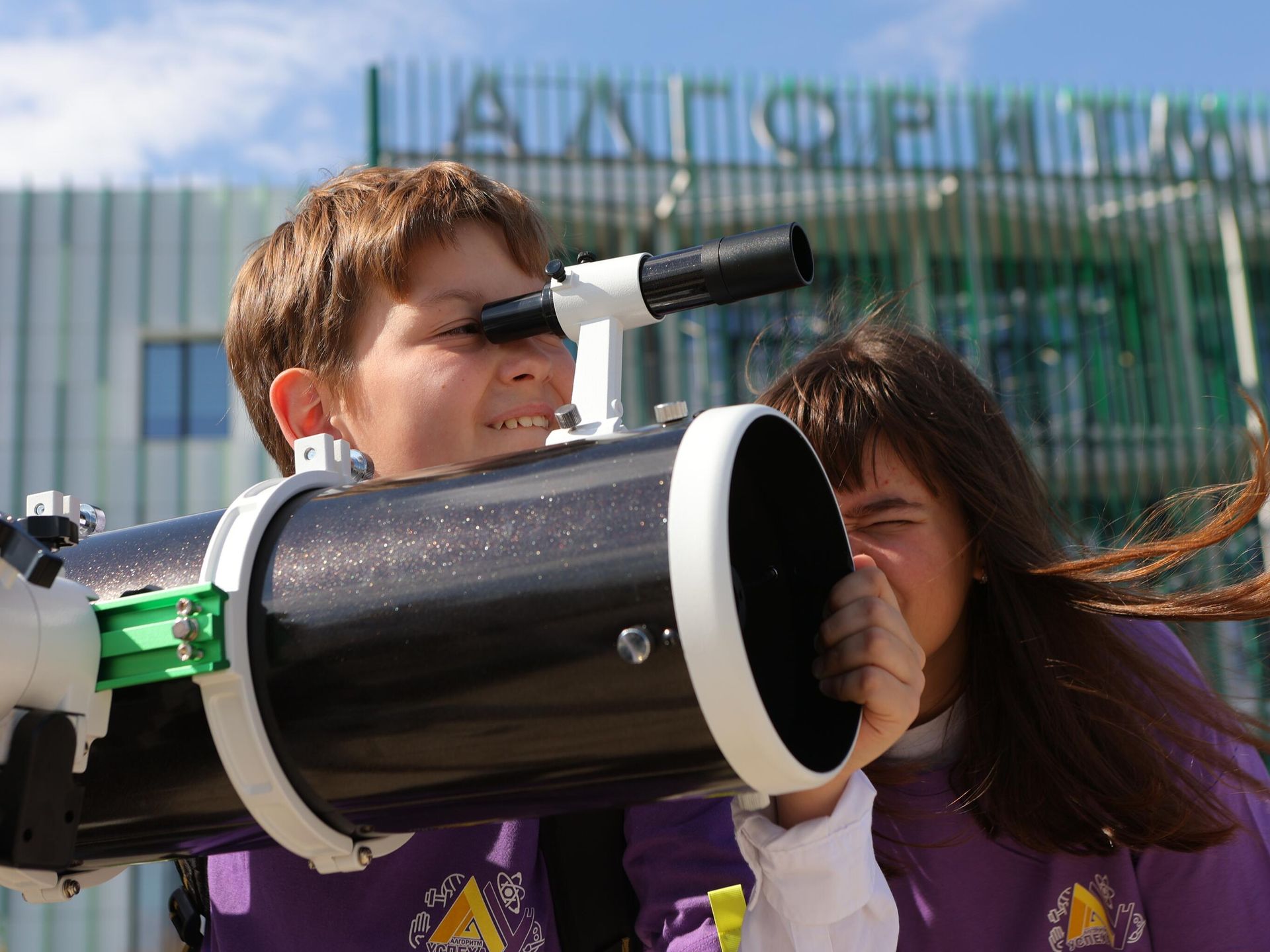
“To detect a hot Jupiter, it is enough to use a 10-centimeter amateur telescope and take photometric measurements at least once every 10 minutes. This allows you to create light curves and identify transits,” Ananyeva said.
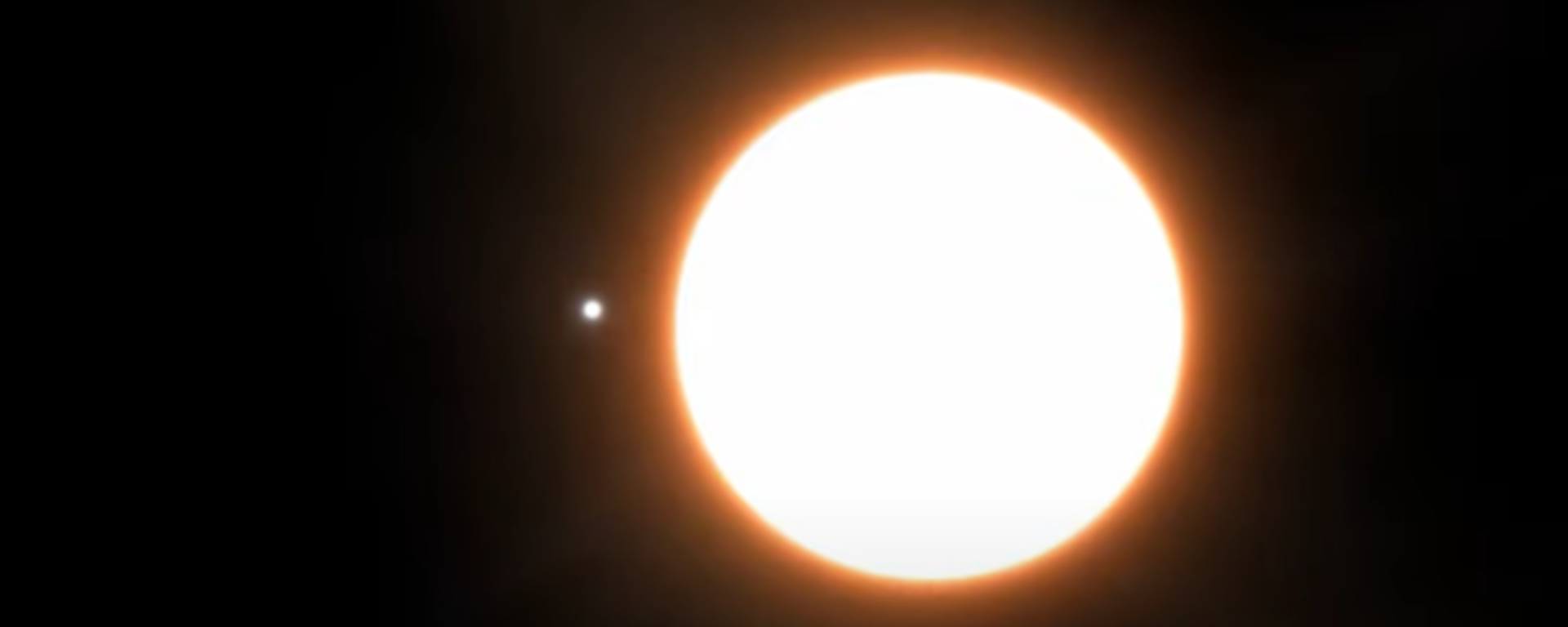
Hot Jupiters have masses ranging from 0.3 to 13 times that of Jupiter and orbit their stars in less than 10 days. They were the first exoplanets ever discovered. While not the most common type of planet outside the Solar System, their ease of detection has led to several hundred being known.
The transit method does not allow direct observation of the planet itself, but it provides clear evidence of its presence through changes in the star’s brightness. When the planet passes in front of the star, the star appears slightly dimmer. By measuring the depth and duration of this dimming, astronomers can determine the planet’s size and orbital period.