https://sputnikglobe.com/20260520/what-the-rasoob250-reveals-about-pakistans-cruise-missile-bet-1124162960.html
What the Rasoob‑250 Reveals About Pakistan’s Cruise Missile Bet
What the Rasoob‑250 Reveals About Pakistan’s Cruise Missile Bet
Sputnik International
The Rasoob-250 is the latest product of the growing Pakistani arms industry. Earlier this month, Pakistan successfully tested its Fateh-3 and Fateh-4 missiles.
2026-05-20T15:48+0000
2026-05-20T15:48+0000
2026-05-20T15:48+0000
analysis
military & intelligence
pakistan
sputnik
fateh
https://cdn.imgsputnikglobe.com/img/07ea/05/14/1124162801_0:5:750:427_1920x0_80_0_0_c255fa2809bf7c0913afd8bfcd7b32e1.jpg
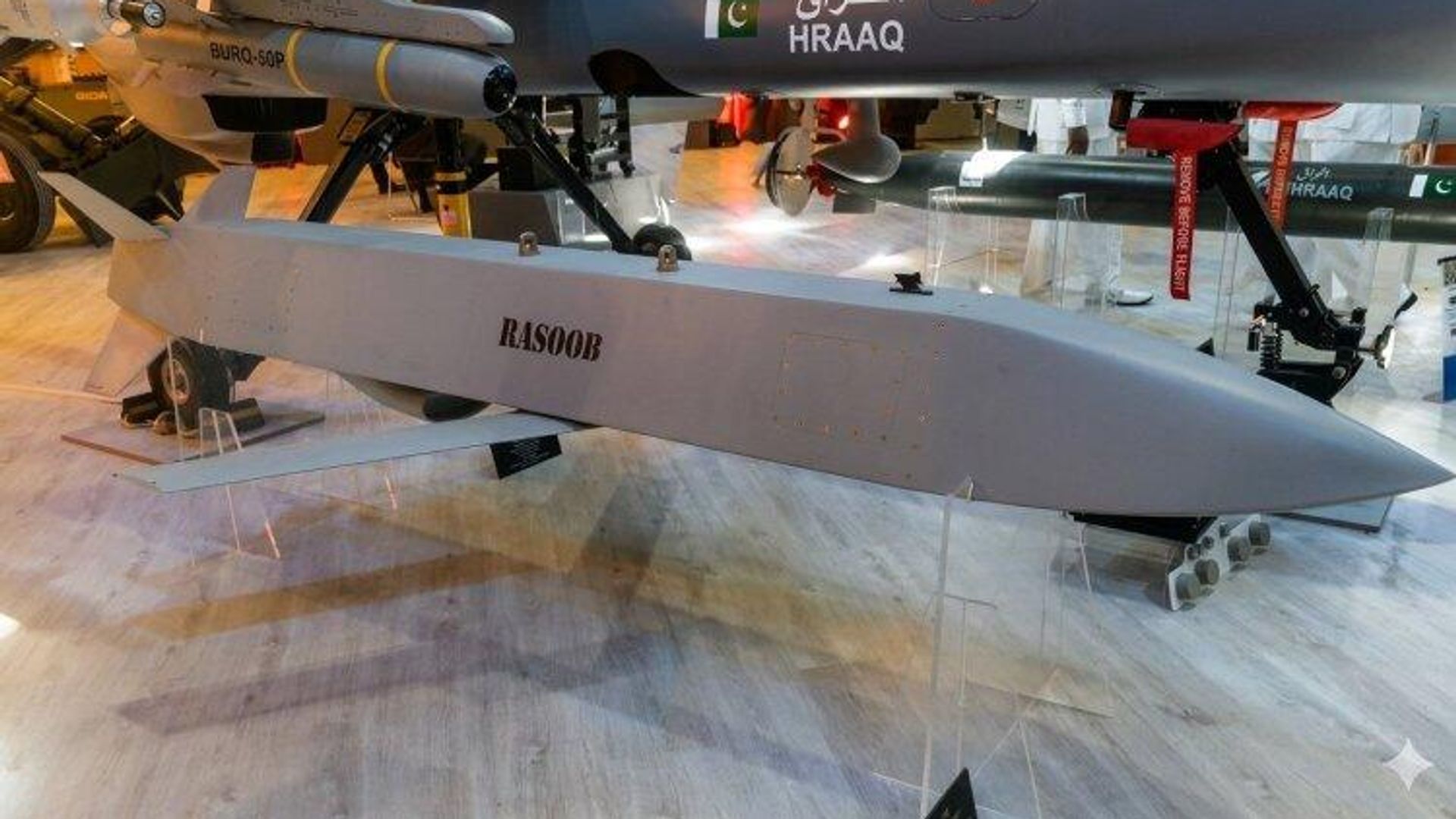
Pakistan has unveiled a new stealth cruise missile, the Rasoob-250 — a lightweight weapon that slips past enemy defenses and can be launched from multiple air platforms.Key characteristics:Platform: Air-launched; capable of precision strikes from drones, helicopters, and fighter jets.Weight: 285 kgRange: 350 kmSpeed: Subsonic (Mach 0.7)Warhead: 75 kg semi-armor-piercing, effective against lightly armored vehicles, cruisers, and destroyers.The missile is reported to have been developed by Pakistani engineers.According to Saud, the decision to develop a lightweight, stealthy ALCM for slower-moving aircraft represents a strategic choice aimed at filling a unique niche in Pakistan's military doctrine.Why Pakistan is betting on cruise missilesDeterrence: They offer a long-range attack option with no need to risk aircraft in hostile airspace.Force multiplication: Cruise missiles extend the reach of both the air force and the navy, allowing air-to-ground and sea-to-land attacks.Strategic balance: Just as Iran uses missiles to counter US and Israeli attacks, Pakistan sees them as a cost-effective equalizer against technologically superior enemies.Hali says the new missile is mainly a homegrown Pakistani development. Its closest international counterparts include:- Norway's Joint Strike Missile (JSM)- The Turkish SOM cruise missile- The Chinese CM-400AKGThe Rasoob-250 is the latest product of the growing Pakistani arms industry. Earlier this month, Pakistan successfully tested its Fateh-3 and Fateh-4 missiles.Hali attributes the growth of the Pakistani defense industry to three factors:1. Indigenous research and development – centers like NESCOM, GIDS and the Air Weapons Complex have made significant investments in software, composite materials and guidance systems.2. Operational necessity – regional threats and the growing demand for stand-off weapons have pushed Pakistan to speed up its missile programs.3. Doctrinal evolution – the Pakistani armed forces now combine cyber warfare, electronic warfare , and missile targeting.
https://sputnikglobe.com/20260514/pakistans-fateh-4-heres-what-you-need-to-know-1124126776.html
pakistan
Sputnik International
feedback@sputniknews.com
+74956456601
MIA „Rossiya Segodnya“
2026
Sputnik International
feedback@sputniknews.com
+74956456601
MIA „Rossiya Segodnya“
News
en_EN
Sputnik International
feedback@sputniknews.com
+74956456601
MIA „Rossiya Segodnya“
Sputnik International
feedback@sputniknews.com
+74956456601
MIA „Rossiya Segodnya“
military & intelligence, pakistan, sputnik, fateh
military & intelligence, pakistan, sputnik, fateh
What the Rasoob‑250 Reveals About Pakistan’s Cruise Missile Bet
The Rasoob-250 is the latest product of the growing Pakistani arms industry. Earlier this month, Pakistan successfully tested its Fateh-3 and Fateh-4 missiles.
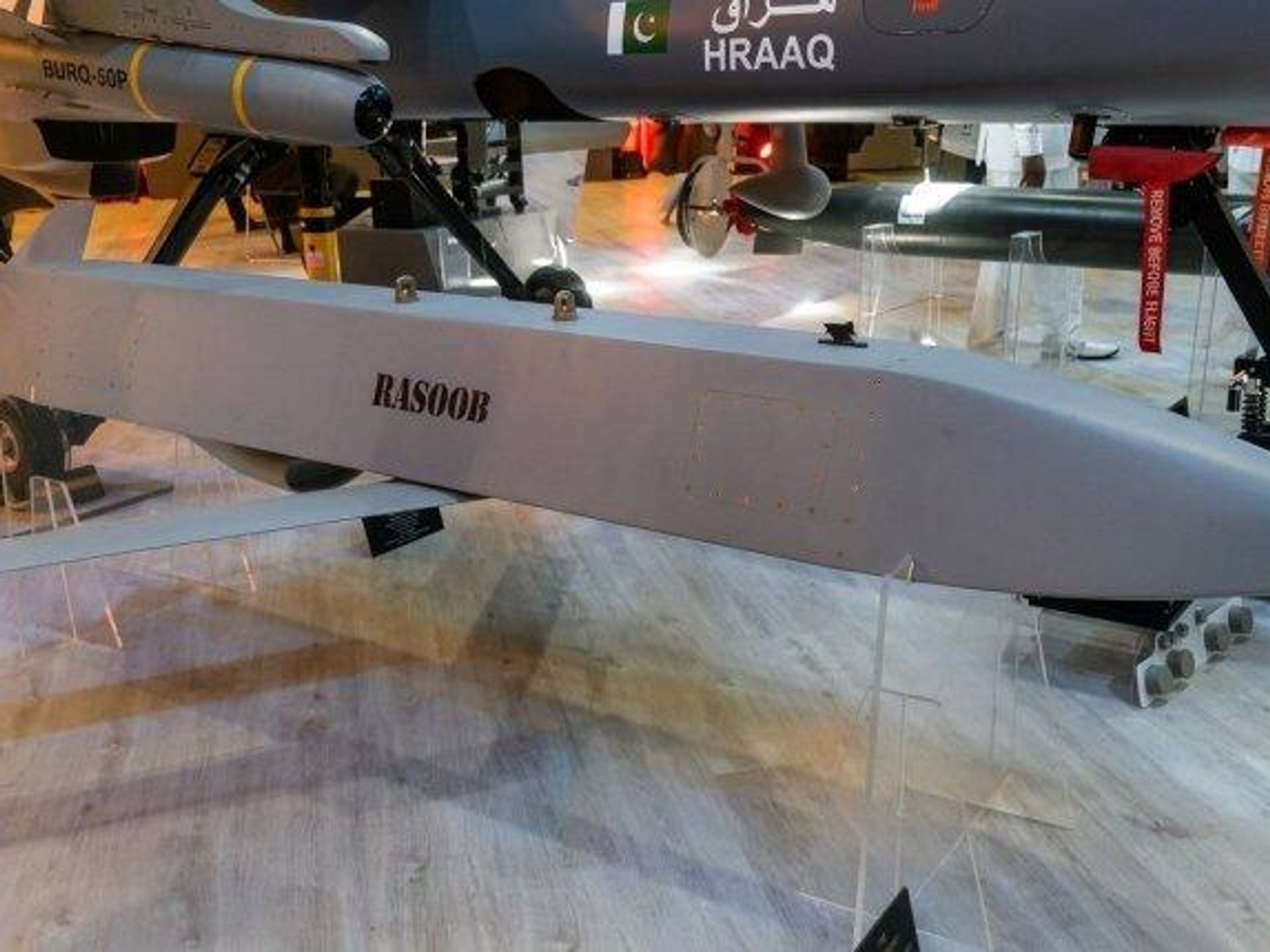
Pakistan has unveiled a new stealth cruise missile, the Rasoob-250 — a lightweight weapon that slips past enemy defenses and can be launched from multiple air platforms.
Platform: Air-launched; capable of precision strikes from drones, helicopters, and fighter jets.
Speed: Subsonic (Mach 0.7)
Warhead: 75 kg semi-armor-piercing, effective against lightly armored vehicles, cruisers, and destroyers.
The missile is reported to have been developed by Pakistani engineers.
"It demonstrates a natural progression in local engineering expertise, evolving from previous domestic programs," Adam Saud, Professor of International Relations at Bahria University, told Sputnik.
According to Saud, the decision to develop a lightweight, stealthy ALCM for slower-moving aircraft represents a strategic choice aimed at filling a unique niche in Pakistan's military doctrine.
Why Pakistan is betting on cruise missiles
"Missiles are central to Pakistan's military doctrine for three key reasons," retired Pakistan Air Force group captain Sultan Hali told Sputnik after Pakistan unveiled its new Rasoob-250 cruise missile.
Deterrence: They offer a long-range attack option with no need to risk aircraft in hostile airspace.
Force multiplication: Cruise missiles extend the reach of both the air force and the navy, allowing air-to-ground and sea-to-land attacks.
Strategic balance: Just as Iran uses missiles to counter US and Israeli attacks, Pakistan sees them as a cost-effective equalizer against technologically superior enemies.
Hali says the new missile is mainly a homegrown Pakistani development. Its closest international counterparts include:
- Norway's Joint Strike Missile (JSM)
- The Turkish SOM cruise missile
The Rasoob-250 is the latest product of the growing Pakistani arms industry. Earlier this month, Pakistan successfully tested its Fateh-3 and Fateh-4 missiles.
Hali attributes the growth of the Pakistani defense industry to three factors:
1. Indigenous research and development – centers like NESCOM, GIDS and the Air Weapons Complex have made significant investments in software, composite materials and guidance systems.
2. Operational necessity – regional threats and the growing demand for stand-off weapons have pushed Pakistan to speed up its missile programs.
3. Doctrinal evolution – the Pakistani armed forces now combine cyber warfare, electronic warfare , and missile targeting.