https://sputnikglobe.com/20260603/us-and-iran-exchange-new-strikes--tanker-hit-bases-targeted-1124242606.html
US and Iran Exchange New Strikes — Tanker Hit, Bases Targeted
US and Iran Exchange New Strikes — Tanker Hit, Bases Targeted
Sputnik International
The United States and Iran traded new strikes overnight, as Washington said it disabled an oil tanker and struck Iranian targets on Qeshm Island, while Tehran claimed retaliatory missile and drone attacks on a US airbase in Kuwait and the headquarters of the US Navy’s Fifth Fleet in Bahrain.
2026-06-03T03:59+0000
2026-06-03T03:59+0000
2026-06-03T04:51+0000
us-israel war on iran
us central command (centcom)
iran
kuwait
islamic revolutionary guard corps (irgc)
us
us-iran relations
https://cdn.imgsputnikglobe.com/img/07e8/01/0e/1116155539_87:0:1264:662_1920x0_80_0_0_a43a059bc264b0fed5904fd6843ba6c6.png
US Central Command (CENTCOM) said it conducted “self‑defense strikes” on Qeshm Island, a strategic Iranian island in the Strait of Hormuz, after intercepting what it described as Iranian drones and ballistic missiles aimed at regional neighbours.CENTCOM also announced that it had disabled the Botswana‑flagged oil tanker M/T Lexie for “non‑compliant” behaviour while it attempted to sail toward an Iranian port in the Arabian Gulf.The Islamic Revolutionary Guard Corps (IRGC) confirmed it had responded to US “aggression” and violations of the Strait of Hormuz regulations.According to an IRGC statement, its forces:“In the event of aggression, the response would be different and harsher. These responses should serve as a lesson,” the IRGC warned.CENTCOM claimed that Iranian missiles launched toward Kuwait and Bahrain “failed to hit their intended targets,” with some breaking apart in flight or being intercepted by US, Kuwaiti and Bahraini air defenses.However, social media footage from Kuwait purportedly shows air defence activity and explosion sounds over Kuwait City, suggesting that at least some projectiles got through. There was no immediate confirmation from Kuwaiti authorities.On February 28, the United States and Israel launched strikes on targets in Iran, including in Tehran, causing damage and civilian casualties. Iran responded by striking Israeli territory and US military facilities in the Middle East. On April 7, Washington and Tehran announced a ceasefire. Subsequent talks held in Islamabad ended without a breakthrough.
https://sputnikglobe.com/20260601/negotiation-through-pressure--why-us-and-iran-exchange-strikes-while-negotiating-1124236022.html
iran
kuwait
Sputnik International
feedback@sputniknews.com
+74956456601
MIA „Rossiya Segodnya“
2026
Sputnik International
feedback@sputniknews.com
+74956456601
MIA „Rossiya Segodnya“
News
en_EN
Sputnik International
feedback@sputniknews.com
+74956456601
MIA „Rossiya Segodnya“
Sputnik International
feedback@sputniknews.com
+74956456601
MIA „Rossiya Segodnya“
us central command (centcom), iran, kuwait, islamic revolutionary guard corps (irgc), us, us-iran relations
us central command (centcom), iran, kuwait, islamic revolutionary guard corps (irgc), us, us-iran relations
US and Iran Exchange New Strikes — Tanker Hit, Bases Targeted
03:59 GMT 03.06.2026 (Updated: 04:51 GMT 03.06.2026) The United States and Iran traded new strikes overnight, as Washington said it disabled an oil tanker and struck Iranian targets on Qeshm Island, while Tehran claimed retaliatory missile and drone attacks on a US airbase in Kuwait and the headquarters of the US Navy’s Fifth Fleet in Bahrain.
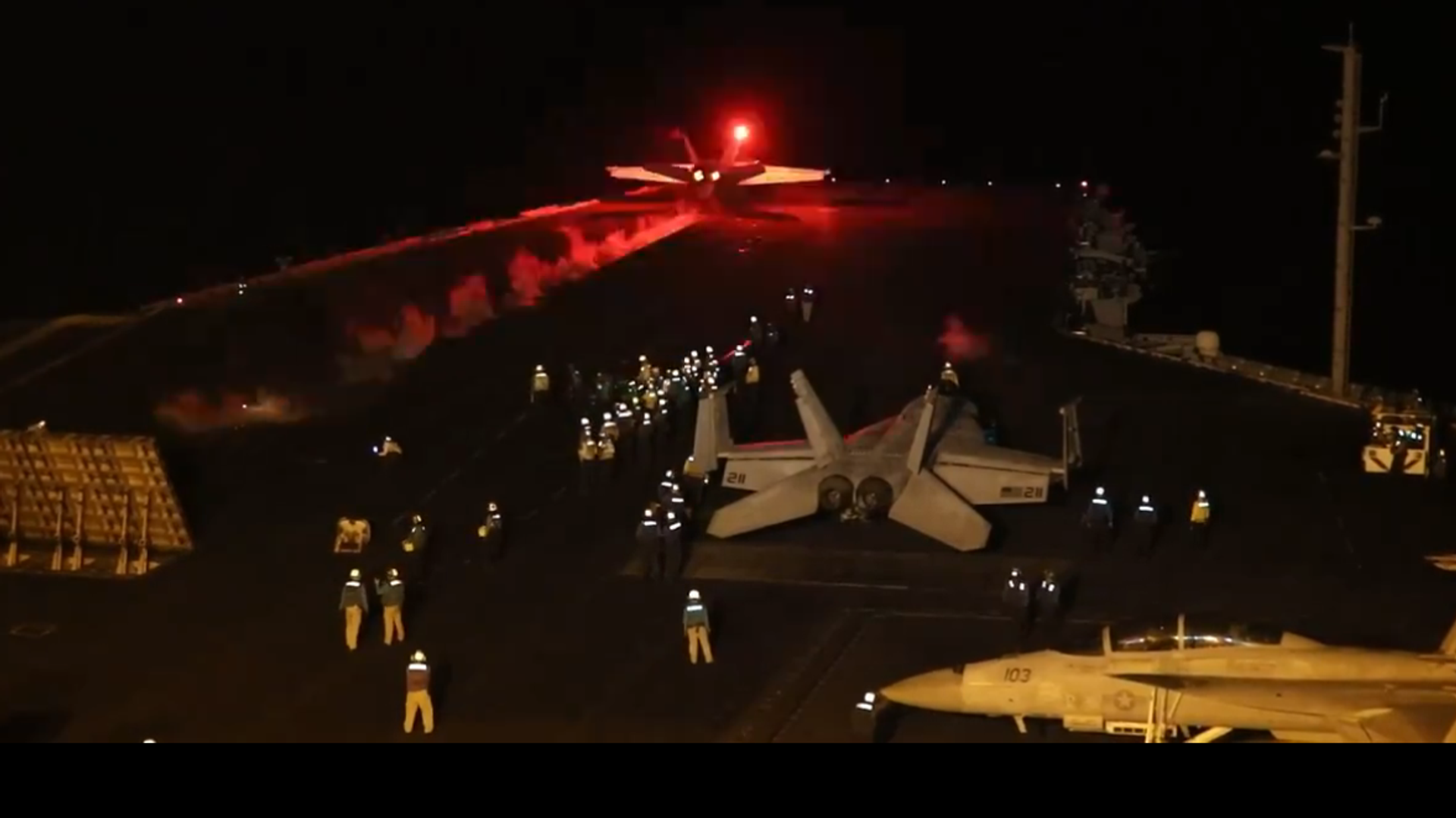
US Central Command (CENTCOM) said it conducted “self‑defense strikes” on Qeshm Island, a strategic Iranian island in the Strait of Hormuz, after intercepting what it described as Iranian drones and ballistic missiles aimed at regional neighbours.
CENTCOM also announced that it had disabled the Botswana‑flagged oil tanker M/T Lexie for “non‑compliant” behaviour while it attempted to sail toward an Iranian port in the Arabian Gulf.
The Islamic Revolutionary Guard Corps (IRGC) confirmed it had responded to US “aggression” and violations of the Strait of Hormuz regulations.
According to an IRGC statement, its forces:
Targeted the Liberia‑flagged container ship
MSC Panaya with anti‑ship missiles.
Struck a US airbase in Kuwait (unconfirmed reports identified it as Ali Al‑Salem Airbase).
Targeted the headquarters of the US Navy’s Fifth Fleet in Bahrain with missiles and drones.
“In the event of aggression, the response would be different and harsher. These responses should serve as a lesson,” the IRGC warned.
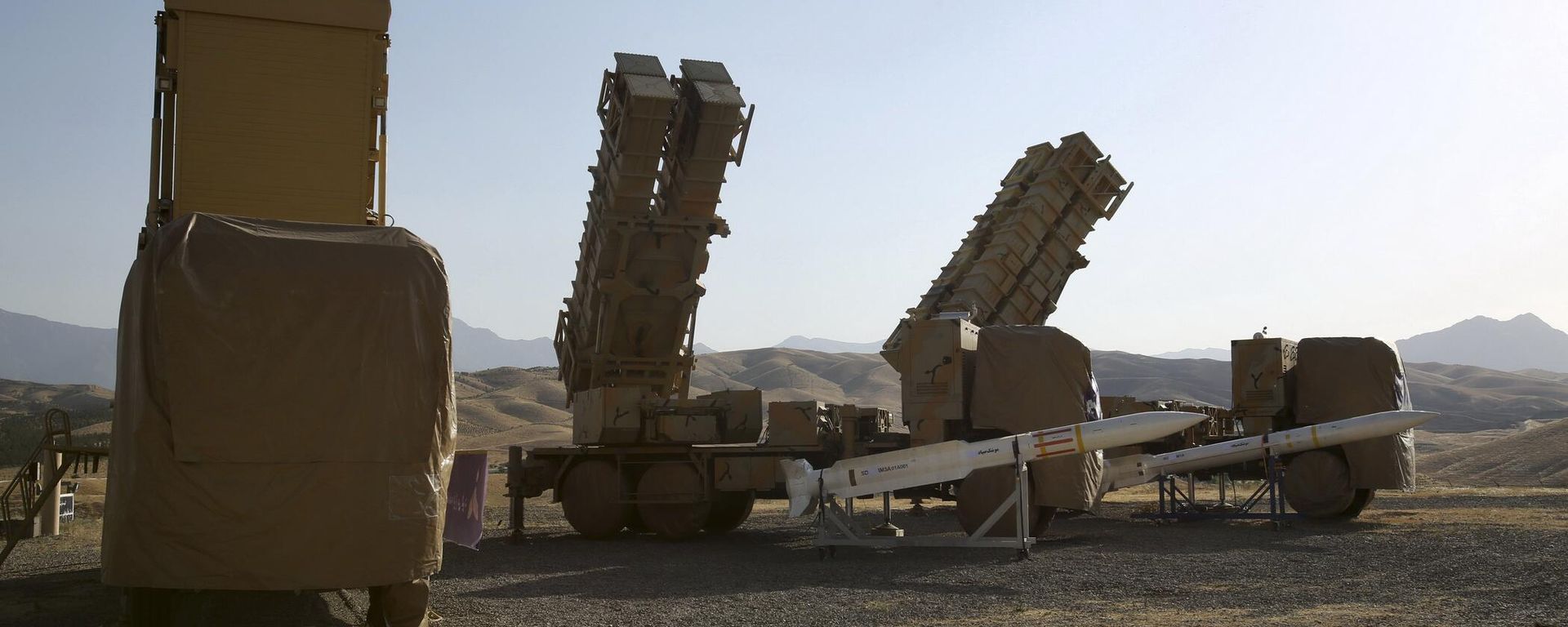
CENTCOM claimed that Iranian missiles launched toward Kuwait and Bahrain “failed to hit their intended targets,” with some breaking apart in flight or being intercepted by US, Kuwaiti and Bahraini air defenses.
However, social media footage from Kuwait purportedly shows air defence activity and explosion sounds over Kuwait City, suggesting that at least some projectiles got through. There was no immediate confirmation from Kuwaiti authorities.
On February 28, the United States and Israel launched strikes on targets in Iran, including in Tehran, causing damage and civilian casualties. Iran responded by striking Israeli territory and US military facilities in the Middle East. On April 7, Washington and Tehran announced a ceasefire. Subsequent talks held in Islamabad ended without a breakthrough.