1.
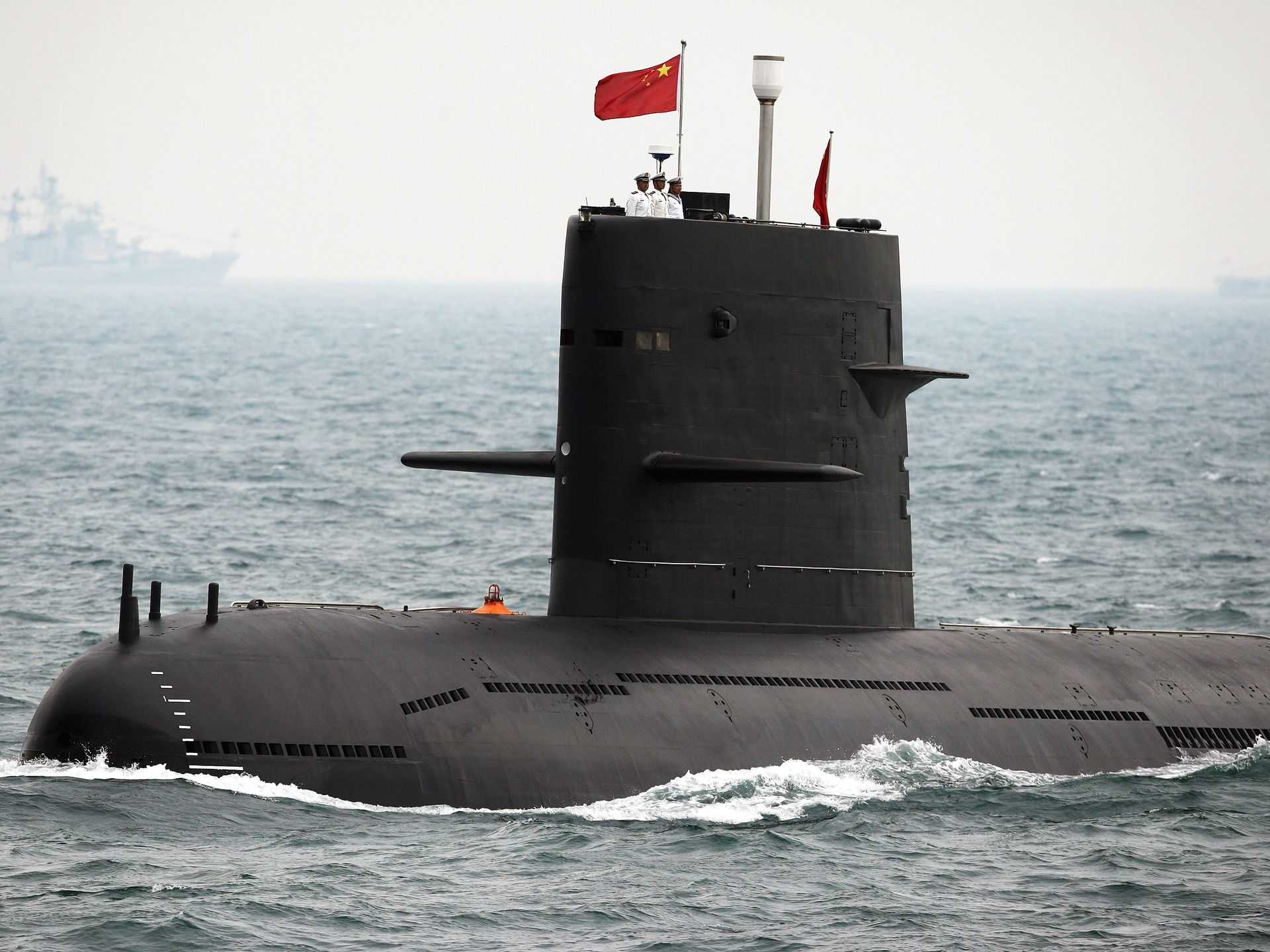
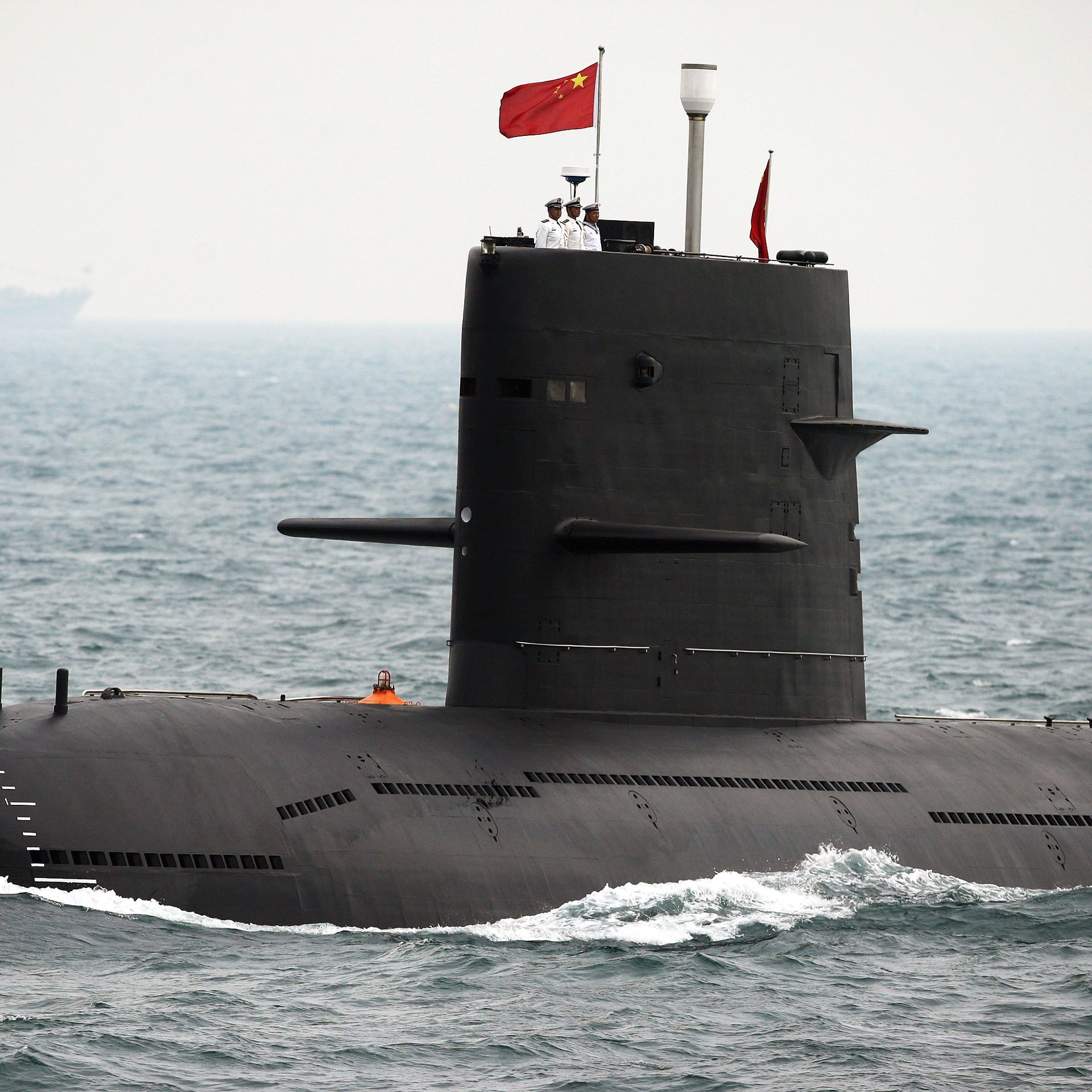
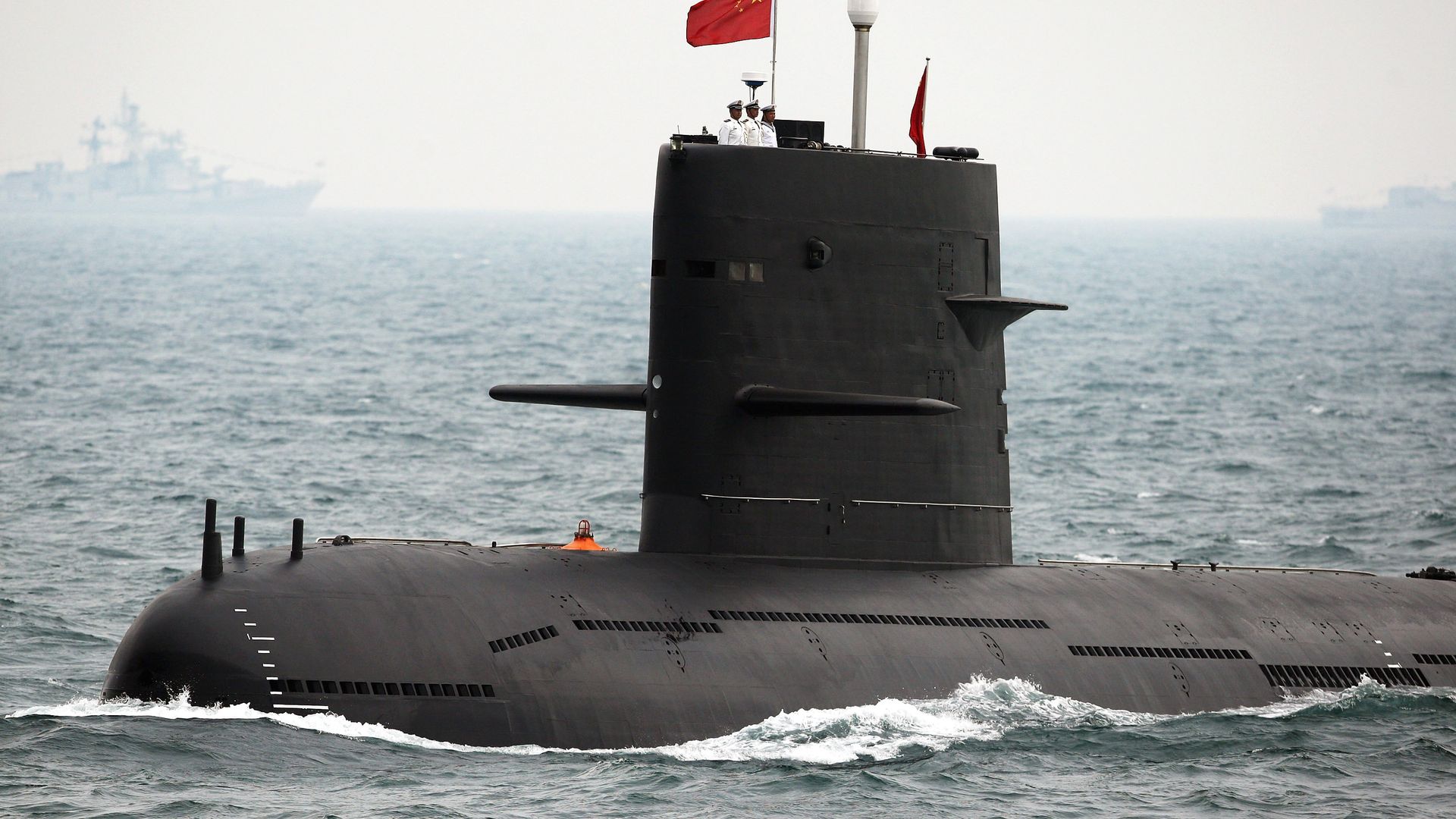
ATEM sends electromagnetic pulses deep into water and detects conductive objects through their secondary magnetic signatures2.
When the pulse stops, it induces decaying “eddy currents” in conductive targets like submarine hulls, which generate detectable secondary magnetic fields3.
A receiver coil analyzes the signal’s strength and decay rate to reveal not just presence, but depth and target characteristics4.
Engineers solved a key challenge: keeping a massive multi-coil airborne array stable during flight, allowing accurate data collection5.
The technology could eventually be combined with AI, seabed sensors, drones, and sonar networks to boost anti-submarine detection capabilities