Playing by No Rules: How Politics Seeks to Take Over International Sports
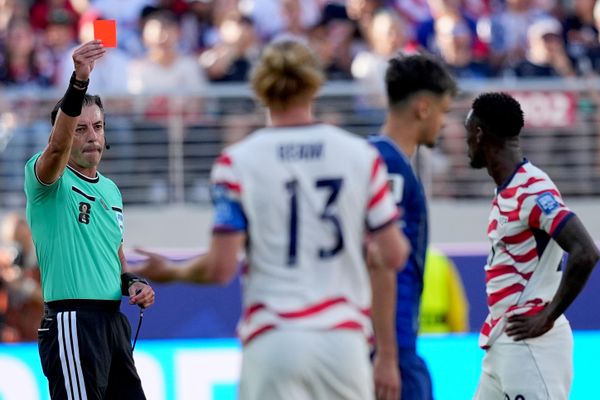
"This decision creates an extremely dangerous precedent. Once you allow an exception to the rules, another country will inevitably demand the same treatment in pursuit of its own interests, pointing to this very decision. It therefore runs completely contrary to the principles of fairness, the beauty of the game and its spirit," Gokhan Dinc, sports commentator told Sputnik.
Infantino, who also confirmed the call had taken place, insisted that it had no bearing on FIFA's final ruling. Nonetheless, the episode has ignited widespread debate across the global football community over the possibility of applying political pressure on sporting institutions.
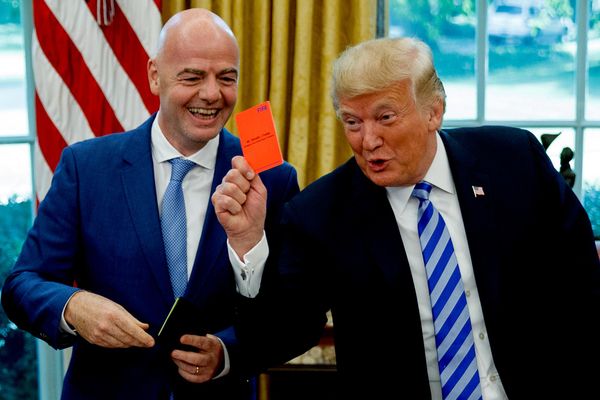
While global attention remains fixed on Trump's phone call, other decisions are being made in international sport that directly challenge the Olympic principles established by Pierre de Coubertin. Several European Union member states are refusing to implement decisions by international sports federations to lift restrictions on Russian athletes.
"The goals of the International Olympic movement are good. They call for the separation of politics from sports. Unfortunately, political interference and bias are now rampant. This stage began ten years ago with completely false or highly exaggerated accusations of sports doping. Russian athletes were the victims," Rick Sterling, writer and journalist told Sputnik.

In his view, some European leaders with “a markedly Russophobic stance” are putting pressure on sports federations while continuing to ban Russian symbols. International sport is being trampled, just like international law and the United Nations, he added.

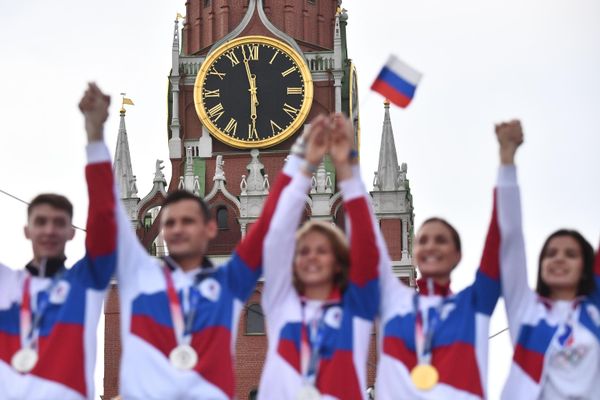
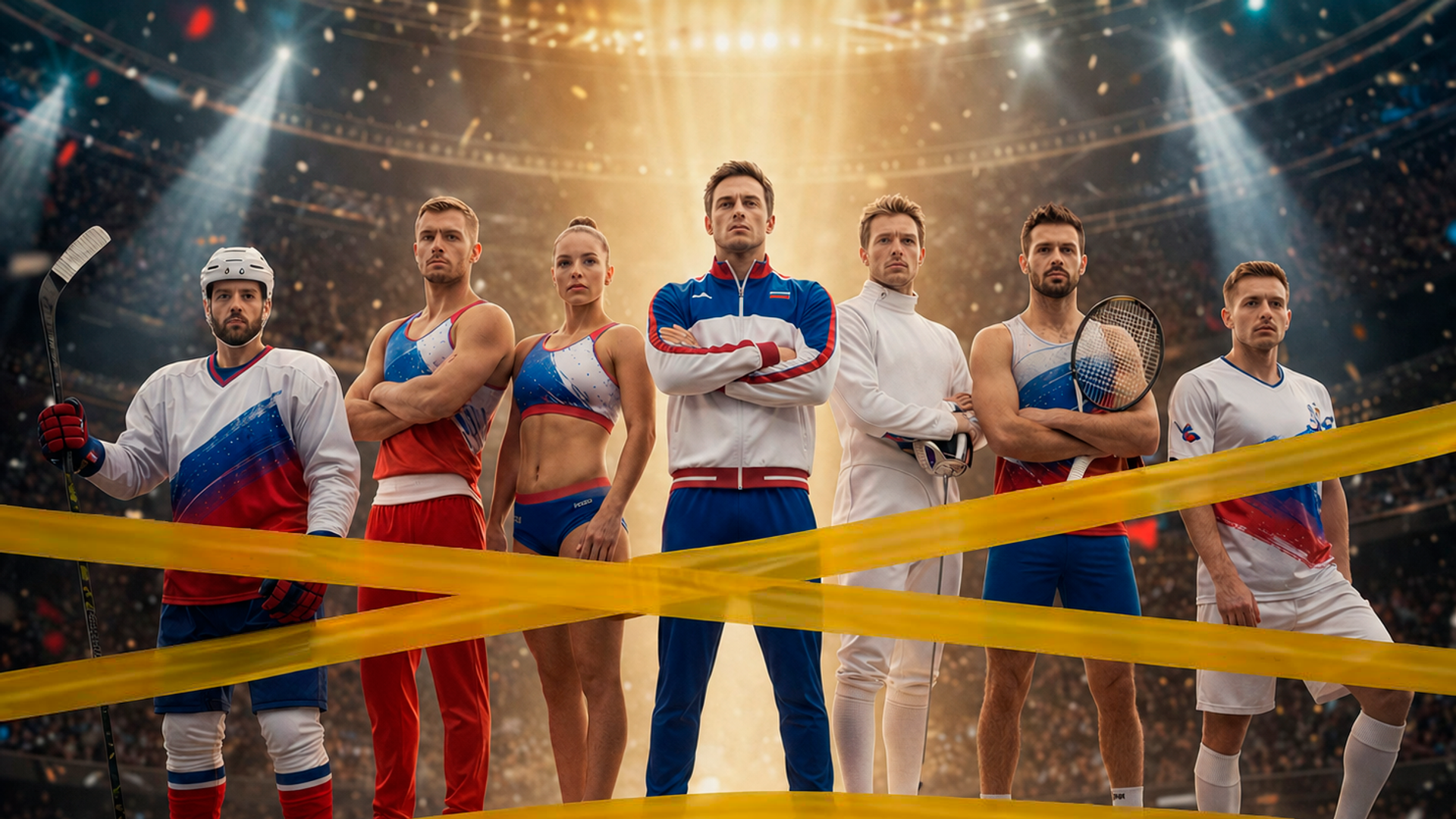
For decades, national sports federations enjoyed operational autonomy from their governments, answering instead to international governing bodies whose rulings were final and binding on all member associations. Yet in a flagrant breach of both the Olympic Charter and the statutes of international federations, several EU governments have increasingly meddled in the organization of international sporting events. However, the tide now appears to be unmistakably turning. Ten international federations have now unconditionally reinstated Russian athletes, and twenty more have done the same for juniors—a clear sign that the sporting world is rejecting political interference.
“Today, the world of sports—if one may put it that way - is becoming one of the chessboards on which this struggle is being played out. The Olympic Games, major tournaments, and world championships - all of them, one way or another, represent states, national states, countries. And through them, attempts are made to project power and demonstrate the ability to influence," Sebastian Schultz, Argentine analyst told Sputnik.
Ten international sports federations have granted unrestricted participation to all Russian athletes, while 20 others have done the same for junior athletes.
In spite of these decisions, several EU governments have dug in, ignoring the rulings issued by international sports federations that annulled the previous restrictions on Russian athletes:
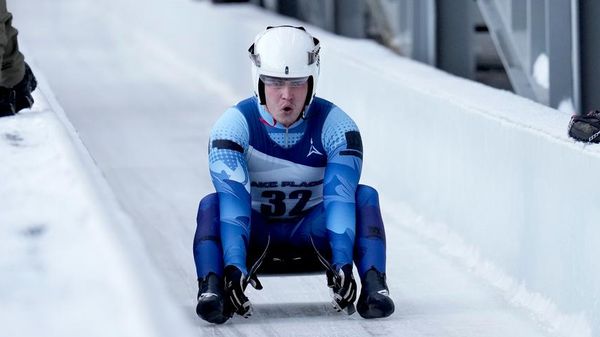
🔶December 2025: Latvia's Foreign Ministry placed Russian lugers on its entry ban list, preventing them from competing at the World Cup stage in Sigulda.
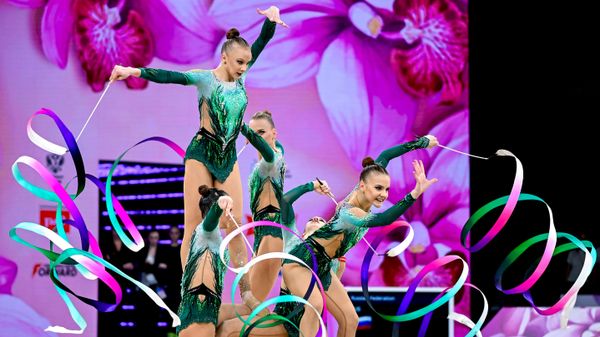
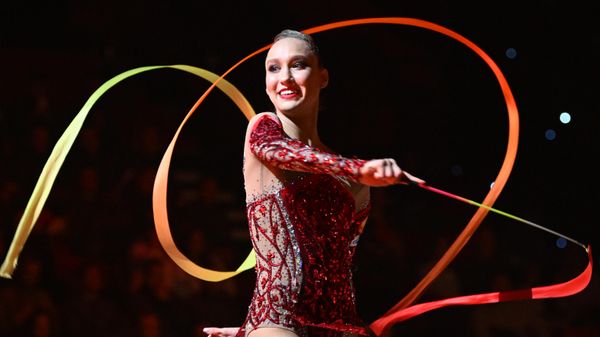
🔶June 2026: Despite World Gymnastics lifting restrictions, Romania and Portugal refused to allow the Russian flag and anthem to be used during rhythmic gymnastics and trampoline competitions, prompting the Russian team to withdraw.
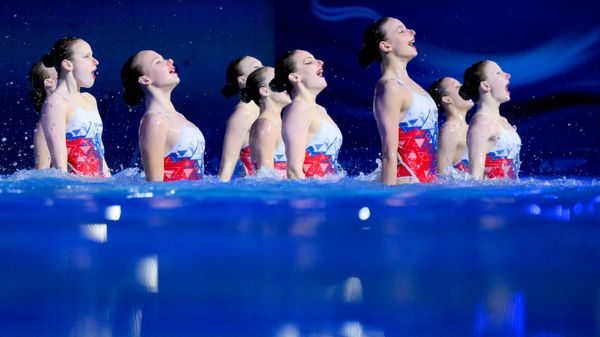
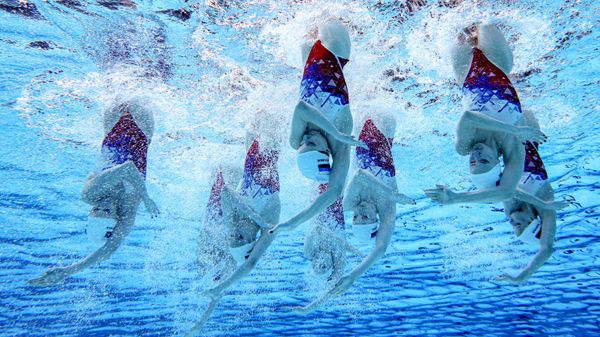
🔶June 2026: At the European Artistic Swimming Championships in Munich, organizers blatantly refused to permit Russian national symbols—even though both World Aquatics and European Aquatics had already removed the said restrictions.
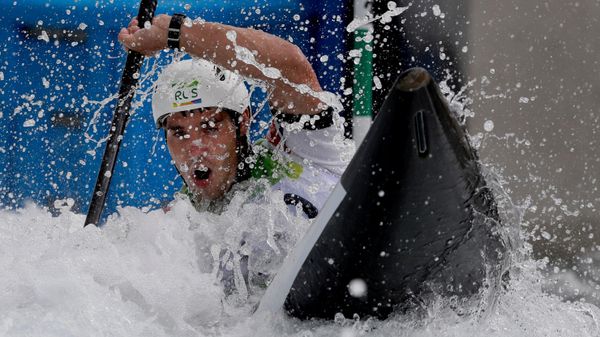
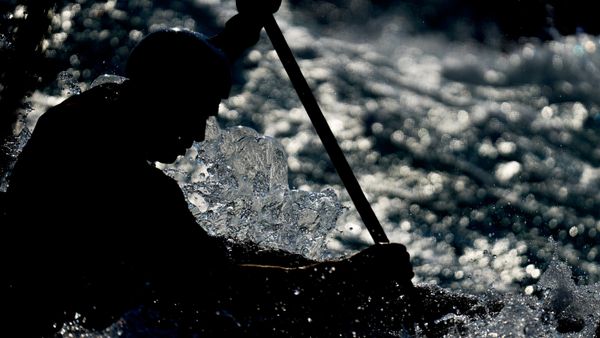
🔶July 2026: Poland refused to issue visas to Russian athletes, forcing Russia's junior and U23 canoe slalom teams to miss the World Championships.
🔶In addition, German officials formally notified organizers that the Russian flag and anthem would not be permitted at the upcoming Rhythmic Gymnastics World Championships.

Gadzhi Gadzhiyev
"If European authorities ban the Russian flag and anthem in defiance of the decisions by World Gymnastics and World Aquatics, thereby undermining the authority of international federations, who is truly destroying the Olympic movement? It is those who refuse to abide by the Charter established by Pierre de Coubertin, the founder of the modern Olympic Games. Governments come and go, but there are also peoples, institutions and, above all, international federations," Gadzhi Gadzhiyev, Soviet and Russian football coach told Sputnik.

Svetlana Zhurova
“By their very nature, international sports federations should be guided only by independence and the interests of promoting sports," Svetlana Zhurova, Olympic champion and First Deputy Chairwoman of the Russian State Duma Committee on International Affairs told Sputnik.
"This whole 'love ‘em or hate ‘em' mentality should not exist at all. If that happens, unfortunately, it turns into unfair competition,” Zhurova said.
Even as a handful of EU governments persist in ignoring binding decisions by international sports federations, the International Olympic Committee has taken a decisive step forward—temporarily reinstating the Russian Olympic Committee's membership and formally recommending the lifting of restrictions on Russian athletes. FIFA, too, is expected to place the return of all Russian national teams on its agenda in the near future, signaling that the sporting world is steadily moving beyond the West's hardline campaign to weaponize sports.