https://sputnikglobe.com/20260726/russian-scientists-crack-chip-overheating-with-quantum-trick-1124498099.html
Russian Scientists Crack Chip Overheating With Quantum Trick
Russian Scientists Crack Chip Overheating With Quantum Trick
Sputnik International
Researchers from St. Petersburg University found that semiconductors can cool themselves by converting heat into light.
2026-07-26T06:46+0000
2026-07-26T06:46+0000
2026-07-26T07:58+0000
russia
science & tech
chip
quantum physics
https://cdn.imgsputnikglobe.com/img/07e6/05/13/1095636910_0:107:2048:1259_1920x0_80_0_0_5e0074355f67d83e14e11d4334937d44.jpg
The approach could help create compact lasers, photonic chips, and optical sensors where conventional cooling is too bulky or energy-intensive.
https://sputnikglobe.com/20260726/russia-unveils-innovative-tumor-treatment-method-1124497780.html
Sputnik International
feedback@sputniknews.com
+74956456601
MIA „Rossiya Segodnya“
2026
Sputnik International
feedback@sputniknews.com
+74956456601
MIA „Rossiya Segodnya“
News
en_EN
Sputnik International
feedback@sputniknews.com
+74956456601
MIA „Rossiya Segodnya“
Sputnik International
feedback@sputniknews.com
+74956456601
MIA „Rossiya Segodnya“
science & tech, chip, quantum physics
science & tech, chip, quantum physics
Russian Scientists Crack Chip Overheating With Quantum Trick
06:46 GMT 26.07.2026 (Updated: 07:58 GMT 26.07.2026) Researchers from St. Petersburg University found that semiconductors can cool themselves by converting heat into light.
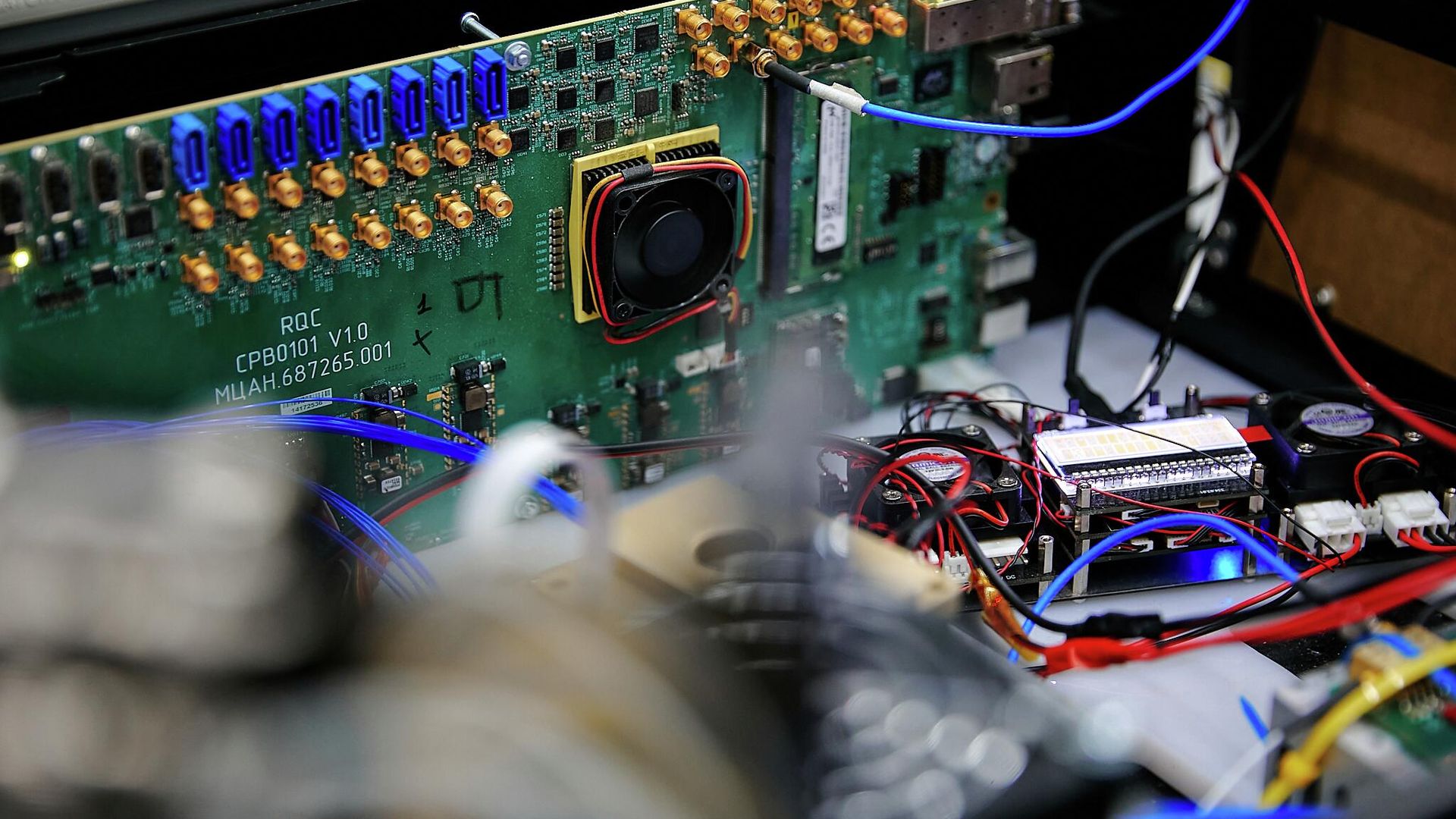
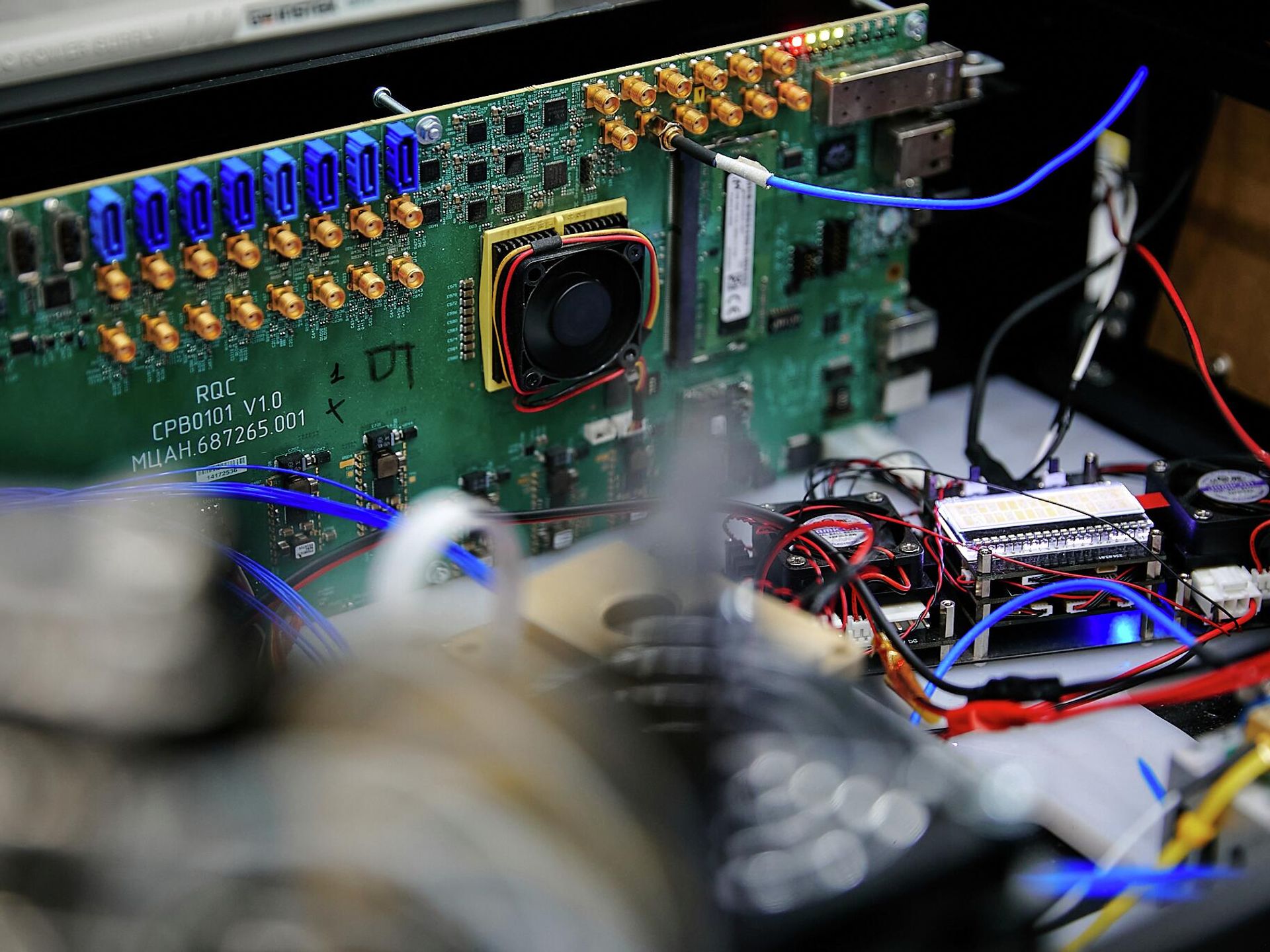
Overheating is a perpetual headache in modern electronics. The more powerful the chip, laser, or optical sensor, the harder it is to dissipate excess heat
Scientists used a quantum well to trap electrons and holes, creating two exciton states at different energy levels
A laser excites one state; heat provides energy to jump higher, then a photon is emitted, cooling the material
The approach could help create compact lasers, photonic chips, and optical sensors where conventional cooling is too bulky or energy-intensive.