https://sputnikglobe.com/20260806/record-russian-lng-imports-fail-to-boost-eu-winter-gas-reserves-1124545885.html
Record Russian LNG Imports Fail to Boost EU Winter Gas Reserves
Record Russian LNG Imports Fail to Boost EU Winter Gas Reserves
Sputnik International
Despite record purchases of Russian liquefied natural gas (LNG) in the first half of 2026, EU gas storage levels remain at their lowest for this time of year in a decade and a half, according to data from Gas Infrastructure Europe (GIE) and EU regulators analyzed by Sputnik on Thursday.
2026-08-06T17:02+0000
2026-08-06T17:02+0000
2026-08-06T17:02+0000
world
russia
europe
european union (eu)
liquefied natural gas (lng)
https://cdn.imgsputnikglobe.com/img/07e9/01/14/1121470199_0:161:3071:1888_1920x0_80_0_0_aec006270d062b51cdaf6fe3e9fe670c.jpg
As of August 6, EU storage was around 57% full, well below previous years and the lowest seasonal level since monitoring began. To reach the EU's adjusted 80% target by the heating season, injection rates must accelerate significantly. Meanwhile, Russian gas imports have not declined but increased. From January to May, pipeline gas imports rose 7% year-on-year, while LNG imports increased 11%, according to Agency for the Cooperation of Energy Regulators (ACER). Russian gas still accounts for about 12% of EU consumption. France, Belgium, and Spain remain the largest Russian LNG importers. Belgium received 100% of its LNG imports from Russia in July. The main problem is in Germany and the Netherlands, whose storage levels are below 50%: Germany at 47% and the Netherlands at 38%. Together, they hold about a quarter of EU storage capacity. Experts warn the EU risks entering the heating season with storage at just 67-76%, a historic low. High gas prices make it commercially unviable for countries to inject and store gas for winter. The EU has confirmed a gradual phase-out of Russian gas, with a full ban due by 2027. Analysts attribute rising Russian LNG purchases to long-term contracts still being honored. However, low storage levels reflect cold winter drawdowns, high demand, and supply constraints. EU officials continue to push for a complete phase-out of Russian energy.
https://sputnikglobe.com/20260519/eu-doubles-purchases-of-russian-lng-in-march-1124150007.html
russia
Sputnik International
feedback@sputniknews.com
+74956456601
MIA „Rossiya Segodnya“
2026
Sputnik International
feedback@sputniknews.com
+74956456601
MIA „Rossiya Segodnya“
News
en_EN
Sputnik International
feedback@sputniknews.com
+74956456601
MIA „Rossiya Segodnya“
Sputnik International
feedback@sputniknews.com
+74956456601
MIA „Rossiya Segodnya“
russia, europe, european union (eu), liquefied natural gas (lng)
russia, europe, european union (eu), liquefied natural gas (lng)
Record Russian LNG Imports Fail to Boost EU Winter Gas Reserves
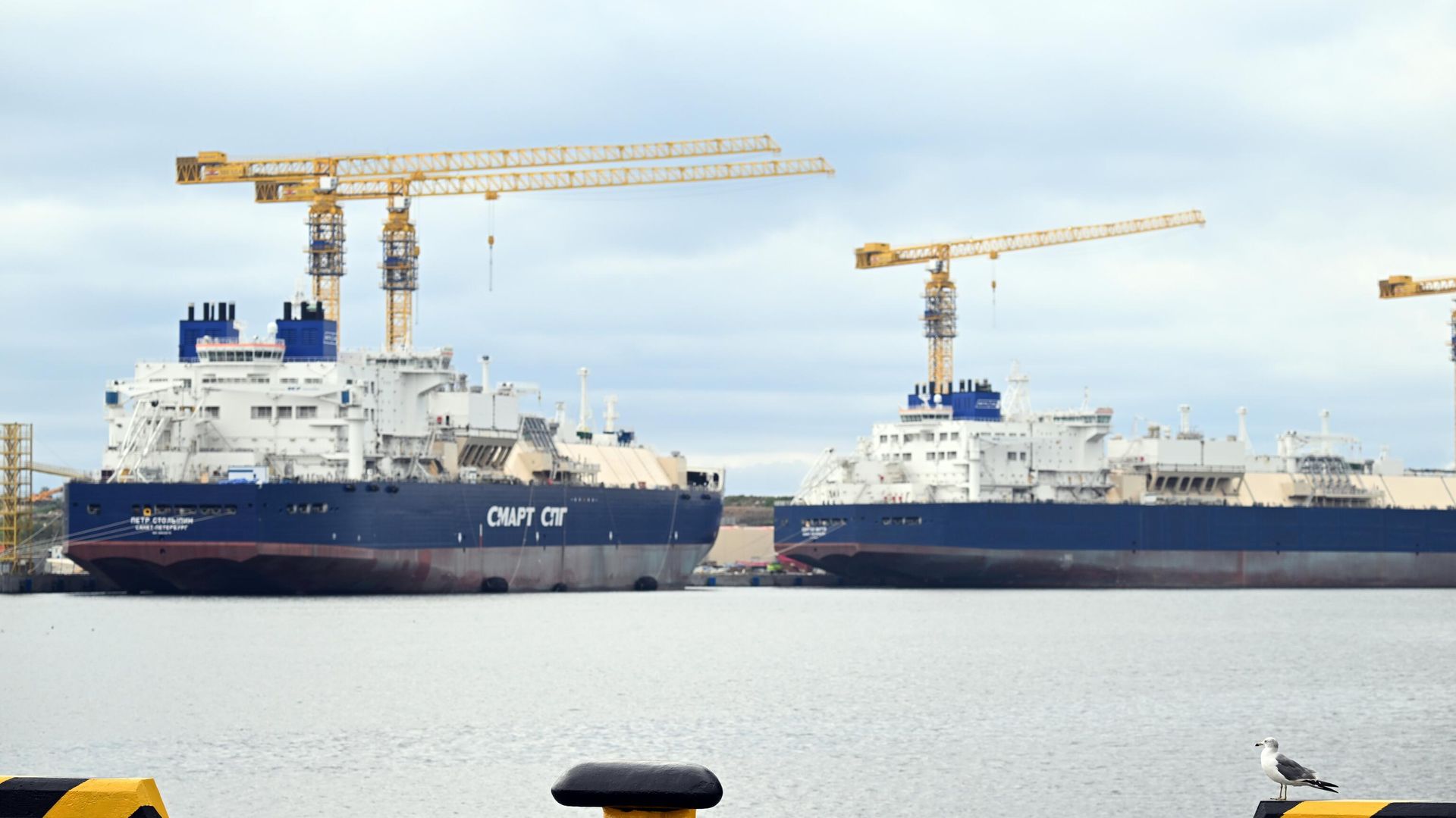
MOSCOW (Sputnik) - Despite record purchases of Russian liquefied natural gas (LNG) in the first half of 2026, EU gas storage levels remain at their lowest for this time of year in a decade and a half, according to data from Gas Infrastructure Europe (GIE) and EU regulators analyzed by Sputnik on Thursday.
As of August 6, EU storage was around 57% full, well below previous years and the lowest seasonal level since monitoring began. To reach the EU's adjusted 80% target by the heating season, injection rates must accelerate significantly.
Meanwhile, Russian gas imports have not declined but increased. From January to May, pipeline gas imports rose 7% year-on-year, while LNG imports increased 11%, according to Agency for the Cooperation of Energy Regulators (ACER). Russian gas still accounts for about 12% of EU consumption.
France, Belgium, and Spain remain the largest Russian LNG importers. Belgium received 100% of its LNG imports from Russia in July.
The main problem is in Germany and the Netherlands, whose storage levels are below 50%: Germany at 47% and the Netherlands at 38%. Together, they hold about a quarter of EU storage capacity.
Experts warn the EU risks entering the heating season with storage at just 67-76%, a historic low. High gas prices make it commercially unviable for countries to inject and store gas for winter.
The EU has confirmed a gradual phase-out of Russian gas, with a full ban due by 2027. Analysts attribute rising Russian LNG purchases to long-term contracts still being honored. However, low storage levels reflect cold winter drawdowns, high demand, and supply constraints. EU officials continue to push for a complete phase-out of Russian energy.