Russia to Respond in Kind to Any Attempts to Seize its Commercial Vessels - Putin
07:50 GMT 12.08.2026 (Updated: 14:58 GMT 12.08.2026)
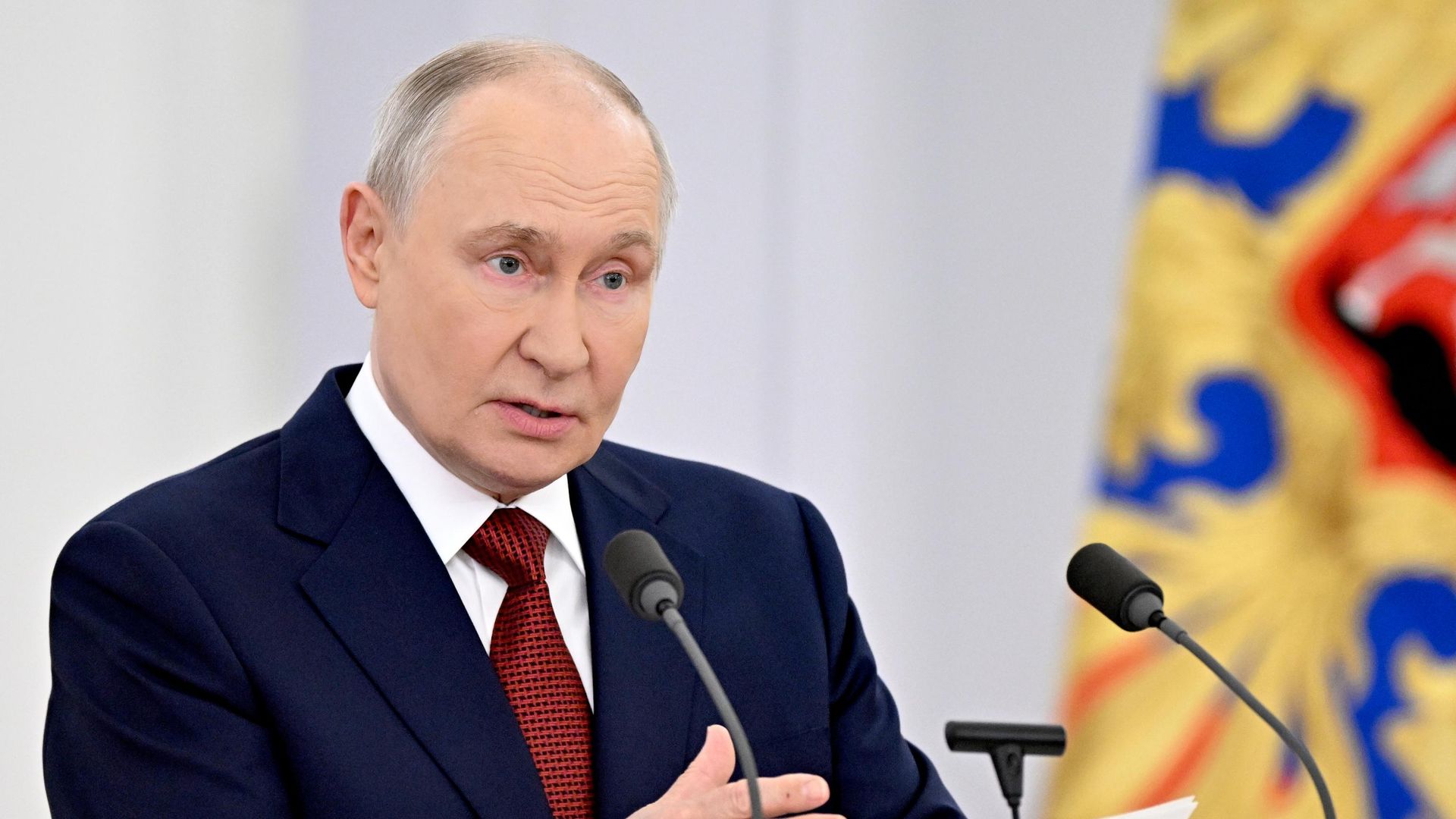
© Sputnik / Sergey Bobylev
/ Subscribe
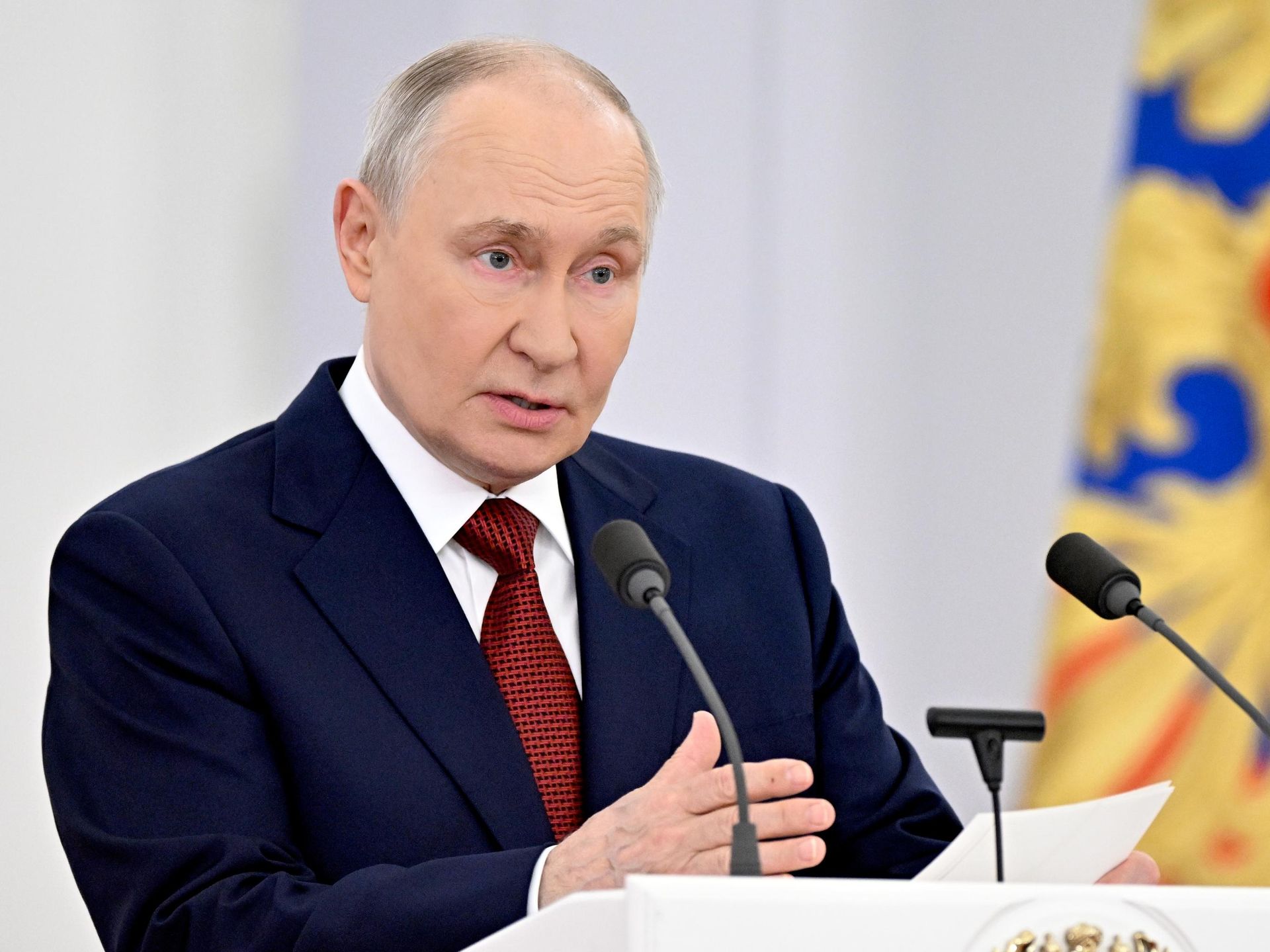
NATO is creeping into the Pacific region, driving up the potential for conflict there, Russian President Vladimir Putin said.
The president made the remarks while observing the final stage of Russian Pacific Fleet drills from the deck of the missile cruiser Varyag. He had earlier arrived in the city of Yuzhno-Sakhalinsk.
"We see that conflict potential here [in the Pacific region] is, regrettably, on the rise. NATO is creeping into the region, new military-political blocs are being created, and new weapons systems – both already deployed and planned for deployment – are posing threats to our country," Putin said.
Other Key Statements
Russia will respond in kind to any attempts to capture its commercial vessels, and will do so in any maritime area
🚨🇷🇺 Any move to seize Russian commercial shipping will be met with a like-for-like response, Putin declared pic.twitter.com/7cdlDTF55M
— Sputnik (@SputnikInt) August 12, 2026
Russia remains consistently open to finding mutually acceptable compromises with all of its neighbors
Russia’s naval infantry can handle any mission, and its personnel are acting with heroism
The Pacific Fleet exercises are essential for maintaining combat readiness and ensuring Russia’s security
For the first time, Japan has officially designated Russia as one of its primary threats in its doctrinal documents
Russia is ready to cooperate with other countries on the Northern Sea Route (NSR) in strict accordance with existing international maritime law
🚨🇷🇺 Putin warns of rising artificial tensions in the Arctic as rivals circle the Northern Sea Route
— Sputnik (@SputnikInt) August 12, 2026
Russia stands ready to cooperate and share in the NSR's advantages— of course, within international maritime law, he said pic.twitter.com/1Ci3Gw9QpS
Russia poses no threat to Japan, and Moscow has no grievances against Tokyo
Russia reaffirms its readiness for cooperation in the Arctic