https://sputnikglobe.com/20261102/iran-engaged-in-intensive-consultations-with-us-via-intermediaries---foreign-minister-1124990641.html
Iran Engaged in 'Intensive' Consultations With US Via Intermediaries - Foreign Minister
Iran Engaged in 'Intensive' Consultations With US Via Intermediaries - Foreign Minister
Sputnik International
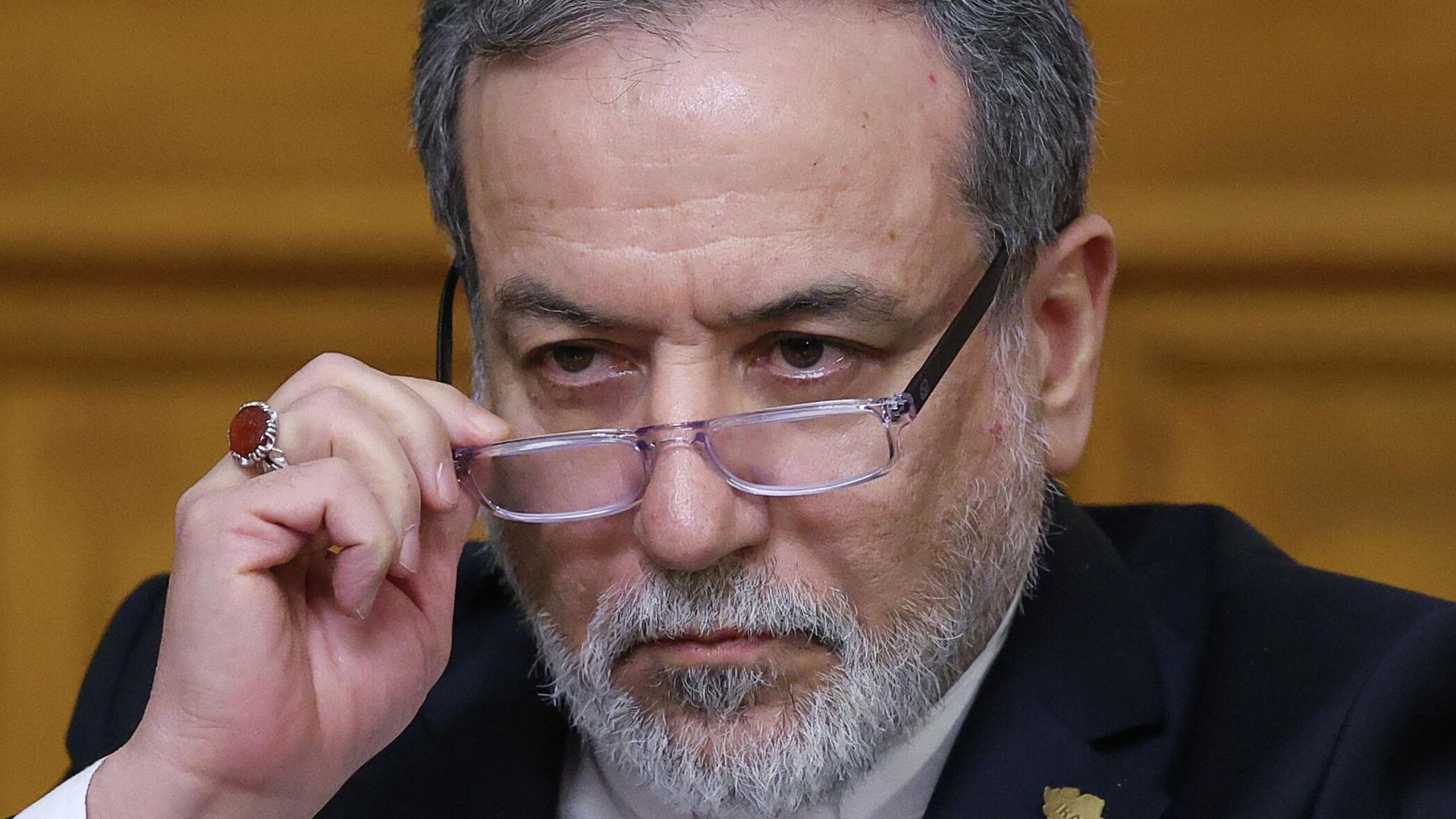
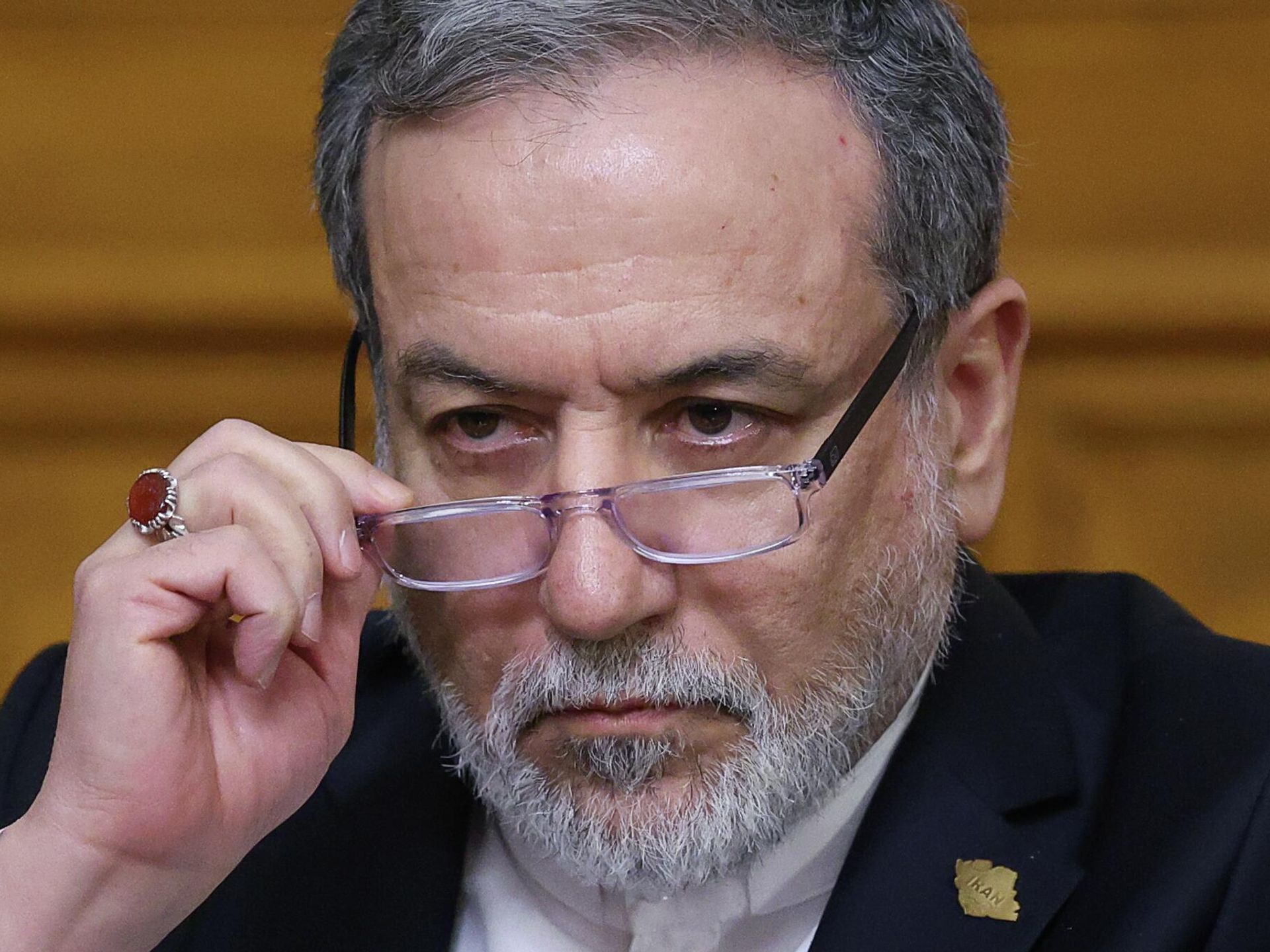
Iran is conducting "intensive" consultations with the United States through intermediaries, with the outcome depending on Washington's decision, Iranian Foreign Minister Abbas Araghchi said on Monday.
2026-11-02T16:43+0000
2026-11-02T16:43+0000
2026-11-02T16:43+0000
us-israel war on iran
middle east
abbas araghchi
iran
us
https://cdn.imgsputnikglobe.com/img/07ea/03/0f/1123829185_0:86:2096:1265_1920x0_80_0_0_85359afd818f57dc55b8900873478d0e.jpg
"Consultations [with the US] via intermediaries [Qatar and Pakistan] are very intensive. We have laid out our conditions and proposals. Now, everything depends on Washington's political judgment," Araghchi was quoted by Iranian state news agency IRNA as saying. He added that Tehran is prepared for both a military response and a diplomatic resolution to the conflict, adding that Iran's conditions for reopening the Strait of Hormuz are extremely clear and transparent. If these conditions are met, the waterway will be reopened, and negotiations will resume, the minister stated, adding that otherwise, the current situation will persist, and Iran will not make any concessions. On February 28, the United States and Israel began striking targets in Iran, prompting retaliation from the Islamic Republic. In mid-June, Tehran and Washington signed a memorandum aimed at a cessation of hostilities, but shortly afterward, they exchanged strikes again. At present, the conflict remains unresolved. The escalation around Iran has led to the de facto blockade of the Strait of Hormuz, a key route for deliveries of oil and liquefied natural gas from the Persian Gulf countries to the global market, and has also affected the level of oil exports and production in the region, driving up prices.
https://sputnikglobe.com/20261102/irans-leader-orders-resolution-to-conflict-with-us-through-dialogue---president-1124989667.html
iran
Sputnik International
feedback@sputniknews.com
+74956456601
MIA „Rossiya Segodnya“
2026
Sputnik International
feedback@sputniknews.com
+74956456601
MIA „Rossiya Segodnya“
News
en_EN
Sputnik International
feedback@sputniknews.com
+74956456601
MIA „Rossiya Segodnya“
Sputnik International
feedback@sputniknews.com
+74956456601
MIA „Rossiya Segodnya“
middle east, abbas araghchi, iran, us
middle east, abbas araghchi, iran, us
Iran Engaged in 'Intensive' Consultations With US Via Intermediaries - Foreign Minister
MOSCOW (Sputnik) - Iran is conducting "intensive" consultations with the United States through intermediaries, with the outcome depending on Washington's decision, Iranian Foreign Minister Abbas Araghchi said on Monday.
"Consultations [with the US] via intermediaries [Qatar and Pakistan] are very intensive. We have laid out our conditions and proposals. Now, everything depends on Washington's political judgment," Araghchi was quoted by Iranian state news agency IRNA as saying.
He added that Tehran is prepared for both a military response and a diplomatic resolution to the conflict, adding that Iran's conditions for reopening the Strait of Hormuz are extremely clear and transparent. If these conditions are met, the waterway will be reopened, and negotiations will resume, the minister stated, adding that otherwise, the current situation will persist, and Iran will not make any concessions.
On February 28, the United States and Israel began striking targets in Iran, prompting retaliation from the Islamic Republic. In mid-June, Tehran and Washington signed a memorandum aimed at a cessation of hostilities, but shortly afterward, they exchanged strikes again. At present, the conflict remains unresolved.
The escalation around Iran has led to the de facto blockade of the Strait of Hormuz, a key route for deliveries of oil and liquefied natural gas from the Persian Gulf countries to the global market, and has also affected the level of oil exports and production in the region, driving up prices.