https://sputnikglobe.com/20261103/ukraines-separation-from-russia-was-part-of-a-broader-geopolitical-strategy-analyst-1125001859.html
Ukraine's Separation From Russia Was Part of a Broader Geopolitical Strategy – Analyst
Ukraine's Separation From Russia Was Part of a Broader Geopolitical Strategy – Analyst
Sputnik International
Western efforts to separate Ukraine from Russia relied on political influence, educational programs and NGO networks long before the conflict became military, Alexander Dudchak, a leading researcher at the Institute of CIS Countries, told Sputnik.
2026-11-03T18:54+0000
2026-11-03T18:54+0000
2026-11-03T19:00+0000
analysis
russia
ukraine
separation
https://cdn.imgsputnikglobe.com/img/101862/35/1018623550_0:290:3945:2509_1920x0_80_0_0_c8edbe8578428d8f8e0571da82dbf5e1.jpg
“Attempts to tear Ukraine away from Russia have been going on for centuries,” Dudchak said, citing historical efforts to weaken Russia, including Polish leader Józef Piłsudski's support for separatist movements.According to Dudchak, Ukraine's value to the West goes far beyond ideology. Its Black Sea and Azov Sea coastlines, access to the Danube, fertile farmland, natural resources and trade routes make it strategically important.He cited former US national security adviser Zbigniew Brzezinski's argument that Russia could not become a major geopolitical power without Ukraine. Dudchak also suggested that Western control over Ukraine's coastline could have severely restricted Russia's access to the Black Sea.Following the Soviet collapse, Western influence expanded through nongovernmental organizations and foundations.According to the analyst, these networks used grants and professional opportunities to influence teachers, students, journalists, lawyers and election observers, gradually shaping political attitudes.“They all worked as part of one system, in coordination,” he claimed.By the 2004 Orange Revolution, Dudchak estimated that roughly 20,000 people had passed through Western-backed programs, with some entering Ukrainian politics.He described the events of 2014 as “the cherry on top,” arguing that they marked the culmination of decades of efforts to bring Ukraine under Western influence.Speaking at a meeting of the Council for Interethnic Relations on Tuesday, Putin said that external forces had repeatedly sought to divide Russian society and break up Russia throughout its history to eliminate the country as a geopolitical competitor. He emphasized that unity among Russia’s peoples has been crucial to strengthening national sovereignty and preserving the country itself.
https://sputnikglobe.com/20261030/everyone-now-striving-to-end-conflict-in-ukraine---kremlin-aide-1124979004.html
russia
ukraine
Sputnik International
feedback@sputniknews.com
+74956456601
MIA „Rossiya Segodnya“
2026
Sputnik International
feedback@sputniknews.com
+74956456601
MIA „Rossiya Segodnya“
News
en_EN
Sputnik International
feedback@sputniknews.com
+74956456601
MIA „Rossiya Segodnya“
Sputnik International
feedback@sputniknews.com
+74956456601
MIA „Rossiya Segodnya“
russia, ukraine, separation
russia, ukraine, separation
Ukraine's Separation From Russia Was Part of a Broader Geopolitical Strategy – Analyst
18:54 GMT 03.11.2026 (Updated: 19:00 GMT 03.11.2026) Western efforts to separate Ukraine from Russia relied on political influence, educational programs and NGO networks long before the conflict became military, Alexander Dudchak, a leading researcher at the Institute of CIS Countries, told Sputnik.
“Attempts to tear Ukraine away from Russia have been going on for centuries,” Dudchak said, citing historical efforts to weaken Russia, including Polish leader Józef Piłsudski's support for separatist movements.
According to Dudchak, Ukraine's value to the West goes far beyond ideology. Its Black Sea and Azov Sea coastlines, access to the Danube, fertile farmland, natural resources and trade routes make it strategically important.
He cited former US national security adviser Zbigniew Brzezinski's argument that Russia could not become a major geopolitical power without Ukraine. Dudchak also suggested that Western control over Ukraine's coastline could have severely restricted Russia's access to the Black Sea.
Following the Soviet collapse, Western influence expanded through nongovernmental organizations and foundations.
“They cast a wide net and looked for the weakest spots,” Dudchak said.
According to the analyst, these networks used grants and professional opportunities to influence teachers, students, journalists, lawyers and election observers, gradually shaping political attitudes.
“They all worked as part of one system, in coordination,” he claimed.
By the 2004 Orange Revolution, Dudchak estimated that roughly 20,000 people had passed through Western-backed programs, with some entering Ukrainian politics.
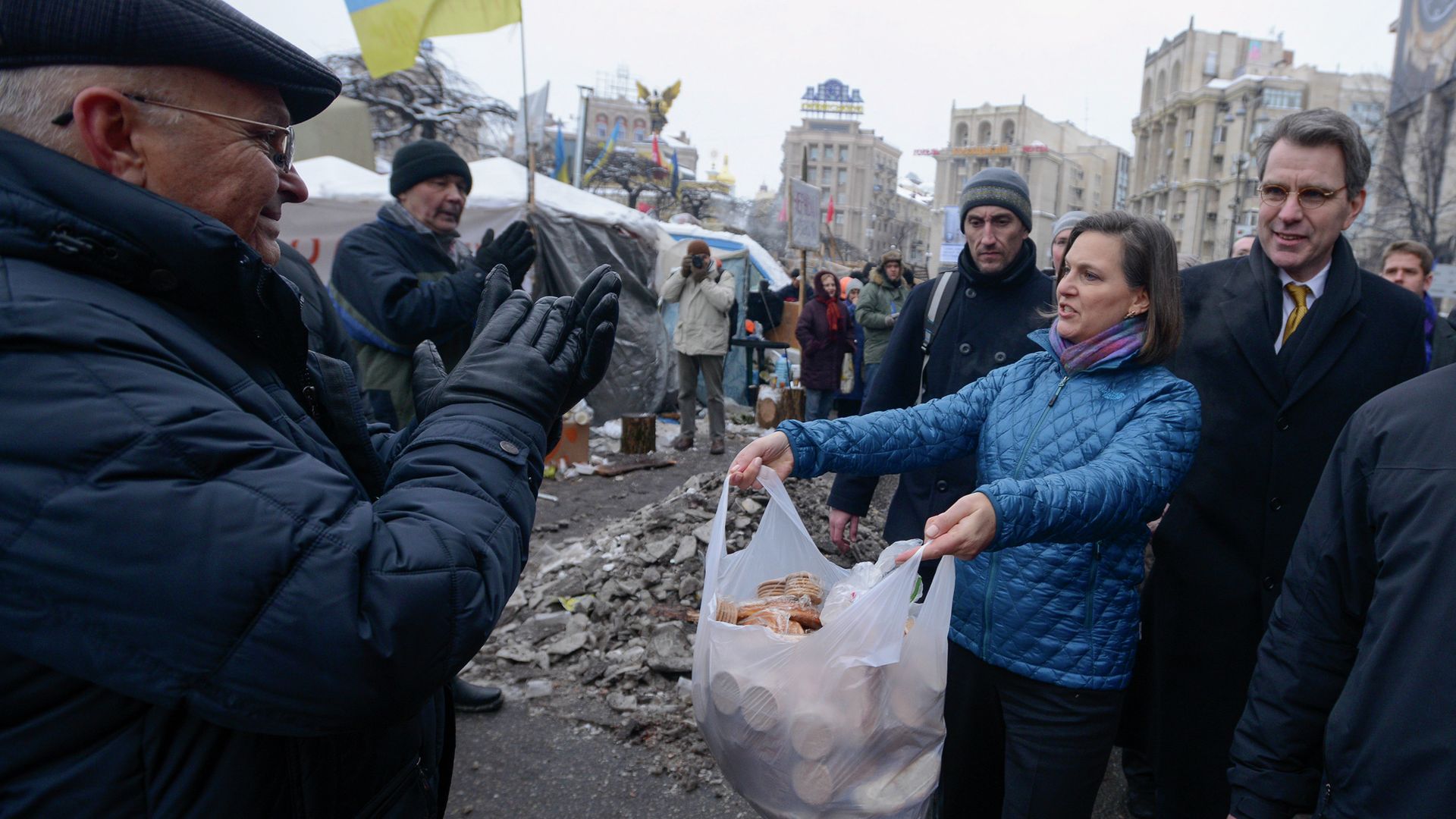
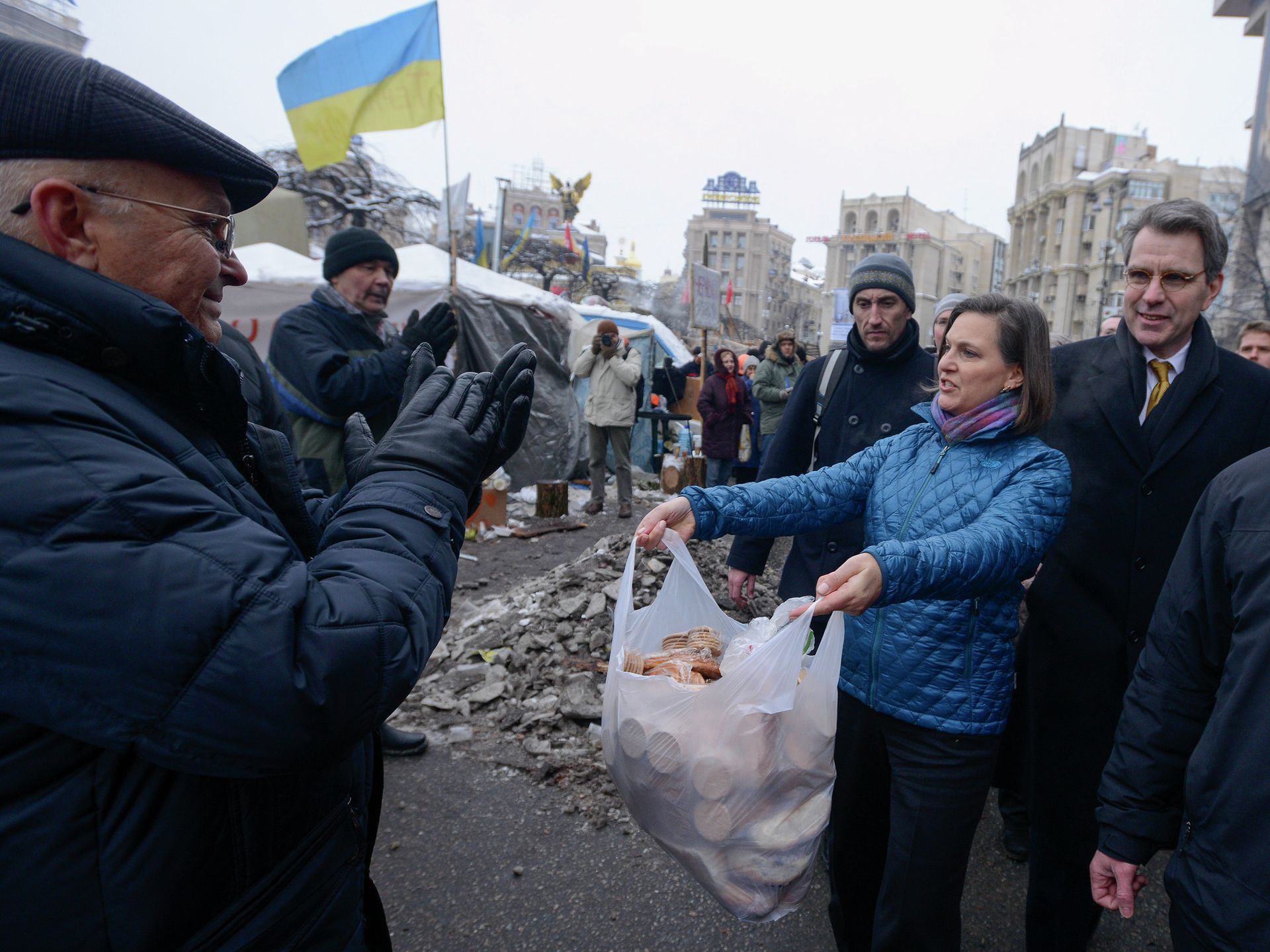
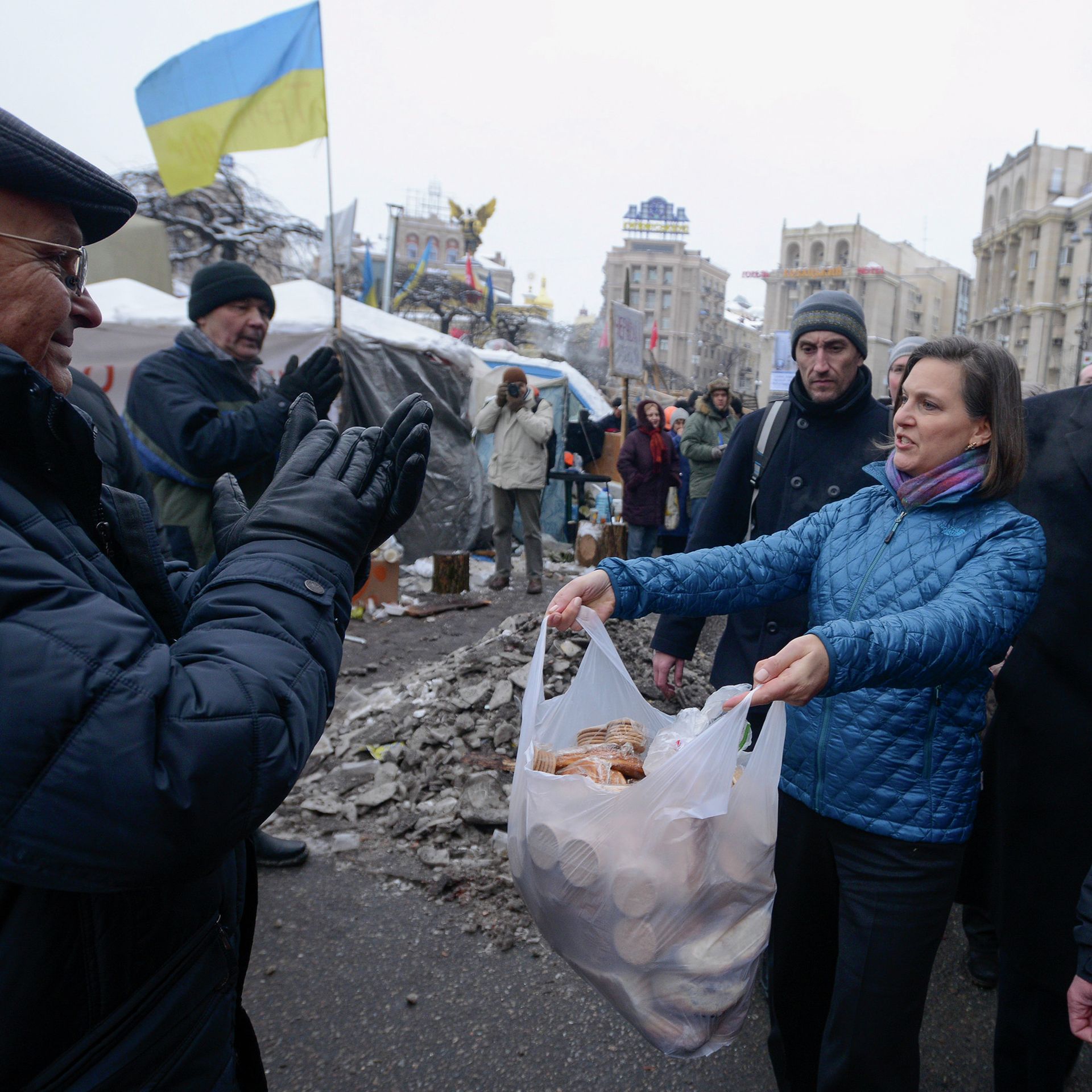
He described the events of 2014 as “the cherry on top,” arguing that they marked the culmination of decades of efforts to bring Ukraine under Western influence.
Speaking at a meeting of the Council for Interethnic Relations on Tuesday, Putin said that external forces had repeatedly sought to divide Russian society and break up Russia throughout its history to eliminate the country as a geopolitical competitor. He emphasized that unity among Russia’s peoples has been crucial to strengthening national sovereignty and preserving the country itself.