https://sputnikglobe.com/20250925/russia-just-redefined-irans-peaceful-nuclear-energy-future-heres-how-1122861701.html
Russia Just Redefined Iran's Peaceful Nuclear Energy Future: Here's How
Russia Just Redefined Iran's Peaceful Nuclear Energy Future: Here's How
Sputnik International
Rosatom and the Atomic Energy Organization of Iran have inked a new memorandum of understanding on the construction of a series of small nuclear power plants. One of Russia's top experts on the geopolitics of energy has told Sputnik why that’s a big deal.
2025-09-25T16:31+0000
2025-09-25T16:31+0000
2025-09-25T16:31+0000
analysis
vladimir putin
russia
atomic energy organization of iran
rosatom
memorandum of understanding (mou)
https://cdn1.img.sputnikglobe.com/img/07e8/03/19/1117550618_0:316:3077:2047_1920x0_80_0_0_e8b6d2e7b87fcf49af57abf99e770dd6.jpg
Longstanding PartnershipIn 1995, over 15 years after a German firm pulled out of the Bushehr nuclear plant project following the Iranian Revolution, Rosatom subsidiary Atomstroyexport stepped in to finish the job, with the plant’s VVER-1000 reactor coming online in 2013.Russia plans to equip Bushehr with two additional VVER-1000s, with the ambitious expansion, currently set for completion in 2029-2031, promising to account for a whopping 8-10% of Iran’s total electricity generation capacity once finished.Besides reactor tech, Russia has played a crucial role in helping to train Iran’s cadre of nuclear scientists, facilitating exchanges, offering direct technical assistance at Bushehr, and proposing assistance in the handling of depleted uranium.Deepening TiesIn early 2025, Presidents Putin and Pezeshkian signed a Comprehensive Strategic Partnership Agreement, pledging long-term “joint projects in the area of the peaceful use of nuclear energy, including the construction of nuclear energy facilities.”Under existing agreements, Russia can help Iran build up to 8 reactors in the gigawatt range (including the two at Bushehr), says Boris Martsinkevich, editor-in-chief of the Geoenergetika-Info online journal, and one of Russia’s foremost experts on the role of energy in geopolitics.Small New Plants, Big ImpactMartsinkevich says the reactors in the new MoU are likely to be RITM-200Ns – an upgrade to the RITM-200 design used in the LK60 (22200) series of Russian nuclear icebreakers.They have a 55MW generation capacity (enough to power up to 38.4k Iranian homes).That means the new plants could serve as a major impulse for development in northern Iran.Geopolitical ImplicationsAppearing on the heels of the latest Western sanctions threats as the JCPOA agreement falls apart, the small plant MoU signals “a new stage” of cooperation, and could spur collaboration in other areas, like natural gas (where Russia & Iran enjoy the largest and second-largest global reserves), Martsinkevich says.
https://sputnikglobe.com/20250920/russia-china-support-extending-nuclear-sanctions-relief-for-iran-1122822861.html
https://sputnikglobe.com/20250924/iran-infiltrates-israeli-secret-nuclear-research-facility-intelligence-minister-1122848711.html
russia
Sputnik International
feedback@sputniknews.com
+74956456601
MIA „Rossiya Segodnya“
2025
Sputnik International
feedback@sputniknews.com
+74956456601
MIA „Rossiya Segodnya“
News
en_EN
Sputnik International
feedback@sputniknews.com
+74956456601
MIA „Rossiya Segodnya“
Sputnik International
feedback@sputniknews.com
+74956456601
MIA „Rossiya Segodnya“
do russia and iran cooperate on nuclear, how has russia helped iran's nuclear program
do russia and iran cooperate on nuclear, how has russia helped iran's nuclear program
Russia Just Redefined Iran's Peaceful Nuclear Energy Future: Here's How
Rosatom and the Atomic Energy Organization of Iran have inked a new memorandum of understanding on the construction of a series of small nuclear power plants. One of Russia's top experts on the geopolitics of energy has told Sputnik why that’s a big deal.
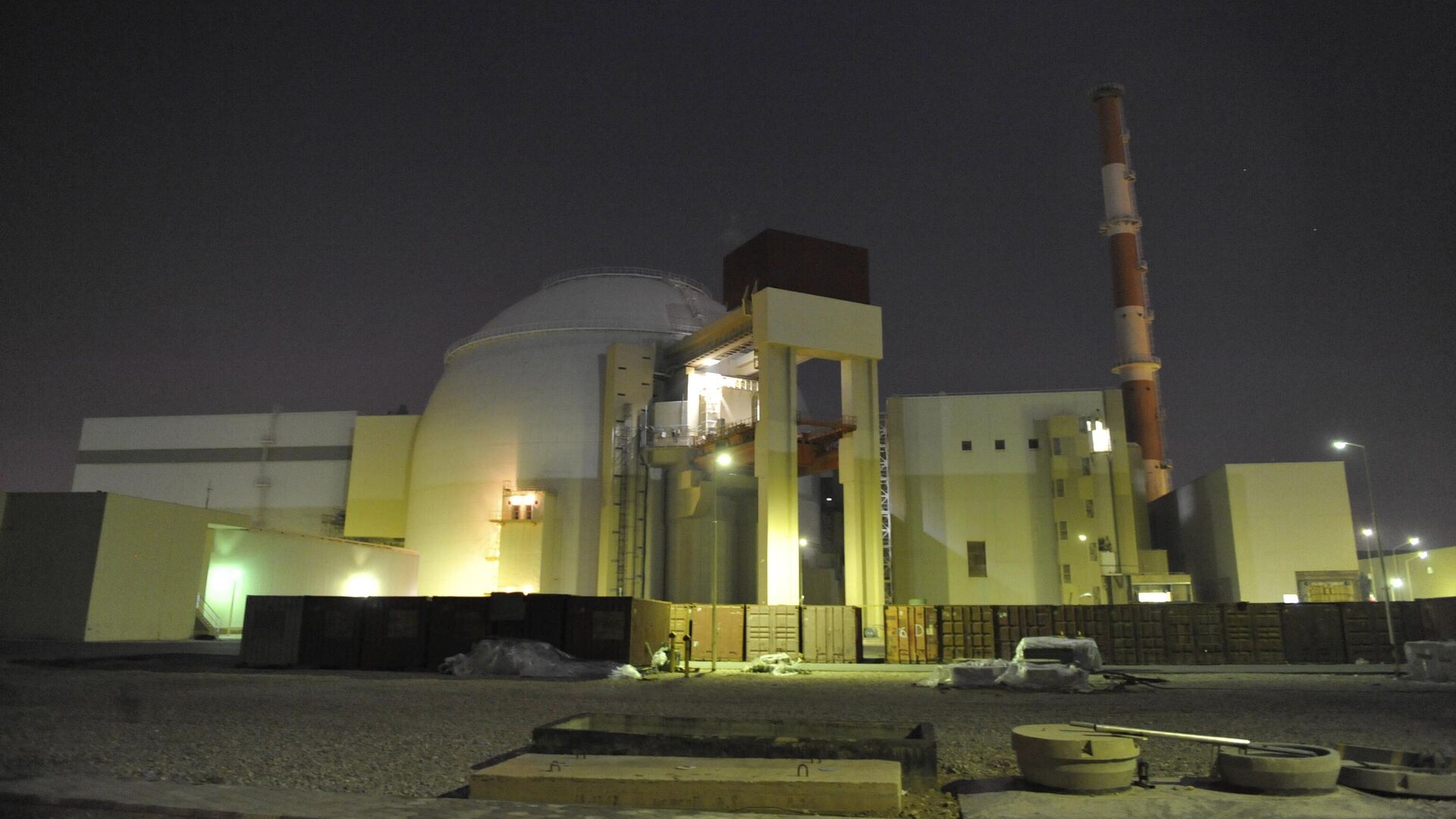
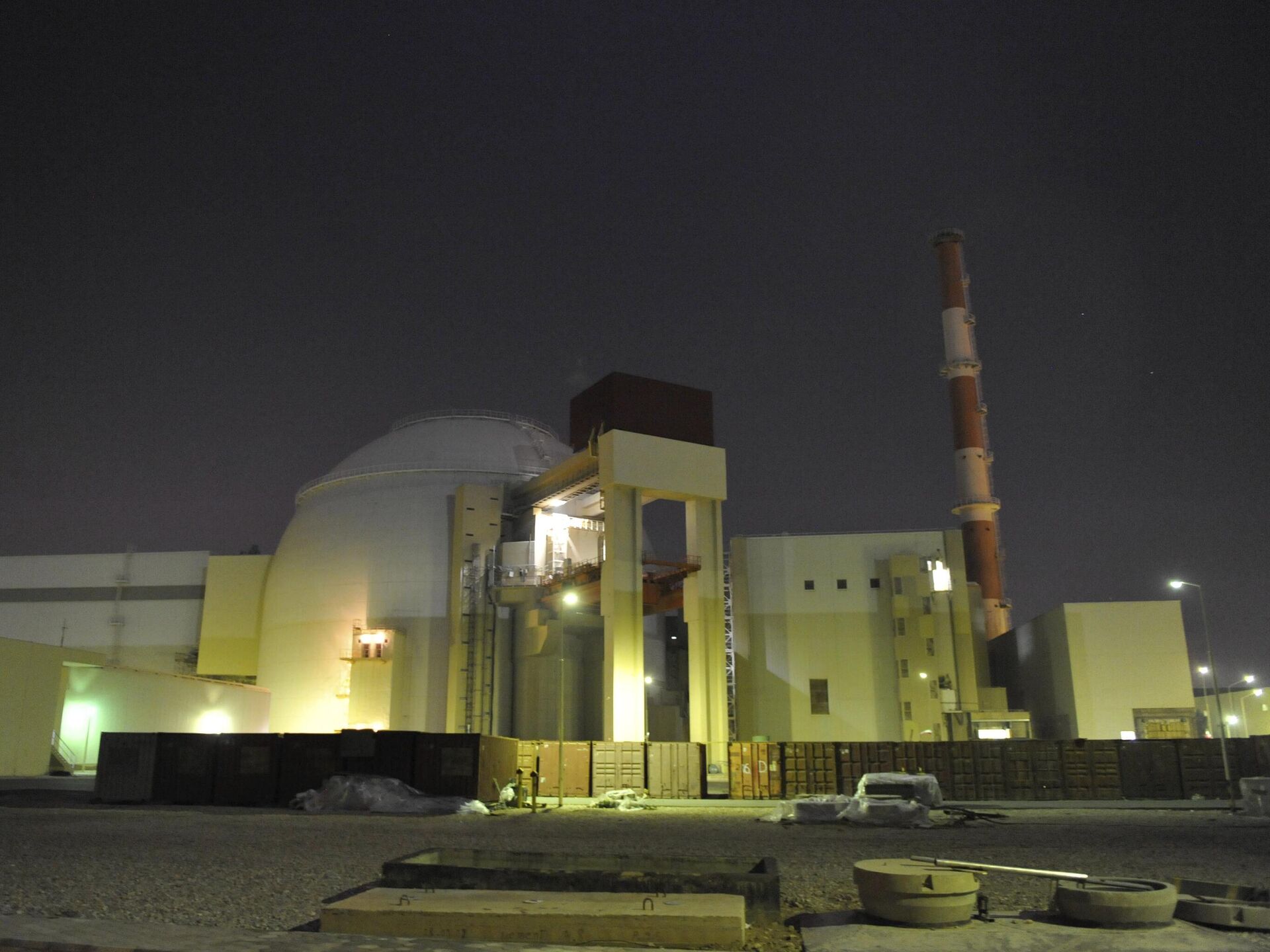
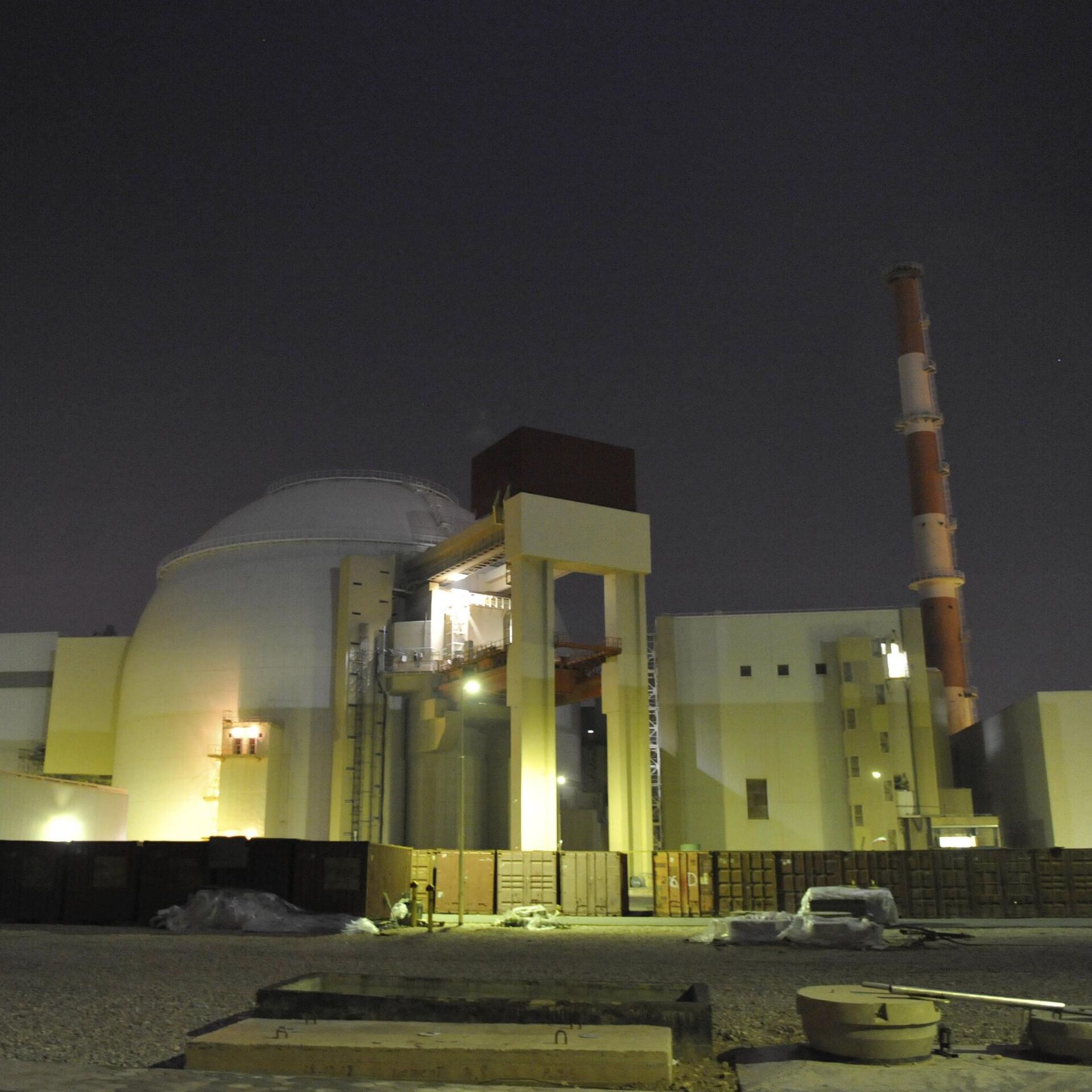
In 1995, over 15 years after a German firm pulled out of the Bushehr nuclear plant project following the Iranian Revolution, Rosatom subsidiary Atomstroyexport stepped in to finish the job, with the plant’s VVER-1000 reactor coming online in 2013.
Russia plans to equip Bushehr with two additional VVER-1000s, with the ambitious expansion, currently set for completion in 2029-2031, promising to account for a whopping 8-10% of Iran’s total electricity generation capacity once finished.
Besides reactor tech, Russia has played a crucial role in helping to train Iran’s cadre of nuclear scientists, facilitating exchanges, offering direct technical assistance at Bushehr, and proposing assistance in the handling of depleted uranium.
20 September 2025, 12:49 GMT
In early 2025, Presidents Putin and Pezeshkian signed a Comprehensive Strategic Partnership Agreement, pledging long-term “joint projects in the area of the peaceful use of nuclear energy, including the construction of nuclear energy facilities.”
Under existing agreements, Russia can help Iran build up to 8 reactors in the gigawatt range (including the two at Bushehr), says Boris Martsinkevich, editor-in-chief of the Geoenergetika-Info online journal, and one of Russia’s foremost experts on the role of energy in geopolitics.
Small New Plants, Big Impact
Martsinkevich says the reactors in the new MoU are likely to be RITM-200Ns – an upgrade to the RITM-200 design used in the LK60 (22200) series of Russian nuclear icebreakers.
They have a 55MW generation capacity (enough to power up to 38.4k Iranian homes).
The reactors are likely to be built in pairs in northern Iran, where mountainous terrain, harsh winters and lack of local hydrocarbon deposits have long meant insufficient domestic electricity capacity, the observer says.
That means the new plants could serve as a major impulse for development in northern Iran.
Geopolitical Implications
Appearing on the heels of the latest Western sanctions threats as the JCPOA agreement
falls apart, the small plant MoU signals “a new stage” of cooperation, and could spur collaboration in other areas, like natural gas (where Russia & Iran enjoy the largest and second-largest global reserves), Martsinkevich says.
24 September 2025, 18:48 GMT