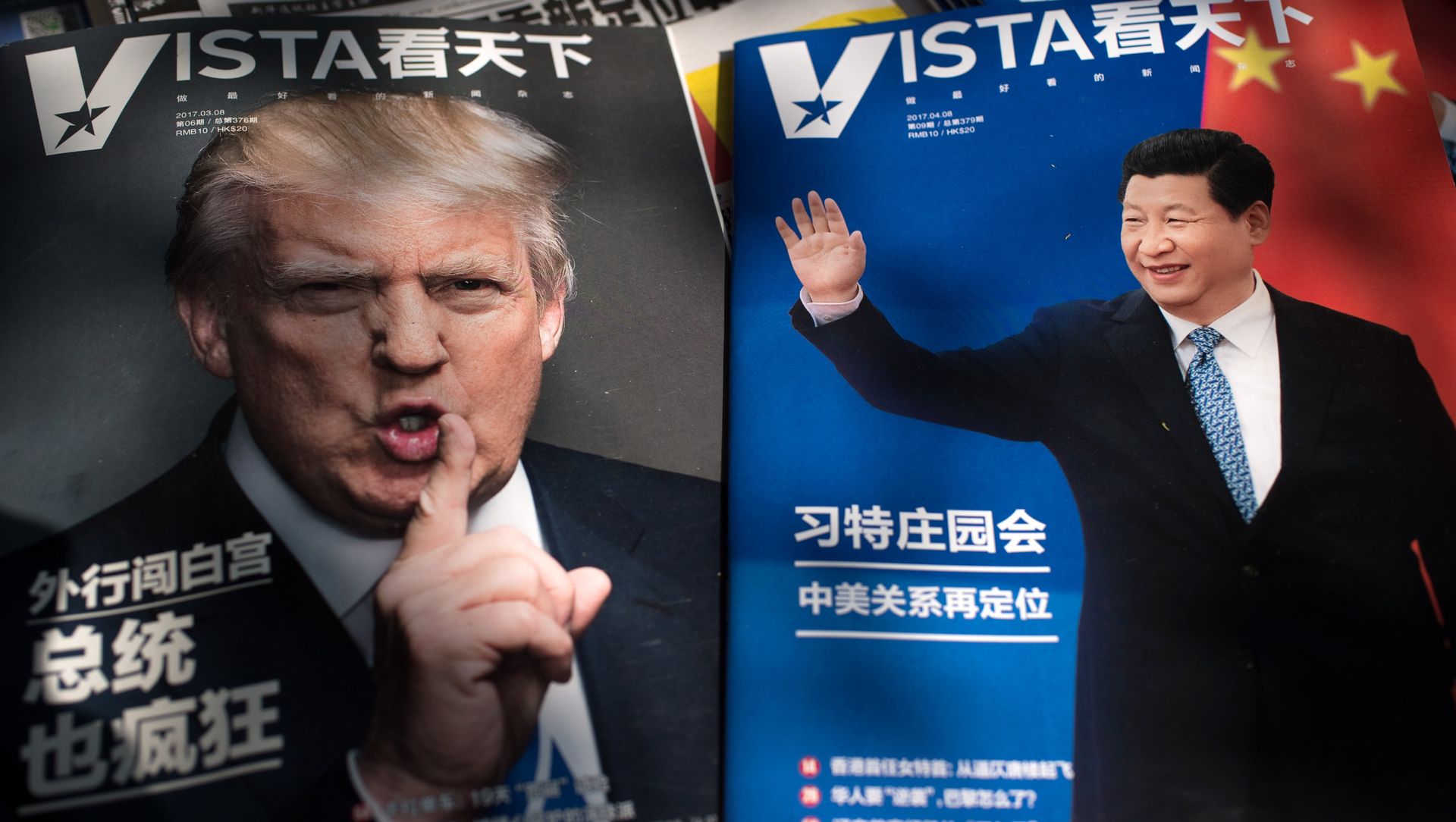
MOSCOW (Sputnik), Tommy Yang — The Trump administration approved a $1.42-billion arms sale to Taiwan last week, drawing harsh criticism from Beijing, which called the deal "a violation of international rights."
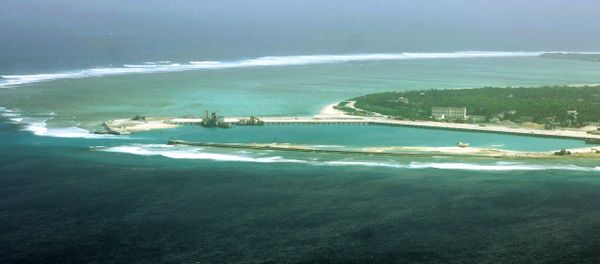
In addition, a US naval warship sailed within 12 nautical miles of disputed islands in the South China Sea on Sunday, a move which the Chinese Foreign Ministry said "violated Chinese law and infringed China’s sovereignty" and called it "a serious political and military provocation."
'Weakest' US President
After the meeting, Trump signaled he reached consensus with Xi on a range of issues, including getting China to help defuse the nuclear crisis on the Korean Peninsula.
In return, Trump toned down his harsh criticism of China during the presidential campaign when he blamed China for much of the problems the United States faces. He went as far as not labeling China a currency manipulator, which he earlier claimed to be the leading cause of the astronomical US trade deficit with Beijing. The United States and China reached a package of trade deals in May, clearing ways for American beef, poultry and natural gas to reach Chinese consumers.
After recent efforts from the international community, including several rounds of increased sanctions, failed to persuade North Korean leader Kim Jong Un to give up the nuclear arms program, Trump continued to express his gratitude for the Chinese president's efforts. Trump sent out a message on Twitter, saying he "greatly appreciates" Xi’s efforts, adding that "at least I know China tried."
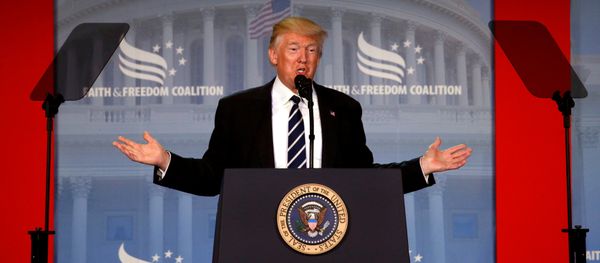
"Trump is the weakest American President. He still hasn't set up a formidable cabinet and his team has not reached a consensus on various issues," Huang Jing, a Lee Foundation professor on Sino-US relations and director of the Center on Asia and Globalization at the Lee Kuan Yew School of Public Policy at the National University of Singapore, told Sputnik.
The international relations professor pointed out that the recent arms sales to Taiwan indicated that "The Establishment" of the Republican Party wanted to push back against Trump, whom they think has been "too nice to China."
The uncertainty in Sino-US relations is a result of domestic politics in the United States, Huang suggested.
"Many foreign policy makers in China may think that if Xi builds a strong relationship with Trump, it will help improve Sino-US relations greatly. That’s far from the truth. The situation will only become clearer after the mid-term elections in the US in 2018," he said.
'Thuchydides Trap'
Some scholars, led by Harvard Kennedy School professor and political scientist Graham Allison, believe that a rising super power like China is destined for war against the established power like the United States. The political scientist released a book earlier this year, titled "Destined for War: Can America and China Escape the Thucydides Trap."
The Harvard professor coined the term "Thucydides Trap," whereby he explained that as China challenges US predominance, misunderstandings about each other’s actions and intentions could lead them into a deadly trap first identified by the ancient Greek historian Thucydides, who wrote "it was the rise of Athens and the fear that this instilled in Sparta that made war inevitable."
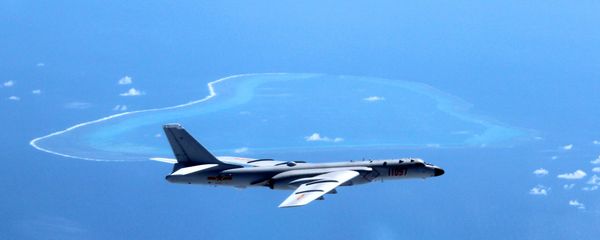
But Chinese scholars dismissed this hypothesis, adding that close economic ties between China and the United States made it impossible for the two countries to go to war.
"The Trump administration simply followed the Freedom of Navigation Operations program to reassure its allies in the Asia-Pacific region," Tao Wenzhao, a researcher for the Institute of American Studies at the Chinese Academy of Social Sciences in Beijing, told Sputnik.
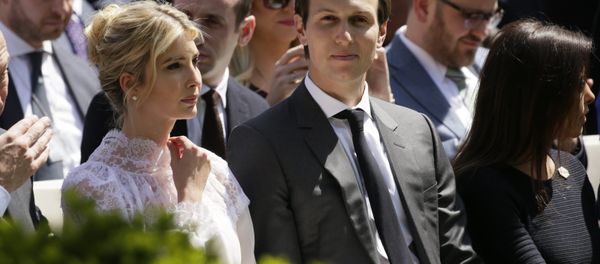
The Chinese scholar argued that deep integration between the Chinese and US economies can help avoid any military conflicts between to two nations, as the economic consequences of a war would be too high for both sides.
"China is the world’s largest manufacturer, producing daily necessities for global consumers, ranging from Nike sneakers to iPhones or iPads," Tao said. adding that it would be impossible for the United States to introduce economic sanctions as it did against Russia, because the country would have much more to lose from such situations.
"For the US, it has many countries where it can import natural resources from. But it cannot import the products China manufactures from another country. China’s place in the global manufacturing industry is irreplaceable," he said.
Tao noted that more and more Chinese companies also started to invest in the US economy in recent years.
According to a report by the Rhodium Group and the National Committee on US-China Relations, Chinese foreign direct investment (FDI) in the United States skyrocketed to $45.6 billion in 2016 and tripled the previous record of $15 Billion set in 2015.
The Beijing-based researcher believes that, no matter how unpredictable Trump may seem at times, he is still a smart businessman and he understands how important a healthy relationship with China is to the US economy.