The island of Bornholm, a popular tourist destination known among Danes as the "Sunshine Island," is home to about 300 rocks with quaint etchings, some of which date back to the Stone Age and are over 5,000 years old, the Copenhagen Post daily reported.
However, archeologists had another reason to dub the ever-widening collection of stones unearthed in recent years as "sun stones" — the carvings evoking the image of the sun with sunbeam-like lines radiating from the center. By contrast, others are square shaped and etched with lines and spider web patterns.
At present, researchers from numerous institutions from Denmark and Sweden are none the wiser about the stones' purpose and meaning, regardless of their shape and pattern.
In the ancient temple of Vasagård in the southern #Bornholm (#Denmark) discovered numerous small rocks. Surfaces of many rocks some 5 thousand years ago were covered with intricate networks of lines. https://t.co/C10sQDSXBL pic.twitter.com/ktjqrz6kFK
— Wondermondo (@Wondermondo) December 20, 2017
"This is the million-dollar question," Lars Larsson, a professor emeritus of archeology at the University of Lund in Sweden, told the Danish science news portal Videnskab, which was the first to report the discovery.
"We've known about sun stones for a while, but the field stones are something entirely new," Finn Ole Sonne Nielsen, senior archaeologist at the Bornholm Museum, said.
Vasagård itself is believed to have been the site of an ancient sun temple, as its location corresponds to the direction of sunrays during solstices and equinoxes.
READ ALSO: Danish Archeologists Dig Up Disappeared Medieval Village
One of the ideas is that the stones might have been used for an array of ritualistic purposes, such as serving as amulets, temple offerings or good luck charms. Alternatively, the spider-web patterns can symbolically represent the transition between life and death.
"It can also be a form of counting," Rune Iversen, an associate professor at the University of Copenhagen ventured. "Who knows? Some of the most exciting of the latest findings is that we have had a variety of patterns."
READ ALSO: Alas for 'Allah': 'Muslim Vikings' Get Dismissed as Stretch of Imagination
The first stone of this kind was found in 1995 at Rispebjerg, yet another cultural site around 8 km east of Vasagård.
Fill in the blank: The site of #Vasagård is located on the Southern side of the island of #Bornholm in _____. 🇩🇰
— IFR (@IFRArchaeology) December 7, 2017
Find out more 👉 https://t.co/KTgFkLYm9X pic.twitter.com/jrOHwAoQp6
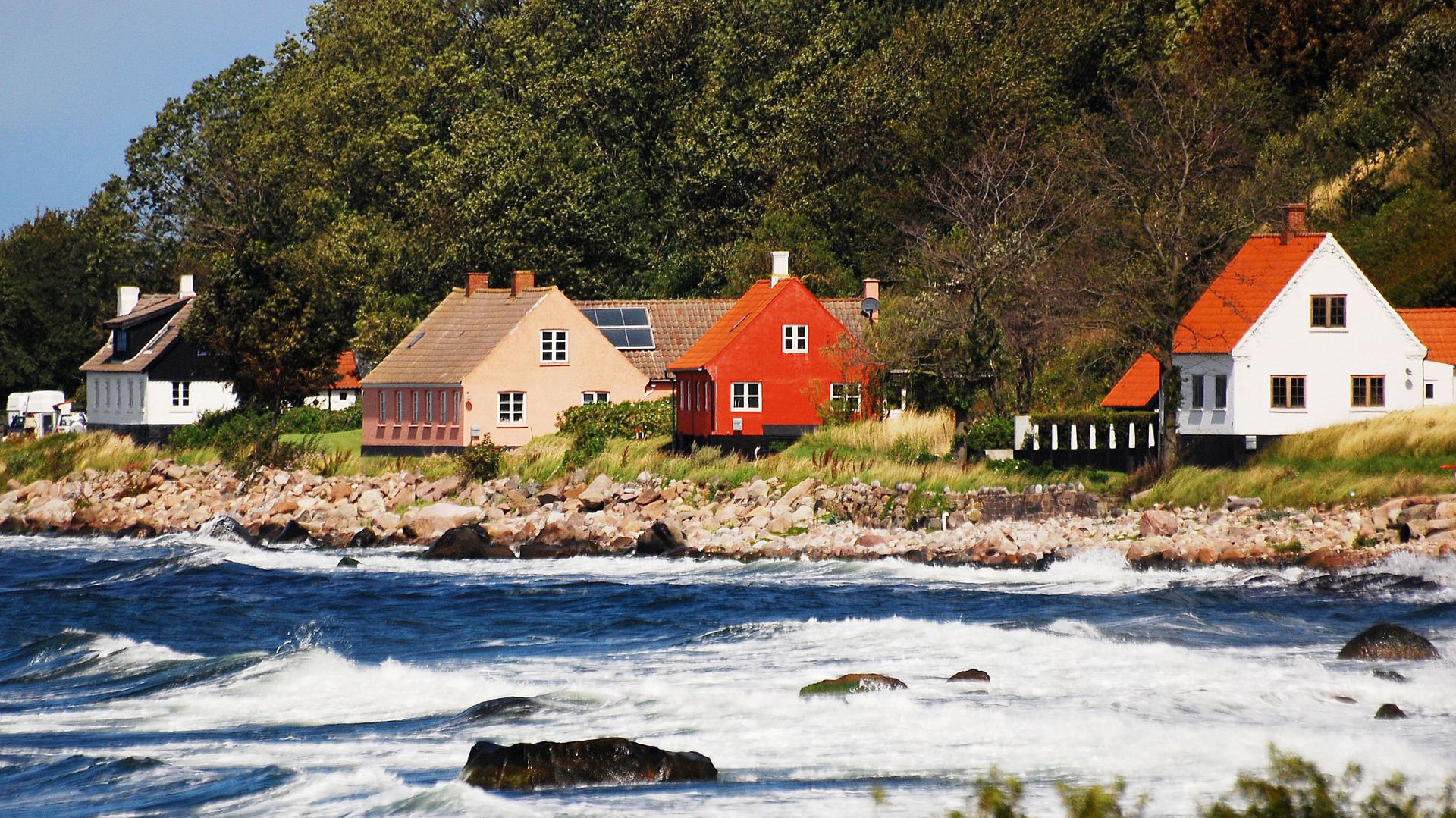
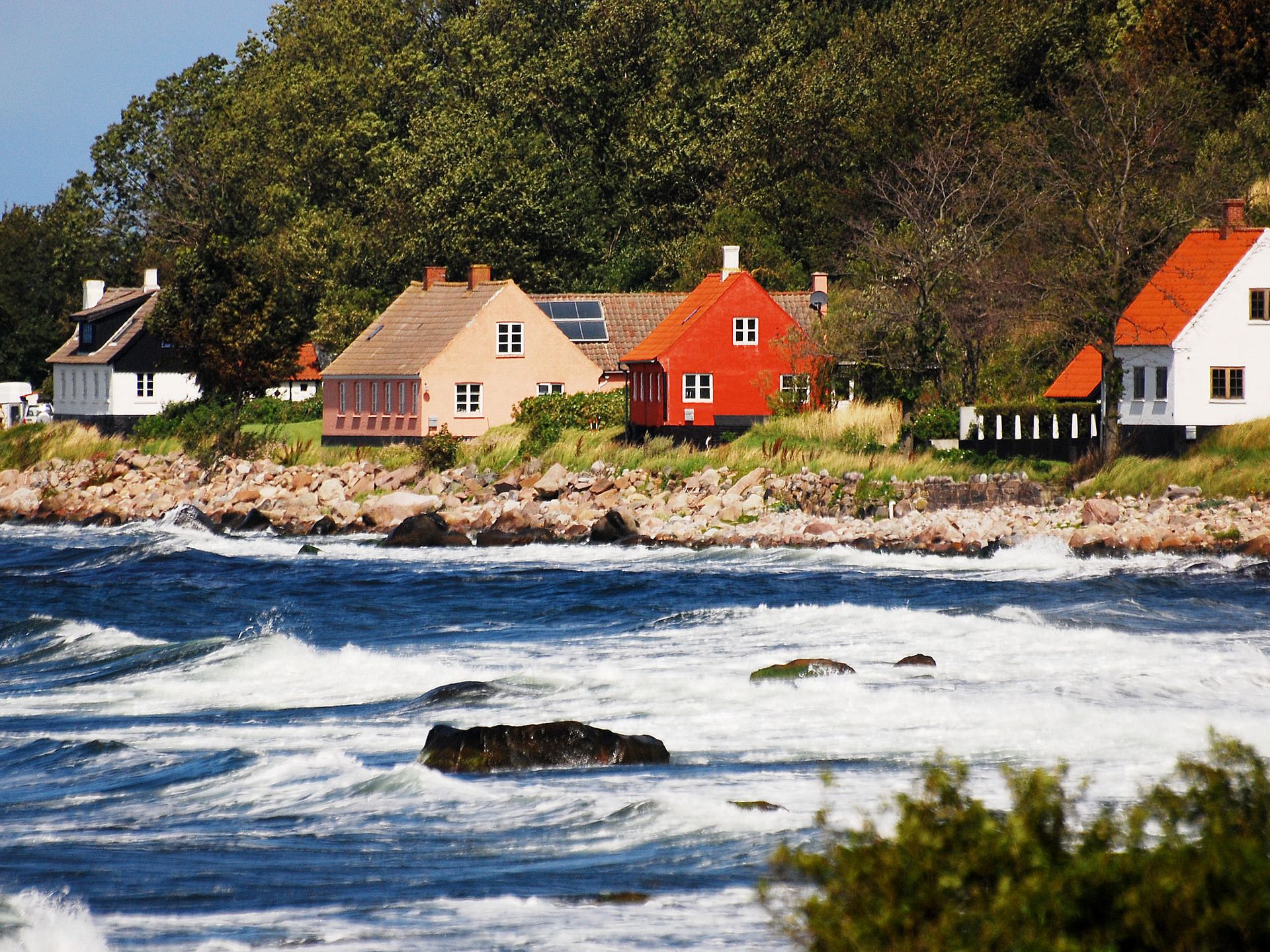
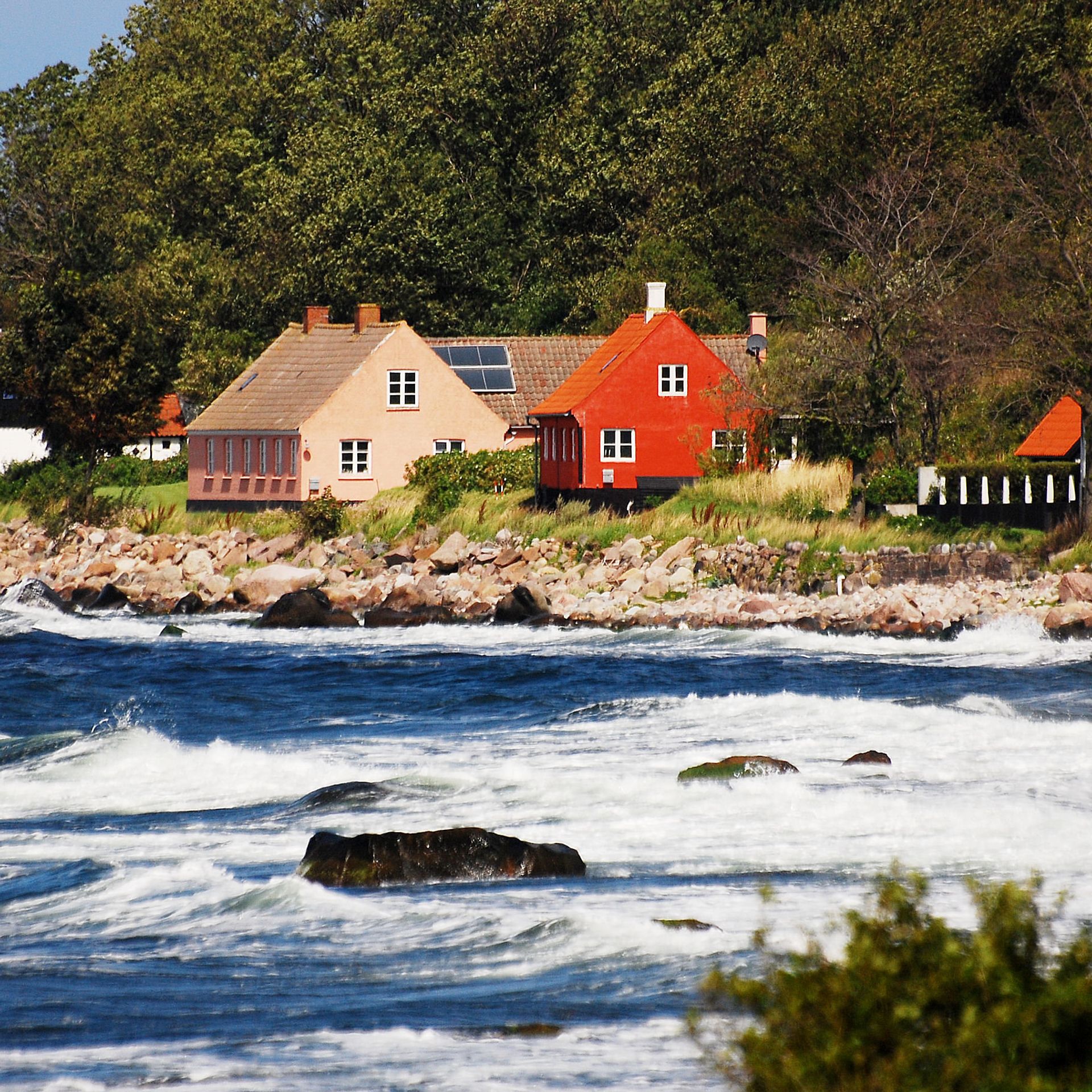
Bornholm is Denmark's easternmost territory located south of Sweden and has a population of 40,000 inhabitants. Among Danes, it is known as "Sunshine island" or "Rocky island."
#Bornholm is Denmark's Baltic gem, and it's a great suggestion if you're looking for an #islandgetaway 🏝 🌄
— VisitDenmark (@GoVisitDenmark) December 11, 2017
📷 jeanrytter/IG #denmark #visitdenmark #island #travel #holiday #travelinspiration #rocks #sunset #exotic pic.twitter.com/If0oIditp8