https://sputnikglobe.com/20210901/chinese-military-can-paralyse-taiwans-defence-capabilities-report-says-1083770003.html
Chinese Military Can ‘Paralyse’ Taiwan’s Defence Capabilities, Report Says
Chinese Military Can ‘Paralyse’ Taiwan’s Defence Capabilities, Report Says
Sputnik International
Earlier this year, the Chinese Foreign Ministry underscored the need for Taiwan – an island Beijing considers to be an integral part of China – to admit that... 01.09.2021, Sputnik International
2021-09-01T14:53+0000
2021-09-01T14:53+0000
2022-10-19T20:14+0000
newsfeed
military & intelligence
china
taiwan
army
defence capabilities
threat
military
air defense
https://cdn.imgsputnikglobe.com/img/07e5/09/01/1083769624_0:151:2901:1782_1920x0_80_0_0_4f7deb81a771b64a9f8d4b59bb1b782f.jpg
The Chinese military is capable of paralysing Taiwan's air defence systems and fully monitoring their deployments, a new report by the island's Defence Ministry has revealed.The document apparently referred to a number of islands running from the Japanese archipelago, through Taiwan and down to the Philippines.China could also paralyse Taiwan’s military command centres and the combat capability of its naval and air forces due to PLA precision missile attacks, according to the report.The survey also argued that China had improved its reconnaissance abilities using the Beidou Navigation Satellite System (BDS), which Taiwan’s Defence Ministry dubbed Beijing’s response to the US-owned GPS.Beidou’s development means that Beijing can monitor military deployments around Taiwan amid China's regular use of spy planes, drones and intelligence gathering ships, according to the report.Additionally, China is trying to position itself as a country that can delay "foreign military intervention" in the case of a PLA attack on Taiwan, the Defence Ministry said. It referred to the PLA’s deployment of mid- and long-range missiles and more drills involving its aircraft carriers.Beijing, whose official policy envisions a peaceful unification of Taiwan with Mainland China, has held talks with island authorities to that effect over several decades.Beijing also warns against any efforts to promote the island’s independence, not ruling out the possible use of force to get the island back. Taipei, in turn, says that it wants dialogue with China, but that it cannot accept Beijing’s proposal for "one country, two systems".
https://sputnikglobe.com/20201118/taiwan-grounds-f-16-fleet-after-two-accidents-amid-heightened-tensions-with-china-1081198820.html
china
taiwan
Sputnik International
feedback@sputniknews.com
+74956456601
MIA „Rossiya Segodnya“
2021
Oleg Burunov
https://cdn.imgsputnikglobe.com/img/07e4/09/0b/1080424846_0:0:2048:2048_100x100_80_0_0_3d7b461f8a98586fa3fe739930816aea.jpg
Oleg Burunov
https://cdn.imgsputnikglobe.com/img/07e4/09/0b/1080424846_0:0:2048:2048_100x100_80_0_0_3d7b461f8a98586fa3fe739930816aea.jpg
News
en_EN
Sputnik International
feedback@sputniknews.com
+74956456601
MIA „Rossiya Segodnya“
Sputnik International
feedback@sputniknews.com
+74956456601
MIA „Rossiya Segodnya“
Oleg Burunov
https://cdn.imgsputnikglobe.com/img/07e4/09/0b/1080424846_0:0:2048:2048_100x100_80_0_0_3d7b461f8a98586fa3fe739930816aea.jpg
newsfeed, military & intelligence, china, taiwan, army, defence capabilities, threat, air defense
newsfeed, military & intelligence, china, taiwan, army, defence capabilities, threat, air defense
Chinese Military Can ‘Paralyse’ Taiwan’s Defence Capabilities, Report Says
14:53 GMT 01.09.2021 (Updated: 20:14 GMT 19.10.2022) Earlier this year, the Chinese Foreign Ministry underscored the need for Taiwan – an island Beijing considers to be an integral part of China – to admit that its future lies in "reunification".
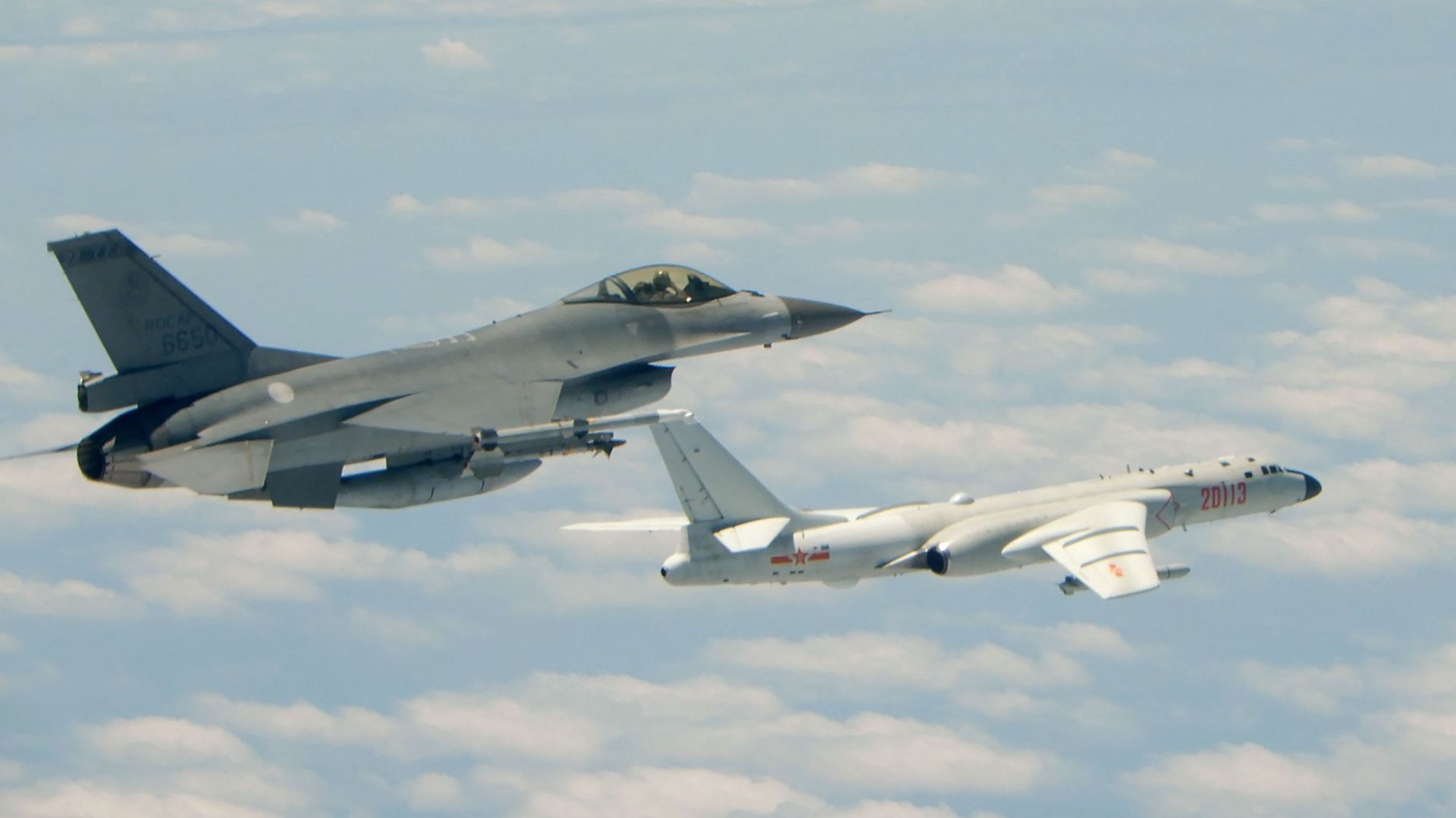
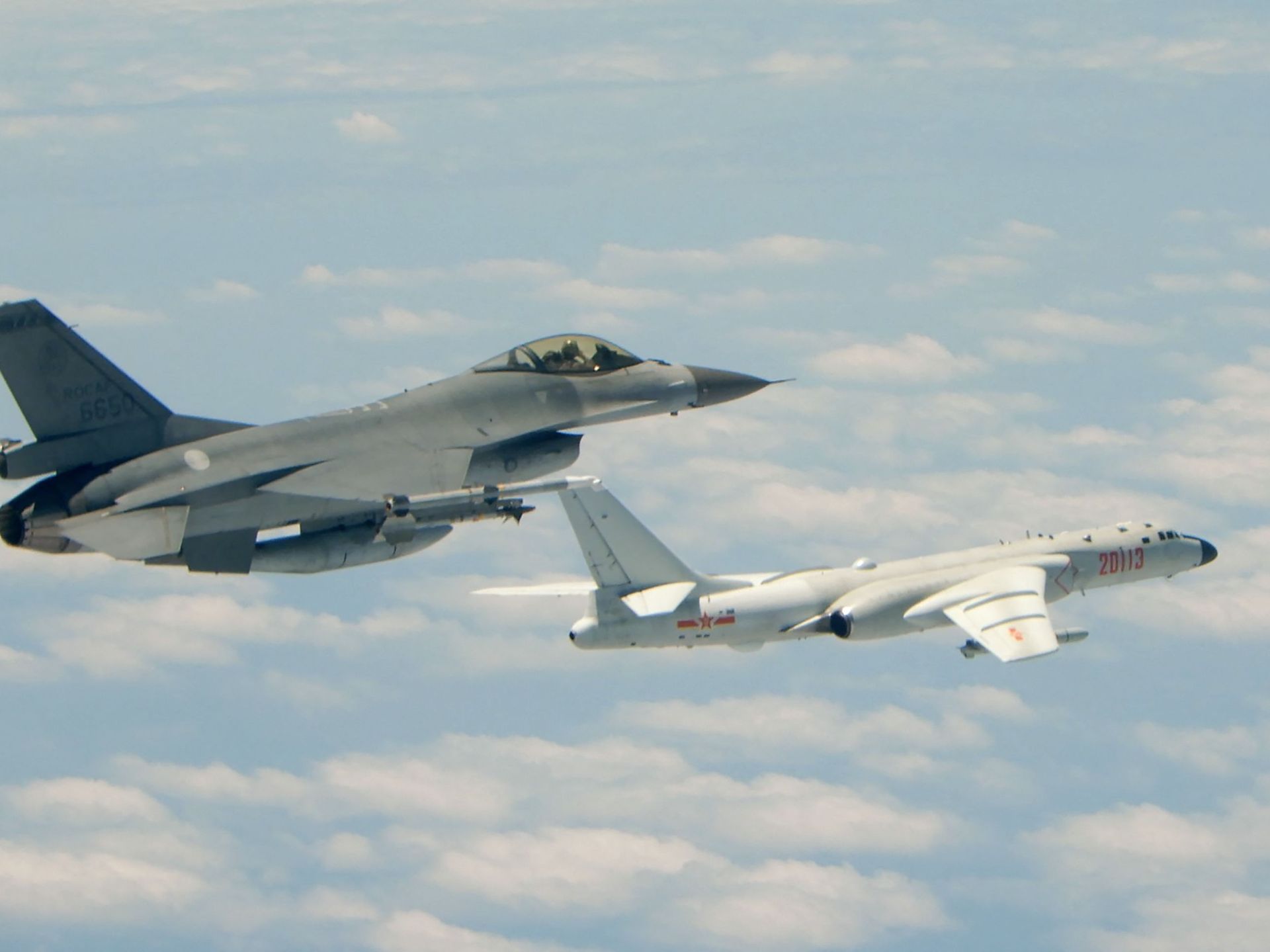
The Chinese military is capable of paralysing Taiwan's air defence systems and fully monitoring their deployments, a new report by the island's Defence Ministry has revealed.
The annual report to MPs on the Chinese People's Liberation Army (PLA), a copy of which was seen by Reuters, claimed that China can launch so-called “soft and hard electronic attacks” to block communications across the western part of “the first island chain”.
The document apparently referred to a number of islands running from the Japanese archipelago, through Taiwan and down to the Philippines.
China "can combine with its internet army to launch wired and wireless attacks against the global internet, which would initially paralyse our [Taiwanese] air defences, command of the sea and counter-attack system abilities, presenting a huge threat to us", the report claimed.
China could also paralyse Taiwan’s military command centres and the combat capability of its naval and air forces due to PLA precision missile attacks, according to the report.
The survey also argued that China had improved its reconnaissance abilities using the Beidou Navigation Satellite System (BDS), which
Taiwan’s Defence Ministry dubbed Beijing’s response to the US-owned GPS.
Beidou’s development means that Beijing can monitor military deployments around Taiwan amid China's regular use of spy planes, drones and intelligence gathering ships, according to the report.
The document cited alleged Chinese spies in Taiwan who are able to conduct a "decapitation strike" to destroy the island’s political and economic infrastructure.
Additionally, China is trying to position itself as a country that can delay "foreign military intervention" in the case of a PLA attack on Taiwan, the Defence Ministry said. It referred to the PLA’s deployment of mid- and long-range missiles and more drills involving its aircraft carriers.
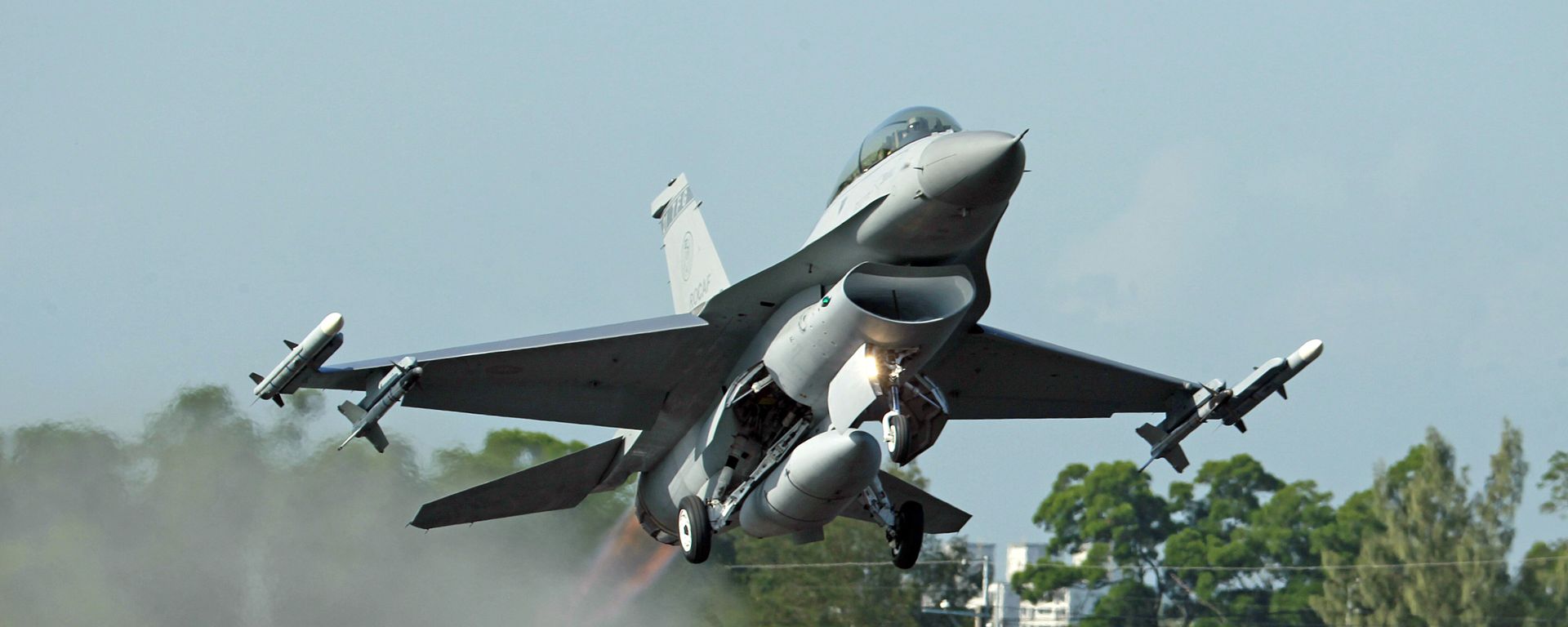
18 November 2020, 05:27 GMT
Beijing, whose official policy envisions a peaceful unification of Taiwan with Mainland China, has held talks with island authorities to that effect over several decades.
Beijing also warns against
any efforts to promote the island’s independence, not ruling out the possible use of force to get the island back. Taipei, in turn, says that it wants dialogue with China, but that it cannot accept Beijing’s proposal for "one country, two systems".