https://sputnikglobe.com/20230803/ukraine-using-colorful-toy-like-bombs-to-kill-civilians-as-west-runs-out-of-ammo-1112367541.html
Ukraine Using Colorful Toy-like Bombs to Kill Civilians as West Runs Out of Ammo
Ukraine Using Colorful Toy-like Bombs to Kill Civilians as West Runs Out of Ammo
Sputnik International
When it comes to the use of artillery and missiles, Ukraine’s strategy has baffled Western and Russian observers alike, with troops expending precious and dwindling stocks of NATO-caliber ammunition to terror bomb civilians in the Donbass. Now, the Ukrainian military appears to have found a low cost, barbaric workaround.
2023-08-03T14:04+0000
2023-08-03T14:04+0000
2023-08-03T14:53+0000
military
ukraine
donbass
joint center for control and coordination (jccc)
bomb
manufacturing
bomb-making factory
https://cdn.imgsputnikglobe.com/img/07e7/08/03/1112367830_0:173:3030:1877_1920x0_80_0_0_5544e02486364c9a0091d1960116f7f0.jpg
Enthusiast weapons makers in Ukraine and Europe are churning out cheap, home-made munitions, their casings made of 3D-printed plastics, and given cutesy names like "Zaychik" ("Little Rabbit") "Big Egg," and "Zefirka" (a confectionery treat popular across the former Soviet Union).Low cost is the name of the game, with the shells, which can be made for as little as $3.85 apiece, packed with C4 explosives mixed with steel shrapnel, ball bearings, or a copper and aluminum combo, and designed to be dropped from drones onto people or armored vehicles.The munitions are called "candy bombs," apparently due to the multicolored plastics often used in their production.One Kiev-based group of amateur bombmakers reportedly manufactures casings for about 4,000 bombs per month. A second Ukraine-based group has churned out over 30,000 over the past four months.“Candy bombs" come in different shapes and sizes, with anti-personnel bombs packed with explosives and metal fragments, meant to sprawl into the surrounding environment and sear into flesh. Larger, 5 kg anti-personnel bombs are said to have proven effective up to 20 meters from the point of detonation.Some of the bombs were reportedly originally packed with nails, but this was switched to metal pieces after testing showed that the nails would partially vaporize on detonation. Makers say they would prefer to use ball bearings, but these are expensive and availability is limited.Larger "candy bombs" are made for use against armored vehicles, packed with a copper and aluminum mixture which transforms into a plasma jet to puncture armor.The bomb-making enthusiasts are said to be constantly honing their craft to make them more effective, with amateur engineers even reportedly asking ChatGPT for advice, and using other software to model lethality.A Ukrainian trooper operating in Donbass estimated that Ukraine's drones carry upwards of 200 different kinds and sizes of "candy bombs," with efforts underway to standardize production.Deadly RecordThe proliferation of homemade bomb making by Ukraine is bad news for civilians in Donbass, who already face mass terror shelling on a daily basis by Ukraine’s conventional artillery and missiles, including US-made HIMARS and British Storm Shadows. Earlier this year, the Joint Center for Control and Coordination (JCCC), a military watchdog monitoring and reporting shelling incidents in Donbass, calculated that over 4,500 civilians had been killed and 4,430+ wounded by Ukrainian forces, many of them in territories liberated by Russia, between February 2022 and early May 2023.According to the JCCC’s figures, over 100 civilians have been wounded by PFM-1 Lepestok anti-personnel landmines – a class of weapon that Ukraine was obligated to destroy as a party to the 1997 Anti-Personnel Mine Ban Convention, but deployed in the Donbass instead in a "tradition" going back to 2014.Dwindling AmmoUkraine’s military has inexplicably continued to use its limited domestic ammunition stocks and millions of rounds of NATO-caliber munitions against Donbass and other civilian areas even as its counteroffensive against Russian forces in the Donetsk, Zaporozhye, and Kherson bogs down, and as Western patrons warn Kiev of shortages in ammunition production."This is a war relating to munitions. And they’re running out of that ammunition, and we’re low on it," President Biden said last month while justifying the US decision to send cluster bombs to Kiev, despite well-justified fears that they will be used against noncombatants.
https://sputnikglobe.com/20230717/us-scrambles-to-ramp-up-munitions-production-after-bidens-low-on-ammo-slip-1111935762.html
https://sputnikglobe.com/20230723/ukrainian-troops-deploy-foreign-made-cluster-bombs-in-lprs-village---source-1112098760.html
ukraine
donbass
Sputnik International
feedback@sputniknews.com
+74956456601
MIA „Rossiya Segodnya“
2023
News
en_EN
Sputnik International
feedback@sputniknews.com
+74956456601
MIA „Rossiya Segodnya“
Sputnik International
feedback@sputniknews.com
+74956456601
MIA „Rossiya Segodnya“
homemade bomb, bomb, candy bomb, ukraine, cheap bomb, 3d printing, 3d printed bomb, donbass
homemade bomb, bomb, candy bomb, ukraine, cheap bomb, 3d printing, 3d printed bomb, donbass
Ukraine Using Colorful Toy-like Bombs to Kill Civilians as West Runs Out of Ammo
14:04 GMT 03.08.2023 (Updated: 14:53 GMT 03.08.2023) When it comes to the use of artillery and missiles, Ukraine’s strategy has baffled Western and Russian observers alike, with troops expending precious and dwindling stocks of NATO-caliber ammunition to terror bomb civilians in Donbass. Now, the Ukrainian military appears to have found a low cost, barbaric workaround.
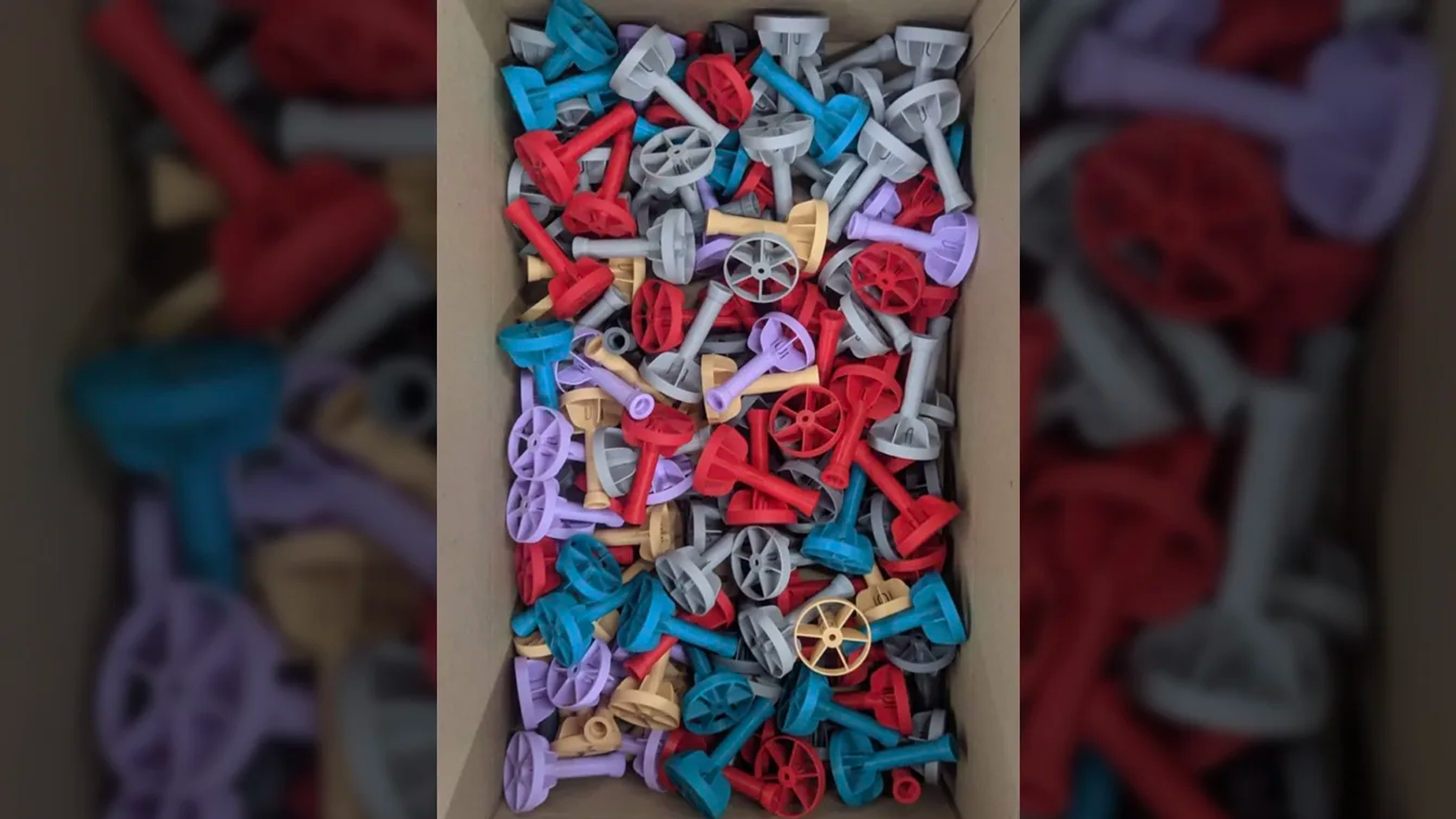
Enthusiast weapons makers in Ukraine and Europe are churning out cheap, home-made munitions, their casings made of 3D-printed plastics, and given cutesy names like "Zaychik" ("Little Rabbit") "Big Egg," and "Zefirka" (a confectionery treat popular across the former Soviet Union).
Low cost is the name of the game, with the shells, which can be made for as little as $3.85 apiece, packed with C4 explosives mixed with steel shrapnel, ball bearings, or a copper and aluminum combo, and designed to be dropped from drones onto people or armored vehicles.
The munitions are called "candy bombs," apparently due to the multicolored plastics often used in their production.
One Kiev-based group of
amateur bombmakers reportedly manufactures casings for about 4,000 bombs per month. A second Ukraine-based group has churned out over 30,000 over the past four months.
Outside Ukraine too, amateur "volunteer weaponsmiths" have popped up in multiple countries, including Latvia and Poland, calling themselves the Wild Bees and churning out and shipping tens of thousands of makeshift bomb shell casings to Ukraine, complete with shell body, nose cone, and tail fins, ready to be stuffed with explosives. Ukrainian customs reportedly turn a blind eye to the shipments, classifying the bombs as "children's toys" or "candleholders."
“Candy bombs" come in different shapes and sizes, with anti-personnel bombs packed with explosives and metal fragments, meant to sprawl into the surrounding environment and sear into flesh. Larger, 5 kg anti-personnel bombs are said to have proven effective up to 20 meters from the point of detonation.
Some of the bombs were reportedly originally packed with nails, but this was switched to metal pieces after testing showed that the nails would partially vaporize on detonation. Makers say they would prefer to use ball bearings, but these are expensive and availability is limited.
Larger "candy bombs" are made for use against armored vehicles, packed with a copper and aluminum mixture which transforms into a plasma jet to puncture armor.
The bomb-making enthusiasts are said to be constantly honing their craft to make them more effective, with amateur engineers even reportedly asking ChatGPT for advice, and using other software to model lethality.
A Ukrainian trooper operating in Donbass estimated that Ukraine's drones carry upwards of 200 different kinds and sizes of "candy bombs," with efforts underway to standardize production.
The proliferation of
homemade bomb making by Ukraine is bad news for civilians in Donbass, who already face mass terror shelling on a daily basis by Ukraine’s conventional artillery and missiles, including US-made
HIMARS and British
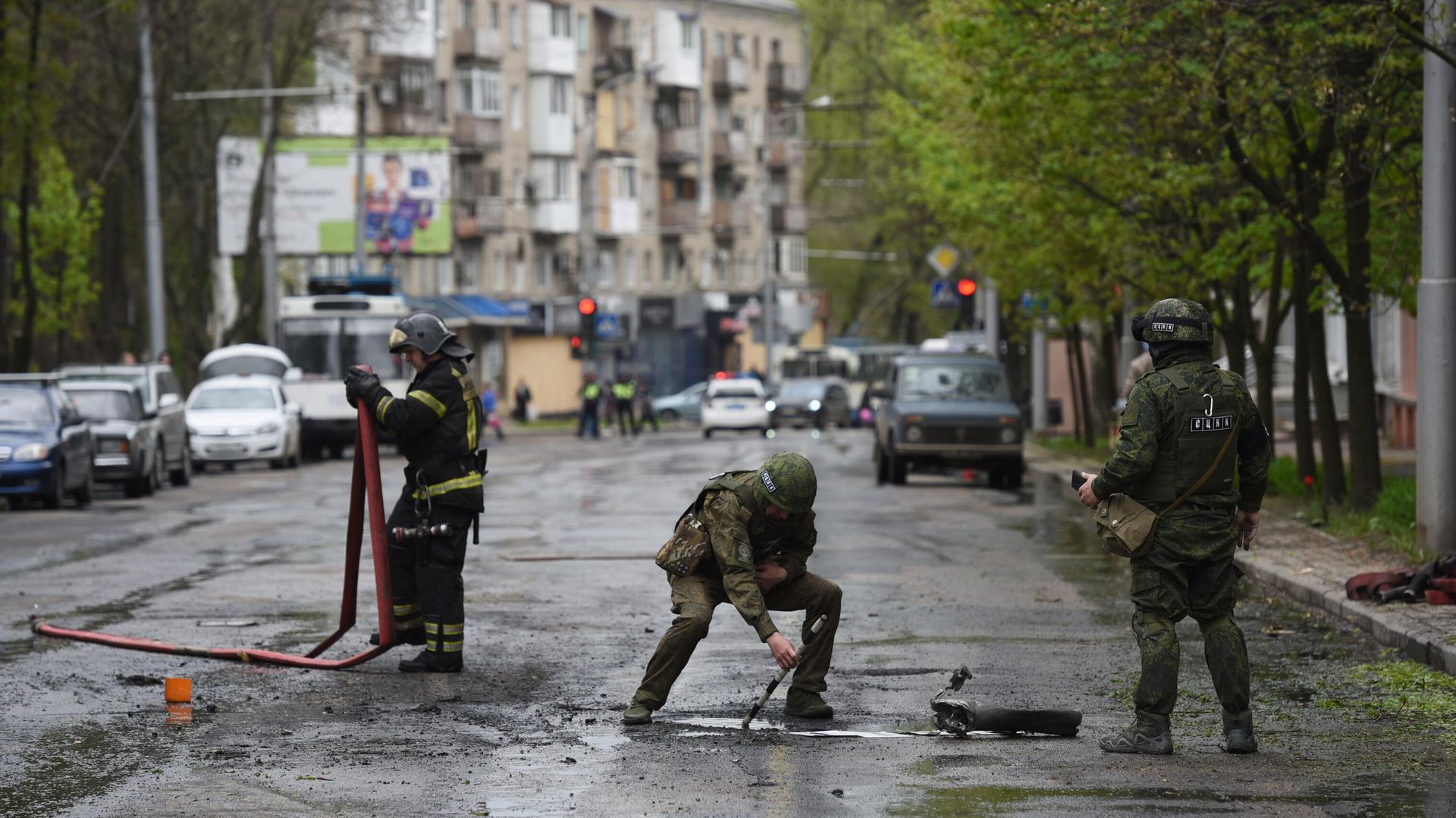
Storm Shadows. Earlier this year, the Joint Center for Control and Coordination (JCCC), a military watchdog monitoring and reporting shelling incidents in Donbass, calculated that
over 4,500 civilians had been killed and 4,430+ wounded by Ukrainian forces, many of them in territories liberated by Russia, between February 2022 and early May 2023.
According to the JCCC’s figures, over 100 civilians have been wounded by PFM-1 Lepestok anti-personnel landmines – a class of weapon that Ukraine was obligated to destroy as a party to the 1997 Anti-Personnel Mine Ban Convention, but deployed in the Donbass instead in a "tradition" going back to 2014.
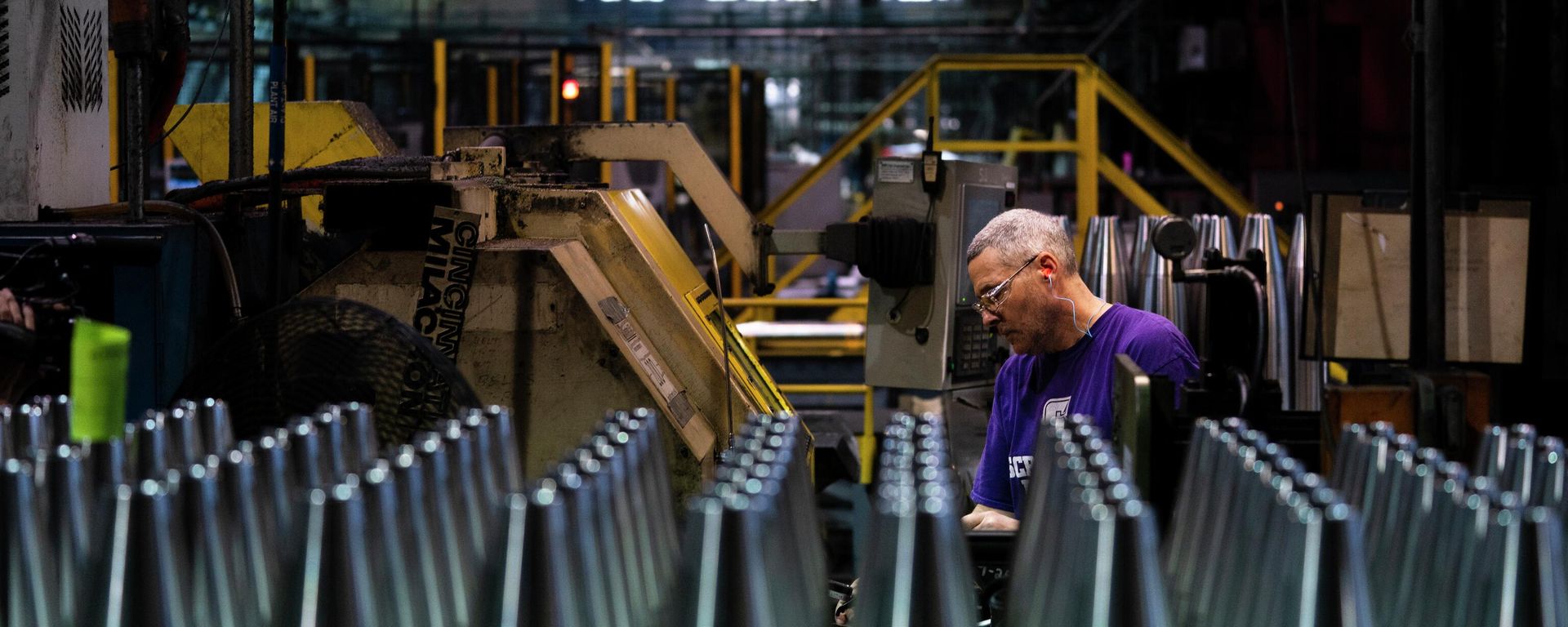
Ukraine’s military has inexplicably continued to use its limited domestic ammunition stocks and millions of rounds of NATO-caliber munitions against Donbass and other civilian areas even as its counteroffensive against Russian forces in the Donetsk, Zaporozhye, and Kherson bogs down, and as Western patrons warn Kiev of shortages in ammunition production.
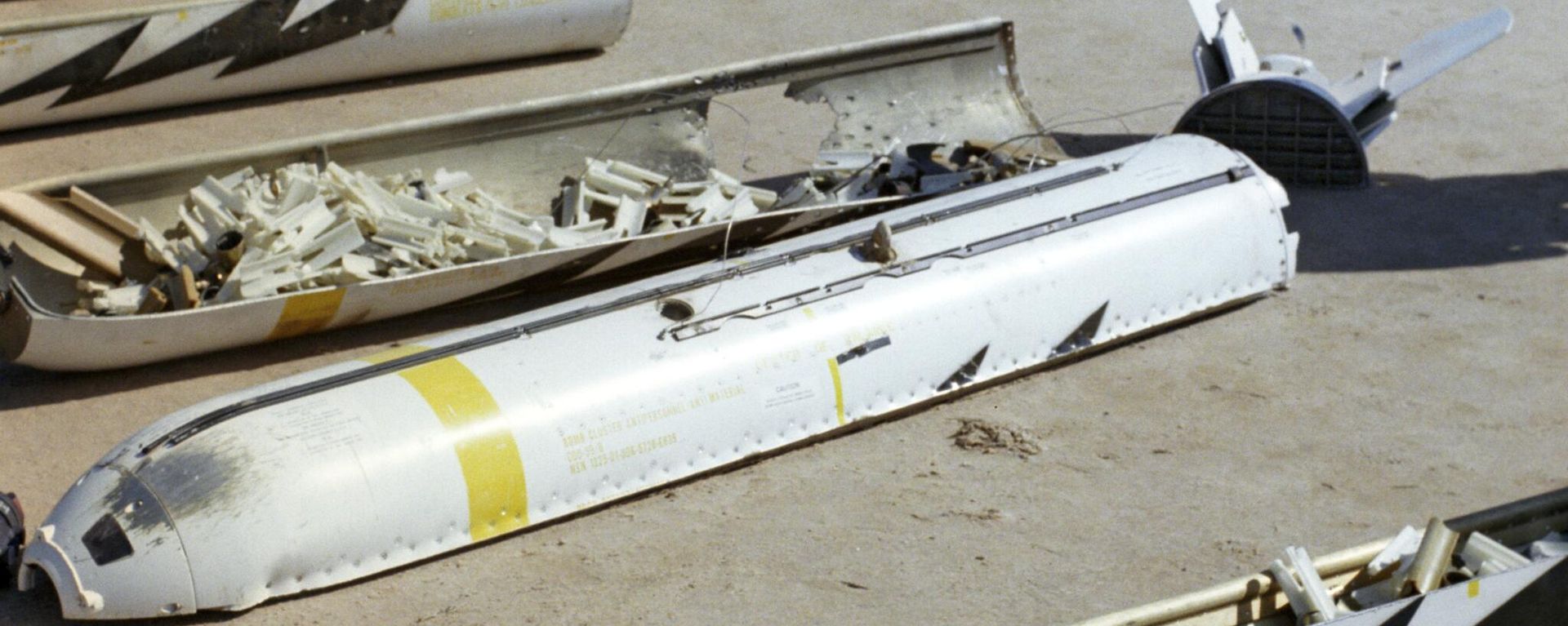
"This is a war relating to munitions. And they’re running out of that ammunition, and we’re low on it," President Biden
said last month while justifying the US decision to send cluster bombs to Kiev, despite
well-justified fears that they will be used against noncombatants.