https://sputnikglobe.com/20230911/rubles-share-in-russias-exports-tops-50-percent-as-dedollarization-gains-momentum-1113276778.html
Ruble’s Share in Russia’s Exports Tops 50 Percent as Dedollarization Gains Momentum
Ruble’s Share in Russia’s Exports Tops 50 Percent as Dedollarization Gains Momentum
Sputnik International
The US dollar’s slow, creeping decline as the currency of choice for global trade and central bank reserve holdings accelerated in 2022, when Washington and its allies attempted, and failed, to sanction Russia into submission amid the crisis in Ukraine. Moscow and its partners reacted by ramping up trade in local currencies.
2023-09-11T12:53+0000
2023-09-11T12:53+0000
2023-09-11T12:55+0000
economy
ruslan davydov
russia
washington
federal customs service
european union (eu)
trade
imports
exports
dollar
https://cdn1.img.sputnikglobe.com/img/07e7/08/01/1112326823_0:159:3073:1888_1920x0_80_0_0_98566ce5c328a7d2ffbd2685c6d6c1b4.jpg
The ruble’s share in payments for Russian exports has topped 50 percent, and accounts for more than a third of Russia’s overall foreign trade, acting Federal Customs Service chief Ruslan Davydov has revealed.According to Federal Customs Service data, between January and August of 2023, Russia's overall physical volume of trade has already topped last year’s indicators. However, its overall value is lower due to a drop in global prices for energy resources. “Energy resources still account for two-thirds of our exports in value terms,” Davydov explained.Commenting on reports by Russian business media on the latest EU restrictions prohibiting Russian nationals from importing cars, electronics and personal hygiene products like shampoos, toothpaste and toilet paper into bloc countries, Davydov characterized the measures as “utter nonsense.” “Thank you for not yet prohibiting people from crossing the border in their personal trousers,” he quipped.Global Dedollarization Trend AcceleratingRussia has long been ahead of the curve amid the global trend toward gradual dedollarization, completely dumping the remaining dollar holdings from its National Wealth Fund in 2021 and replacing them with euros, yuan, Japanese and gold. From 2014 onward, Russia also whittled away at its US Treasury debt holdings, which fell from $176.3 billion in 2010 to just $2.4 billion by late 2021.Moscow has lobbied its foreign partners to expand trade in local currencies for years, pointing to currency swap-based payments’ lower volatility compared to the dollar, and the sanctions-related risks associated with the US currency.In 2022, after the US and its allies slapped Russia with nearly 15,000 new sanctions and froze a portion of the country’s foreign reserves, major non-Western countries, including even long-time traditional US allies and partners, began to see the potential dangers associated with the greenback, and turning to other currencies for trade, such as the yuan.At last month’s BRICS summit in Johannesburg, bloc members expressed their intention to increase the use of local currencies in trade and financial transactions between BRICS members and their partners. With the addition of six new regional powerhouse economies from Latin America, Africa and the Middle East to the original five-nation BRICS bloc, the grouping of major non-Western world economies now accounts for some 37 percent of global GDP, compared with about 30 percent for the G7.Dedollarization Won't Be Quick, EasyThe dollar’s share in global foreign exchange reserves has slowly declined for decades, falling from over 71 percent of all reserves at the turn of the 21st century, to about 62 percent a decade ago, to 58 percent at the end of 2022.That said, the dollar remains a powerful financial instrument in world trade, with observers emphasizing that that the global dedollarization process is a “big challenge,” and something that won’t be “quick or easy,” particularly since the currency still accounts for a vast percentage of global trade and foreign currency reserves.
https://sputnikglobe.com/20230826/how-do-brics-stack-up-against-g7-1112913972.html
russia
washington
Sputnik International
feedback@sputniknews.com
+74956456601
MIA „Rossiya Segodnya“
2023
News
en_EN
Sputnik International
feedback@sputniknews.com
+74956456601
MIA „Rossiya Segodnya“
Sputnik International
feedback@sputniknews.com
+74956456601
MIA „Rossiya Segodnya“
dollar, dedollarization, ruble, russia, united states, currency, trade, reserves, finance, reserve currency, imports, exports
dollar, dedollarization, ruble, russia, united states, currency, trade, reserves, finance, reserve currency, imports, exports
Ruble’s Share in Russia’s Exports Tops 50 Percent as Dedollarization Gains Momentum
12:53 GMT 11.09.2023 (Updated: 12:55 GMT 11.09.2023) The US dollar’s slow, creeping decline as the currency of choice for global trade and central bank reserve holdings accelerated in 2022, when Washington and its allies attempted, and failed, to sanction Russia into submission amid the crisis in Ukraine. Moscow and its partners reacted by ramping up trade in local currencies.
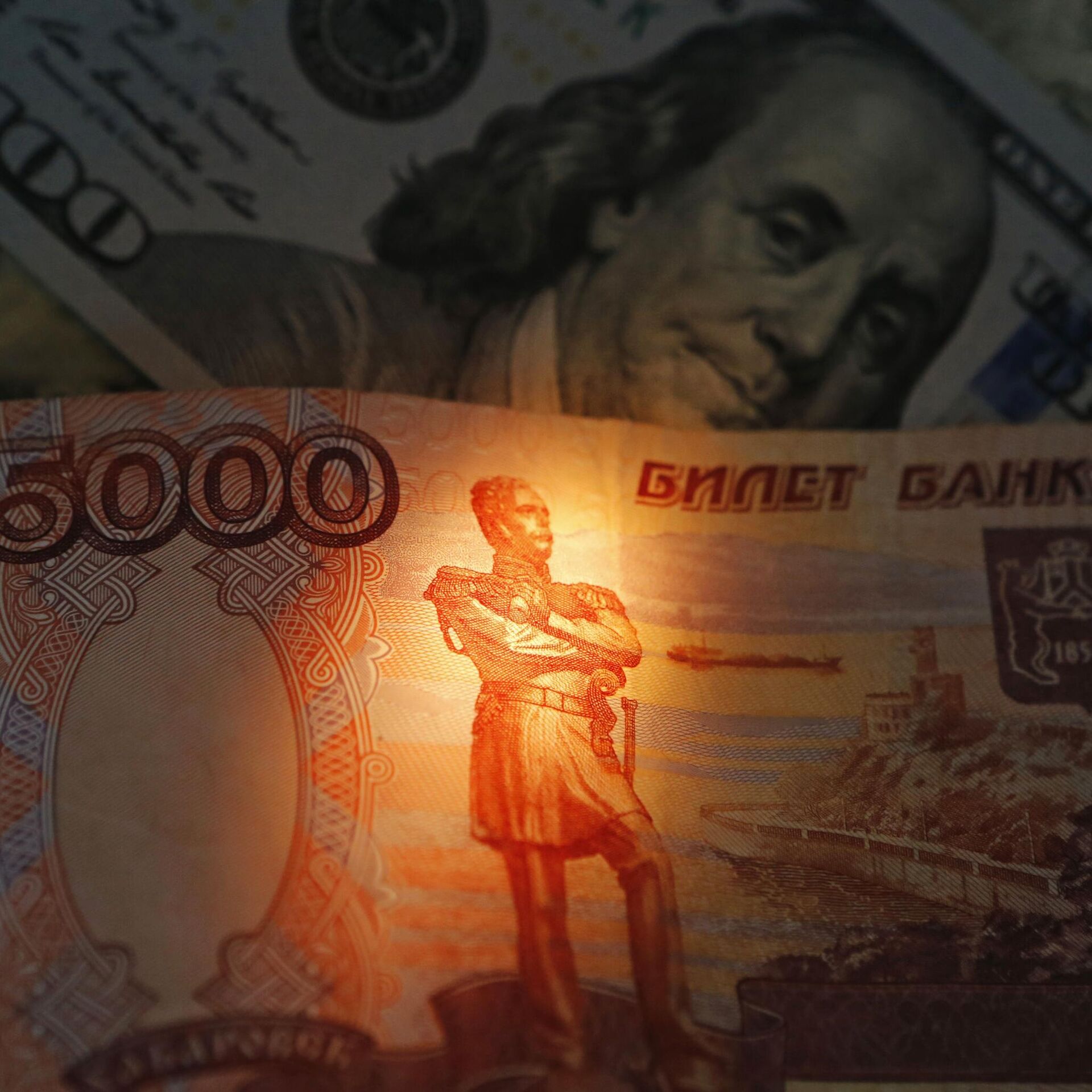
The ruble’s share in payments for Russian exports has topped 50 percent, and accounts for more than a third of Russia’s overall foreign trade, acting Federal Customs Service chief Ruslan Davydov has revealed.
“In the structure of our trade turnover, the ruble’s share is growing very strongly, of course. For example, in exports, over half of payments are in rubles. In imports, payments are still made mainly using the currencies of unfriendly countries; in general, ruble payments account for more than a third of overall trade turnover,” Davydov told Sputnik on the sidelines of the
Eastern Economic Forum in Vladivostok.
According to Federal Customs Service data, between January and August of 2023, Russia's overall physical volume of trade has already topped last year’s indicators. However, its overall value is lower due to a drop in global prices for energy resources. “Energy resources still account for two-thirds of our exports in value terms,” Davydov explained.
Commenting on
reports by Russian business media on the latest EU restrictions prohibiting Russian nationals from importing cars, electronics and personal hygiene products like shampoos, toothpaste and toilet paper into bloc countries, Davydov characterized the measures as “utter nonsense.” “Thank you for not yet prohibiting people from crossing the border in their personal trousers,” he quipped.
Global Dedollarization Trend Accelerating
Russia has long been ahead of the curve amid the global trend toward gradual dedollarization, completely
dumping the remaining dollar holdings from its National Wealth Fund in 2021 and replacing them with euros, yuan, Japanese and gold. From 2014 onward, Russia also
whittled away at its US Treasury debt holdings, which fell from $176.3 billion in 2010 to just $2.4 billion by late 2021.
Moscow has lobbied its foreign partners to expand trade in local currencies for years,
pointing to currency swap-based payments’ lower volatility compared to the dollar, and the sanctions-related risks associated with the US currency.
In 2022, after the US and its allies slapped Russia with
nearly 15,000 new sanctions and froze a portion of the country’s foreign reserves, major non-Western countries,
including even long-time traditional US allies and partners, began to see the potential dangers associated with the greenback, and turning to other currencies for trade, such as the yuan.
At last month’s BRICS
summit in Johannesburg, bloc members expressed their intention to increase the use of local currencies in trade and financial transactions between BRICS members and their partners. With the addition of six new regional powerhouse economies from Latin America, Africa and the Middle East to the original five-nation BRICS bloc, the grouping of major non-Western world economies now accounts for some
37 percent of global GDP, compared with about 30 percent for the G7.

26 August 2023, 18:35 GMT
Dedollarization Won't Be Quick, Easy
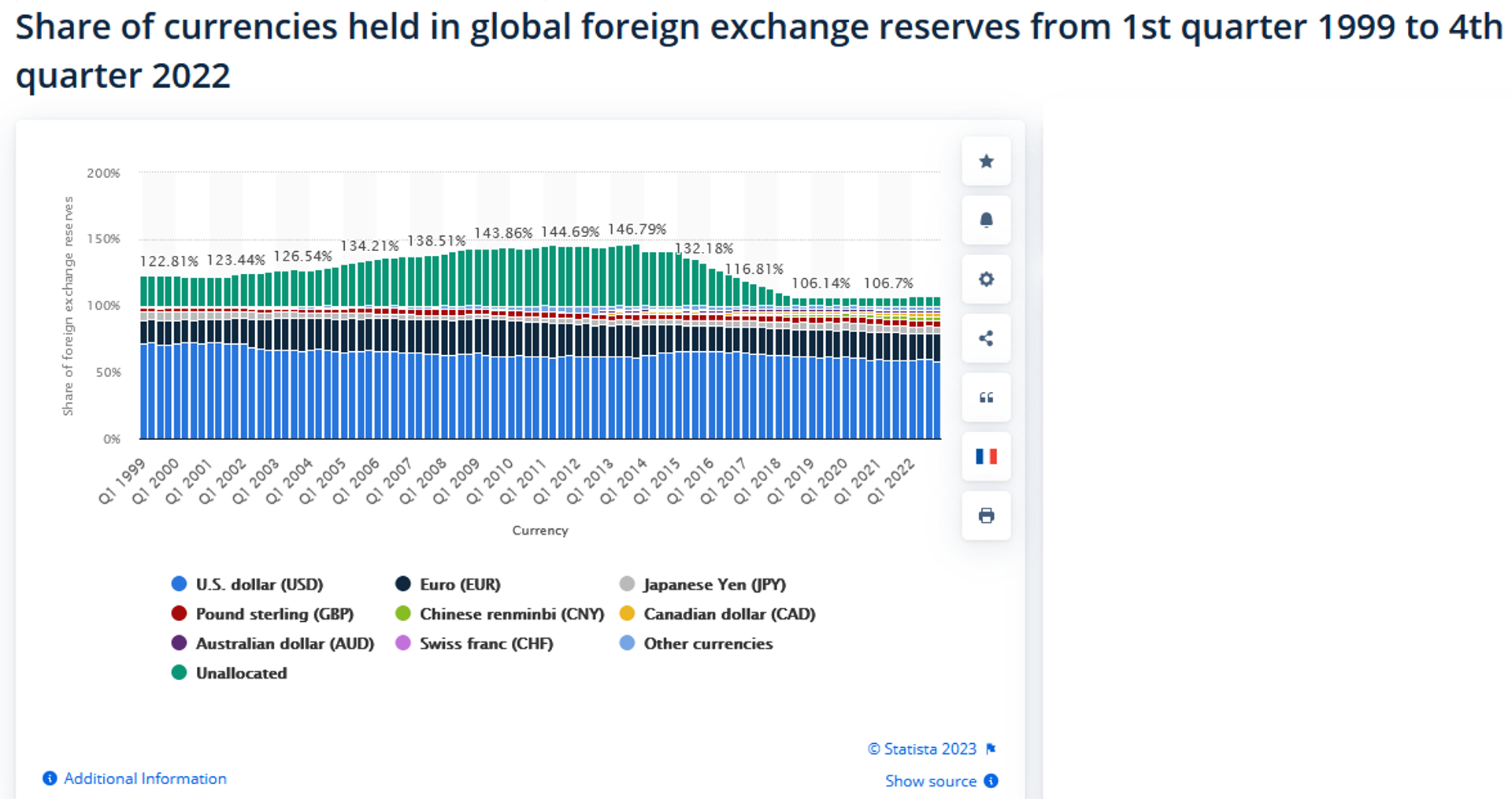
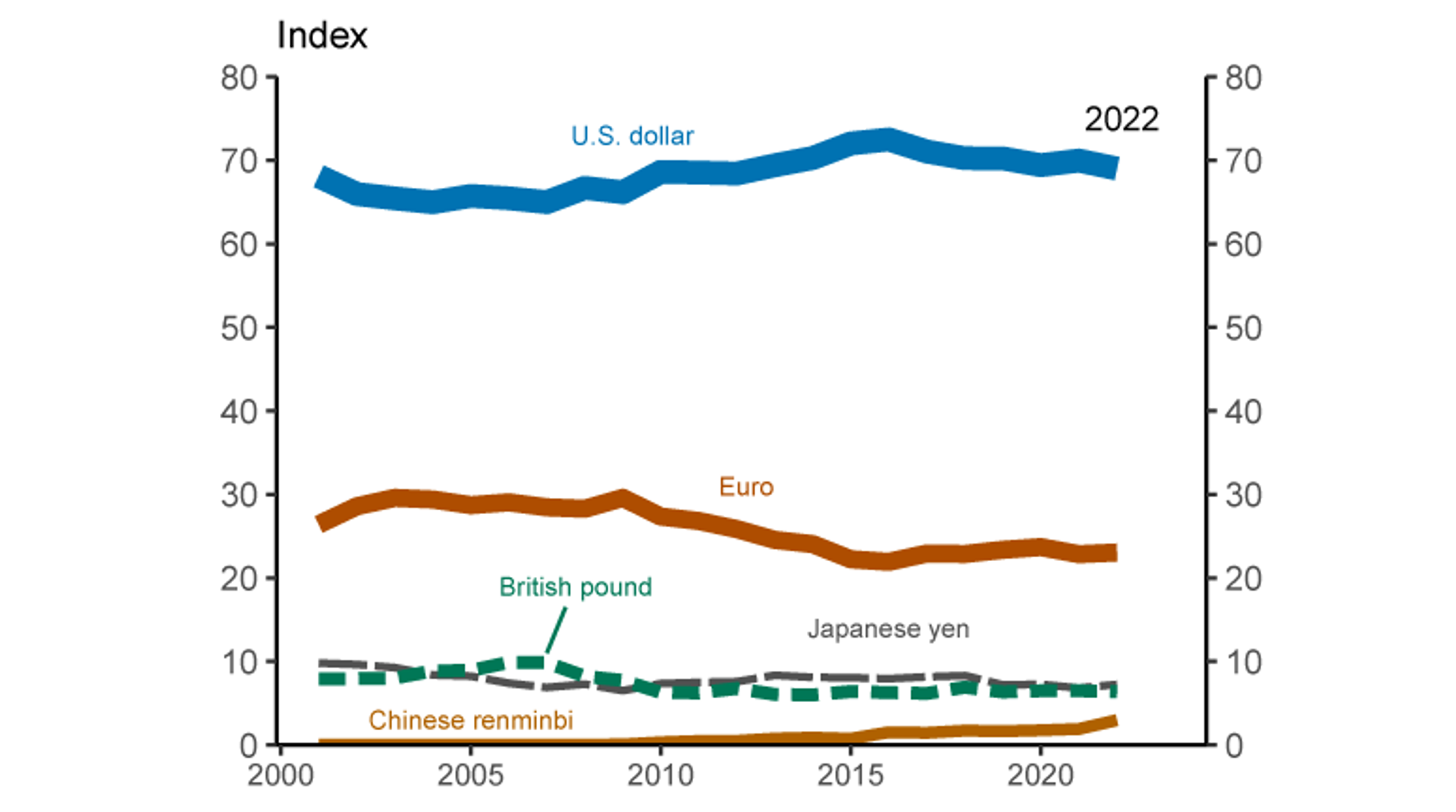
The dollar’s share in global foreign exchange reserves has slowly declined for decades, falling from over 71 percent of all reserves at the turn of the 21st century, to about 62 percent a decade ago, to 58 percent at the end of 2022.
That said, the dollar remains a powerful financial instrument in world trade, with observers emphasizing that that the global dedollarization process is a “big challenge,” and something that
won’t be “quick or easy,” particularly since the currency still accounts for a vast percentage of global trade and foreign currency reserves.