https://sputnikglobe.com/20240219/vote-for-ukraine-aid-exposes-deep-generational-gap-within-republican-party-1116876639.html
Vote for Ukraine Aid Exposes Deep Generational Gap Within Republican Party
Vote for Ukraine Aid Exposes Deep Generational Gap Within Republican Party
Sputnik International
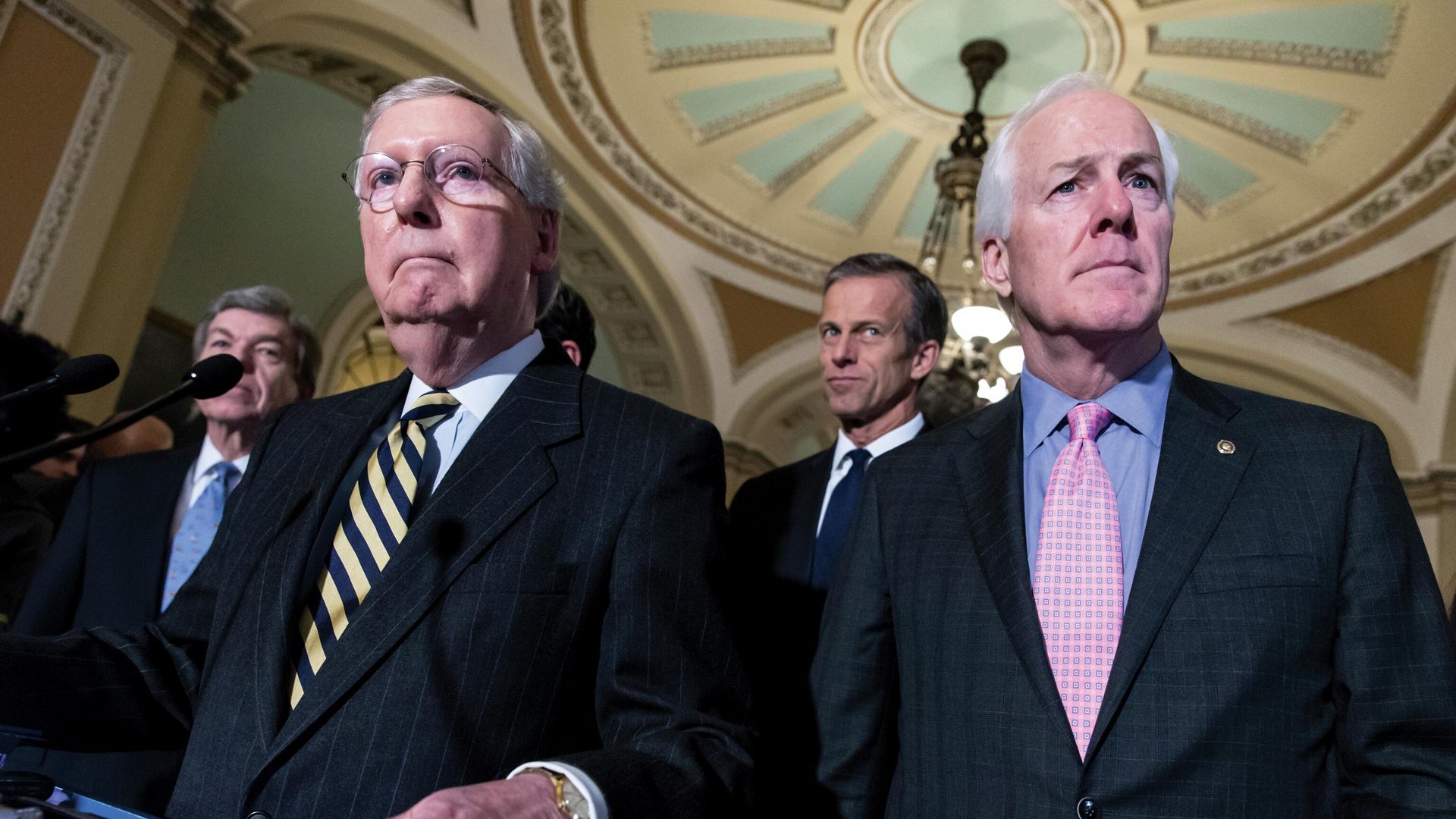
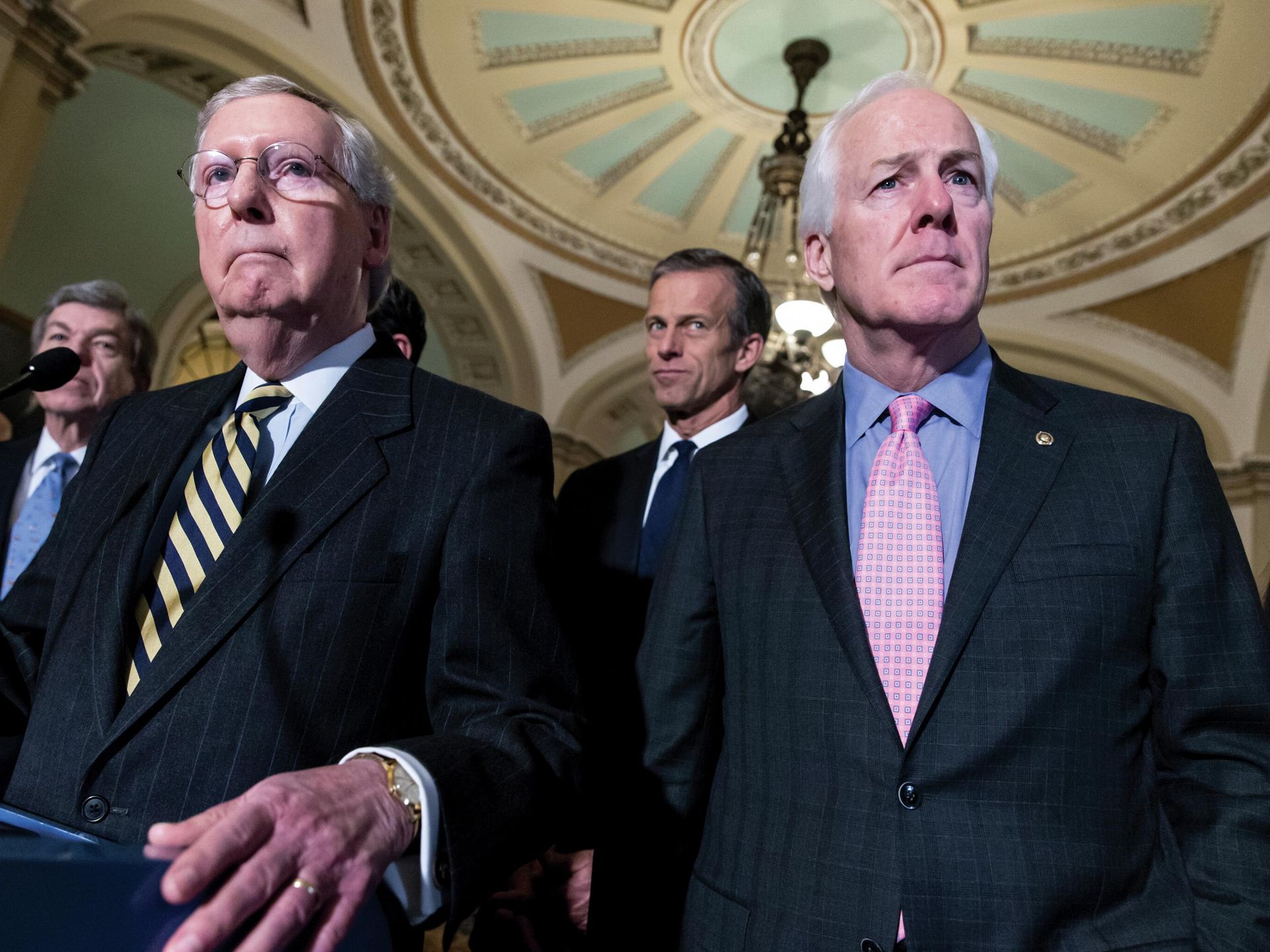
The Senate's foreign aid bill has exposed a generational gap within the ranks of the Republican Party, according to the DC-based think tank the Quincy Institute for Responsible Statecraft.
2024-02-19T13:41+0000
2024-02-19T13:41+0000
2024-02-19T13:41+0000
us
donald trump
lindsey graham
americans
ukraine
russia
gop
senate
republican
americas
https://cdn.imgsputnikglobe.com/img/07e6/06/17/1096578500_0:0:3071:1728_1920x0_80_0_0_7d9b5de515b7573c1b06dc5a27a9eb90.jpg
The Senate passed a $95.3 billion foreign aid bill for Ukraine, Israel and the island of Taiwan, stripped of border security provisions, last Tuesday. Twenty-two GOP Senators voted in favor of the legislation, with 27 vehemently opposing it. Having conducted an analysis of the votes, DC-based think tank the Quincy Institute for Responsible Statecraft concluded on February 19 that there is "an interesting generational divide" within the Republican caucus.Senators have also noticed the generational gap: "Nearly every Republican Senator under the age of 55 voted NO on this America Last bill," tweeted Sen. Eric Schmitt (R-Mo.), 48."Youthful naivety is bliss, the wisdom of age may save the West," argued Sen. Kevin Cramer (R-N.D.), 63. "Reagan may be dead, but his doctrine saved the world during less dangerous times than these."For his part, Sen. J.D. Vance, 39, drew attention to the fact that "the fruits of [the older] generation in American leadership is: quagmire in Afghanistan, war in Iraq under false pretenses." According to him, younger Americans are fed up with that foreign policy.According to the QI, "equally striking" was the breakdown of votes among GOP senators based on when they assumed their current positions in the upper chamber. Thus, of the 49 incumbent Republican senators, 30 were elected before Donald Trump was picked as the GOP's presidential candidate in 2016. Over half of those 30 voted in favor of the aid bill. When it comes to the 19 senators who assumed office in 2017 and later, just four of them supported the legislation; the rest resolutely opposed it.The think tank suggested that the difference in votes could partially be attributable to Trump's unorthodox foreign policy approach, dubbed at the time "isolationist," whereas the Republican Party establishment hardened during the Cold War era and Global War on Terror and adopted a hawkish approach including to Russia.Still, the QI presumed that the vote cannot be explained solely by ideology, given that Sen. Lindsey Graham (R-SC) ultimately voted against the package, despite his vocal support for Ukraine and Israel. Graham, 68, has held his seat in the upper chamber since 2003. Explaining his move, the senator bemoaned the lack of border security provisions in the $9 bill and even echoed Trump’s argument that aid to Ukraine should be a "loan."However, Graham's recent move appears to be a mere political maneuver: on Sunday, he signaled support for the House's $66 billion national security package proposed by a bipartisan group of representatives on February 16.The Defending Borders, Defending Democracies Act was proposed by the so-called bipartisan moderate Problem Solvers Caucus. Axios assumed last Friday that the bill would face opposition from the House MAGA Republicans as its border provisions aren't as tough as what conservative representatives are seeking. Likewise, attempts to ram a multi-billion Ukraine package could be nixed by Rep. Marjorie Taylor Greene (R-Ga.) and like-minded GOP members of Congress in the lower chamber.
https://sputnikglobe.com/20240215/us-house-breaks-until-february-28-without-advancing-ukraine-israel-aid-bill-1116808540.html
https://sputnikglobe.com/20240216/donald-trump-resonates-with-average-people-with-criticism-of-nato-ukraine-funding-1116813393.html
https://sputnikglobe.com/20240214/lindsey-grahams-about-face-on-ukraine-shows-gop-patience-with-kiev-regime-has-run-out-1116788385.html
https://sputnikglobe.com/20240219/keeping-ukraines-military-from-collapsing-only-plan-western-sponsors-have-1116868865.html
ukraine
russia
americas
afghanistan
Sputnik International
feedback@sputniknews.com
+74956456601
MIA „Rossiya Segodnya“
2024
News
en_EN
Sputnik International
feedback@sputniknews.com
+74956456601
MIA „Rossiya Segodnya“
Sputnik International
feedback@sputniknews.com
+74956456601
MIA „Rossiya Segodnya“
aid for ukraine, ukraine aid, us republican party, will house vote for ukraine aid, us foreign aid bill, americans support for ukraine fading, ukraine war, russian special military operation in ukraine
aid for ukraine, ukraine aid, us republican party, will house vote for ukraine aid, us foreign aid bill, americans support for ukraine fading, ukraine war, russian special military operation in ukraine
Vote for Ukraine Aid Exposes Deep Generational Gap Within Republican Party
The Senate's foreign aid bill has exposed a generational gap within the ranks of the Republican Party, according to the DC-based think tank the Quincy Institute for Responsible Statecraft.
The Senate passed a $95.3 billion
foreign aid bill for Ukraine, Israel and the island of Taiwan, stripped of border security provisions, last Tuesday. Twenty-two GOP Senators voted in favor of the legislation, with 27 vehemently opposing it.
Having conducted an analysis of the votes, DC-based think tank the Quincy Institute for Responsible Statecraft concluded on February 19 that there is "an interesting generational divide" within the Republican caucus.
Indeed, "each of the five oldest Republicans in the Senate — and nine of the ten oldest — voted in favor of the supplemental spending package. Conversely, the six youngest senators, and 12 of the 14 youngest, opposed it," the think tank pointed out.
15 February 2024, 22:19 GMT
Senators have also noticed the generational gap: "Nearly every Republican Senator under the age of 55 voted NO on this America Last bill," tweeted Sen. Eric Schmitt (R-Mo.), 48.
"Youthful naivety is bliss, the wisdom of age may save the West," argued Sen. Kevin Cramer (R-N.D.), 63. "Reagan may be dead, but his doctrine saved the world during less dangerous times than these."
For his part, Sen. J.D. Vance, 39, drew attention to the fact that
"the fruits of [the older] generation in American leadership is: quagmire in Afghanistan, war in Iraq under false pretenses." According to him, younger Americans are
fed up with that foreign policy.
The American public appears to share this stance: according to a recent Quincy Institute/Harris Poll survey, more than two-thirds of Americans (69%) would support Washington calling on the Kiev regime to "engage in diplomatic negotiations with Russia" and ending the hostilities as soon as possible.
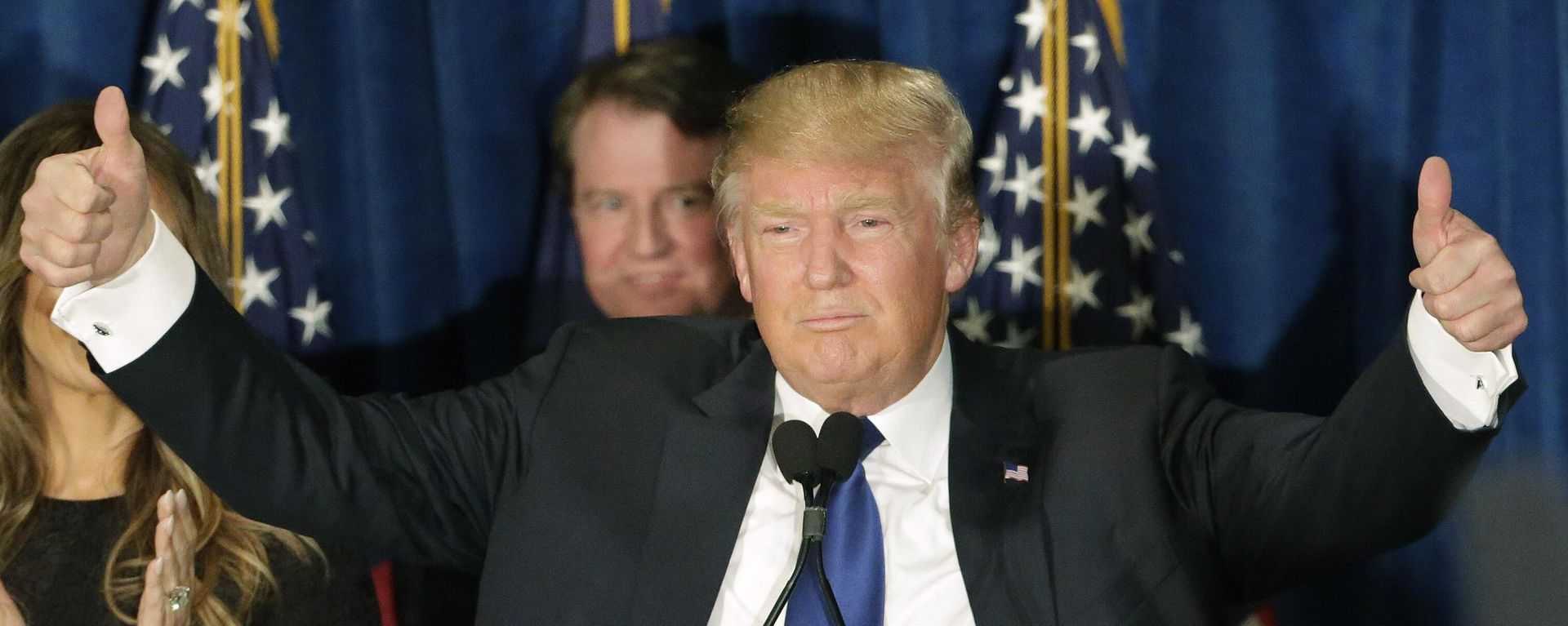
According to the QI, "equally striking" was the breakdown of votes among GOP senators based on when they assumed their current positions in the upper chamber. Thus, of the 49 incumbent Republican senators, 30 were elected before Donald Trump was picked as the GOP's presidential candidate in 2016. Over half of those 30 voted in favor of the aid bill. When it comes to the 19 senators who assumed office in 2017 and later, just four of them supported the legislation; the rest resolutely opposed it.
16 February 2024, 04:35 GMT
The think tank suggested that the difference in votes could partially be attributable to Trump's unorthodox foreign policy approach, dubbed at the time "isolationist," whereas the Republican Party establishment hardened during the Cold War era and Global War on Terror and adopted a hawkish approach including to Russia.
Still, the QI presumed that the vote cannot be explained solely by ideology, given that Sen. Lindsey Graham (R-SC) ultimately voted against the package, despite his vocal support for Ukraine and Israel. Graham, 68, has held his seat in the upper chamber since 2003. Explaining his move, the senator bemoaned the lack of border security provisions in the $9 bill and even echoed Trump’s argument that
aid to Ukraine should be a "loan."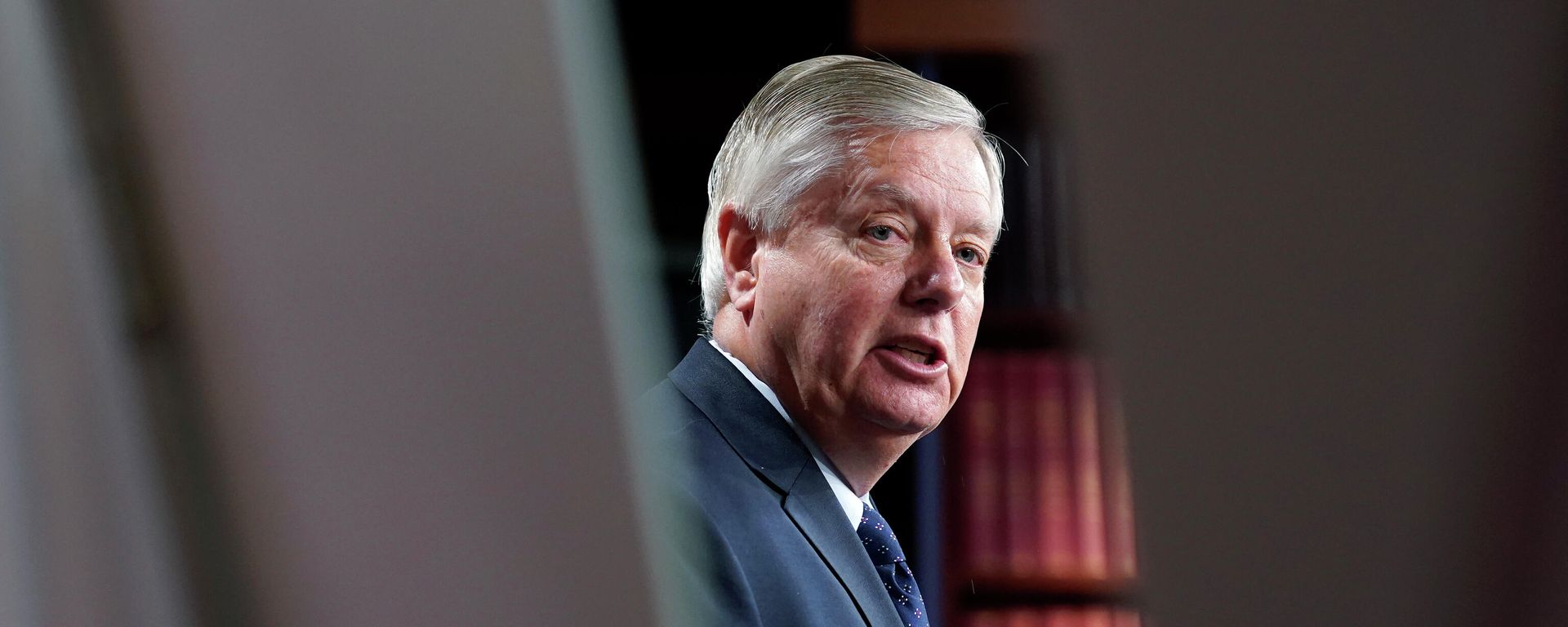
14 February 2024, 23:28 GMT
However, Graham's recent move appears to be a mere political maneuver: on Sunday, he signaled support for the House's $66 billion national security package proposed by a bipartisan group of representatives on February 16.
The 30-page Defending Borders, Defending Democracies Act includes some border security provisions, along with $47.7 billion in aid to Ukraine, $10.4 billion for Israel, $4.9 billion for US allies in the Asia Pacific, as well as $2.4 billion for the US military to combat pro-Iran Shiite militias in the Middle East.
The Defending Borders, Defending Democracies Act was proposed by the so-called bipartisan moderate Problem Solvers Caucus. Axios assumed last Friday that the bill would face opposition from the House MAGA Republicans as its border provisions aren't as tough as what conservative representatives are seeking. Likewise, attempts to ram a multi-billion Ukraine package could be nixed by Rep. Marjorie Taylor Greene (R-Ga.) and like-minded GOP members of Congress in the lower chamber.
19 February 2024, 09:16 GMT