https://sputnikglobe.com/20241016/mike-jackson-the-british-general-who-refused-us-orders-to-start-wwiii-with-russia-1120574085.html
Mike Jackson: The British General Who Refused US Orders to Start WWIII With Russia
Mike Jackson: The British General Who Refused US Orders to Start WWIII With Russia
Sputnik International
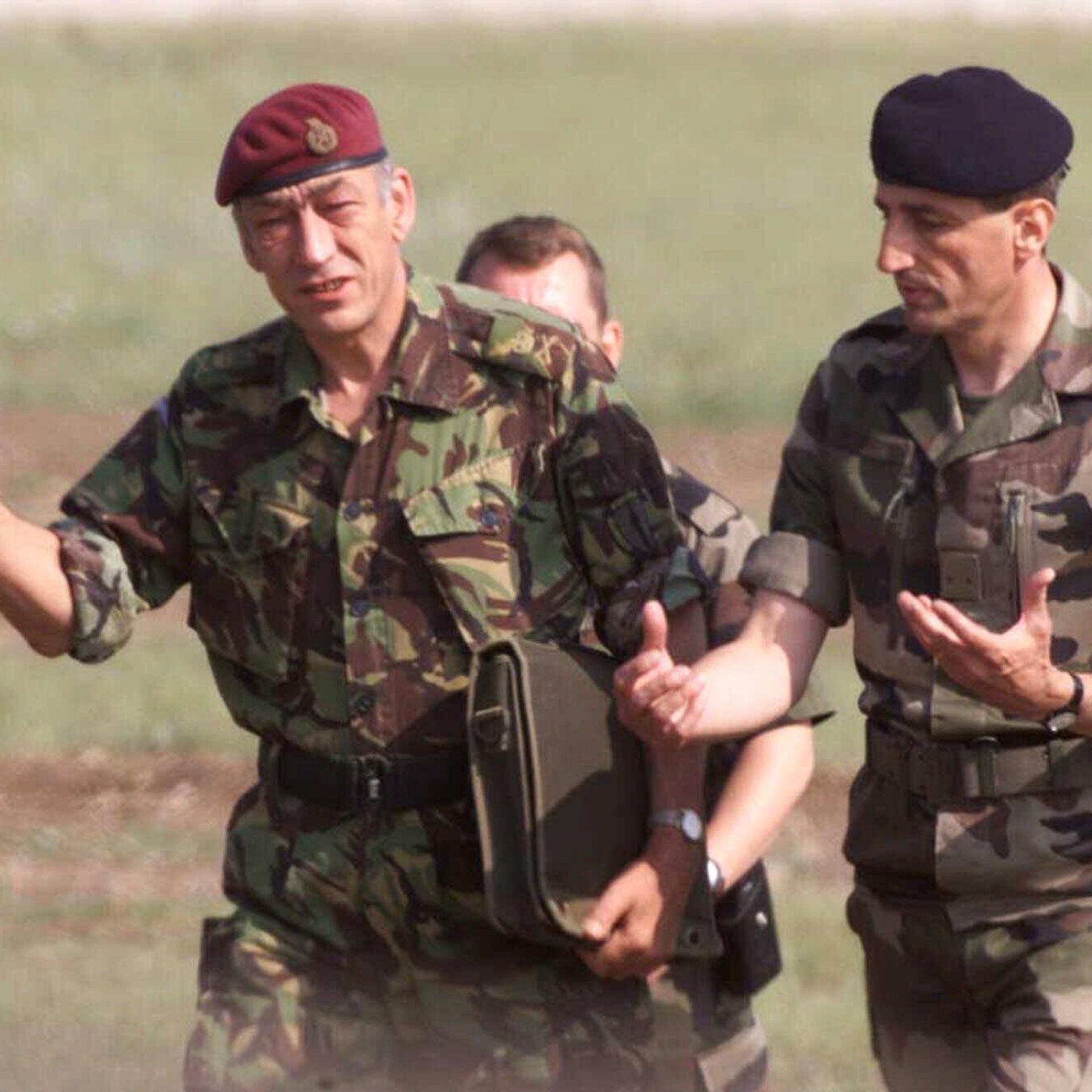
Sir Mike Jackson, the former commander of NATO’s Allied Rapid Reaction Corps in Yugoslavia, the general who had the backbone to say ‘no’ to US adventurism, passed away, aged 80.
2024-10-16T15:26+0000
2024-10-16T15:26+0000
2024-10-16T18:58+0000
world
russia
wesley clark
yugoslavia
kosovo
nato
allied rapid reaction corps
https://cdn.imgsputnikglobe.com/img/07e8/0a/10/1120574585_0:0:1992:1122_1920x0_80_0_0_365c071f07e49a41769daca6147c6cde.jpg
In the spring of 1999, the long-suffering rump state of Yugoslavia faced a new round of NATO aggression, with the alliance kicking off a massive bombing campaign of the country, citing alleged “war crimes” by Belgrade in the Serbian breakaway province of Kosovo. After shelling the country for 78 days, NATO sent in ground troops.Russia, which had agreed to deploy peacekeeping units in Kosovo’s north to protect Serb civilians and defuse tensions, was incensed after NATO declared that Russian forces would be allowed one battalion in the American sector of responsibility.Vowing to “act independently,” Russia transferred a contingent of paratroopers engaged in peacekeeping ops in Bosnia 600 km to take control of Pristina’s Slatina Airport, where they arrived on June 12. The operation was approved despite protests from some corners within the Yeltsin government, which expressed fears that it would worsen then-blooming relations with the US.Infuriated by the move – which preempted NATO’s own plans to take the airport and dig in, NATO Forces in Europe C-in-C Wesley Clark ordered alliance forces to block the landing area, “overpower” and “destroy” Russian forces.Blunt later had a successful career as a pop singer, and spoke of the incident in interviews.The unexpected decision by Jackson prompted Washington to change its tack and to pressure its newfound Eastern European allies Hungary, Romania and Bulgaria to block their airspace to Russian military reinforcement and resupply flights to Kosovo.Jackson’s actions were likely guided to some extent by his affinity for Russia, which went back to the 1960s and his study of Russian language and literature at the University of Birmingham.Despite the ensuing controversy, and grumbling in the US over the commander’s insubordination, which earned Jackson the nickname “Macho Jacko” in the tabloid press at home, he was not punished for his actions. Rather, he was appointed to C-in-C of Army Land Command, and after that to Chief of the General Staff, in an irony of fate - on the eve of the start of the 2003 Iraq War.
https://sputnikglobe.com/20240612/march-to-pristina-how-russian-paratroopers-disrupted-natos-plans-in-the-balkans-in-1999-1118919082.html
https://sputnikglobe.com/20240327/cancer-incidence-mortality-after-nato-bombing-of-yugoslavia-still-on-rise---serbian-health-minister-1117571639.html
russia
yugoslavia
kosovo
Sputnik International
feedback@sputniknews.com
+74956456601
MIA „Rossiya Segodnya“
2024
News
en_EN
Sputnik International
feedback@sputniknews.com
+74956456601
MIA „Rossiya Segodnya“
Sputnik International
feedback@sputniknews.com
+74956456601
MIA „Rossiya Segodnya“
did russia and nato almost get in a war in yugoslavia, who is general mike jackson
did russia and nato almost get in a war in yugoslavia, who is general mike jackson
Mike Jackson: The British General Who Refused US Orders to Start WWIII With Russia
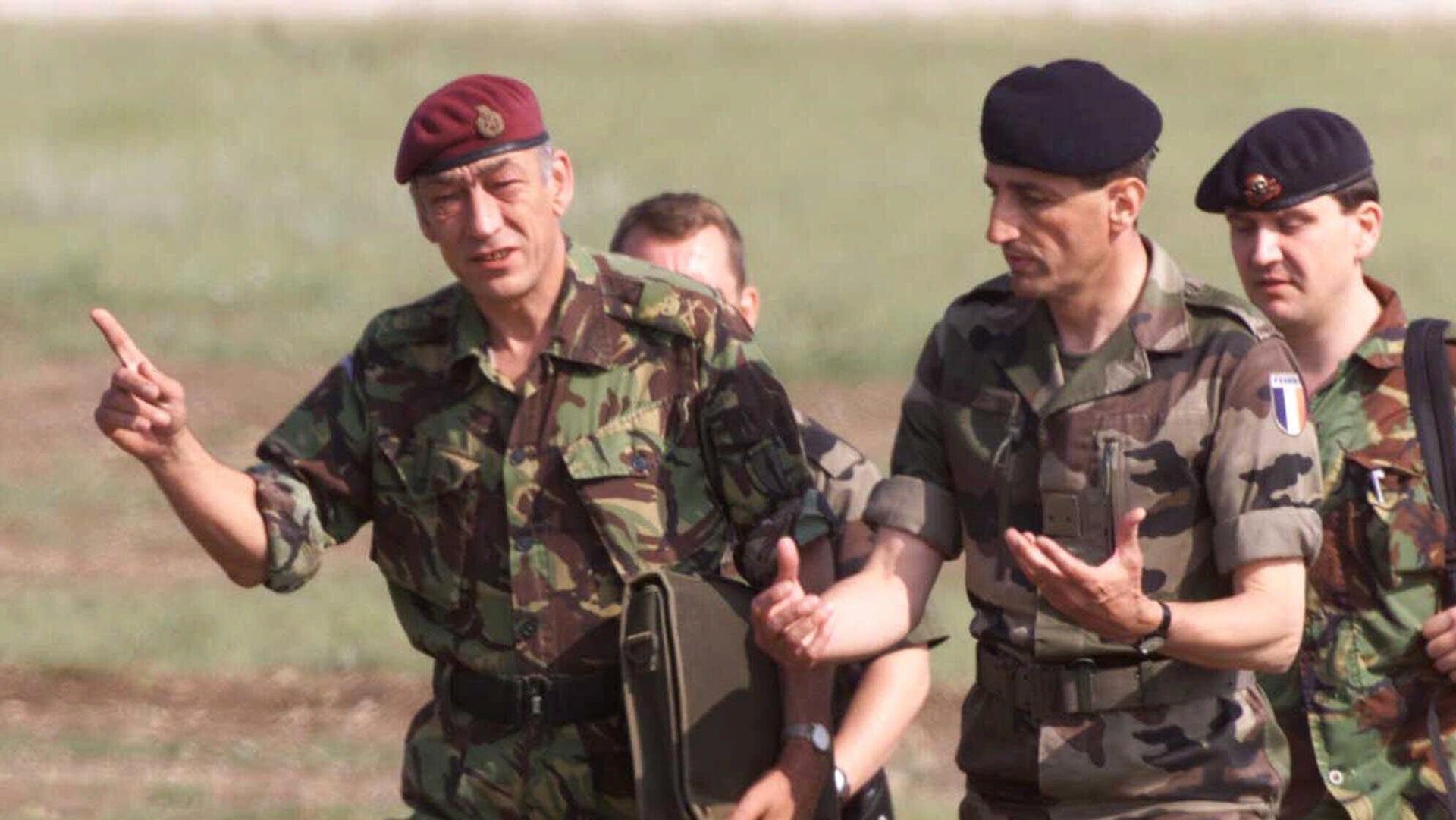
15:26 GMT 16.10.2024 (Updated: 18:58 GMT 16.10.2024) Sir Mike Jackson, the former commander of NATO’s Allied Rapid Reaction Corps in Yugoslavia, passed away, aged 80 on October 15. He was the general who had backbone to say ‘no’ to US adventurism. Here’s what to know about his deed.
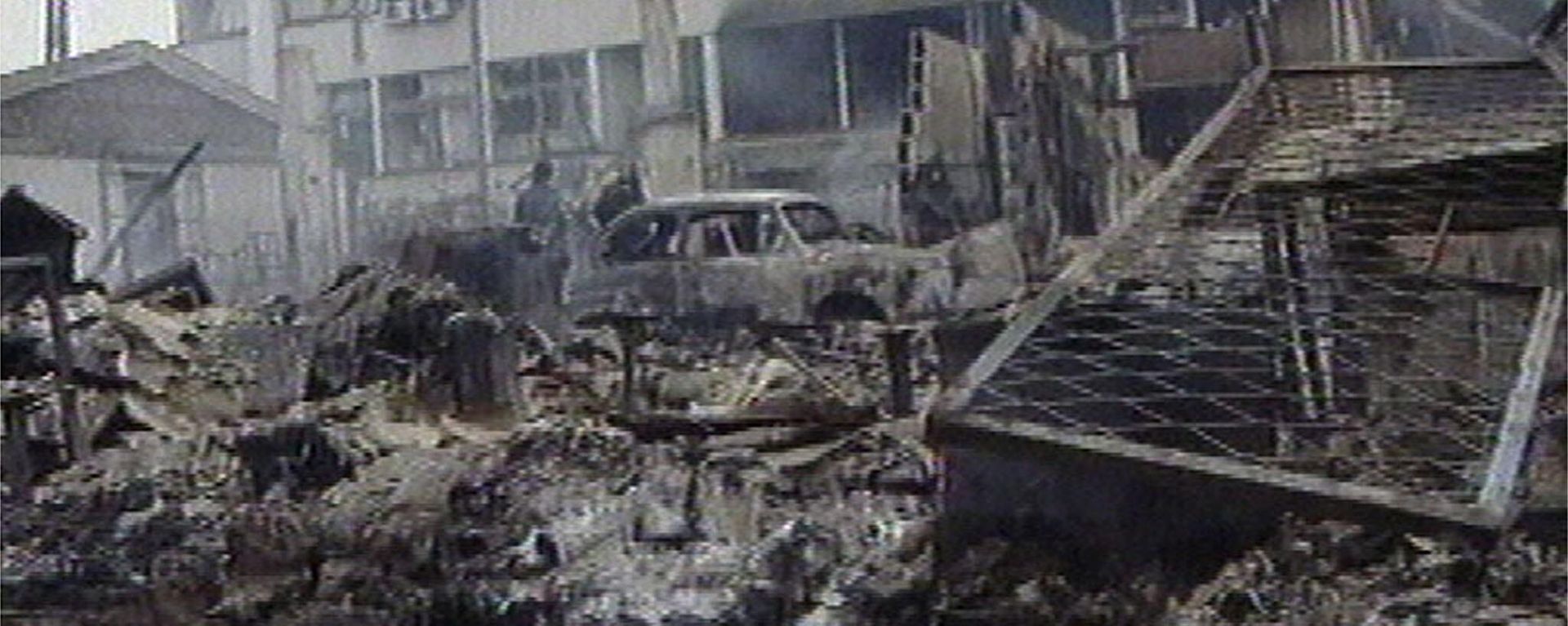
In the spring of 1999, the long-suffering rump state of Yugoslavia faced a new round of NATO aggression, with the alliance kicking off a massive bombing campaign of the country, citing alleged
“war crimes” by Belgrade in the Serbian breakaway province of Kosovo. After shelling the country
for 78 days, NATO sent in ground troops.
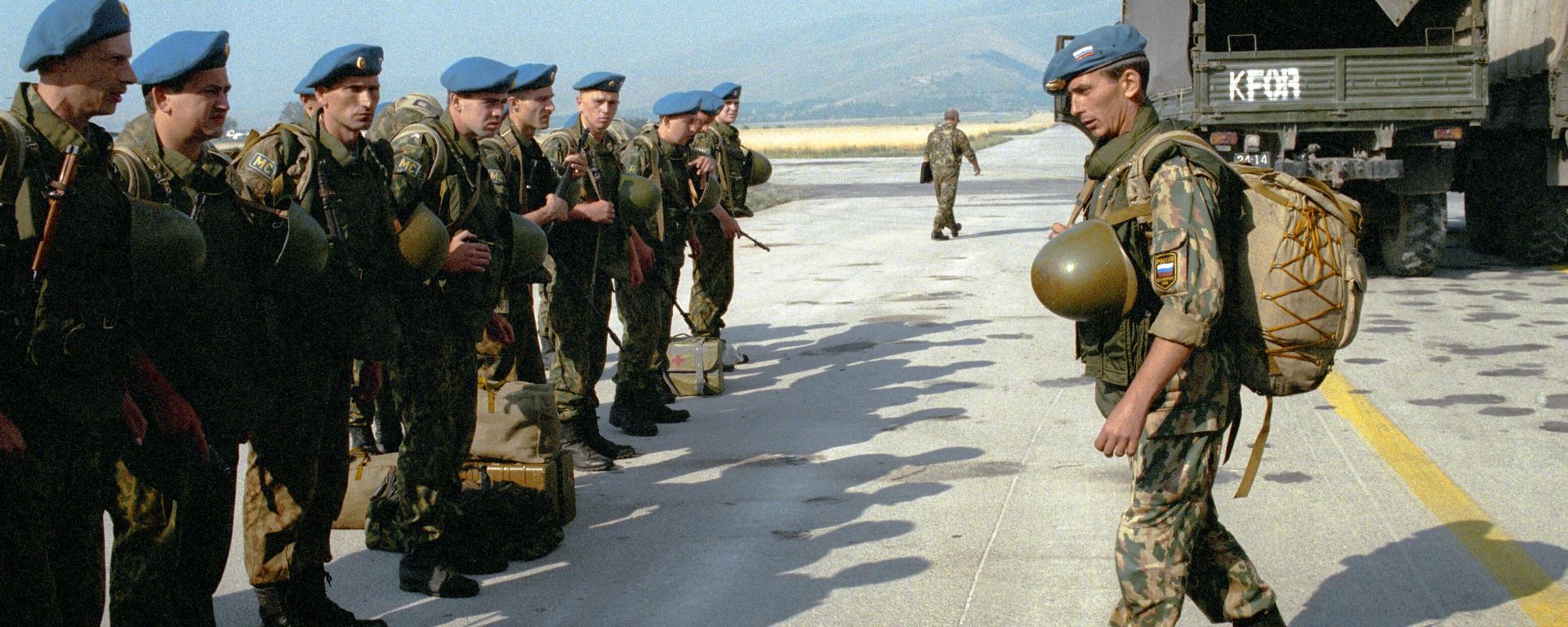
Russia, which had agreed to deploy peacekeeping units in Kosovo’s north to protect Serb civilians and defuse tensions, was incensed after NATO declared that Russian forces would be allowed one battalion in the American sector of responsibility.
Vowing to “act independently,” Russia transferred a contingent of paratroopers engaged in peacekeeping ops in Bosnia 600 km to take control of Pristina’s Slatina Airport, where they arrived on June 12. The operation was approved despite protests from some corners within the Yeltsin government, which expressed fears that it would worsen then-blooming relations with the US.
Infuriated by the move – which preempted NATO’s own plans to take the airport and dig in, NATO Forces in Europe C-in-C Wesley Clark ordered alliance forces to block the landing area, “overpower” and “destroy” Russian forces.
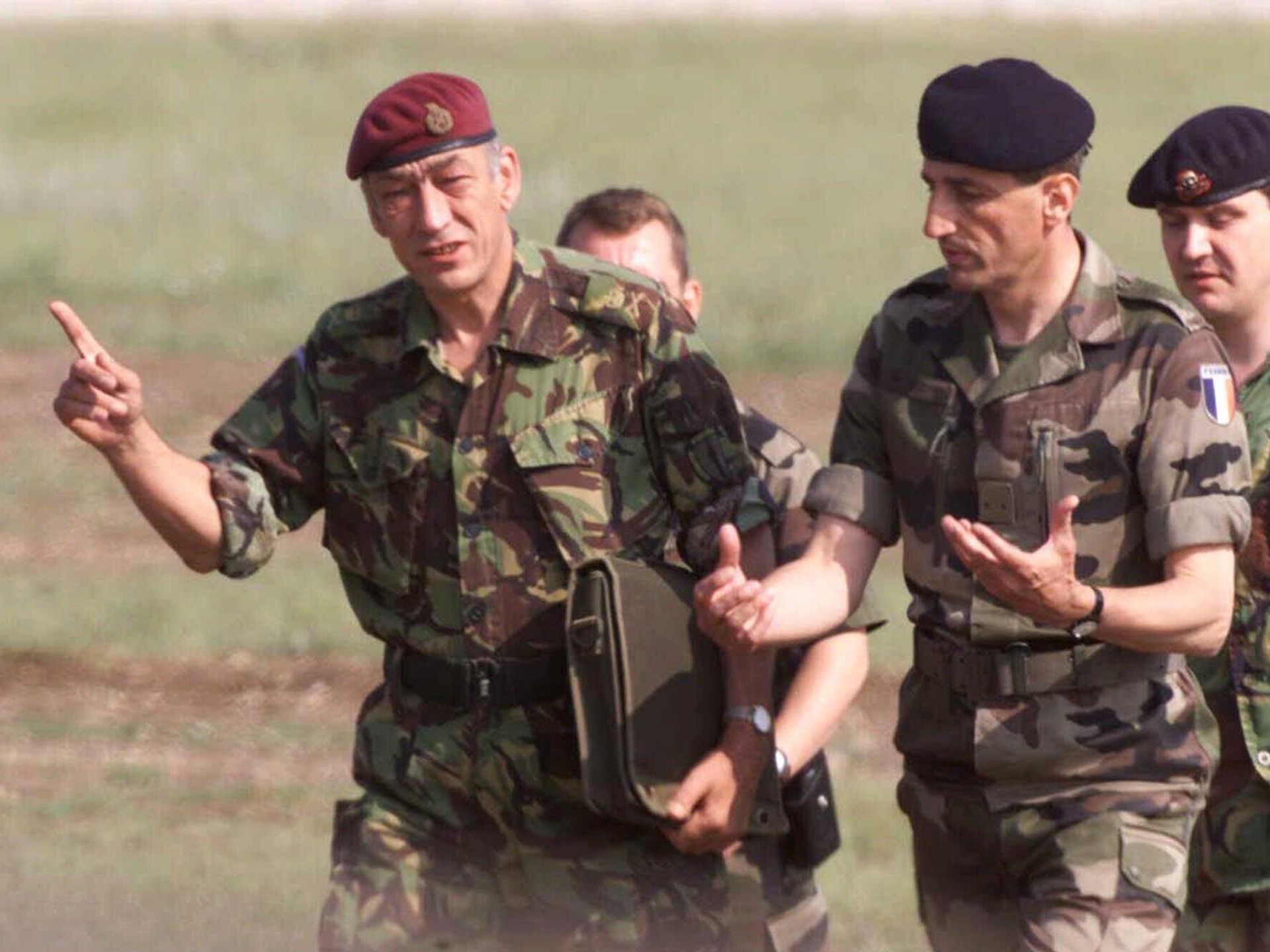
On June 13, British commander Mike Jackson, who had already flown to Pristina, met with Russian commanding general Viktor Zavarzin, shared a flask of whisky with him and offered Russian troops protection from a squad of British soldiers, including his son Mark, told Clark point blank: “I’m not going to start the Third World War for you.” Jackson’s deputy, Captain James Blunt, also refused.
Blunt later had a successful career as a pop singer, and spoke of the incident in interviews.
The unexpected decision by Jackson prompted Washington to change its tack and to pressure its newfound Eastern European allies Hungary, Romania and Bulgaria to block their airspace to Russian military reinforcement and resupply flights to Kosovo.
“We were [looking at] a possibility…of confrontation with the Russian contingent, which seemed to me probably not the right way to start off a relationship with Russians who were going to become part of my command,” Jackson
said in later interview.
Jackson’s actions were likely guided to some extent by his affinity for Russia, which went back to the 1960s and his study of Russian language and literature at the University of Birmingham.
Despite the ensuing controversy, and grumbling in the US over the commander’s insubordination, which earned Jackson the nickname “Macho Jacko” in the tabloid press at home, he was not punished for his actions. Rather, he was appointed to C-in-C of Army Land Command, and after that to Chief of the General Staff, in an irony of fate - on the eve of the start of the 2003 Iraq War.